Behavior
What are quick tips for Siberian Husky arthritis?
Keep your Husky at a healthy weight, provide low-impact exercise, and ensure a comfy resting area. Regular vet check-ups for managing pain are also crucial.

Quick answer
What are quick tips for Siberian Husky arthritis?
Keep your Husky at a healthy weight, provide low-impact exercise, and ensure a comfy resting area. Regular vet check-ups for managing pain are also crucial.
Siberian Husky arthritis is a common issue that affects their mobility and quality of life. Understanding this condition is key to ensuring your Husky remains active and happy.

Many Husky owners, especially those with older dogs, struggle with managing arthritis. This condition can be particularly challenging for first-time dog owners who may not know how to spot early signs or provide appropriate care.
This guide is not medical advice. If your dog shows pain, sudden behavior change, or worsening symptoms, consult a licensed veterinarian.
Some links may be affiliate links. We may earn a commission at no extra cost to you. We only suggest products we believe are helpful for dog owners.
We research and check what we publish, but we do not warrant that any figure, date, price, or statement is accurate, complete, or current, and we accept no liability for any loss, cost, injury, or other harm arising from the use of this site. Use it as one reference among several. You remain responsible for your own decisions and for your dog's care - confirm anything that matters with a licensed veterinarian or another qualified professional before you act on it. Full disclaimer.
Check this first
Recognizing when your Siberian Husky's arthritis is an emergency can be crucial. Look for signs like sudden limping, inability to move, or extreme pain when touched. These red flags mean it's time to call your vet immediately. Other symptoms to watch for include swelling in the joints, changes in appetite, or excessive whining, which could indicate severe discomfort.
On the other hand, if your Husky shows mild signs of stiffness or reluctance to jump, you can monitor the situation. Create a plan that includes gentle exercise and joint supplements. Keep track of their mobility and behavior changes over the next few days. If symptoms worsen or persist, consult your veterinarian for further advice.
It's essential to take arthritis seriously, as it can significantly impact your dog's quality of life. Understanding the difference between an emergency and a situation that can be managed at home is key to ensuring your Husky stays happy and healthy.
If any of these apply, call your vet or an emergency clinic now. The rest of this page is for the cases that are not an emergency.
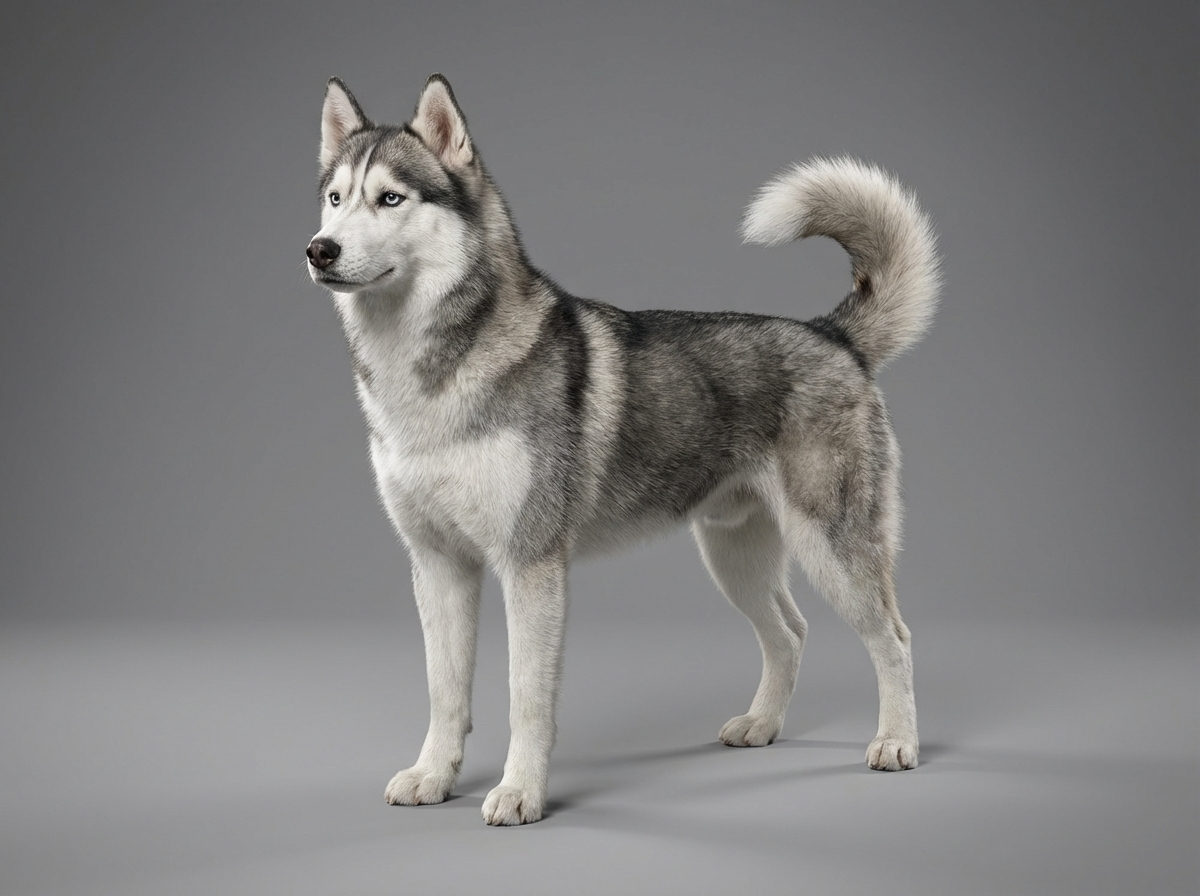
Siberian Husky arthritis is a painful condition that affects their joints, often leading to stiffness and difficulty moving. This problem can manifest as reluctance to play, limping, or difficulty rising from a resting position. As Huskies age, they become more prone to arthritis, especially if they have a history of joint issues.
Arthritis is quite common in Siberian Huskies, particularly as they reach their senior years. Many Huskies will show signs of arthritis by the age of 8, making it a significant health concern for owners.
Siberian Huskies are large, active dogs that often engage in high-energy activities. Their strong build can put stress on their joints, making them more susceptible to arthritis as they age. Additionally, genetic factors may also contribute to joint issues in this breed.
Huskies thrive in environments with plenty of exercise and space to run. However, if they don't get enough physical activity, it can lead to weight gain, further stressing their joints. Factors like slippery floors, inadequate resting areas, or lack of proper warm-up before exercise can also exacerbate arthritis symptoms.
If you notice persistent limping, difficulty getting up, or changes in behavior like increased irritability, it’s time to talk to your vet. They can assess your dog's condition and recommend treatments, including pain management or physical therapy.
Siberian Husky arthritis can be tough to manage, but certain common mistakes can make the situation worse. Here are some pitfalls to avoid along with safer alternatives.
Start here: Siberian Husky Most Common Genetic Disorders: Screening
See all Siberian Husky health problems, which breeds are prone to arthritis, or the full Siberian Husky breed guide for temperament, exercise needs and ownership costs.
Managing Siberian Husky arthritis usually takes a few weeks to several months, depending on the severity. Consistent treatment and care can lead to noticeable improvements in your dog's mobility and comfort within that time.
Success looks like your Husky moving more freely, showing less discomfort during daily activities, and enjoying playtime without excessive fatigue. Regular veterinary check-ups and adjustments to their care plan will help maintain their quality of life.
When Sarah adopted Max, her energetic Siberian Husky, she noticed him struggling to jump onto the couch at just six years old. After a vet visit, she learned Max had early signs of arthritis. Sarah began a comprehensive care plan that included joint supplements, low-impact exercises, and regular vet check-ups. Gradually, Max regained his enthusiasm for play and was even able to join Sarah for longer walks again.
Key takeaway: With proper management, including vet guidance and lifestyle adjustments, dogs like Max can lead happy lives despite arthritis.
Arthritis in Siberian Huskies is often due to age-related wear and tear on joints. It can also be caused by genetic predispositions or previous injuries. Regular vet check-ups can help identify and manage early signs.
Watch for signs like limping, difficulty standing up, or reluctance to exercise. If your Husky seems stiff after resting or struggles to climb stairs, these may be symptoms of arthritis. A vet can provide a proper diagnosis.
Maintaining a healthy weight is crucial, as extra pounds can stress joints. Regular, low-impact exercise can also help keep joints mobile. Consult your vet for joint supplements or medications that can ease pain and inflammation.
Focus on gentle training that encourages movement without overexertion. Short, frequent walks and specific commands for gradual activity are effective. Always adapt training to your Husky's comfort level to avoid pain.
Some owners find that warm compresses or massage can provide temporary relief. Additionally, a balanced diet with Omega-3 fatty acids may support joint health. Always consult your vet before trying new remedies.
Create a comfortable living space with soft bedding and easy access to food and water. Avoid slippery surfaces to prevent falls. Regular vet visits for monitoring and adjustments to care are essential.
Yes, a diet rich in anti-inflammatory ingredients can support joint health. Look for foods or supplements with Omega-3s and antioxidants. Always discuss diet changes with your vet.
Early signs of arthritis in your Siberian Husky may include stiffness after rest, difficulty climbing stairs, or reluctance to play. You might also notice changes in their walking patterns, such as limping or favoring one leg.
For older Huskies, providing a comfortable bed, maintaining a healthy weight, and incorporating gentle exercises can help manage arthritis. Regular vet check-ups are crucial to adjust their care as needed.
Yes, a diet rich in omega-3 fatty acids can help reduce inflammation and support joint health. Consult your vet for recommendations on specialized diets or supplements that may benefit your Husky.
If you notice persistent limping, swelling in the joints, or if your Husky seems to be in pain during daily activities, it’s time to see the vet. Early intervention can make a big difference in managing their arthritis.
Training can help by encouraging gentle movements and maintaining mobility. Focus on low-impact activities and consult with a professional trainer who understands how to work with dogs with arthritis.
Keep your Husky at a healthy weight, provide low-impact exercise, and ensure a comfy resting area. Regular vet check-ups for managing pain are also crucial.
If your Husky shows signs of pain, difficulty moving, or changes in behavior, it's time to consult a vet. Early intervention can prevent further issues.
Gentle training that encourages movement without strain can help manage arthritis. Focus on short, enjoyable sessions to keep your Husky active.
Aside from arthritis, Siberian Huskies can face hip dysplasia and progressive retinal atrophy. Regular vet visits are important for early detection.
Yes, joint supplements and orthopedic beds can provide comfort. Consult your vet for recommendations tailored to your Husky's needs.
A one-page prep sheet for this condition: the signs, the questions to ask, what to get priced. Unlocks here.
You get: Vet visit prep sheet
No spam. One-click unsubscribe. See our privacy policy.
Preview page 1 before you decide.