DogBreedCompass
← Back to breed profile

Siberian Husky Arrhythmogenic Right Ventricular Cardiomyopathy (ARVC)

Siberian Husky arrhythmogenic right ventricular cardiomyopathy (ARVC) is a serious heart rhythm disorder that can impact your dog's health.

Siberian Husky Arrhythmogenic Right Ventricular Cardiomyopathy (ARVC) infographic

Owners of Siberian Huskies, particularly those who are first-time dog parents or unaware of breed-specific health issues, often face challenges managing ARVC. It's vital for them to recognize the signs and seek appropriate care.

Important reminder

This guide is not medical advice. If your dog shows pain, sudden behavior change, or worsening symptoms, consult a licensed veterinarian.

Some links may be affiliate links. We may earn a commission at no extra cost to you. We only suggest products we believe are helpful for dog owners.

What this problem looks like

Siberian Husky arrhythmogenic right ventricular cardiomyopathy (ARVC) is a heart rhythm disorder that can affect your dog's day-to-day life. Symptoms may include lethargy, fainting, or unusual behaviors after exercise. This condition can be particularly concerning as it may not show symptoms until the situation becomes serious.

Common triggers

  • Intense exercise or physical activity
  • Stressful situations, such as loud noises or unfamiliar environments
  • Underlying health issues or genetic predisposition

ARVC is relatively rare in Siberian Huskies, but it can occur. It's important to be aware of this condition, especially if your Husky has a family history of heart problems. Regular vet check-ups can help catch any issues early.

Why this happens

Breed factors

Siberian Huskies are predisposed to arrhythmogenic right ventricular cardiomyopathy (ARVC) due to genetic factors. This breed's heart can be affected by inherited traits that make them more susceptible to heart rhythm disorders. High energy levels and a strong drive for activity can also place additional stress on their cardiovascular system.

Environment factors

Environmental factors can contribute to ARVC in Huskies, such as high-stress situations and inadequate exercise. If they don’t get enough physical activity, their hearts may be more prone to issues. Additionally, poor diet and lack of regular vet checkups can lead to undetected heart problems.

What you can try

At-home strategies

  • Maintain a consistent exercise routine. Aim for at least one hour of vigorous activity daily to keep your Husky healthy and reduce stress on the heart.
  • Provide a balanced diet rich in omega-3 fatty acids and antioxidants. This can help support heart health.
  • Monitor your Husky for signs of distress, such as excessive panting, coughing, or fatigue. Keeping a journal of their activity can help identify patterns.

When to consider a trainer

If your Siberian Husky shows signs of anxiety or stress that seem unmanageable, consider consulting a professional trainer. A trainer can help you develop strategies to reduce stress, thus supporting heart health.

When to talk to your vet

If you notice any symptoms like irregular heartbeats, lethargy, or sudden weight loss, consult your vet immediately. Regular checkups are essential to catch any potential heart issues early.

Realistic expectations

You can expect to see improvements within 3 to 6 months of implementing a training and management plan for your Siberian Husky.

Success looks like your Husky exhibiting more regular behavior, reduced anxiety, and improved heart health through regular vet check-ups and training.

Mistakes that Make This Worse

Addressing Siberian Husky arrhythmogenic right ventricular cardiomyopathy (ARVC) can be challenging. However, some common mistakes can actually worsen the situation. Here’s what to avoid.

  • Ignoring Symptoms: Many owners overlook signs of distress in their Husky. Regular vet check-ups and monitoring for symptoms like lethargy can help catch issues early.
  • Skipping Vet Visits: Some owners delay veterinary visits due to cost or inconvenience. Prioritizing regular health check-ups can help manage ARVC effectively.
  • Inconsistent Training: Inconsistent training can increase anxiety, which may worsen ARVC symptoms. Establishing a stable routine can help your Husky feel more secure.
  • Overexerting Your Dog: While Huskies need exercise, overdoing it can strain their heart. Balance is key; incorporate moderate activities into their daily routine.
  • Neglecting Diet: Poor nutrition can exacerbate heart issues. Focus on a high-quality diet that supports heart health, and consult your vet for recommendations.
  • Ignoring Stressors: Environmental stress can impact your Husky’s heart health. Identify and minimize stressors in their daily life, such as loud noises or chaotic environments.
  • Relying Solely on Medication: While medication may be necessary, it’s not a standalone solution. Combine it with lifestyle changes and consistent vet care for the best results.

When Siberian Husky Arrhythmogenic Right Ventricular Cardiomyopathy (ARVC) is an Emergency

Understanding when Siberian Husky arrhythmogenic right ventricular cardiomyopathy (ARVC) becomes an emergency is crucial for pet owners. There are clear signs that indicate a need for immediate veterinary attention. If your Husky shows severe symptoms like sudden fainting, collapse, or signs of distress such as labored breathing, you must call your vet right away. These could be indications of a serious heart issue that requires urgent care.

In contrast, if your Husky is experiencing mild symptoms like occasional coughing or lethargy without other alarming signs, you can monitor the situation at home. Keep track of any changes in behavior, appetite, or energy levels. It’s important to have a plan in place to consult your veterinarian if symptoms worsen or persist over time. Regular check-ups and communication with your vet can help manage the condition effectively.

Remember, while monitoring is important, erring on the side of caution with heart conditions is wise. Early intervention can make a significant difference in outcomes for your furry friend.

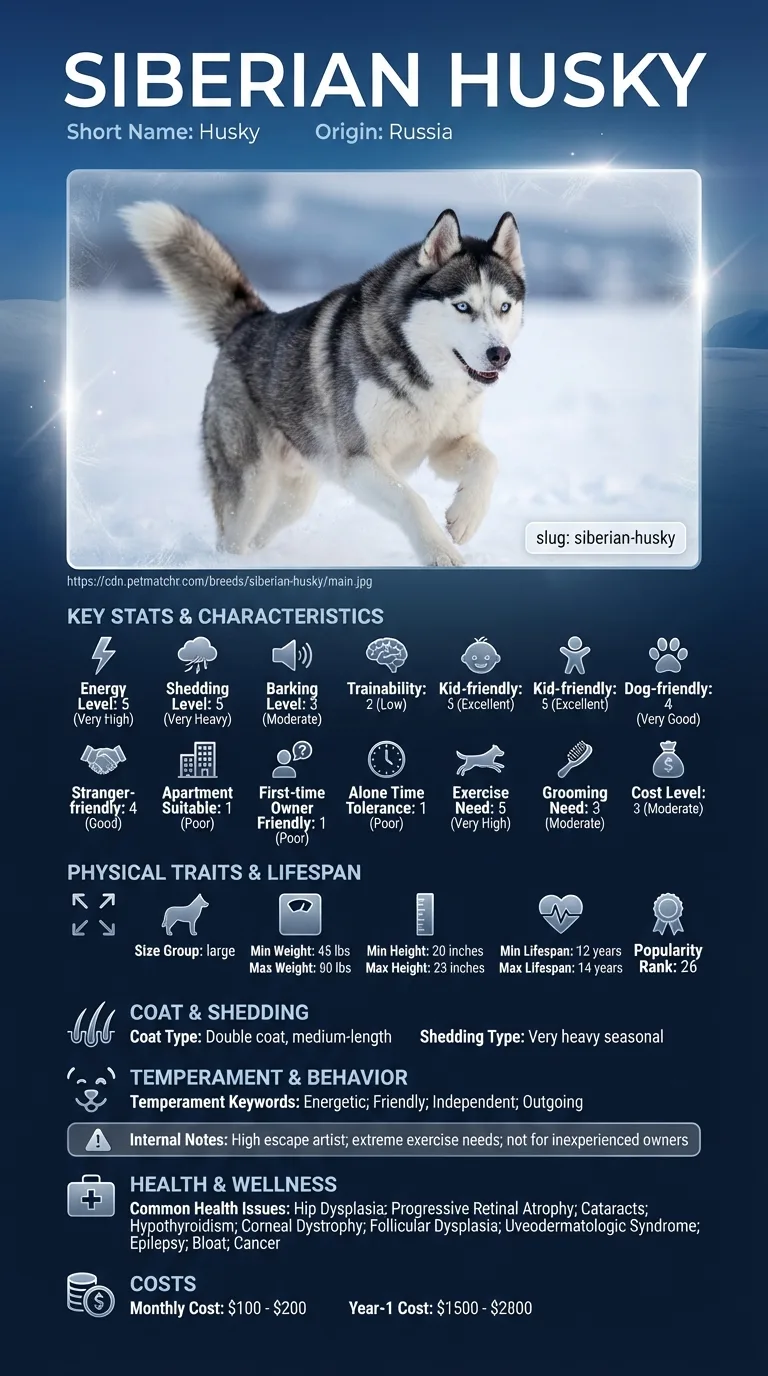
Siberian Husky Arrhythmogenic Right Ventricular Cardiomyopathy (ARVC) - When Siberian Husky Arrhythmogenic Right Ventricular Cardiomyopathy (ARVC) is an Emergency

Navigating ARVC with a Siberian Husky

Meet Sarah, a busy nurse from Seattle. When she adopted her Siberian Husky, Loki, she noticed he often seemed anxious and had episodes of irregular heartbeats. After consulting with her vet, Sarah learned about arrhythmogenic right ventricular cardiomyopathy (ARVC) and the importance of training and routine. With help from a local dog trainer experienced in health-related behavior issues, she developed a structured daily routine for Loki, including exercise and mental stimulation. Over time, Loki became more relaxed and his episodes decreased significantly.

Key takeaway: Consistency in training and a clear routine can greatly help manage health-related issues like ARVC in Siberian Huskies.

Frequently asked questions

Why does my Siberian Husky have arrhythmogenic right ventricular cardiomyopathy (arvc)?

Siberian Huskies can develop arrhythmogenic right ventricular cardiomyopathy (ARVC) due to genetic factors and underlying heart conditions. It's essential to monitor your dog's health and consult with a vet if you notice symptoms like weakness or unusual behavior. This answer relates to Siberian Husky arrhythmogenic right ventricular cardiomyopathy (arvc).

How can I tell if my Husky has ARVC?

Signs of ARVC in Huskies include fainting, lethargy, increased heart rate, or difficulty breathing. If you observe these symptoms, schedule an appointment with your veterinarian for an evaluation.

What should I do if my Husky is diagnosed with ARVC?

If your Husky is diagnosed with ARVC, your vet may recommend lifestyle changes, medications, or regular monitoring of heart function. Follow their guidance closely to help manage the condition effectively.

Is there a specific diet for Huskies with ARVC?

While there isn't a one-size-fits-all diet for Huskies with ARVC, a balanced diet rich in essential nutrients is crucial. Consult your vet for recommendations tailored to your dog's specific health needs.

Can training help with my Husky's ARVC symptoms?

Training can help manage your Husky's behavior and stress levels, which is beneficial for heart health. Focus on gentle, low-impact activities and avoid strenuous exercise to reduce stress on their heart.

What are the long-term effects of ARVC in Huskies?

The long-term effects of ARVC can vary. Some Huskies may lead relatively normal lives with proper management, while others may face more serious health challenges. Regular vet check-ups are essential for monitoring their condition.

What should I do if my Siberian Husky shows signs of arrhythmogenic right ventricular cardiomyopathy (ARVC)?

If your Husky shows symptoms like fainting, lethargy, or unusual breathing, it's crucial to see a vet immediately. Early diagnosis and treatment can manage the condition better and improve your dog's quality of life.

Can arrhythmogenic right ventricular cardiomyopathy (ARVC) develop in older Siberian Huskies?

Yes, older Huskies can develop ARVC, especially if there's a family history of heart issues. Regular check-ups with a vet can help catch any heart problems early, ensuring your dog gets the care it needs.

Are there specific training techniques for Siberian Huskies with arrhythmogenic right ventricular cardiomyopathy (ARVC)?

Training should focus on low-impact activities to avoid overexertion. Positive reinforcement methods work best, allowing you to establish a good bond while keeping your Husky safe and healthy.

How does diet affect a Siberian Husky with arrhythmogenic right ventricular cardiomyopathy (ARVC)?

A balanced diet is essential for a Husky with ARVC. Consult your vet about nutrition plans that support heart health, as certain diets can help manage weight and overall wellness.

Is arrhythmogenic right ventricular cardiomyopathy (ARVC) hereditary in Siberian Huskies?

Yes, ARVC can be inherited in certain dog breeds, including Siberian Huskies. If you're considering getting a Husky, it's wise to ask the breeder about health screenings for heart conditions.

Quick answers

View more answers
Health

What are quick tips for managing Siberian Husky arrhythmogenic right ventricular cardiomyopathy (arvc)?

Monitor your Husky for any unusual symptoms and maintain regular vet check-ups. Ensure they have a balanced diet and engage in gentle exercise.

Training

How do I train a Husky with ARVC?

Focus on positive reinforcement and low-impact activities. Avoid vigorous exercise to keep their heart safe.

Costs

What costs are associated with Siberian Husky ARVC?

Costs can vary widely but expect to spend on vet visits, medications, and potential dietary changes. Budget around $100 to $200 monthly for ongoing care.

Behavior

Can stress affect my Husky with ARVC?

Yes, stress can worsen ARVC symptoms. Create a calm environment and avoid high-stress situations.

Health

What are the signs of a serious problem with ARVC?

Watch for fainting, sudden weakness, or difficulty breathing. Contact your vet immediately if you notice these symptoms.

Related DogBreedCompass guides

  • Common health issues for Siberian HuskiesLearn about common health issues that can affect your Siberian Husky, including ARVC.
  • Siberian Husky behavior problemsFind effective training methods to help manage your Siberian Husky's behavior, especially with ARVC.
  • Siberian Husky health and wellness guideDiscover ways to support your Siberian Husky through their unique health challenges.
  • Siberian Husky separation anxiety guideExplore training strategies specifically designed for managing Siberian Husky anxiety.
  • Siberian Husky cost breakdownUnderstand the costs associated with owning a Siberian Husky, including potential health issues like ARVC.

Related guides