Behavior
What are quick tips for managing Shih Tzu von Willebrand's disease (vWD1)?
Keep your Shih Tzu away from rough play and sharp objects. Regular vet check-ups are essential for monitoring their condition. Training can help prevent accidents.
Shih Tzu von Willebrand's disease (vWD1) is a genetic bleeding disorder that can impact your dog's health and safety.
Typically, owners of Shih Tzus or those considering this breed may face challenges with vWD1. If you have an active lifestyle or children, the risk of injury and bleeding can be a significant concern.
This guide is not medical advice. If your dog shows pain, sudden behavior change, or worsening symptoms, consult a licensed veterinarian.
Some links may be affiliate links. We may earn a commission at no extra cost to you. We only suggest products we believe are helpful for dog owners.
Shih Tzus can be affected by von Willebrand's disease (vWD1), a genetic bleeding disorder that affects their ability to clot blood properly. This condition can result in excessive bleeding from minor injuries or surgery, which can be alarming for owners. Daily life with a Shih Tzu affected by vWD1 may involve careful monitoring of any cuts or scrapes and avoiding rough play to prevent injuries.
Von Willebrand's disease is relatively common in Shih Tzus compared to other breeds. It's important for potential owners to be aware of this condition, especially if they have a family history of bleeding disorders.
Shih Tzus can inherit von Willebrand's disease (vWD1) due to their genetic makeup. This condition affects their blood's ability to clot properly, leading to excessive bleeding. It's important to know that this disease is more common in specific breeds, including the Shih Tzu.
Environmental factors can also influence the severity of vWD1 symptoms. Stressful situations, injuries, or surgeries can exacerbate bleeding issues. Keeping your dog calm and avoiding risky activities can help manage their condition.
If your Shih Tzu shows signs of anxiety or fear that leads to risky behavior, it may be time to consult a trainer. A professional can help address these behaviors through positive reinforcement techniques.
Reach out to your vet if you notice any bleeding episodes, even minor ones. They can provide guidance on managing vWD1 and may suggest tests to confirm the diagnosis. Regular check-ups are essential for monitoring their health.
Managing Shih Tzu von Willebrand's disease (vWD1) can take several months to fully understand and adapt to. Regular vet visits, monitoring, and adjustments to your dog's care plan will be necessary.
Success means your Shih Tzu can live a happy, active life with minimal bleeding episodes. You'll learn how to recognize symptoms early and ensure your dog receives appropriate care.
Many Shih Tzu owners unknowingly reinforce behaviors that worsen von Willebrand's disease (vWD1). Here are common mistakes to avoid, along with safer alternatives.
Recognizing when Shih Tzu von Willebrand's disease (vWD1) is an emergency is crucial for your dog's health. If your dog experiences severe bleeding, such as from the nose or gums, or if they have a deep cut that won't stop bleeding, call your vet immediately. Other red flags include excessive bruising, lethargy, or weakness, which can indicate a serious problem.

In less severe cases, you might notice mild symptoms like occasional nosebleeds or small bruises. If your Shih Tzu seems otherwise healthy and active, you can monitor them closely. Keep track of any changes in their behavior or symptoms, and consult your vet if things worsen or don’t improve within a few days.

Maria adopted Bella, her Shih Tzu, not knowing she had von Willebrand's disease (vWD1). After Bella experienced excessive bleeding from a minor cut, Maria took her to the vet, where they diagnosed the condition. Over the next few months, Maria learned to manage Bella's health by avoiding risky activities and keeping her environment safe. Regular vet check-ups and a tailored care plan helped Bella thrive. Maria also connected with other dog owners online, sharing her experiences and gaining support.
Key takeaway: With awareness and a proactive approach, you can manage your Shih Tzu's vWD1 effectively, ensuring they lead a joyful life.
Shih Tzu von Willebrand's disease (vWD1) is a genetic bleeding disorder. It affects the blood's ability to clot, which can lead to excessive bleeding from injuries or surgery. Early detection and management are crucial for keeping your dog healthy.
Your Shih Tzu may have von Willebrand's disease (vWD1) due to hereditary factors. This condition is passed down from parent dogs, so it's important to understand the health history of your pet's lineage. Regular veterinary check-ups can help manage and monitor the condition.
Managing your Shih Tzu's von Willebrand's disease (vWD1) involves regular vet visits and monitoring for any signs of bleeding. It's important to avoid situations that may lead to injuries. Your vet may recommend specific treatments or lifestyle adjustments to minimize risk.
Yes, common signs include prolonged bleeding from minor cuts, nosebleeds, or bleeding gums. If you notice any unusual bleeding or bruising, contact your vet immediately. Early intervention is key to managing the condition.
While training won't cure von Willebrand's disease (vWD1), it can help your Shih Tzu develop good behaviors and avoid dangerous situations. Teaching commands like 'leave it' can prevent them from engaging in risky play that could lead to injury.
Early signs of von Willebrand's disease (vWD1) in Shih Tzus may include excessive bleeding from minor cuts, nosebleeds, or prolonged bleeding after surgery. If you notice these symptoms, it's important to consult your vet promptly for diagnosis and guidance.
Von Willebrand's disease (vWD1) is a genetic disorder, so it can be present from birth. However, older Shih Tzus may show symptoms that become apparent over time. Regular vet check-ups are crucial to catch any signs early.
While there is no cure for von Willebrand's disease (vWD1), it can be managed with proper care. This may include avoiding certain activities that could lead to injury and regular veterinary monitoring to ensure your dog stays healthy.
With appropriate management, many Shih Tzus with von Willebrand's disease (vWD1) can lead normal, happy lives. However, owners must be vigilant about their health and avoid situations that could lead to excessive bleeding.
Genetic testing can be beneficial for breeding considerations and to understand your Shih Tzu's health risks. If you have concerns about von Willebrand's disease (vWD1), discussing testing options with your vet is a wise step.
Keep your Shih Tzu away from rough play and sharp objects. Regular vet check-ups are essential for monitoring their condition. Training can help prevent accidents.
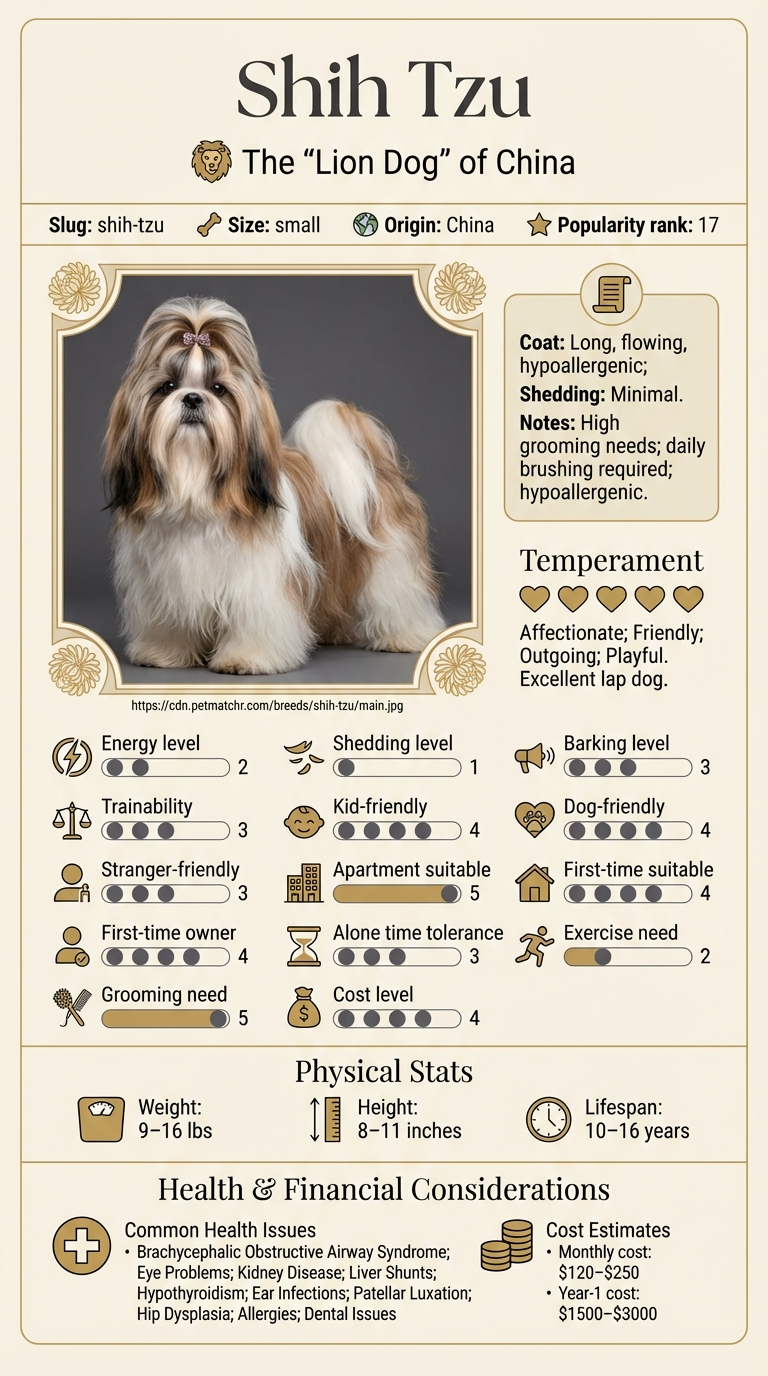
Management costs can vary, but expect to spend between $120 to $250 monthly for veterinary care and medication. Always discuss specific costs with your vet.
A balanced diet is crucial for overall health. Consult your vet for any specific dietary recommendations that may support your Shih Tzu's condition.