Behavior
What are quick tips for managing Shih Tzu neurologic disease?
Monitor your dog's behavior closely and maintain a consistent routine. Regular vet visits and following prescribed treatments are essential for managing symptoms.

Quick answer
What are quick tips for managing Shih Tzu neurologic disease?
Monitor your dog's behavior closely and maintain a consistent routine. Regular vet visits and following prescribed treatments are essential for managing symptoms.
Shih Tzu neurologic disease can affect your dog's quality of life and well-being. Understanding this condition is crucial for responsible ownership.
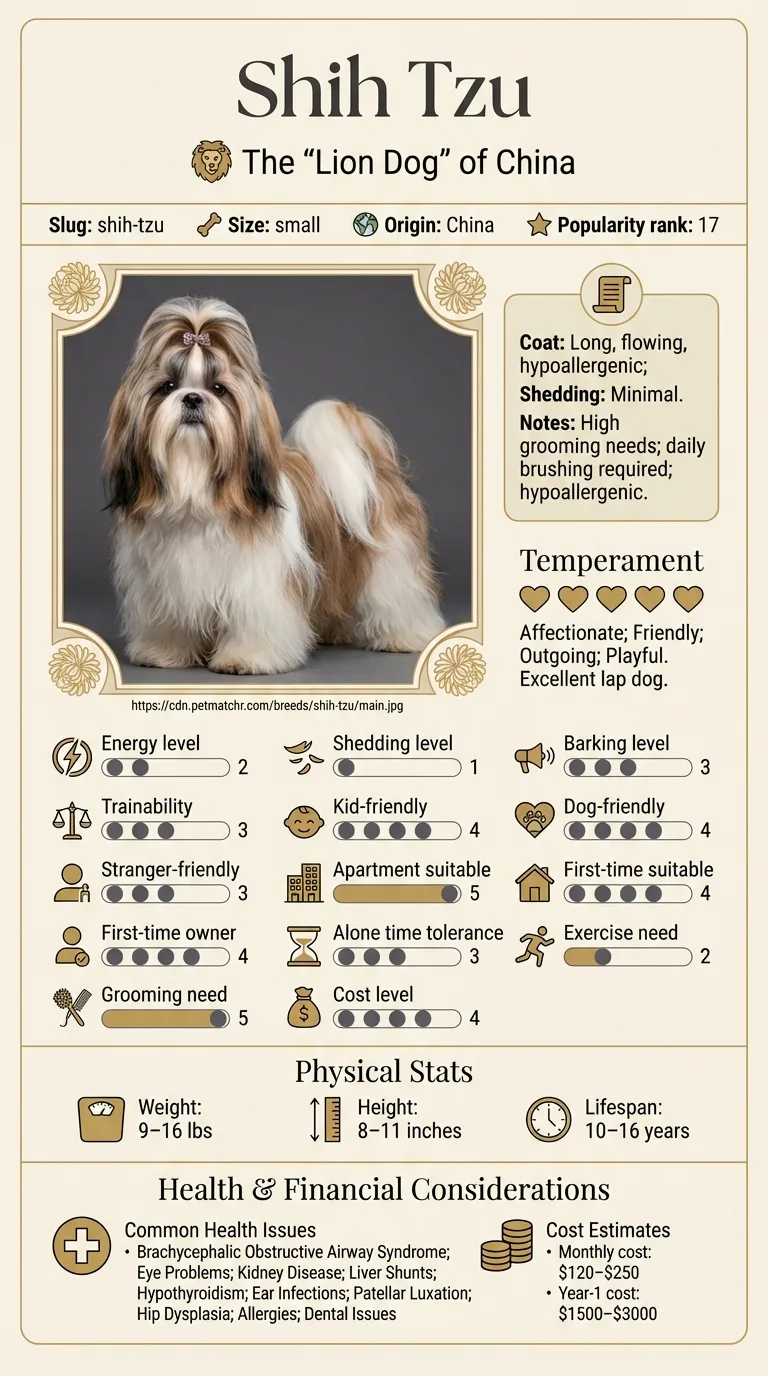
Owners of Shih Tzus, especially first-time dog parents, may find neurologic diseases particularly concerning. This issue often arises in dogs that are aging or have pre-existing health conditions. Many owners struggle with finding effective training methods and care strategies to support their beloved pets.
This guide is not medical advice. If your dog shows pain, sudden behavior change, or worsening symptoms, consult a licensed veterinarian.
Some links may be affiliate links. We may earn a commission at no extra cost to you. We only suggest products we believe are helpful for dog owners.
We research and check what we publish, but we do not warrant that any figure, date, price, or statement is accurate, complete, or current, and we accept no liability for any loss, cost, injury, or other harm arising from the use of this site. Use it as one reference among several. You remain responsible for your own decisions and for your dog's care - confirm anything that matters with a licensed veterinarian or another qualified professional before you act on it. Full disclaimer.
Check this first
Recognizing when Shih Tzu neurologic disease is an emergency can be crucial for your pet's health. There are specific signs that indicate a need for immediate veterinary attention. If your Shih Tzu exhibits severe symptoms such as uncontrollable seizures, sudden paralysis, or loss of consciousness, call your vet right away. These are red flags that require prompt intervention.
Less severe symptoms, such as mild tremors or occasional disorientation, can often be monitored at home. If your dog shows these signs but is still responsive and eating, you might choose to wait and observe for a day or two. It's important to have a plan in place, including keeping a log of the symptoms and any changes in behavior, to share with your vet later.
In summary, if your Shih Tzu has a sudden change in behavior that seems alarming, don't hesitate to seek help. However, if the symptoms are mild and manageable, a watchful waiting approach may be appropriate. Always trust your instincts as a pet owner.
If any of these apply, call your vet or an emergency clinic now. The rest of this page is for the cases that are not an emergency.
Shih Tzu neurologic disease is a troubling condition that affects many dogs of this breed. Owners may notice symptoms such as seizures, disorientation, and changes in behavior. These issues can arise suddenly, making daily life challenging for both the dog and the owner.
Neurologic disease is relatively common among Shih Tzus, with studies indicating a 291% higher risk compared to other breeds. This increased susceptibility means that many Shih Tzus may experience some form of neurologic issue during their lives.
Shih Tzus are prone to certain genetic conditions that can lead to neurologic diseases. Their small size and brachycephalic nature sometimes contribute to issues with brain and nerve function. Additionally, as a breed, they can inherit weaknesses that affect their neurological health.
Environmental factors such as poor diet, lack of exercise, and exposure to toxins can also trigger neurologic issues in Shih Tzus. Stressful situations, like frequent changes in their living environment, can exacerbate these problems. Furthermore, inadequate mental stimulation can lead to behavioral changes that mimic neurologic disease.
If you notice persistent symptoms like seizures, disorientation, or changes in appetite or energy levels, it's time to consult your vet. Early intervention can help manage any underlying issues related to Shih Tzu neurologic disease.
Avoid these common mistakes that can worsen your Shih Tzu's neurologic disease. By making small changes, you can help your furry friend feel better.
Start here: Shih Tzu Most Common Genetic Disorders: What to Screen For
See all Shih TZU health problems, which breeds are prone to neurologic disease, or the full Shih TZU breed guide for temperament, exercise needs and ownership costs.
Managing Shih Tzu neurologic disease typically takes several weeks to months. Consistent care and veterinary follow-up are essential for noticeable improvement.
Success looks like a Shih Tzu that shows reduced symptoms and improved behavior. Owners should see their pet becoming more comfortable and engaged in daily activities.
Ella, a first-time Shih Tzu owner, noticed her dog Max having unusual tremors and difficulty standing. Worried, she consulted a vet who diagnosed him with a neurologic disease. Ella learned that regular training and medication could help manage his condition. She dedicated time each day to training sessions and followed the vet’s advice on lifestyle changes. After a few months, Max showed significant improvement. He was more stable on his feet and eager to play again, reminding Ella why she loved him so much.
Key takeaway: With the right support and commitment, managing Shih Tzu neurologic disease is possible. Regular training and veterinary care can lead to a happier, healthier pet.
Neurologic disease in Shih Tzus can be caused by genetic factors, infections, or even environmental influences. It's essential to consult a vet if you notice any concerning symptoms. They can provide a diagnosis and suggest appropriate treatment options.
While some neurologic diseases can't be fully prevented, early intervention can help manage symptoms. Regular vet check-ups and a healthy lifestyle can reduce risks. Adhering to prescribed treatments and medications is also vital.
Common signs include unusual behavior, difficulty walking, seizures, or changes in appetite. If you notice any of these symptoms, it’s crucial to consult your veterinarian immediately. Timely treatment can significantly improve your dog's quality of life.
Training can help reinforce positive behaviors, aiding your Shih Tzu in coping with neurologic issues. Engaging in gentle, consistent training can also provide mental stimulation. Always work with a trainer familiar with neurologic conditions for the best results.
At home, create a safe, calm environment for your Shih Tzu. Monitor their activities closely and provide consistent routines. Consider using supportive products, like padded beds, to help them feel secure.
Yes, some neurologic diseases can be hereditary in Shih Tzus. If you have concerns about your dog's family history, discussing these with your vet can help assess any risks and possible genetic testing options.
Supporting a Shih Tzu with neurologic disease includes creating a safe, calm environment. Regular vet visits and following their recommendations for medication or therapy can also aid in managing your dog's condition.
You should take your Shih Tzu to the vet immediately if you notice any sudden behavior changes, seizures, or coordination problems. Early intervention can significantly improve outcomes for neurologic diseases.
Training a Shih Tzu with neurologic disease may require patience and flexibility. Positive reinforcement methods are often most effective, and working with a professional trainer experienced with special needs dogs can be beneficial.
Monitor your dog's behavior closely and maintain a consistent routine. Regular vet visits and following prescribed treatments are essential for managing symptoms.
Treatment costs can vary widely but expect to spend between $120 to $250 monthly, depending on the severity of the condition and required medications.
Use positive reinforcement techniques to encourage good behavior. Keep training sessions short and engaging to avoid overwhelming your dog.
A one-page prep sheet for this condition: the signs, the questions to ask, what to get priced. Unlocks here.
You get: Vet visit prep sheet
No spam. One-click unsubscribe. See our privacy policy.
Preview page 1 before you decide.