Behavior
What are quick tips for managing myotonia congenita in Shih Tzus?
Focus on regular, low-impact exercise and maintain a healthy diet. Always consult your vet for personalized advice.

Quick answer
What are quick tips for managing myotonia congenita in Shih Tzus?
Focus on regular, low-impact exercise and maintain a healthy diet. Always consult your vet for personalized advice.
Shih Tzu myotonia congenita causes muscle stiffness that can affect your dog's mobility.
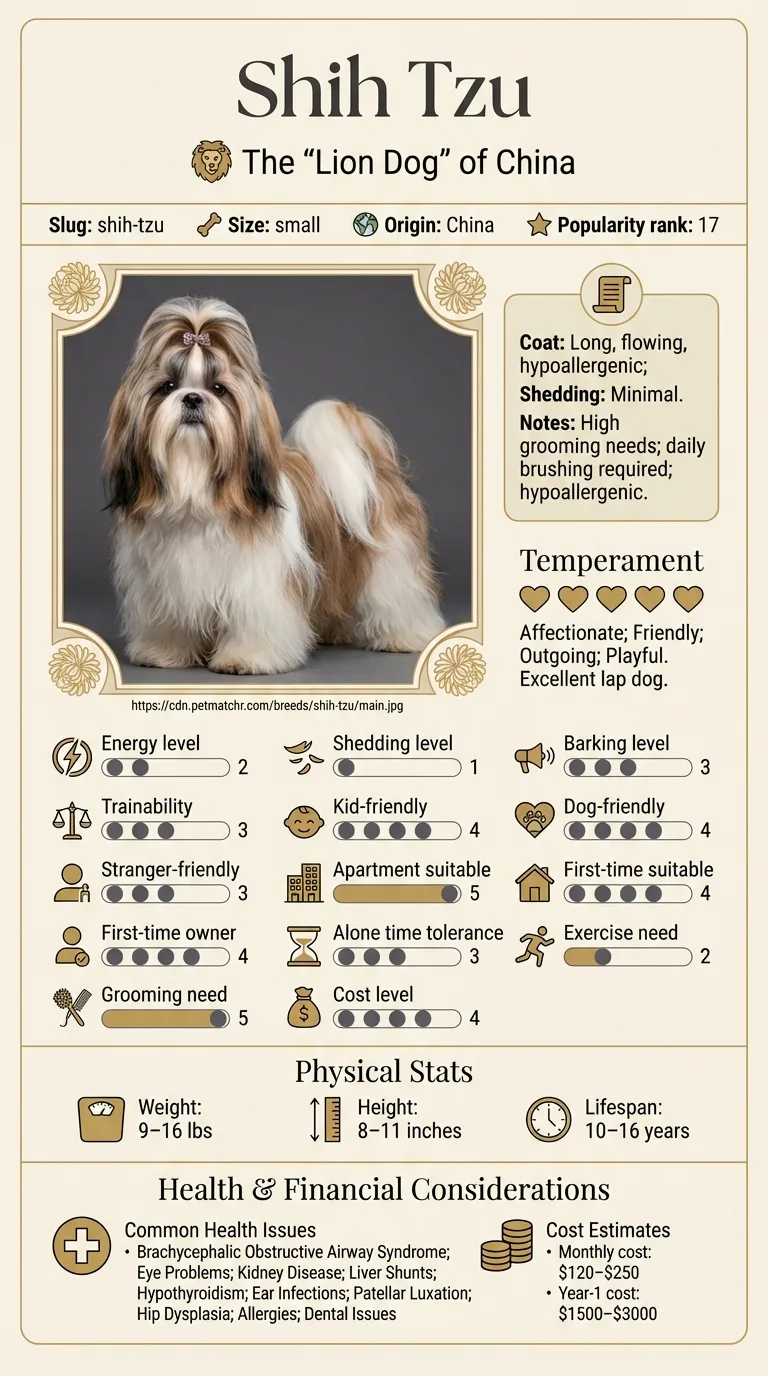
Many Shih Tzu owners face this issue, particularly those who notice their dogs experiencing stiffness after rest or during play. First-time dog owners may feel overwhelmed and unsure about how to help their furry companions.
This guide is not medical advice. If your dog shows pain, sudden behavior change, or worsening symptoms, consult a licensed veterinarian.
Some links may be affiliate links. We may earn a commission at no extra cost to you. We only suggest products we believe are helpful for dog owners.
We research and check what we publish, but we do not warrant that any figure, date, price, or statement is accurate, complete, or current, and we accept no liability for any loss, cost, injury, or other harm arising from the use of this site. Use it as one reference among several. You remain responsible for your own decisions and for your dog's care - confirm anything that matters with a licensed veterinarian or another qualified professional before you act on it. Full disclaimer.
Check this first
Red-flag signs that mean you should call your vet now include severe muscle stiffness that doesn't seem to improve, difficulty breathing, or if your Shih Tzu collapses or seems unresponsive. Immediate attention is also necessary if your dog is in visible pain or shows signs of distress. These symptoms could indicate a serious underlying issue that requires urgent medical intervention.
On the other hand, mild cases of Shih Tzu myotonia congenita can often be monitored with a plan. If your dog experiences occasional mild stiffness after exercise but returns to normal within a few minutes, it may not require immediate vet attention. You can keep a close eye on their activity levels and adjust their exercise routine as needed. Keeping a journal to track these episodes can help you identify patterns and communicate effectively with your vet.
If you notice that your Shih Tzu’s muscle stiffness is consistent but not severe, you might discuss management strategies with your vet during a routine checkup. This could include training techniques and lifestyle adjustments to help your dog cope better with their condition. Always remember, when in doubt, it’s better to err on the side of caution and consult your vet.
If any of these apply, call your vet or an emergency clinic now. The rest of this page is for the cases that are not an emergency.
Shih Tzu myotonia congenita is a condition characterized by muscle stiffness. This means your Shih Tzu may have difficulty relaxing their muscles after using them, which can lead to unusual movements or stiffness, especially after play or exercise. Over time, this can affect their mobility and overall quality of life.
Myotonia congenita is relatively uncommon in Shih Tzus, but it can occur. It's important for owners to be aware of this condition, as recognizing the signs early can help in managing the symptoms effectively.
Shih Tzus can inherit myotonia congenita, a genetic condition that causes muscle stiffness. This breed is particularly prone to this issue due to their specific muscle structure. If your Shih Tzu has a family history of this condition, they are more likely to show symptoms.
In addition to genetic factors, environmental stressors can exacerbate symptoms of myotonia congenita. Factors like extreme temperatures, lack of exercise, or high-stress situations can lead to increased muscle stiffness. Monitoring your dog's environment is crucial to managing their condition.
If you notice increased muscle stiffness or changes in your dog's mobility, it's important to consult your veterinarian. They can assess your Shih Tzu's condition and recommend appropriate treatments or medications to manage symptoms effectively.
Avoiding these common mistakes can help your Shih Tzu with myotonia congenita. Here are some behaviors that might unintentionally reinforce the problem or delay improvement.
Start here: Shih Tzu Most Common Genetic Disorders: What to Screen For
See all Shih TZU health problems, which breeds are prone to myotonia congenita, or the full Shih TZU breed guide for temperament, exercise needs and ownership costs.
You may start to see improvements in your Shih Tzu's myotonia congenita within a few weeks of consistent care and follow-up with your vet.
Success means your Shih Tzu can move more comfortably and enjoy daily activities, with reduced muscle stiffness and improved overall mobility.
Linda adopted Max, a playful Shih Tzu, who struggled with myotonia congenita. At first, Max's muscle stiffness made it hard for him to play and even walk. Linda learned about specific exercises and training techniques that could help. She started a daily routine of gentle stretches and short play sessions, slowly building Max's confidence and mobility. After a few weeks, Max was able to join her on longer walks and even chase after his favorite toys with less stiffness. Linda was thrilled to see him happier and more active, proving that with patience and the right approach, improvements were possible.
Key takeaway: Consistency in training and care can lead to significant improvements in managing Shih Tzu myotonia congenita.
Common symptoms include muscle stiffness, especially after rest, and difficulty in initiating movement. You may also notice your Shih Tzu having trouble with activities like jumping or climbing stairs.
To manage Shih Tzu myotonia congenita, focus on gentle exercise and regular vet check-ups. Training that promotes flexibility and strength can also help your dog feel more comfortable.
Yes, positive reinforcement training works best for Shih Tzus. Incorporate short, fun sessions that encourage movement without overexertion to keep your dog engaged.
If your Shih Tzu shows persistent muscle stiffness or difficulty moving, it's important to see a vet. Early intervention can lead to better management of the condition.
While myotonia congenita can vary in severity, it's important to monitor your Shih Tzu's condition. Regular vet visits can help assess any changes and adapt care plans.
Many Shih Tzus with myotonia congenita can live happy, fulfilling lives with proper management. This includes consistent veterinary care, a balanced diet, and moderate exercise.
For older dogs, gentle stretching exercises and a warm-up routine can be beneficial. Always consult your vet for tailored advice and to ensure the exercises are safe for your dog's condition.
If your Shih Tzu's symptoms worsen or if they seem to be in pain, it’s important to visit the vet. Regular check-ups can help monitor their condition and adjust any necessary treatments.
While myotonia congenita can be challenging, many Shih Tzus lead happy lives with appropriate care. It's essential to provide a supportive environment and work closely with your vet on management strategies.
While there's no specific diet for myotonia congenita, a balanced diet that supports overall health is crucial. Consult your vet for dietary recommendations that suit your Shih Tzu's unique needs.
Focus on regular, low-impact exercise and maintain a healthy diet. Always consult your vet for personalized advice.
Typically, myotonia congenita is not painful, but discomfort can occur if muscle stiffness limits mobility. Observing your dog for signs of distress is key.
Create a comfortable, warm environment and provide soft bedding. Gentle massages may also help relieve stiffness.
Consider their grooming needs, potential health issues, and your lifestyle. Shih Tzus require regular grooming and moderate exercise.
While there's no specific diet for myotonia congenita, a balanced diet supports overall health. Always consult your vet for dietary recommendations.
A one-page prep sheet for this condition: the signs, the questions to ask, what to get priced. Unlocks here.
You get: Vet visit prep sheet
No spam. One-click unsubscribe. See our privacy policy.
Preview page 1 before you decide.