Behavior
What are quick tips for managing Shih Tzu genetic load?
Focus on regular vet visits, a healthy diet, and consistent exercise to manage your Shih Tzu's health. Training can also help mitigate behavioral issues related to genetic load.

Quick answer
What are quick tips for managing Shih Tzu genetic load?
Focus on regular vet visits, a healthy diet, and consistent exercise to manage your Shih Tzu's health. Training can also help mitigate behavioral issues related to genetic load.
Shih Tzu genetic load refers to the collection of harmful genetic variants that can affect your dog's health.
Many Shih Tzu owners face challenges related to genetic load, especially those who may not be aware of their dog's hereditary health issues. First-time dog owners or busy families may find it particularly hard to navigate these complexities.
This guide is not medical advice. If your dog shows pain, sudden behavior change, or worsening symptoms, consult a licensed veterinarian.
Some links may be affiliate links. We may earn a commission at no extra cost to you. We only suggest products we believe are helpful for dog owners.
We research and check what we publish, but we do not warrant that any figure, date, price, or statement is accurate, complete, or current, and we accept no liability for any loss, cost, injury, or other harm arising from the use of this site. Use it as one reference among several. You remain responsible for your own decisions and for your dog's care - confirm anything that matters with a licensed veterinarian or another qualified professional before you act on it. Full disclaimer.
Check this first
Recognizing when your Shih Tzu's genetic load presents an emergency is crucial for their health. If you notice severe symptoms such as difficulty breathing, persistent vomiting, or sudden lethargy, these are red flags. These signs often indicate serious health issues that require immediate veterinary attention.
On the other hand, if your Shih Tzu is showing mild symptoms like occasional sneezing or slight changes in appetite, it may not be an urgent situation. Monitoring these symptoms with a plan is acceptable, but keep a close eye on their behavior. Regular check-ups can also help catch potential problems early before they escalate.
Here’s a quick breakdown to help you differentiate between an emergency and a situation to watch:
If any of these apply, call your vet or an emergency clinic now. The rest of this page is for the cases that are not an emergency.
Shih Tzus are known for their charming personalities, but they can also carry a significant genetic load. This refers to the presence of harmful genetic variants that can lead to various health issues. Owners may notice these problems manifesting as frequent vet visits or unexpected health crises, making it crucial to be aware of their genetic predispositions.
Genetic load issues are relatively common in Shih Tzus, given their popularity and breeding practices. Many owners report encountering health problems, particularly related to respiratory issues and eye problems, which can stem from their genetic background.
Shih Tzus are prone to a high genetic load due to their breeding history. This breed has been selectively bred for specific traits, leading to inherited health issues. Common problems include breathing difficulties, eye disorders, and joint issues, all of which stem from their genetic background.
Environmental factors also play a role in a Shih Tzu's genetic load. Poor diet, lack of exercise, and inadequate health care can exacerbate their inherited health problems. A stressful living environment can heighten anxiety, making these issues more pronounced.
If you notice signs of health issues, such as difficulty breathing, frequent eye discharge, or joint pain, consult your vet right away. Early intervention is key in managing genetic load problems.
Addressing the Shih Tzu genetic load can be tricky. Here are common mistakes that might delay improvement, along with safer alternatives.
Start here: Shih Tzu Most Common Genetic Disorders: What to Screen For
See all Shih TZU health problems, which breeds are prone to genetic load, or the full Shih TZU breed guide for temperament, exercise needs and ownership costs.
Expect to see gradual improvements in behavior and overall health within 6 to 12 months as you implement care strategies and follow-up with your vet.
Success means your Shih Tzu shows reduced signs of distress and improved health markers, with a more stable temperament and better coping skills.
Maria, a first-time dog owner, adopted Max, a lively Shih Tzu, without realizing the challenges posed by his genetic load. Initially, Max struggled with anxiety and health issues, leading to frequent vet visits and training setbacks. Maria learned to work closely with a vet and a trainer, focusing on consistent routines and gentle training techniques. Over time, she noticed Max becoming more relaxed and responsive, showcasing the importance of patience and informed care.
Key takeaway: Understanding and addressing your Shih Tzu's genetic load can lead to significant improvements in behavior and well-being, but it requires commitment and the right support.
Shih Tzus can have a high genetic load due to selective breeding practices that focus on appearance rather than health. This can lead to an accumulation of harmful genetic variants, which may cause various health issues. Regular vet check-ups can help you monitor your dog's health and address any concerns early.
While you cannot change your dog's genetic make-up, you can mitigate its effects by ensuring a healthy lifestyle. Regular exercise, a balanced diet, and routine veterinary care can help manage health issues associated with genetic load. Additionally, consider genetic testing to identify potential health risks.
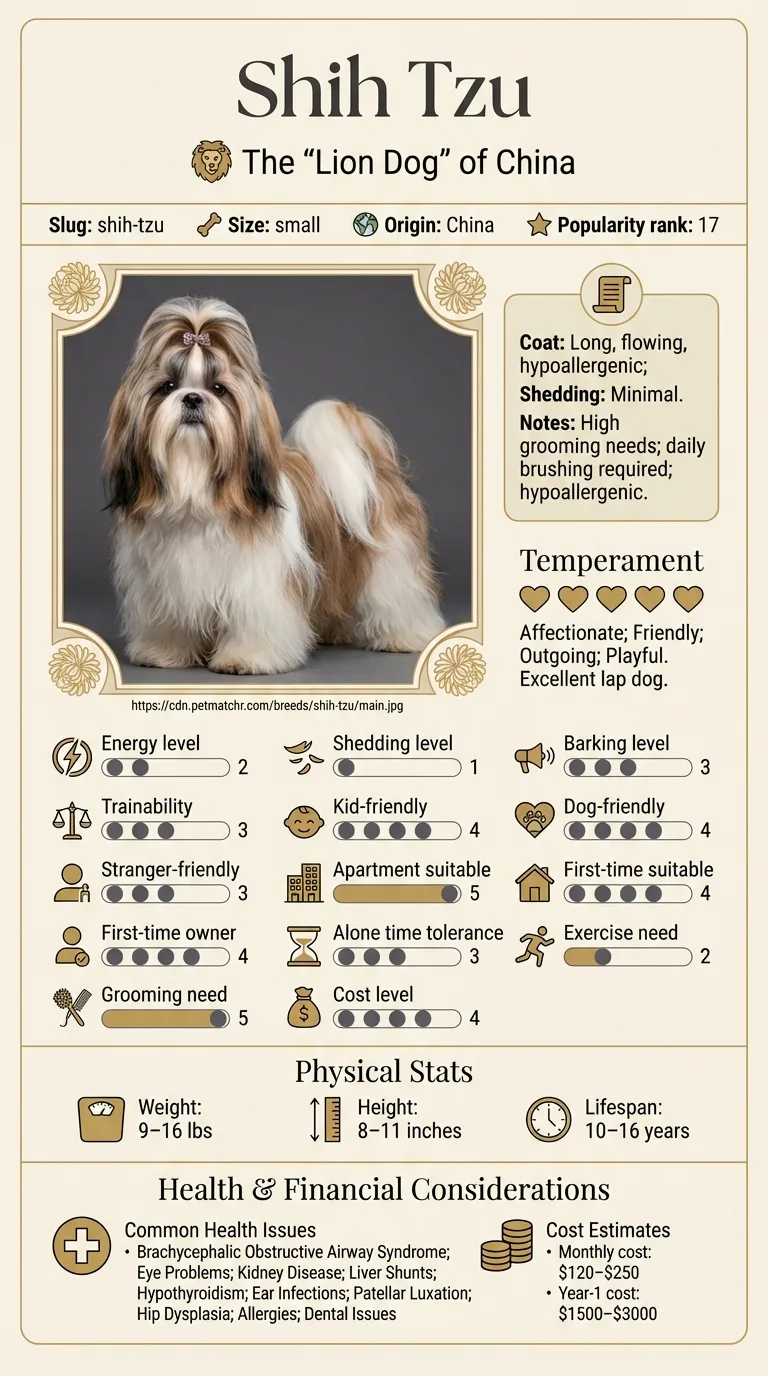
Shih Tzus with a high genetic load may face issues such as brachycephalic obstructive airway syndrome, eye problems, and kidney disease. Being aware of these risks allows you to seek preventive care and monitor symptoms closely. Early intervention can significantly improve your dog's quality of life.
To address problems stemming from genetic load, focus on preventive care. This includes regular vet check-ups, vaccinations, and a proper diet. Training your Shih Tzu to manage stress and anxiety can also help reduce behavioral issues linked to genetic predispositions.
Yes, training can be very effective for Shih Tzus facing genetic load issues. Behavioral training can help manage anxiety and improve overall well-being. Consistency and positive reinforcement are key to successful training outcomes.
Common signs include persistent health issues like breathing problems, eye conditions, and unusual behaviors. If your Shih Tzu frequently seems lethargic or struggles with routine activities, it's worth consulting a vet.
Genetic load can potentially shorten a Shih Tzu's lifespan due to inherited health issues. While many live healthy lives, being aware of their genetic predispositions can help you provide better care.
Yes! Many Shih Tzus with genetic loads can thrive with proper care, training, and regular vet visits. Focus on a healthy diet, exercise, and addressing any health concerns early.
Genetic testing can provide valuable insights into potential health risks and help guide your care. It’s especially beneficial for breeding decisions or if you notice persistent health issues.
Regular vet check-ups, a balanced diet, and appropriate exercise can help mitigate some risks associated with genetic load. Also, stay informed about common health issues in Shih Tzus to catch problems early.
Focus on regular vet visits, a healthy diet, and consistent exercise to manage your Shih Tzu's health. Training can also help mitigate behavioral issues related to genetic load.
Provide high-quality dog food that meets your Shih Tzu's nutritional needs. Talk to your vet about any specific dietary requirements based on their health status.
You can expect to spend between $120 to $250 monthly on care, including food, grooming, and vet visits. Budgeting for potential health issues is also wise.
A one-page prep sheet for this condition: the signs, the questions to ask, what to get priced. Unlocks here.
You get: Vet visit prep sheet
No spam. One-click unsubscribe. See our privacy policy.
Preview page 1 before you decide.