Behavior
What are quick tips for preventing Shih Tzu gastric dilatation-volvulus (gdv/bloat)?
Feed smaller meals more frequently, avoid exercise after eating, and consider a slow feeder to prevent rapid eating.
Shih Tzu gastric dilatation-volvulus (GDV/bloat) is a serious and potentially life-threatening condition that can affect your dog’s health rapidly.
New and experienced Shih Tzu owners alike can face this challenge, especially if they’ve noticed their dog showing signs of discomfort after eating or drinking. Owners who are unaware of the risks may be particularly vulnerable, as GDV can develop suddenly and without warning.
This guide is not medical advice. If your dog shows pain, sudden behavior change, or worsening symptoms, consult a licensed veterinarian.
Some links may be affiliate links. We may earn a commission at no extra cost to you. We only suggest products we believe are helpful for dog owners.
Shih Tzu gastric dilatation-volvulus (gdv/bloat) is a serious and often life-threatening condition where the stomach fills with gas and twists. This can lead to severe pain and can rapidly escalate into a medical emergency. Common signs include a swollen abdomen, excessive drooling, restlessness, and attempts to vomit without success.
While gastric dilatation-volvulus is more common in larger breeds, small breeds like Shih Tzus can also be affected. It's not the most frequent health issue for Shih Tzus, but awareness is crucial as it can happen unexpectedly.
Shih Tzus are small dogs with unique body structures. Their broad chests and short necks make them prone to gastric dilatation-volvulus (GDV), commonly known as bloat. This breed's affectionate nature often leads them to eat quickly, increasing the risk of this life-threatening condition.
Environmental factors also play a significant role in GDV. Stressful situations, such as loud noises or sudden changes in routine, can contribute to anxiety in Shih Tzus. Additionally, feeding habits, like serving large meals or exercising too soon after eating, can trigger bloat.
If your Shih Tzu is anxious or shows signs of food aggression, seeking a professional trainer can help. A trainer can provide strategies for managing anxiety and improving meal-time behavior, which can reduce the risk of GDV.
Talk to your vet if your Shih Tzu frequently experiences bloating or if you notice any unusual symptoms. GDV is a medical emergency, so if your dog shows signs like a swollen stomach or lethargy, contact your vet immediately.
If you're proactive, it may take 1-3 months to train your Shih Tzu to reduce the risk of GDV. Regular vet check-ups and monitoring are essential.
Success means your Shih Tzu shows signs of improved eating habits, reduced anxiety during meals, and a lower risk of experiencing bloat.
Many owners unintentionally worsen the risk of Shih Tzu gastric dilatation-volvulus (gdv/bloat). Avoid these common mistakes to better support your furry friend.
Recognizing when your Shih Tzu's gastric dilatation-volvulus (GDV/bloat) is an emergency is crucial. This condition can escalate rapidly, so it’s important to know the red flags. If you notice any of the following symptoms, call your vet immediately:
- Swollen abdomen that feels hard to the touch - Unproductive attempts to vomit - Excessive drooling or restlessness - Rapid or shallow breathing - Signs of pain, such as whining or pacing
These symptoms indicate that your dog may be experiencing a life-threatening situation that requires urgent medical attention.
On the other hand, there are milder cases of GDV/bloat that can be monitored. If your Shih Tzu shows slight signs of discomfort, but is still able to drink water and is not lethargic, you may watch and wait. Here are some signs to keep an eye on:
- Mild swelling of the stomach - Occasional burping or retching without distress - A temporary decrease in appetite or energy
In these situations, it's still wise to consult your vet for advice on how to proceed. Monitoring your dog closely is key, as things can change quickly. Always err on the side of caution, as early intervention can save your Shih Tzu’s life.
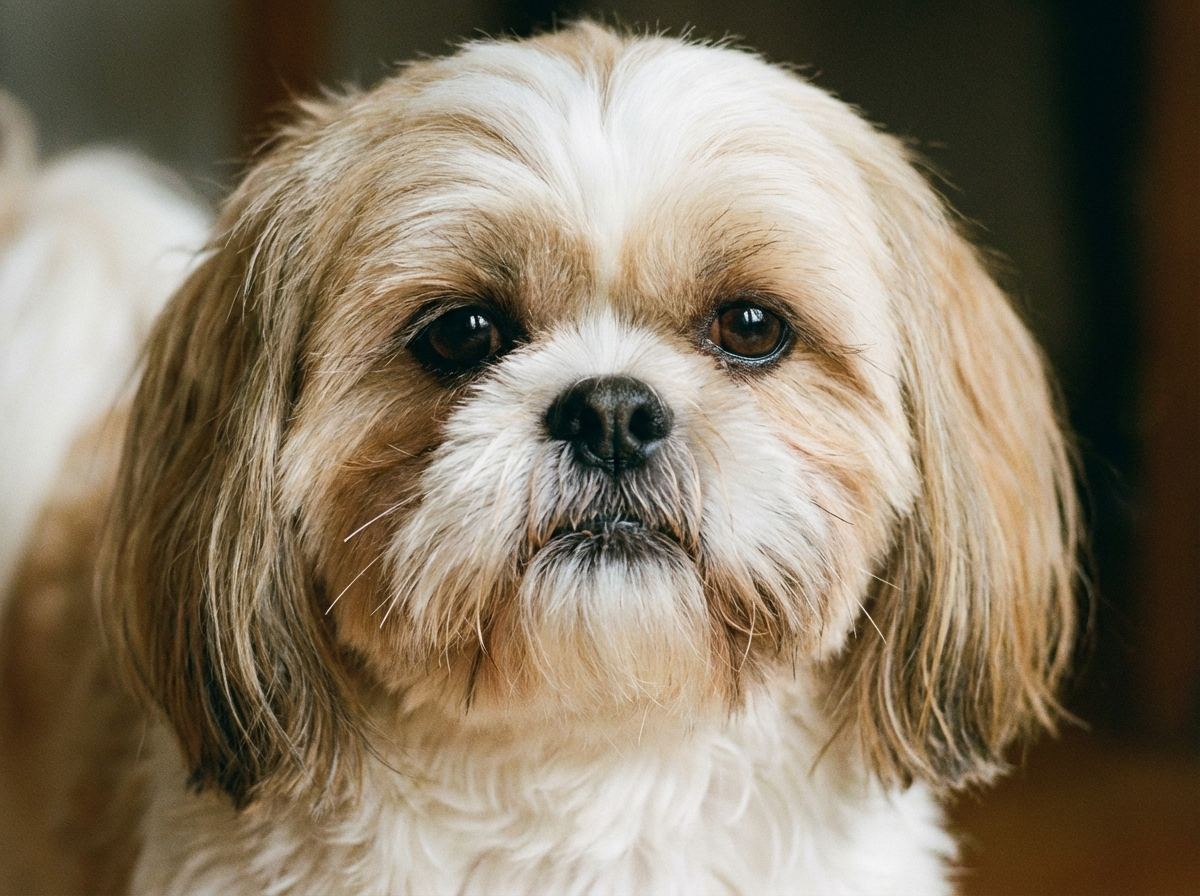
When the Johnson family adopted Bella, their energetic Shih Tzu, they were unprepared for her episodes of bloat. After a frightening visit to the vet, they learned about the dangers of GDV. They started feeding Bella smaller meals and spaced them out throughout the day. They also incorporated calm training during mealtime to reduce her excitement. Gradually, Bella became more relaxed, and her bloat episodes decreased significantly. The family felt relieved and more confident.
Key takeaway: Being proactive with feeding habits and training can greatly minimize the risk of Shih Tzu gastric dilatation-volvulus (GDV/bloat).
Shih Tzu gastric dilatation-volvulus (gdv/bloat) is a serious and life-threatening condition where the stomach fills with gas and twists on itself. This can cut off blood supply and lead to shock or death if not treated quickly.
GDV can occur due to various factors, including rapid eating, stress, or genetics. Some breeds, like the Shih Tzu, are more prone to this condition due to their physical structure.
To help prevent gdv/bloat, feed your Shih Tzu smaller, more frequent meals instead of one large meal. Avoid vigorous exercise right after eating and consider using a slow feeder to reduce the speed of eating.
Signs of gdv/bloat include a distended abdomen, retching without vomiting, excessive drooling, restlessness, or signs of pain. If you notice these symptoms, seek emergency veterinary care immediately.
Yes, gdv/bloat requires immediate treatment, typically involving surgery to untwist the stomach and stabilize the dog. Early intervention is crucial for a positive outcome.
Feeding a balanced, high-quality diet with smaller portions may help. Consult your veterinarian for specific dietary recommendations tailored to your Shih Tzu's needs.
Common signs of GDV in Shih Tzus include a swollen abdomen, unproductive retching, excessive drooling, and signs of distress. If your dog shows these symptoms, it's crucial to seek immediate veterinary care.
Yes, older Shih Tzus may be at a higher risk for GDV due to age-related factors. It's important to monitor their eating habits and overall health closely, as early intervention can be lifesaving.
GDV can occur due to several factors, including rapid eating, stress, or a genetic predisposition. For some dogs, certain physical characteristics, like a deep chest, can also increase the risk.
To help prevent GDV, feed your Shih Tzu smaller, more frequent meals rather than one large meal. Encourage them to eat slowly by using puzzle feeders or placing a ball in their food bowl to slow them down.
If you notice any signs of GDV, such as a swollen belly or distress, take your Shih Tzu to the vet immediately. Even if symptoms seem mild, it's better to err on the side of caution with this life-threatening condition.
Feed smaller meals more frequently, avoid exercise after eating, and consider a slow feeder to prevent rapid eating.
It's critical to seek immediate veterinary care if you suspect gdv/bloat, as it can be fatal within hours.
Yes, stress and anxiety can contribute to the onset of gdv/bloat, so managing your Shih Tzu's anxiety is important.
Common symptoms include a swollen abdomen, unproductive retching, drooling, and signs of distress.