Behavior
What are quick tips for Shih Tzu eye disorders?
Regularly clean your Shih Tzu's eyes with a damp cloth and ensure a dust-free environment to reduce irritation.

Quick answer
What are quick tips for Shih Tzu eye disorders?
Regularly clean your Shih Tzu's eyes with a damp cloth and ensure a dust-free environment to reduce irritation.
Shih Tzu eye disorders can lead to serious health issues if not addressed promptly. Understanding these disorders is crucial for your pet's well-being.
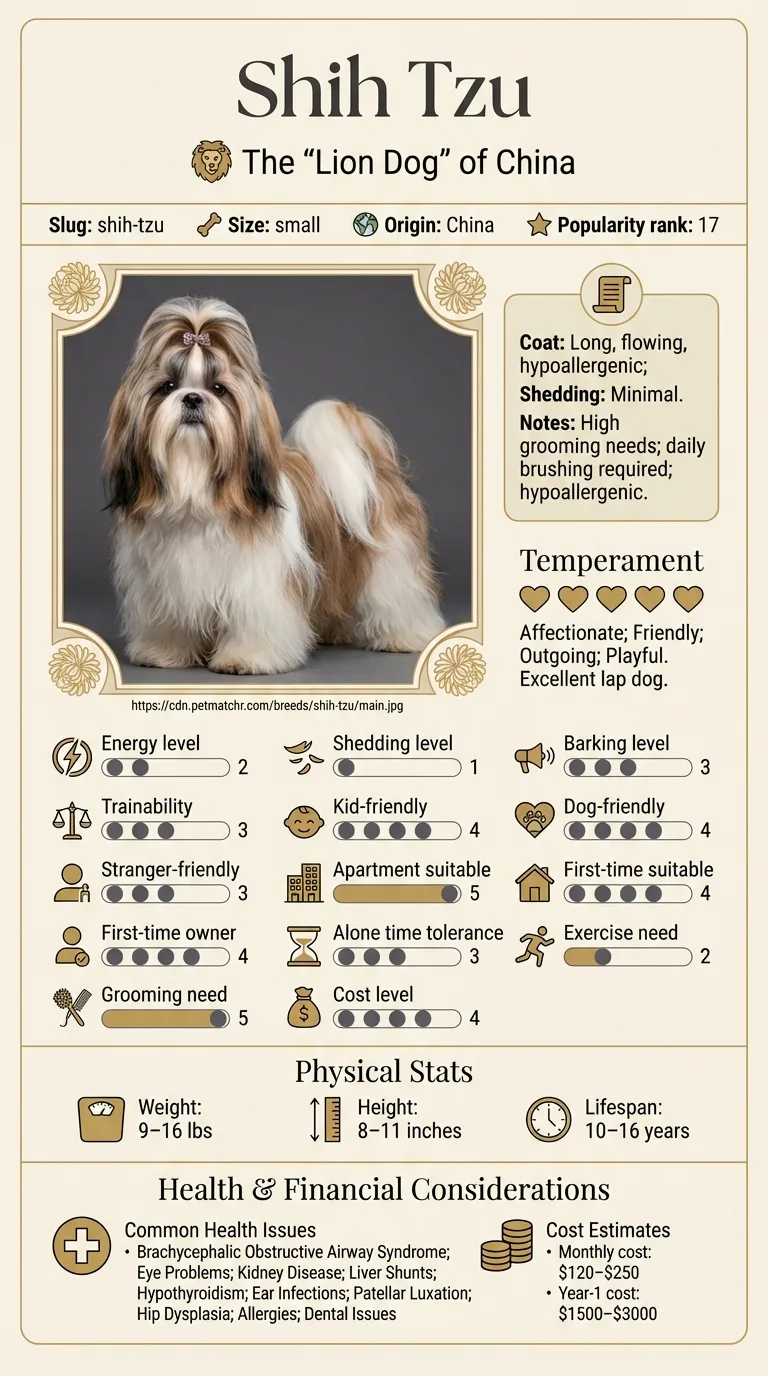
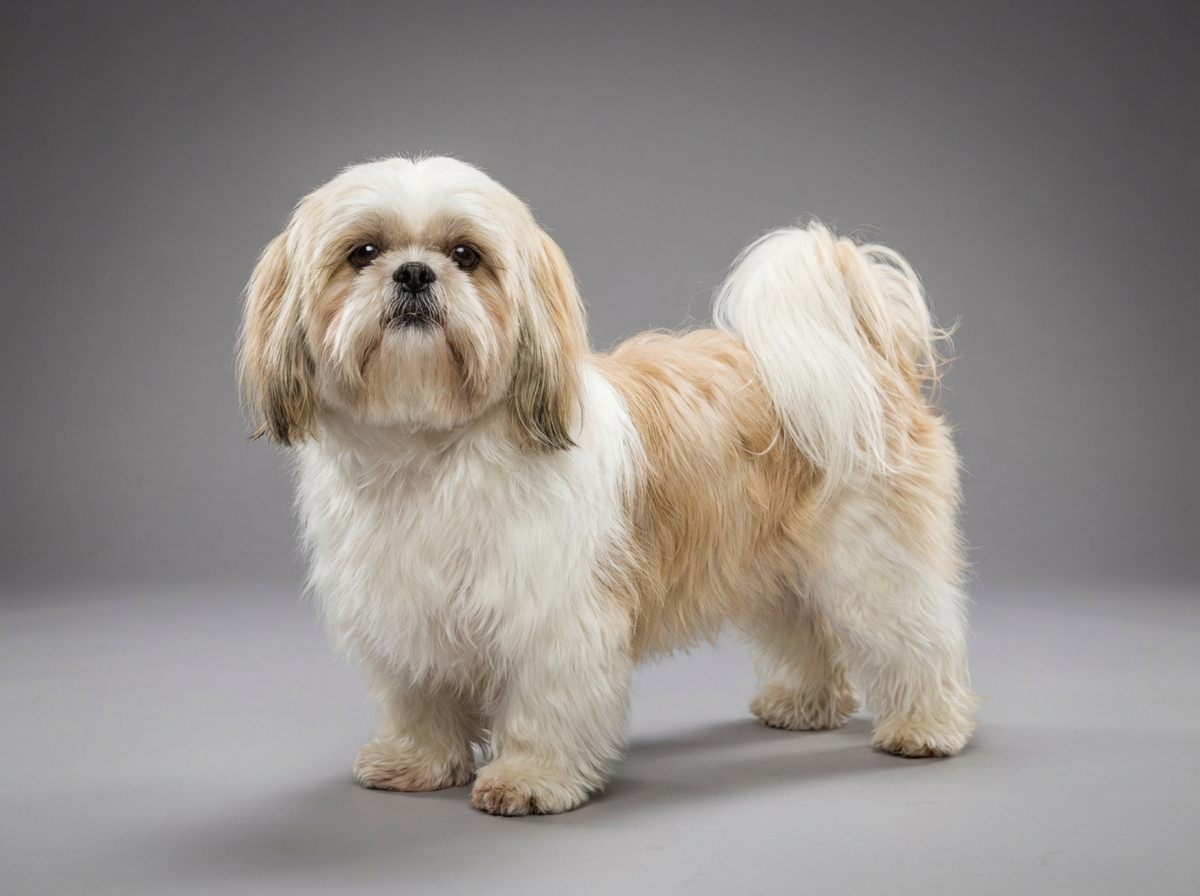
Typically, owners of Shih Tzus may face challenges with eye disorders due to the breed's unique facial structure. First-time dog owners or those unfamiliar with Shih Tzu care may feel overwhelmed by the grooming and health monitoring required to prevent these issues.
This guide is not medical advice. If your dog shows pain, sudden behavior change, or worsening symptoms, consult a licensed veterinarian.
Some links may be affiliate links. We may earn a commission at no extra cost to you. We only suggest products we believe are helpful for dog owners.
We research and check what we publish, but we do not warrant that any figure, date, price, or statement is accurate, complete, or current, and we accept no liability for any loss, cost, injury, or other harm arising from the use of this site. Use it as one reference among several. You remain responsible for your own decisions and for your dog's care - confirm anything that matters with a licensed veterinarian or another qualified professional before you act on it. Full disclaimer.
Check this first
It's crucial to know when your Shih Tzu's eye disorders require immediate veterinary attention. Some symptoms signify serious issues that could lead to permanent damage if not treated right away. Look for these red-flag signs: persistent squinting, excessive tearing, visible redness or swelling, and sudden changes in vision. If your pet shows any of these symptoms, don't hesitate—call your vet immediately.
On the other hand, there are mild cases you can monitor with a plan. If your Shih Tzu has minor eye discharge, occasional squinting, or slight redness, these may not indicate an emergency. Keep track of these symptoms and note any changes. In such cases, ensure your dog is comfortable and avoid irritants like dust or strong fragrances. Schedule a vet visit if symptoms persist for more than a day or worsen over time.
Remember, timely intervention can prevent complications. If you're ever in doubt, it's better to err on the side of caution and consult your veterinarian.
If any of these apply, call your vet or an emergency clinic now. The rest of this page is for the cases that are not an emergency.
Shih Tzu eye disorders are common and can manifest in various ways, including cataracts, eyelid issues, and corneal ulcers. Daily life with a Shih Tzu experiencing eye problems can be concerning. You may notice excessive tearing, squinting, or redness, all of which can be distressing for both the dog and owner.
Eye disorders are notably prevalent in Shih Tzus, often affecting them as they age. Many owners report encountering these issues, making it essential to be aware of the signs and seek veterinary advice promptly.
Shih Tzus are prone to several eye disorders due to their unique facial structure. Their short snouts can lead to conditions like corneal ulcers and eyelid disorders. Additionally, their long hair can irritate their eyes if not properly groomed.
Environmental factors also play a role in eye disorders. Dust, allergens, and irritants in the home can worsen eye conditions. Furthermore, inadequate grooming can lead to tear staining and infection, affecting their eye health.
Consult your veterinarian if your Shih Tzu experiences persistent tearing, redness, or swelling. These could be symptoms of more serious conditions that require medical intervention, such as cataracts or infections.
Here are some common mistakes owners make that can worsen Shih Tzu eye disorders, along with safer alternatives.
Start here: Shih Tzu Most Common Genetic Disorders: What to Screen For
See all Shih TZU health problems, which breeds are prone to eye disorders, or the full Shih TZU breed guide for temperament, exercise needs and ownership costs.
Expect to see improvements in your Shih Tzu's eye health within 4 to 6 weeks of consistent care and treatment.
Success means your Shih Tzu will show fewer signs of discomfort, have clearer eyes, and enjoy a better quality of life.
Meet Sarah, a loving owner of a Shih Tzu named Bella. Bella had been struggling with frequent eye issues, including watering and redness. After consulting a vet, Sarah learned that regular eye drops and daily cleaning could help. With dedication, she followed a care routine, which included wiping Bella's eyes and giving her the prescribed medication. Within a month, Bella's eyes looked healthier, and she seemed much happier.
Key takeaway: Consistency in care and following veterinary advice can dramatically improve your Shih Tzu's eye health.
Shih Tzus are prone to various eye disorders due to their unique facial structure. Common issues include cataracts, eyelid disorders, and corneal ulcers. Regular vet check-ups can help catch these problems early.
To prevent eye disorders in your Shih Tzu, ensure regular grooming and eye cleaning to remove debris. Additionally, keep their environment free from irritants and consult a vet for any unusual symptoms.
Common signs of eye disorders in Shih Tzus include excessive tearing, redness, squinting, and discharge from the eyes. You might also notice cloudiness or a change in the appearance of their eyes. If you see these symptoms, it's essential to consult your vet promptly.
While training can help with overall behavior, addressing eye disorders typically requires medical attention. However, training your dog to tolerate eye cleaning can make maintenance easier.
Shih Tzus should have eye exams at least once a year, or more frequently if they have a history of eye problems. Early detection can lead to better outcomes.
Yes, a balanced diet rich in antioxidants can support your Shih Tzu's overall eye health. Consult your vet for specific dietary recommendations to help prevent eye disorders.
Yes, older Shih Tzus are more prone to developing eye disorders like cataracts and glaucoma. Regular check-ups with a vet are vital as they age, to catch any potential issues early and manage them effectively.
If your Shih Tzu has eye disorders, follow your vet's recommendations for treatment and care. Keeping their eyes clean and monitoring their symptoms closely can also help. Consider using protective eyewear during outdoor activities if recommended by your vet.
If your Shih Tzu's eye condition worsens, such as increased redness or swelling, you should seek veterinary care immediately. Quick intervention can prevent further damage and improve their quality of life.
While many breeds can develop eye disorders, brachycephalic breeds like the Shih Tzu are particularly vulnerable due to their facial structure. Regular veterinary check-ups can help monitor and manage any potential issues effectively.
Regularly clean your Shih Tzu's eyes with a damp cloth and ensure a dust-free environment to reduce irritation.
Budget for regular vet visits, which can range from $100 to $300, to catch any eye issues early.
Common issues include cataracts, eyelid and eyelash disorders, and corneal ulcers.
Yes, regular eye cleaning helps prevent infections and irritation, especially in breeds with prominent eyes.
Groom your Shih Tzu at least once a week, focusing on their face and eyes to prevent buildup of debris.
A one-page prep sheet for this condition: the signs, the questions to ask, what to get priced. Unlocks here.
You get: Vet visit prep sheet
No spam. One-click unsubscribe. See our privacy policy.
Preview page 1 before you decide.