Health
What are some Shih Tzu brachycephalic airway syndrome (boas) quick tips?
Keep your Shih Tzu cool and avoid strenuous activities, especially in heat. Regular vet check-ups are essential for monitoring their health.

Quick answer
What are some Shih Tzu brachycephalic airway syndrome (boas) quick tips?
Keep your Shih Tzu cool and avoid strenuous activities, especially in heat. Regular vet check-ups are essential for monitoring their health.
Shih Tzus often struggle with a common condition called brachycephalic airway syndrome (BOAS). This problem affects their breathing, especially in heat. (Shih Tzu brachycephalic airway syndrome (boas))
Many first-time Shih Tzu owners and families may not realize their pet is at risk for BOAS. Owners living in warmer climates or those who love outdoor activities may find this issue particularly concerning.
This guide is not medical advice. If your dog shows pain, sudden behavior change, or worsening symptoms, consult a licensed veterinarian.
Some links may be affiliate links. We may earn a commission at no extra cost to you. We only suggest products we believe are helpful for dog owners.
We research and check what we publish, but we do not warrant that any figure, date, price, or statement is accurate, complete, or current, and we accept no liability for any loss, cost, injury, or other harm arising from the use of this site. Use it as one reference among several. You remain responsible for your own decisions and for your dog's care - confirm anything that matters with a licensed veterinarian or another qualified professional before you act on it. Full disclaimer.
Check this first
If your Shih Tzu shows severe symptoms, such as wheezing, gasping, or blue-tinged gums, you should call your vet immediately. These signs can mean that your dog is having a hard time breathing, which requires urgent care. Additionally, if your dog collapses, shows extreme lethargy, or struggles to get enough air, don’t wait—seek help right away.
On the other hand, if your Shih Tzu occasionally snores or seems to breathe heavily during play, these may be mild symptoms of BOAS. You can monitor these situations by keeping the environment cool and ensuring your dog isn’t overexerted. If these symptoms persist or worsen, it’s wise to consult your vet for a more thorough evaluation.
Always trust your instincts. If you feel something is off with your dog, it’s better to err on the side of caution. Keeping a watchful eye on your Shih Tzu’s breathing can help you manage BOAS effectively and ensure your furry friend stays healthy.
If any of these apply, call your vet or an emergency clinic now. The rest of this page is for the cases that are not an emergency.
Shih Tzu brachycephalic airway syndrome (boas) is a common issue that affects how these adorable dogs breathe. This condition leads to breathing difficulties, especially in hot weather or during exercise. Owners may notice their Shih Tzu snorting, wheezing, or struggling to catch their breath, which can be concerning and distressing.
Brachycephalic airway syndrome is quite common in Shih Tzus due to their flat faces and short nasal passages. Many Shih Tzus experience some level of this condition, making it essential for owners to be aware and take preventive measures.
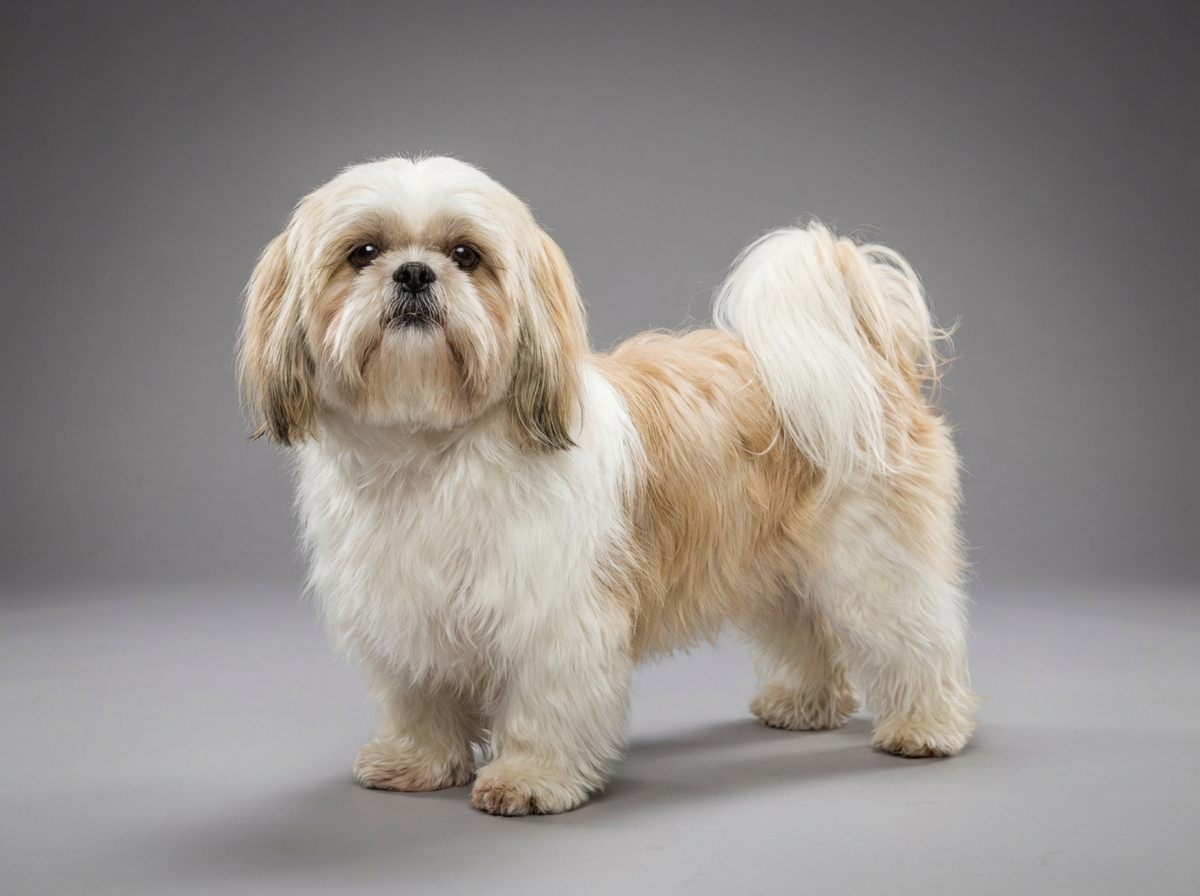
Shih Tzus are a brachycephalic breed, meaning they have short noses and flat faces. This physical structure can lead to narrower airways, making breathing more difficult. Their unique facial anatomy can cause chronic issues, especially during exercise or in hot weather.
Environmental factors can also exacerbate breathing problems. High temperatures, humidity, and physical exertion can lead to increased respiratory distress. Additionally, exposure to smoke or allergens may worsen their condition, making it essential to create a healthy living space.
It's crucial to consult a vet if you notice persistent coughing, gagging, or blue-tinged gums. These symptoms may indicate severe airway obstruction. Regular check-ups are essential to monitor their health and adjust care as needed.
Avoiding certain common mistakes can significantly help your Shih Tzu with brachycephalic airway syndrome (BOAS). Here are some behaviors to watch out for, along with safer alternatives.
Start here: Shih Tzu Most Common Genetic Disorders: What to Screen For
See all Shih TZU health problems, which breeds are prone to brachycephalic airway syndrome boas, or the full Shih TZU breed guide for temperament, exercise needs and ownership costs.
With consistent care and follow-up with your vet, you can see improvements in your Shih Tzu's breathing within 6 to 12 weeks.
Success means your Shih Tzu can breathe more easily, enjoys regular walks without distress, and shows reduced signs of anxiety.
Sarah, a first-time dog owner in Seattle, adopted Bella, a 2-year-old Shih Tzu. Bella often struggled to breathe during walks and would pant heavily, especially on warm days. Concerned for Bella's health, Sarah consulted her vet, who diagnosed her with brachycephalic airway syndrome (BOAS). With guidance, Sarah began a structured training program focused on calming techniques and gradual exposure to exercise. Over the following months, Bella's breathing improved significantly, and she became more comfortable during walks.
Key takeaway: With the right training and care, you can help your Shih Tzu manage BOAS effectively and improve their quality of life.
Shih Tzus have a unique skull structure that results in shortened airways. This anatomical feature can lead to breathing difficulties, especially during hot weather or physical activity. Being aware of these traits helps in managing their care.
While you can't completely eliminate brachycephalic airway syndrome (BOAS), you can reduce symptoms. Keep your Shih Tzu cool, avoid strenuous exercise, and consult your vet for potential surgical options if breathing issues persist.
Common signs include noisy breathing, excessive panting, and difficulty exercising. You might also notice your Shih Tzu struggling to breathe during hot weather. If you see these symptoms, it's best to consult your veterinarian.
Training can help manage your Shih Tzu's behavior but won't fix the anatomical issues causing BOAS. Focus on gentle training methods and avoid overexertion during activities to keep your dog comfortable.
If your Shih Tzu experiences a breathing episode, stay calm and remove them from the heat or stressful environment. Encourage slow, gentle breathing and contact your vet if symptoms do not improve quickly.
Yes, older Shih Tzus can develop or worsen symptoms of brachycephalic airway syndrome (boas) as their airways may become more compromised over time. Regular vet check-ups can help monitor their condition.
If your Shih Tzu is experiencing severe breathing difficulties, it's crucial to seek emergency veterinary care immediately. Delaying treatment can lead to more serious health complications.
Keep your Shih Tzu indoors in a cool environment and ensure they have access to fresh water. Limit exercise during the hottest parts of the day and consider using a cooling mat to help them stay comfortable.
In some cases, surgery may be recommended to correct anatomical issues causing breathing difficulties. Discuss options with your vet to determine the best course of action for your pet's specific needs.
Keep your Shih Tzu cool and avoid strenuous activities, especially in heat. Regular vet check-ups are essential for monitoring their health.
Ensure your Shih Tzu maintains a healthy weight and avoid exposure to extreme heat. Certain surgical options may be available to help improve airway function.
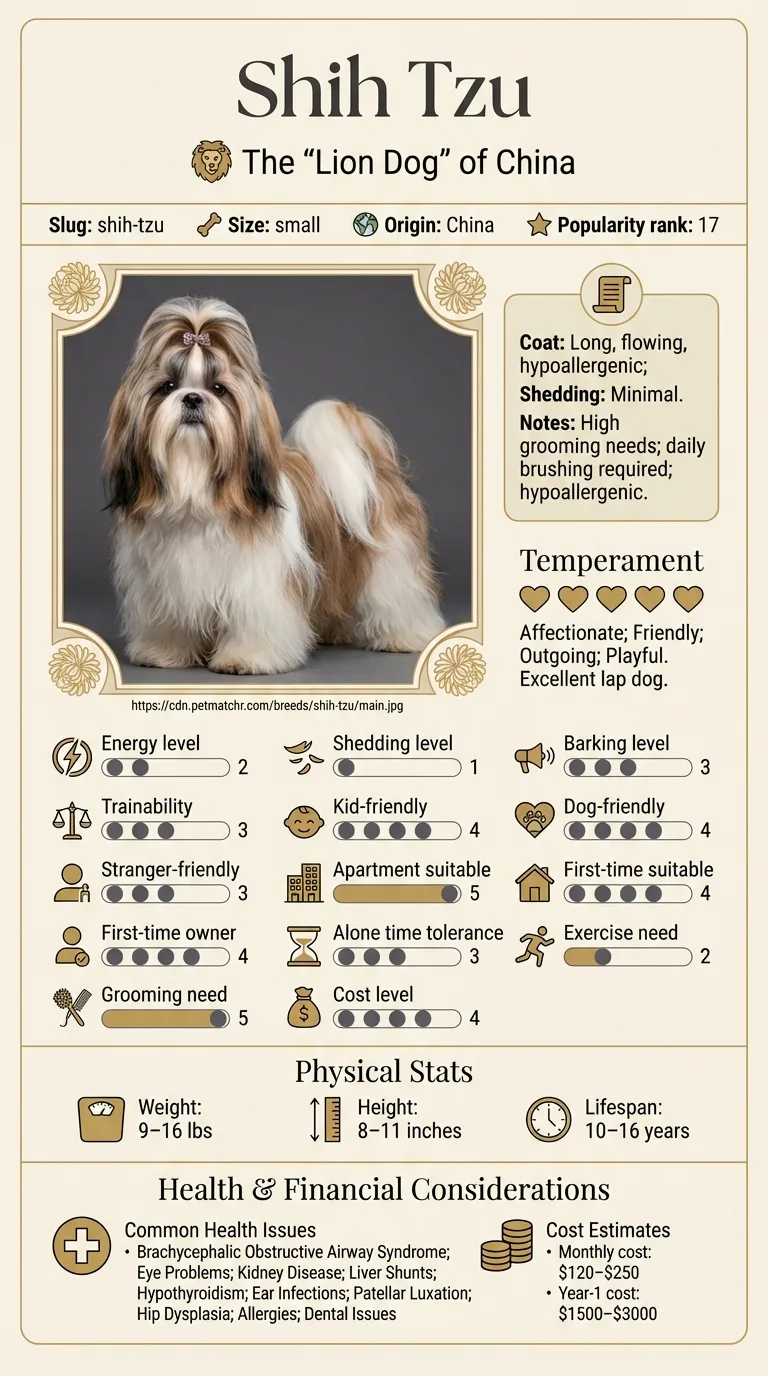
Monthly costs for a Shih Tzu typically range from $120 to $250, which includes food, grooming, and veterinary care. Be prepared for potential additional costs related to their health issues.
A one-page prep sheet for this condition: the signs, the questions to ask, what to get priced. Unlocks here.
You get: Vet visit prep sheet
No spam. One-click unsubscribe. See our privacy policy.
See a sample page before you decide.
Early access list
The free prep sheet covers the same-day warning signs, a symptom log and the questions to ask. We are considering a fuller kit that adds a cost worksheet for the usual tests and treatments (US price ranges with their sources) and a plain-English guide to ways of covering the bill. It is not built yet; this list tells us whether it is worth building.
One email, no spam, unsubscribe anytime. Information only, not veterinary advice.