Behavior
What are some quick tips for Shih Tzu back/spine issues?
To help with Shih Tzu back/spine issues, keep their weight in check and avoid high jumps. Use ramps instead of stairs when possible.

Quick answer
What are some quick tips for Shih Tzu back/spine issues?
To help with Shih Tzu back/spine issues, keep their weight in check and avoid high jumps. Use ramps instead of stairs when possible.
Shih Tzus are adorable, but they can face serious back and spine issues.
New Shih Tzu owners and those with older dogs may struggle the most. Owners who engage in daily play or have a more active lifestyle might notice these issues cropping up unexpectedly.
This guide is not medical advice. If your dog shows pain, sudden behavior change, or worsening symptoms, consult a licensed veterinarian.
Some links may be affiliate links. We may earn a commission at no extra cost to you. We only suggest products we believe are helpful for dog owners.
We research and check what we publish, but we do not warrant that any figure, date, price, or statement is accurate, complete, or current, and we accept no liability for any loss, cost, injury, or other harm arising from the use of this site. Use it as one reference among several. You remain responsible for your own decisions and for your dog's care - confirm anything that matters with a licensed veterinarian or another qualified professional before you act on it. Full disclaimer.
Check this first
It's crucial to know when Shih Tzu back/spine issues signal an emergency. Immediate attention is necessary if your dog shows signs like severe pain, inability to walk, or sudden paralysis. These symptoms can indicate a serious condition that requires urgent veterinary care.
Mild cases can often be monitored. If your Shih Tzu is limping slightly, showing mild discomfort, or has a bit of stiffness after activity, you might not need an emergency vet visit right away. Instead, keep an eye on them and consider adjusting their exercise routine or providing a comfortable resting space.
However, look out for red flags that mean you should call your vet now: - Loss of balance or coordination - Incontinence or difficulty urinating - Severe or persistent crying when moving - Muscle spasms or twitching - Any sudden behavioral changes, like aggression or withdrawal
In these situations, it's better to be safe and consult your veterinarian. They can help determine the best course of action, whether that’s immediate treatment or a follow-up plan to manage your Shih Tzu’s condition effectively.
If any of these apply, call your vet or an emergency clinic now. The rest of this page is for the cases that are not an emergency.
Shih Tzu back/spine issues can lead to pain, discomfort, and mobility problems. These issues often manifest as difficulties in jumping, climbing stairs, or even walking. The breed is particularly prone to intervertebral disc disease, which is a common ailment that can affect their quality of life.
Back/spine issues are fairly common in Shih Tzus, especially as they age. Many owners report experiencing these issues by the time their dog is around 5 years old. Regular veterinary check-ups can help in early detection and management.
Shih Tzus are a small breed that can be prone to back and spine issues due to their unique body structure. Their long backs and short legs create a risk for intervertebral disc disease, which can cause pain and mobility challenges. Additionally, their affectionate nature often leads them to jump or climb in ways that may stress their spines.
Environmental factors can also contribute to back and spine issues in Shih Tzus. For instance, if they are allowed to jump off furniture frequently or if they live in a home without proper support for their movements, the risk of injury increases. Lack of exercise or too much weight can further exacerbate these problems.
If your Shih Tzu shows persistent signs of pain, difficulty walking, or changes in behavior, it’s time to consult a vet. Early intervention can make a significant difference in treatment outcomes for back and spine issues.
Avoiding certain actions can help reduce the severity of Shih Tzu back/spine issues. Here are some common mistakes owners make and safer alternatives.
Start here: Shih Tzu Most Common Genetic Disorders: What to Screen For
See all Shih TZU health problems, which breeds are prone to backspine issues, or the full Shih TZU breed guide for temperament, exercise needs and ownership costs.
With consistent, proper care, you can expect to see improvements in your Shih Tzu's back/spine issues within 3 to 6 months. Regular vet check-ups and a tailored exercise plan will be essential during this time.
Success means your Shih Tzu experiences less pain, improved mobility, and can engage in daily activities without discomfort. You'll notice a happier, more active dog who can enjoy walks and playtime.
When Sarah adopted Bella, her beloved Shih Tzu, she noticed Bella struggling to jump onto the couch. After a vet visit, Sarah learned Bella had back issues common in the breed. Determined to help, Sarah followed her vet's advice and implemented a gentle exercise routine. She also used ramps to help Bella access her favorite spots. Within months, Bella was more mobile and even running around the yard. Sarah credits the small adjustments and patience for Bella's transformation.
Key takeaway: Small changes in your dog's environment and routine can significantly improve their quality of life, especially for breeds prone to back/spine issues.
Shih Tzus are prone to back and spine issues due to their small size and long body structure. Conditions like intervertebral disc disease can develop, causing pain and mobility problems. Regular vet check-ups and monitoring for signs of pain or discomfort can help manage these issues.
To help prevent back and spine issues in your Shih Tzu, maintain a healthy weight and ensure safe play. Avoid jumping from high places and provide support when lifting them. Regular exercise and a proper diet can also strengthen their muscles.
Treatment for Shih Tzu back/spine issues can include medications for pain and inflammation. In more severe cases, surgery may be necessary. Always consult your vet to determine the best course of action for your dog's specific condition.
Training can help by teaching your Shih Tzu commands to prevent jumping or rough play that could exacerbate back/spine issues. Focus on gentle exercises that promote strength without strain. Positive reinforcement techniques can make training enjoyable for your dog.
Yes, certain back or spine issues can be hereditary in Shih Tzus. Intervertebral disc disease, for example, tends to occur more frequently in breeds with short legs and long backs, like the Shih Tzu. If your Shih Tzu has a family history of these issues, it’s worth discussing with your vet.
It's wise to start monitoring your Shih Tzu for back and spine issues as they reach middle age, around 5 to 7 years old. Regular check-ups with your vet can help catch any early signs, which is crucial for effective management.
If your Shih Tzu shows signs of pain, difficulty moving, or any unusual behavior, it's important to take them to the vet promptly. Early intervention can help manage pain and prevent further complications.
To help an older Shih Tzu with back or spine issues, consider providing supportive bedding, limiting jumping, and maintaining a healthy weight. Gentle, regular exercise is also crucial, but consult with your vet for tailored advice.
To help with Shih Tzu back/spine issues, keep their weight in check and avoid high jumps. Use ramps instead of stairs when possible.
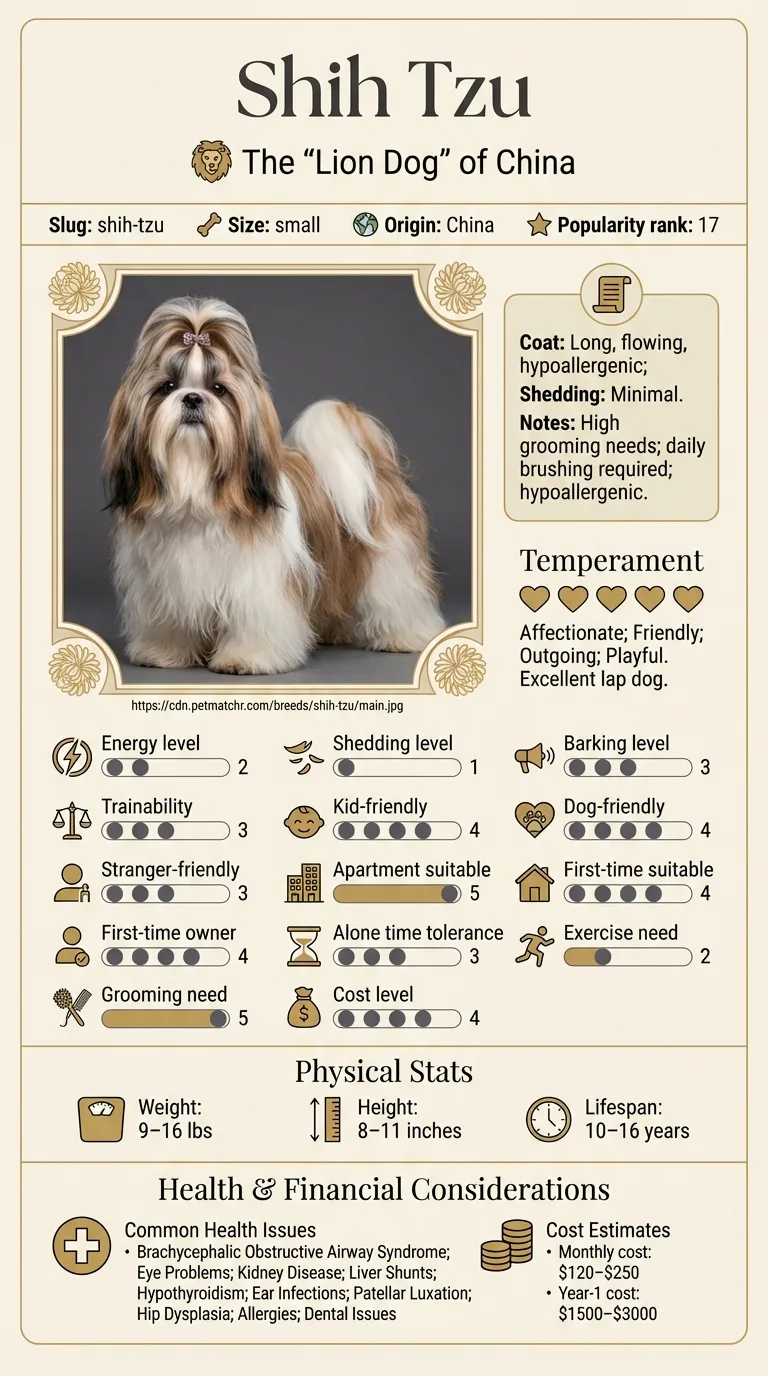
Managing Shih Tzu back/spine issues can cost between $120 to $250 monthly, depending on treatments and vet visits.
Ensure your home has non-slip surfaces and remove any obstacles that could cause your Shih Tzu to trip. Providing a cozy bed at ground level can also help.
Yes, some owners find that glucosamine and omega-3 fatty acids can support joint health. Always consult your vet before adding supplements.
A one-page prep sheet for this condition: the signs, the questions to ask, what to get priced. Unlocks here.
You get: Vet visit prep sheet
No spam. One-click unsubscribe. See our privacy policy.
Preview page 1 before you decide.