DogBreedCompass
← Back to breed profile

Shibа Inu von Willebrand's Disease (vWD1): What You Need to Know

Shibа Inu von Willebrand's disease (vWD1) is a genetic bleeding disorder that can cause serious health issues in your dog.

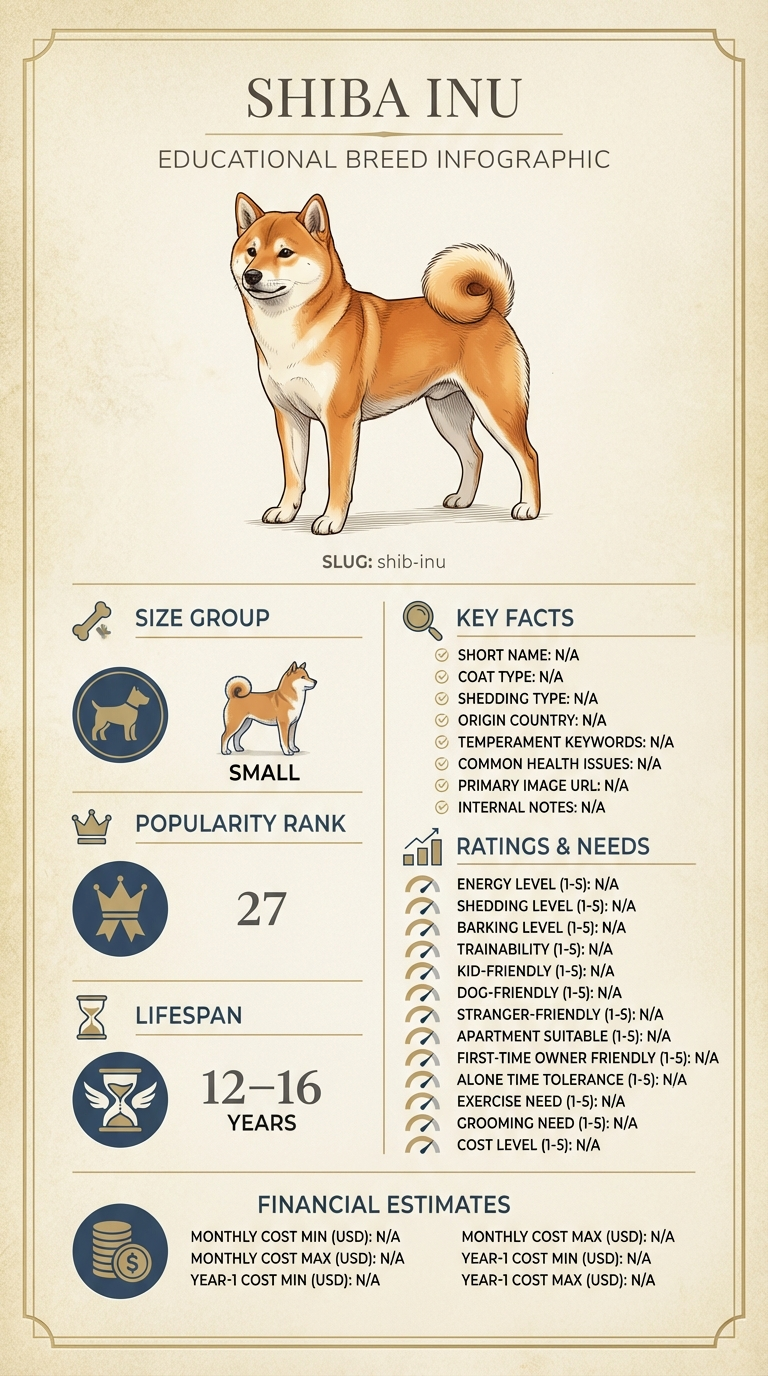
Shibа Inu von Willebrand's Disease (vWD1): What You Need to Know infographic

Owners of Shibа Inus, especially those with a family history of the disease, often face challenges in recognizing and managing this condition. If you're a first-time dog owner or new to the breed, navigating the complexities of vWD1 can feel overwhelming.

Important reminder

This guide is not medical advice. If your dog shows pain, sudden behavior change, or worsening symptoms, consult a licensed veterinarian.

Some links may be affiliate links. We may earn a commission at no extra cost to you. We only suggest products we believe are helpful for dog owners.

What this problem looks like

Shibа Inu von Willebrand's disease (vWD1) is a genetic bleeding disorder that affects blood clotting. This condition can lead to excessive bleeding from minor injuries, which can be alarming for owners. Day-to-day, a Shibа Inu with vWD1 may experience spontaneous bleeding from the gums or nose, and bruising may appear easily after play or exercise.

Common triggers

  • Injuries or cuts during play
  • Stressful situations that increase excitement
  • Undergoing surgery or dental procedures

Von Willebrand's disease (vWD1) is relatively common in Shibа Inus, especially since it is inherited. While not every Shibа Inu will develop this condition, owners should be aware that it can affect any dog of this breed, making regular health check-ups essential.

Why this happens

Breed factors

Shibа Inus are prone to von Willebrand's disease (vWD1) due to genetic factors. This inherited bleeding disorder affects their blood's ability to clot properly. If your Shibа Inu has a family history of vWD1, they are at higher risk.

Environment factors

Environmental factors can also contribute to the severity of symptoms in dogs with vWD1. Stress, injuries, or certain medications may exacerbate their condition. Keeping your Shibа Inu in a calm environment can help manage their health.

What you can try

At-home strategies

  • Monitor your Shibа Inu closely for any signs of bleeding, such as excessive bruising or prolonged bleeding from cuts.
  • Keep a calm and stable environment to minimize stress, which can trigger or worsen symptoms.
  • Provide a balanced diet rich in nutrients to support your dog's overall health.

When to consider a trainer

If your Shibа Inu shows fear or anxiety related to their condition, consider working with a positive reinforcement trainer. They can help build your dog's confidence and teach coping strategies.

When to talk to your vet

Consult your vet if you notice signs of bleeding or if your dog’s condition worsens. Regular check-ups are essential to manage vWD1 effectively. Your vet may recommend specific tests or treatments tailored to your Shibа Inu's needs.

Realistic expectations

You can expect to see some improvement in your Shibа Inu's health within 3 to 6 months of consistent management and care.

Success means your Shibа Inu manages their von Willebrand's disease (vWD1) symptoms effectively, allowing them to lead a happy and active life.

Mistakes that make this worse – Shibа Inu von willebrand's disease (vwd1)

Avoiding certain behaviors can help improve your Shibа Inu's situation with von Willebrand's disease (vWD1). Here are common mistakes to steer clear of.

  • Ignoring Symptoms: If your Shibа Inu shows signs of bleeding or bruising, don't dismiss them as minor. Instead, consult your vet immediately to address any potential complications.
  • Skipping Regular Vet Visits: Some owners think they can manage vWD1 on their own. Regular check-ups are crucial for monitoring health and adjusting treatment as needed.
  • Inconsistent Training: Inconsistent commands and training can confuse your dog. Stick to a consistent routine and use positive reinforcement to build trust and understanding.
  • Overexertion: Pushing your Shibа Inu too hard during exercise can lead to injury. Opt for gentle, controlled activities suited to their energy level and health status.
  • Feeding Low-Quality Diet: Poor nutrition can impact your dog's overall health, including their blood health. Ensure you provide a balanced, high-quality diet recommended by your vet.
  • Neglecting Hydration: Dehydration can worsen health issues. Always provide fresh water, especially if your dog is on medication that can affect hydration levels.
  • Relying on Home Remedies: Some owners turn to unproven home remedies instead of seeking professional help. Always consult your vet before trying any treatments for vWD1.

When It Is an Emergency

Recognizing when Shibа Inu von Willebrand's disease (vwd1) is an emergency can save your dog's life. Look for specific signs that require immediate veterinary attention. These include excessive bleeding from minor cuts, prolonged bleeding after surgery or injury, and spontaneous nosebleeds. If your Shibа Inu shows any of these symptoms, call your vet immediately.

Mild cases of vwd1 can often be monitored at home. If your dog has small cuts that seem to heal without excessive bleeding, or if they have occasional mild nosebleeds, you might not need to panic. Keep an eye on their behavior and bleeding patterns. Regular check-ups with your vet can help manage these less severe issues.

It's crucial to have a plan in place for both emergencies and mild cases. Make sure you have your vet's contact information handy, and consider keeping a first aid kit for pets. If your Shibа Inu is diagnosed with vwd1, ask your vet about the best ways to manage their condition and what signs should prompt an emergency visit.

Shibа Inu von Willebrand's Disease (vWD1): What You Need to Know - When It Is an Emergency

Mia's Journey with Koda's Health

Mia, a first-time dog owner, adopted Koda, her adorable Shibа Inu, without knowing he had von Willebrand's disease (vWD1). After a few scary incidents where Koda bled excessively from minor injuries, Mia took him to the vet for testing. With guidance, she learned how to manage Koda's condition through careful monitoring, avoiding high-risk activities, and following a specific training regimen. Over time, Koda became more stable, and Mia felt more confident in handling his needs.

Key takeaway: Understanding and managing your dog's health condition can lead to a fulfilling life together, even with challenges like von Willebrand's disease (vWD1).
Frequently asked questions

What is Shibа Inu von Willebrand's disease (vwd1)?

Shibа Inu von Willebrand's disease (vwd1) is a genetic bleeding disorder that affects the blood's ability to clot. It can lead to excessive bleeding from injuries or during surgery. Early diagnosis and management are crucial for your dog's health.

Why does my Shibа Inu have von Willebrand's disease (vwd1)?

Von Willebrand's disease is inherited, meaning it is passed down from parent dogs. If your Shibа Inu has this condition, it likely inherited it from one or both parents. Regular check-ups can help monitor its health.

How can I manage my Shibа Inu with von Willebrand's disease (vwd1)?

Managing this condition involves regular veterinary check-ups and possibly medication to help with blood clotting. It's also essential to avoid situations where your dog might get injured. Keeping your dog calm can help prevent bleeding episodes.

What are the signs of von Willebrand's disease in Shibа Inus?

Signs include excessive bleeding from small cuts, bleeding gums, or prolonged bleeding after surgery. If you notice these symptoms, consult your vet immediately for further evaluation. Early detection can significantly improve management.

Can Shibа Inus with von Willebrand's disease lead normal lives?

Yes, many Shibа Inus with vwd1 can lead normal lives with proper management. Regular vet visits, a safe environment, and avoiding high-risk activities are key. Training and socializing your dog can also help reduce stress and anxiety.

How to stop Shibа Inu von Willebrand's disease (vwd1) bleeding episodes?

While you can't cure von Willebrand's disease, you can minimize bleeding episodes by ensuring your dog avoids rough play and injury. Speak with your vet about potential treatments that can help manage the condition effectively.

What should I do if my Shibа Inu has a bleeding episode?

If your Shibа Inu experiences a bleeding episode, it's crucial to remain calm and apply gentle pressure to the wound. Contact your veterinarian immediately for guidance and possible emergency care. Quick action can help manage the situation effectively.

Can von Willebrand's disease (vWD1) in Shibа Inu worsen with age?

Yes, von Willebrand's disease (vWD1) can become more pronounced as your Shibа Inu ages. Older dogs may experience more bleeding episodes or complications, making regular check-ups with your vet essential to monitor their condition.

Are there any specific training techniques for managing a Shibа Inu with vWD1?

Training a Shibа Inu with vWD1 should focus on gentle commands and positive reinforcement. Avoid any high-impact activities that might lead to injuries. Training should prioritize safety and comfort to prevent stress for both you and your dog.

How can I tell if my Shibа Inu is experiencing pain related to vWD1?

Signs that your Shibа Inu might be in pain due to vWD1 include limping, reluctance to move, or abnormal behavior like increased whining. If you notice these signs, consult your veterinarian for a thorough evaluation.

Why does my Shibа Inu have von Willebrand's disease (vWD1)?

Von Willebrand's disease (vWD1) is a genetic condition inherited from the parents. If your Shibа Inu has this disease, it may have inherited the gene from one or both parents. Genetic testing can provide more insight into your dog's condition.

Quick answers

View more answers
Behavior

What are quick tips for managing Shibа Inu von Willebrand's disease (vwd1)?

Keep your Shibа Inu's environment safe to avoid injuries, and maintain regular vet check-ups for monitoring. Training your dog to be calm can also help reduce stress-related bleeding.

Health

How often should I take my Shibа Inu to the vet for vwd1?

You should visit the vet at least once a year for regular check-ups. If your dog shows any symptoms, like excessive bleeding, consult your vet immediately.

Living

What should I avoid with a Shibа Inu that has vwd1?

Avoid rough play and activities that could lead to injury. Additionally, refrain from giving over-the-counter medications without consulting your vet first.

Training

Can training help my Shibа Inu with vwd1?

Yes, training can help your dog learn to be calm and reduce stress, which may lower the risk of bleeding episodes. Positive reinforcement is key.

Related DogBreedCompass guides

  • Understanding von Willebrand's Disease in dogsLearn about genetic bleeding disorders in dogs and how they affect breeds like the Shibа Inu.
  • Shibа Inu separation anxiety guideFind tips on managing separation anxiety specifically for Shibа Inus.
  • Shibа Inu behavior problemsExplore common behavior problems that Shibа Inus may face and how to address them.
  • Shibа Inu training tipsGet insights on training techniques tailored for Shibа Inus with health concerns.
  • Shibа Inu ownership cost breakdownUnderstand the overall costs associated with owning a Shibа Inu, including health issues.

Related guides