Health
What are quick tips for Shibа Inu eye problems?
Ensure your Shibа Inu has a safe play area and keep their fur around the eyes clean. Regular vet check-ups can catch eye issues early.
Shibа Inu eye problems can lead to discomfort and long-term issues if not addressed properly.
Typical owners who struggle with Shibа Inu eye problems include first-time dog parents and those living in areas with harsh weather. These owners may notice symptoms like excessive tearing or squinting, which can be concerning.
This guide is not medical advice. If your dog shows pain, sudden behavior change, or worsening symptoms, consult a licensed veterinarian.
Some links may be affiliate links. We may earn a commission at no extra cost to you. We only suggest products we believe are helpful for dog owners.
Shibа Inu eye problems can manifest in various ways, often leading to watering, redness, or even cloudiness in the eyes. These issues can stem from genetic predispositions or environmental factors, creating discomfort for your dog. Daily life with a Shibа Inu facing these challenges may involve frequent eye rubbing, squinting, or sensitivity to light, making their quality of life less enjoyable.
Eye problems are relatively common among Shibа Inus, especially given their unique facial structure. It's important to monitor their eyes regularly and consult a vet if you notice any concerning symptoms. Early intervention can help manage these issues effectively.
Shibа Inus can be prone to certain eye problems due to their unique facial structure. Their prominent eyes may be more susceptible to injury and irritation, leading to issues like corneal ulcers or cherry eye. Additionally, some hereditary conditions can affect their vision and eye health.
Environmental factors can also contribute to eye problems in Shibа Inus. Dust, allergens, or exposure to harsh weather can irritate their eyes. Lack of proper grooming can lead to tear staining, which may signal underlying issues that need attention.
If your Shibа Inu shows behavioral signs of anxiety related to eye discomfort, consider consulting a dog trainer. They can help address any fear-based responses and teach your dog to feel more comfortable during grooming or vet visits.
If you notice persistent redness, swelling, or excessive tearing, it's time to visit the vet. Eye problems can escalate quickly, so early intervention is crucial. A vet can provide a proper diagnosis and recommend treatments to protect your Shibа Inu's vision.
Addressing Shibа Inu eye problems typically takes around 2 to 6 months, depending on the severity of the issue and the consistency of your training efforts.
Success means your Shibа Inu shows improved eye health, reduced squinting or tearing, and a happier demeanor overall. Regular vet check-ups should confirm that their eyes are healthy.
Ignoring symptoms can lead to worsening eye problems. If your Shibа Inu is squinting or has discharge, it's crucial to take action. Instead, monitor your dog's eyes closely and seek veterinary advice if you notice any unusual signs.
Using harsh chemicals, such as certain cleaning products near your dog, can irritate their eyes. Opt for pet-safe cleaning solutions and avoid any sprays that may come into contact with their face. This small change can make a big difference.
Not consulting a vet when you notice eye issues is a mistake many owners make. It's important to have a professional assess your dog's condition. Regular check-ups can help catch problems early and provide you with the right treatment options.
Overlooking your dog's diet can also impact their eye health. Ensure your Shibа Inu gets a balanced diet rich in vitamins that support eye health, like Vitamin A. This can contribute to overall well-being and potentially reduce eye problems.
Lastly, failing to provide proper eye care, such as regular cleaning, can exacerbate existing issues. Gently wipe their eyes with a damp cloth to remove debris and keep their eyes healthy. Establishing a routine helps prevent further complications.
Recognizing when your Shibа Inu’s eye problems are an emergency is crucial for their well-being. Immediate veterinary attention is necessary if you notice signs such as excessive tearing, swelling, redness, or if your dog is rubbing their eyes persistently. Additionally, if your Shibа Inu is experiencing sudden vision loss or appears to be in pain, don’t hesitate to contact your vet right away.
In contrast, some cases may be mild and can be monitored at home. If your dog occasionally squints or has minor discharge but is otherwise acting normally, you can plan to observe them for a few days. Keep an eye on their symptoms to see if they improve or worsen. However, if the mild symptoms persist or escalate, it’s best to consult your vet for advice.
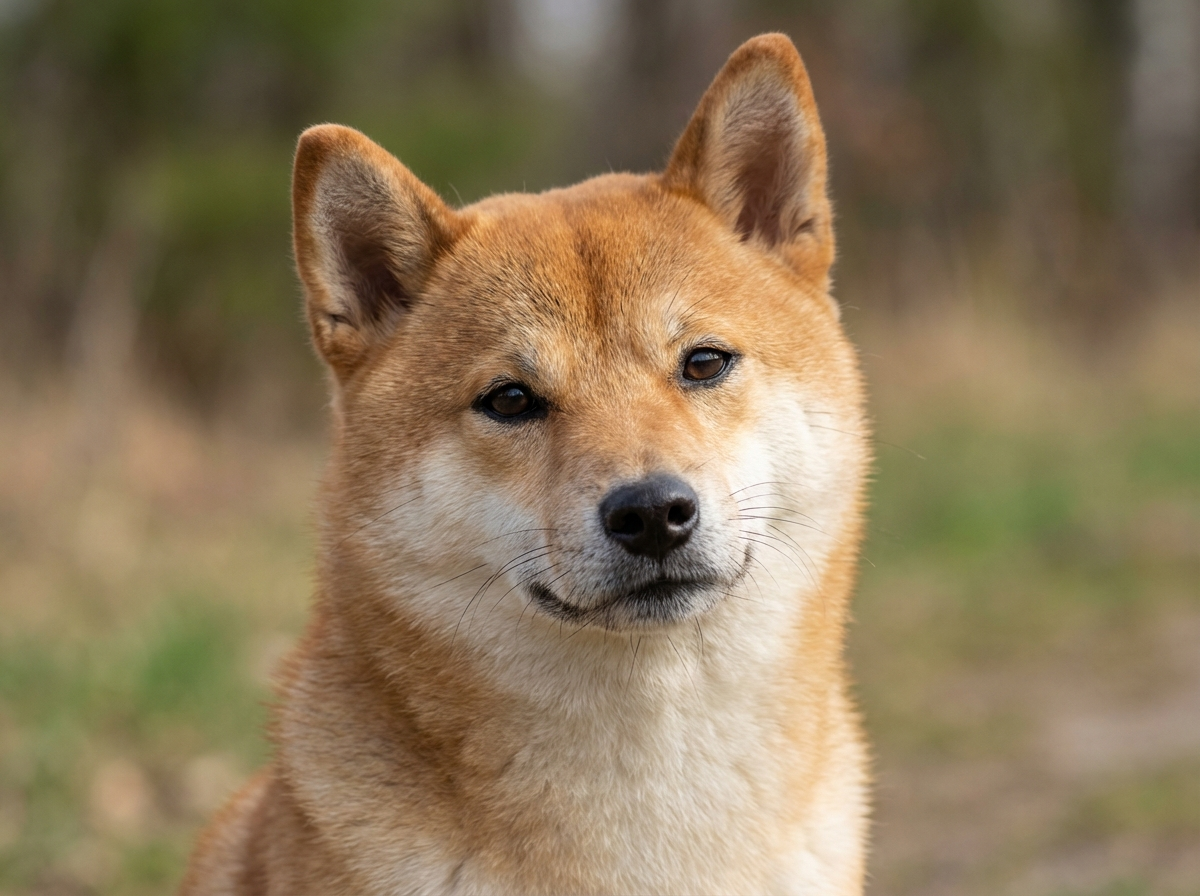
Lily is a busy nurse living in Chicago. She adopted her Shibа Inu, Yuki, hoping for a loyal companion. Soon, she noticed Yuki squinting and tearing up frequently. Concerned, she took him to the vet, who diagnosed him with mild eye irritation. Lily learned that overexposure to bright sunlight can be an issue for Shibа Inus. She started training Yuki to wear protective doggles during walks and limited his outdoor time on sunny days. It took a few months, but eventually, Yuki adjusted and his eye issues significantly improved.
Key takeaway: With the right training and care, managing Shibа Inu eye problems can lead to a healthier and happier pet.
Shibа Inus can develop eye problems for several reasons, including genetic predispositions and environmental factors. Common issues include dry eye and cataracts, often linked to overexposure to injury or irritation. Regular vet check-ups can help catch these problems early.
To prevent eye problems, ensure your Shibа Inu has a safe environment, free from sharp objects. Regular grooming and wiping away tear stains can also help. If you notice redness or excessive tearing, consult your vet for advice.
Signs of eye problems in Shibа Inus include squinting, excessive tearing, or discharge. You might also notice your dog rubbing its eyes frequently. If you see these symptoms, it's essential to see a vet for a proper diagnosis.
Yes, certain eye problems are relatively common in Shibа Inus. Conditions like dry eye and cataracts can affect this breed more than others. Being aware of these issues can help you take preventive measures.
Treatment for eye problems in Shibа Inus varies based on the condition. Options include medicated eye drops, surgery for severe cases, or lifestyle changes. Always consult your veterinarian to determine the best course of action.
While training cannot directly prevent eye problems, it can help your Shibа Inu learn to avoid situations that may lead to injury. Teaching commands like 'leave it' can protect their eyes from potential hazards. Positive reinforcement works best.
Common eye problems in Shibа Inus include cataracts, cherry eye, and dry eye syndrome. These conditions can lead to discomfort and may require veterinary intervention to treat.
If your Shibа Inu shows signs like excessive tearing, redness, or squinting, it's essential to consult a vet. Serious issues may also involve swelling or discharge, indicating a need for prompt care.
Yes, older Shibа Inus can be more susceptible to eye problems, such as cataracts or glaucoma. Regular vet check-ups become increasingly important to monitor their eye health over time.
If your Shibа Inu sustains an eye injury, seek veterinary care immediately. Prompt treatment can prevent more severe issues and help maintain your dog's vision.
While not all eye problems can be prevented, regular vet check-ups and maintaining a clean living environment can help. Also, be mindful of potential hazards that could cause eye injuries.
Ensure your Shibа Inu has a safe play area and keep their fur around the eyes clean. Regular vet check-ups can catch eye issues early.
Look for signs like squinting, excessive tearing, or rubbing their eyes frequently. These could indicate underlying problems.
Yes, regular grooming and cleaning around the eyes can help prevent tear stains and irritation. It's important to keep their environment safe.
Costs can vary widely based on the condition, but treatments can range from simple medications to surgeries. Always plan for potential vet visits.