Behavior
What are quick tips to manage Shibа Inu excessive barking?
Provide plenty of exercise and mental stimulation. Use consistent training techniques and reward quiet behavior. Redirect their attention when they start barking.
Shibа Inu excessive barking can be a frustrating issue for dog owners. This behavior can lead to stress for both you and your furry friend.
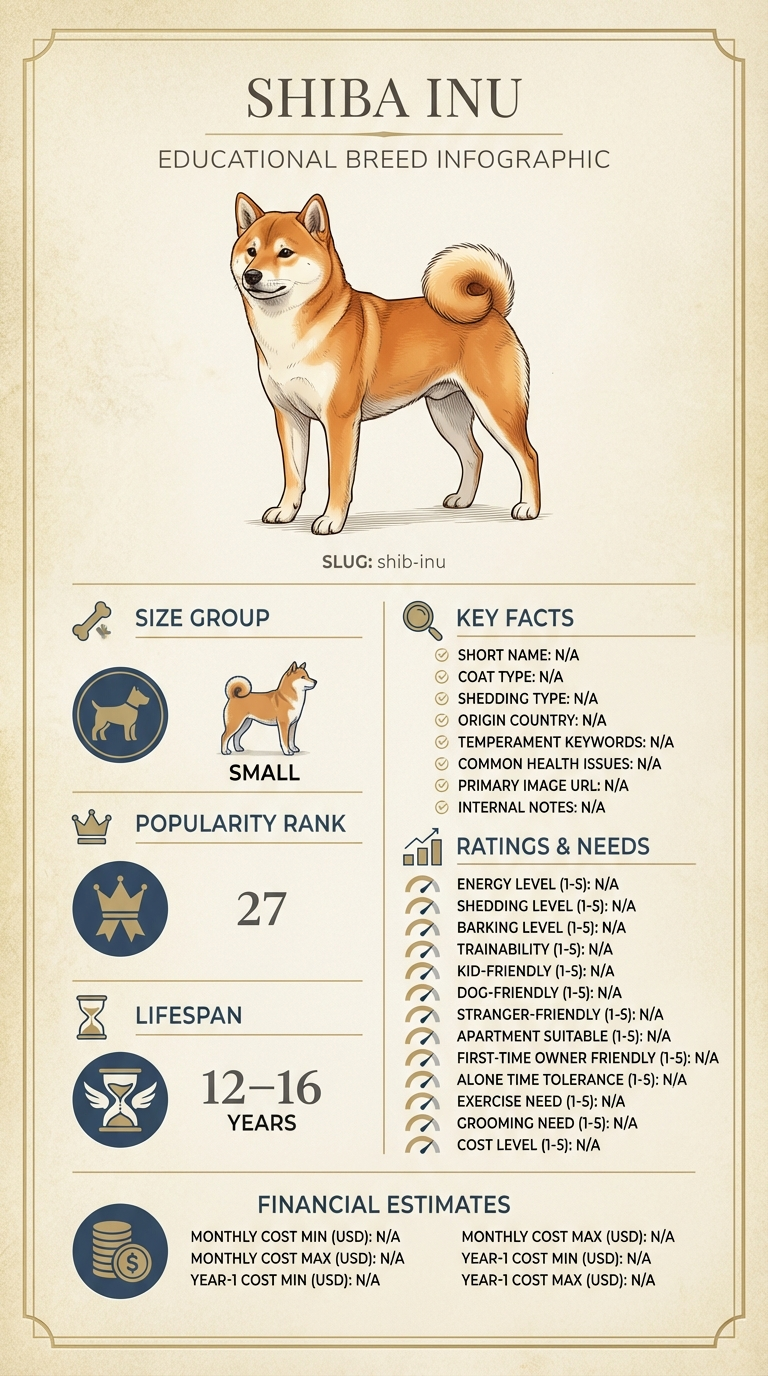
New Shibа Inu owners or those living in apartments often face challenges with this issue. Busy professionals and families with young kids may find it especially hard to manage the noise.
This guide is not medical advice. If your dog shows pain, sudden behavior change, or worsening symptoms, consult a licensed veterinarian.
Some links may be affiliate links. We may earn a commission at no extra cost to you. We only suggest products we believe are helpful for dog owners.
Shibа Inus are known for their vocal tendencies, and excessive barking can be a common issue with this breed. Daily, you might find your Shibа Inu barking at everything from passing cars to the mailman. This behavior can become disruptive, especially in apartments or close living quarters.
Excessive barking is fairly common among Shibа Inus, especially if they are not trained or socialized properly from a young age. Many owners report this issue, making it important to address early.
Shibа Inus are naturally vocal dogs. Their alertness and strong instincts can lead them to bark excessively, especially if they perceive a threat or something unusual in their environment. Additionally, they have a stubborn streak that can make training them to bark less more challenging.
A noisy or busy environment can contribute to excessive barking in Shibа Inus. Factors such as seeing other animals, unfamiliar sounds, or even boredom can trigger barking. If they are left alone for long periods or lack stimulation, they may bark out of anxiety or frustration.
If you find that your Shibа Inu's barking is not improving or if they seem anxious or aggressive, it may be time to consult a professional trainer. A trainer can provide personalized techniques and strategies to address the specific barking issue.
If your Shibа Inu's excessive barking is accompanied by signs of distress, such as panting, pacing, or destruction in the home, it's important to speak to a vet. They can rule out any underlying health issues or behavioral concerns that may need medical attention.
You can expect to see improvements in your Shibа Inu's barking behavior within 4 to 8 weeks of consistent training.
Success means your Shibа Inu barks less frequently and in appropriate situations, allowing for a quieter home environment.
Here are some common owner mistakes that can make your Shibа Inu's excessive barking even worse. Avoiding these can help you manage their barking more effectively.
Recognizing when Shibа Inu excessive barking becomes an emergency is crucial for your pet’s well-being. Some signs indicate that immediate veterinary attention is necessary, while others may just require monitoring and a plan.
**Call Your Vet Now If:** - Your Shibа Inu is barking excessively due to signs of distress, like pacing or hiding. - There are sudden changes in barking patterns, indicating pain or discomfort. - Your dog exhibits other alarming symptoms, such as lethargy, vomiting, or difficulty breathing.
These red flags mean your Shibа Inu might be experiencing a medical issue that needs prompt care.
**Monitor and Wait If:** - Your dog barks at specific triggers, like passing cars or doorbells, without signs of distress. - The barking happens during certain times of the day, like when you're away, but your dog is otherwise healthy. - You can create a plan for training to address the excessive barking.
In these cases, patience and consistent training can help alleviate the issue without needing immediate vet intervention. Always trust your instincts; if you're unsure, it's better to consult your vet.
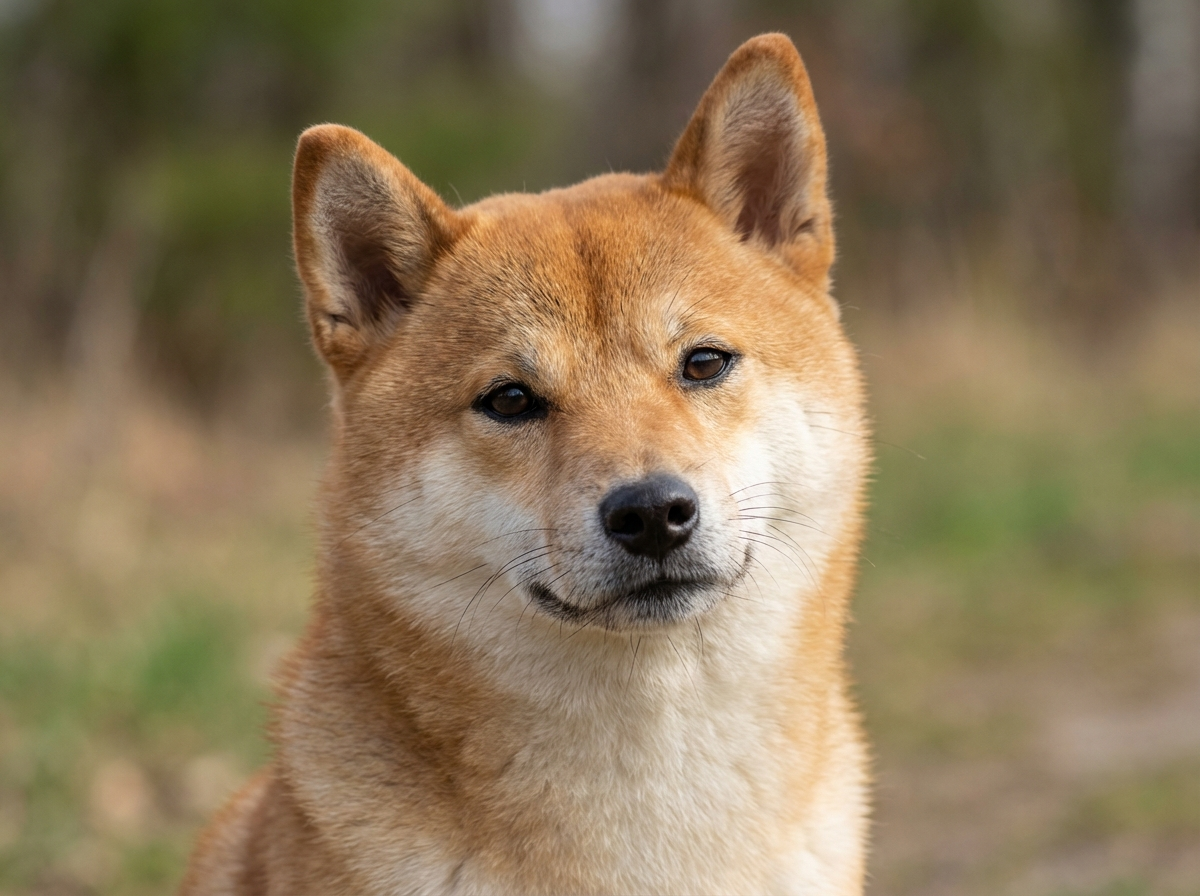
Emily, a busy nurse in San Francisco, adopted Max, a Shibа Inu, who had a knack for barking at every passerby. Initially, this behavior was overwhelming, especially in their apartment. After researching how to stop Shibа Inu excessive barking, Emily discovered a combination of training techniques. She set aside time each day for positive reinforcement training, rewarding Max for quiet moments. Gradually, he learned to control his barking during walks and at home. Emily also started using a white noise machine to help mask outside sounds that triggered barking. Within eight weeks, she noticed a significant change; Max was calmer and only barked when necessary.
Key takeaway: With patience and consistent training, you can reduce excessive barking in your Shibа Inu, creating a more peaceful living environment.
Shibа Inus may bark excessively due to boredom, anxiety, or a strong instinct to alert their owners. They are naturally vocal dogs, so understanding their triggers is key. Addressing their needs through exercise and mental stimulation can help reduce this behavior.
To stop Shibа Inu excessive barking, start by identifying the triggers. Use positive reinforcement to reward quiet behavior and redirect their attention when they bark. Consistent training and providing adequate physical and mental exercise can also lead to improvement.
Yes, excessive barking can indicate underlying issues such as separation anxiety or lack of socialization. If your Shibа Inu barks excessively, consider consulting a trainer or behaviorist for tailored strategies. Ensuring your dog feels safe and secure is crucial.
Absolutely! Shibа Inu excessive barking training can significantly reduce unwanted barking. Techniques like 'quiet' commands and distraction methods during triggering situations can be effective. Consistency is key, so practice regularly.
Shibа Inus typically need at least 30 to 60 minutes of exercise daily. Regular walks, playtime, and mental challenges can help keep them engaged and reduce excessive barking. Boredom is often a major cause of their vocal tendencies.
Shibа Inu can bark excessively due to boredom, anxiety, or as a response to their environment. They may also bark to express excitement or alert you to something unusual. Understanding the root cause is key to addressing the issue.
If your Shibа Inu barks frequently and it disrupts your household or the neighbors, it may be a problem. Pay attention to patterns, such as specific triggers or times when the barking occurs. Persistent barking may require training or behavior modification.
Older Shibа Inu might develop excessive barking due to cognitive decline or anxiety. Changes in their environment or routine can also trigger this behavior. If you notice this, consult your vet to rule out health issues and explore training options.
Yes, training can significantly reduce excessive barking in Shibа Inu. Techniques such as positive reinforcement, distraction, and teaching the 'quiet' command can be effective. Consistency and patience are essential for successful training.
If your Shibа Inu's excessive barking is sudden or accompanied by other behavioral changes, it's wise to consult a vet. They can assess for underlying health issues or anxiety. Early intervention can help in managing the behavior effectively.
Provide plenty of exercise and mental stimulation. Use consistent training techniques and reward quiet behavior. Redirect their attention when they start barking.
Bark collars can sometimes help, but they should be used cautiously. It's best to focus on training and understanding your dog's needs first. Consult a trainer if you're unsure.
Yes! Teaching your Shibа Inu to bark on command can help control unnecessary barking. Use positive reinforcement to encourage this behavior.
Separation anxiety can lead to excessive barking when left alone. If your Shibа Inu shows signs of distress, consider implementing a gradual desensitization plan or consult a professional.