Health
What are quick tips for Shibа Inu cardiac disease?
Monitor weight, provide light exercise, and schedule regular vet visits to catch issues early.
Shibа Inu cardiac disease is a serious concern for pet owners. It can lead to major health issues, especially in older dogs.
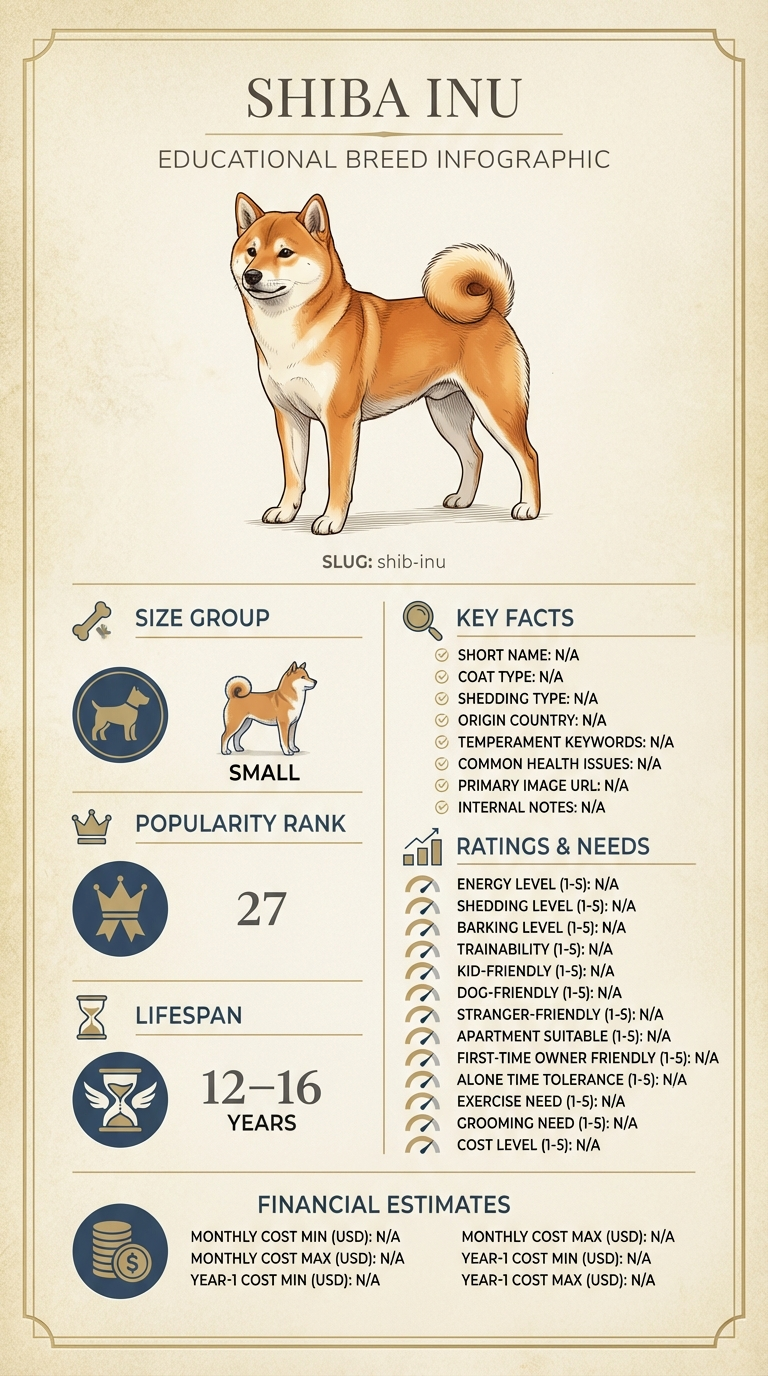
Typically, owners of Shibа Inus who are in their senior years face this issue. They often worry about their dog's health and seek effective ways to manage the condition.
This guide is not medical advice. If your dog shows pain, sudden behavior change, or worsening symptoms, consult a licensed veterinarian.
Some links may be affiliate links. We may earn a commission at no extra cost to you. We only suggest products we believe are helpful for dog owners.
Shibа Inu cardiac disease is a serious concern for this charming breed. Owners may notice symptoms like lethargy, a persistent cough, or difficulty breathing. These signs can emerge gradually, making it easy to overlook them until they become severe.
Cardiac disease is relatively common in Shibа Inus, particularly as they age. Many small breeds face increased risks, especially in their senior years, making regular veterinary check-ups essential.
Shibа Inus may be genetically predisposed to certain heart issues, especially as they age. Small breeds like the Shibа Inu are at higher risk for cardiac disease compared to larger breeds. This can manifest in conditions like heart murmurs or dilated cardiomyopathy.
Environmental factors such as poor diet, lack of exercise, and obesity can worsen heart health. Stressful living conditions, like a noisy environment or lack of socialization, may also contribute to heart problems. Additionally, inadequate veterinary care can lead to undiagnosed issues.
If you notice signs of anxiety or stress-related behavior in your Shibа Inu, consider consulting a professional trainer. They can help with positive reinforcement techniques to alleviate anxiety, which could also benefit your dog's heart health.
If you see symptoms like coughing, lethargy, or difficulty breathing, contact your vet immediately. Early intervention is crucial for managing cardiac disease. Regular vet visits are also essential, especially as your Shibа Inu ages.
Improvement in your Shibа Inu's cardiac health can take anywhere from a few weeks to several months with consistent care and training. Regular vet visits and monitoring are crucial throughout this process.
Success means your Shibа Inu shows increased energy levels, maintains a healthy weight, and exhibits fewer signs of distress or discomfort. You'll also notice a positive change in their overall behavior and quality of life.
Avoiding these common mistakes can help improve your Shibа Inu's heart health.
Recognizing when Shibа Inu cardiac disease is an emergency is crucial for your pet's health. Some signs indicate you should call your vet immediately, while others may allow for monitoring at home. It's essential to know the differences to act quickly and appropriately.
Red flags include sudden lethargy, difficulty breathing, or persistent coughing. If your Shibа Inu shows any of these signs, don’t wait—get to your vet right away. Additionally, if you notice bluish gums or a swollen abdomen, these symptoms can indicate severe issues requiring urgent care.
On the other hand, mild symptoms like occasional coughing or slight fatigue during playtime can often be monitored. If these symptoms occur infrequently and your dog seems otherwise healthy, you can keep an eye on them while planning a vet visit. Keeping track of any changes in behavior or energy levels is important, as they can help your vet make a better diagnosis later on.
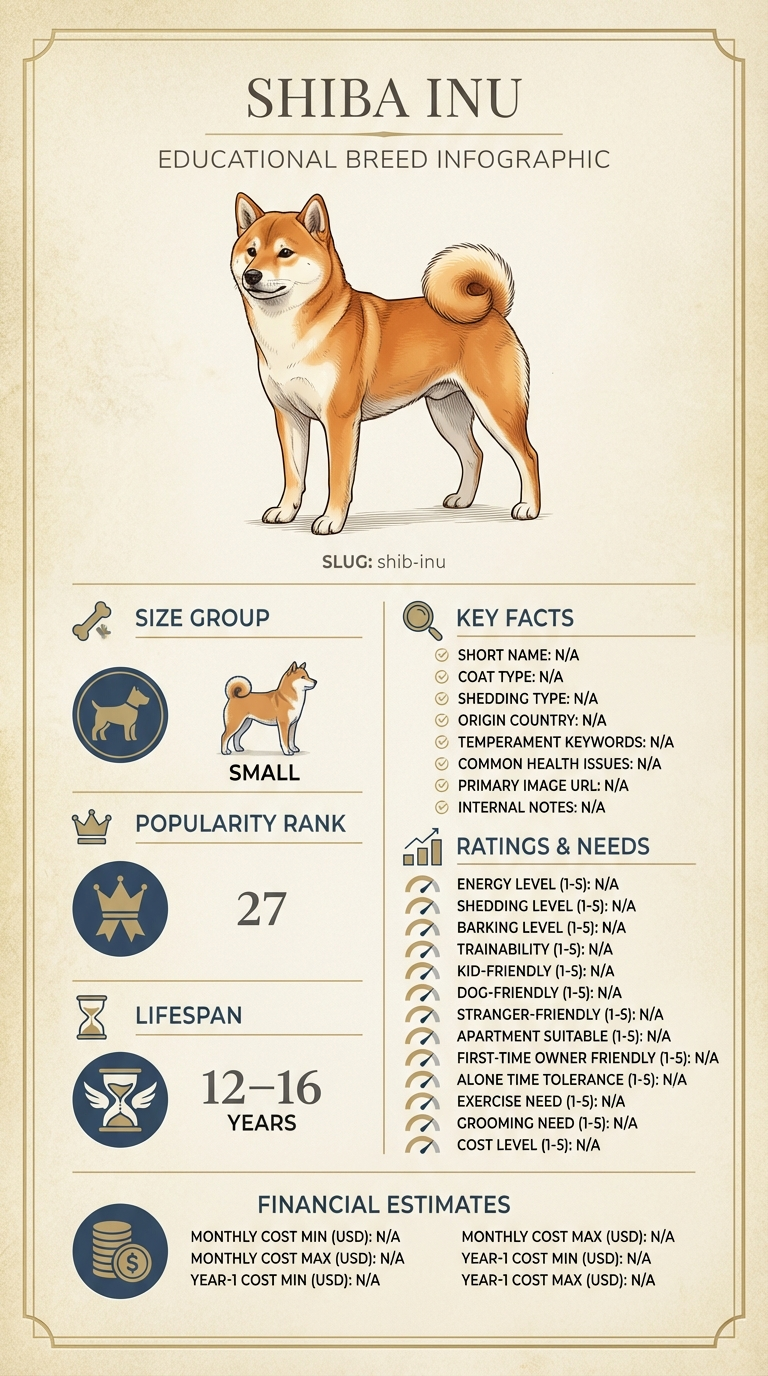
Sarah, a first-time dog owner, noticed her Shibа Inu, Milo, was lethargic and had difficulty breathing during playtime. After a vet visit, she learned that Milo had early signs of cardiac disease. Determined to help him, Sarah followed a tailored care plan that included a special diet, regular exercise, and daily medications. She also enrolled in a training program focused on calming techniques to reduce Milo's anxiety. After several months, Milo was more energetic and playful, and his vet confirmed that his heart health had improved significantly.
Key takeaway: With dedication and the right guidance, managing Shibа Inu cardiac disease is possible. Consistent care and training can lead to a happier, healthier pet.
Shibа Inus are at higher risk for cardiac disease, especially as they age. Factors such as genetics, age, and obesity can contribute to heart issues. Regular vet check-ups can help catch problems early.
To help prevent cardiac disease, maintain a healthy weight through proper diet and exercise. Regular vet visits can also monitor their heart health. Consider supplements or dietary changes as recommended by your vet.
Common symptoms include coughing, difficulty breathing, and lethargy. If your Shibа Inu shows signs of distress, it’s crucial to consult a vet immediately. Early detection can significantly improve treatment outcomes.
While training can't cure cardiac disease, it can improve your dog's overall health and well-being. Gentle exercises and mental stimulation can keep them active without overexerting their heart. Always consult your vet before starting any new routine.
Incorporating a balanced diet, regular light exercise, and routine vet check-ups can enhance your Shibа Inu's heart health. Reducing stress levels and providing a calm environment are also beneficial. Consider working with a vet for tailored advice.
Early signs of Shibа Inu cardiac disease can include coughing, difficulty breathing, and fatigue during play. If you notice these symptoms, it's essential to consult your vet for a thorough evaluation.
Yes, older Shibа Inus may experience more severe symptoms due to their age and overall health. Regular vet check-ups are crucial to monitor their heart health as they age.
To support your Shibа Inu at home, maintain a low-stress environment and provide a balanced diet recommended by your vet. Gentle exercise is also important, but avoid strenuous activities.
Some Shibа Inus can develop cardiac disease despite appearing healthy due to genetic factors or underlying health issues. Regular vet check-ups help catch problems early.
Treatment for Shibа Inu cardiac disease may include medication to manage symptoms and dietary changes. Your vet will create a tailored plan based on your dog's specific needs.
Monitor weight, provide light exercise, and schedule regular vet visits to catch issues early.
For senior Shibа Inus, aim for vet visits every 6 months to monitor heart health.
Yes, consider low-sodium diets and those enriched with omega-3 fatty acids, but consult your vet first.
Yes, anxiety can exacerbate heart issues, so consider training and calming techniques to reduce stress.
Short walks and gentle play are ideal; avoid strenuous activities that can overstress their heart.