Behavior
What are quick tips for Shibа Inu back problems?
Keep your Shibа Inu at a healthy weight and limit jumping to protect their back. Regular vet visits can help monitor their spine health.
Shibа Inu back problems are a common concern for owners, often due to their unique body structure.
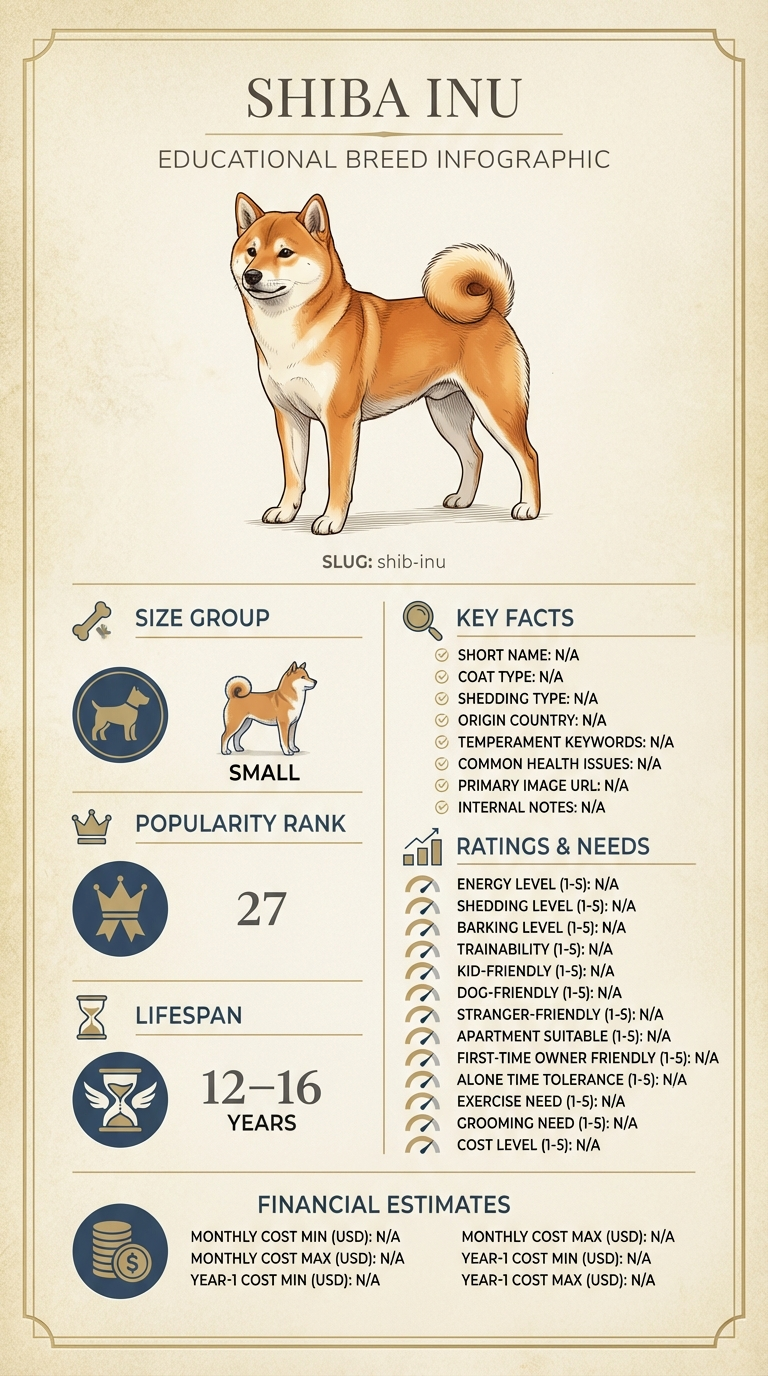
Owners of Shibа Inus, especially first-time pet parents, may find themselves facing these challenges. This can be particularly stressful for those who want to ensure their furry friends are comfortable and healthy.
This guide is not medical advice. If your dog shows pain, sudden behavior change, or worsening symptoms, consult a licensed veterinarian.
Some links may be affiliate links. We may earn a commission at no extra cost to you. We only suggest products we believe are helpful for dog owners.
Shibа Inus can experience back problems due to their unique body structure, which includes a long spine and short legs. This condition often leads to discomfort and mobility issues for these dogs. Owners may notice signs like difficulty jumping, reluctance to play, or whining when getting up or lying down.
Back problems are relatively common in Shibа Inus, particularly as they age. Many owners report these issues, making it important to monitor their dog’s activity and movements closely.
Shibа Inus have a unique body structure with long spines and short legs. This can lead to strain on their backs, especially if they jump or run frequently. Their playful nature might contribute to these back problems over time.
Environmental factors, such as slippery floors or jumping from high surfaces, can exacerbate back issues. Additionally, lack of proper exercise or an unbalanced diet can lead to weight gain, putting extra pressure on their backs.
If your Shibа Inu continues to exhibit signs of back pain despite your efforts, consider consulting a professional trainer. They can help with tailored exercises and techniques to support your dog’s back health.
If you notice persistent limping, difficulty standing, or signs of pain when touched, it's time to consult a vet. They can provide a thorough assessment and recommend treatment options, including medications or physical therapy.
With consistent training and care, you may see improvement in your Shibа Inu's back problems within 4 to 6 weeks.
Success means your Shibа Inu can move comfortably without pain, has improved mobility, and enjoys daily activities without limitations.
Avoiding these common mistakes can help prevent worsening your Shibа Inu back problems.
Understanding when your Shibа Inu back problems require immediate vet attention is crucial. Certain signs indicate a serious issue, while others may be managed at home with monitoring. If you notice any of the following red flags, it's time to call your vet right away.
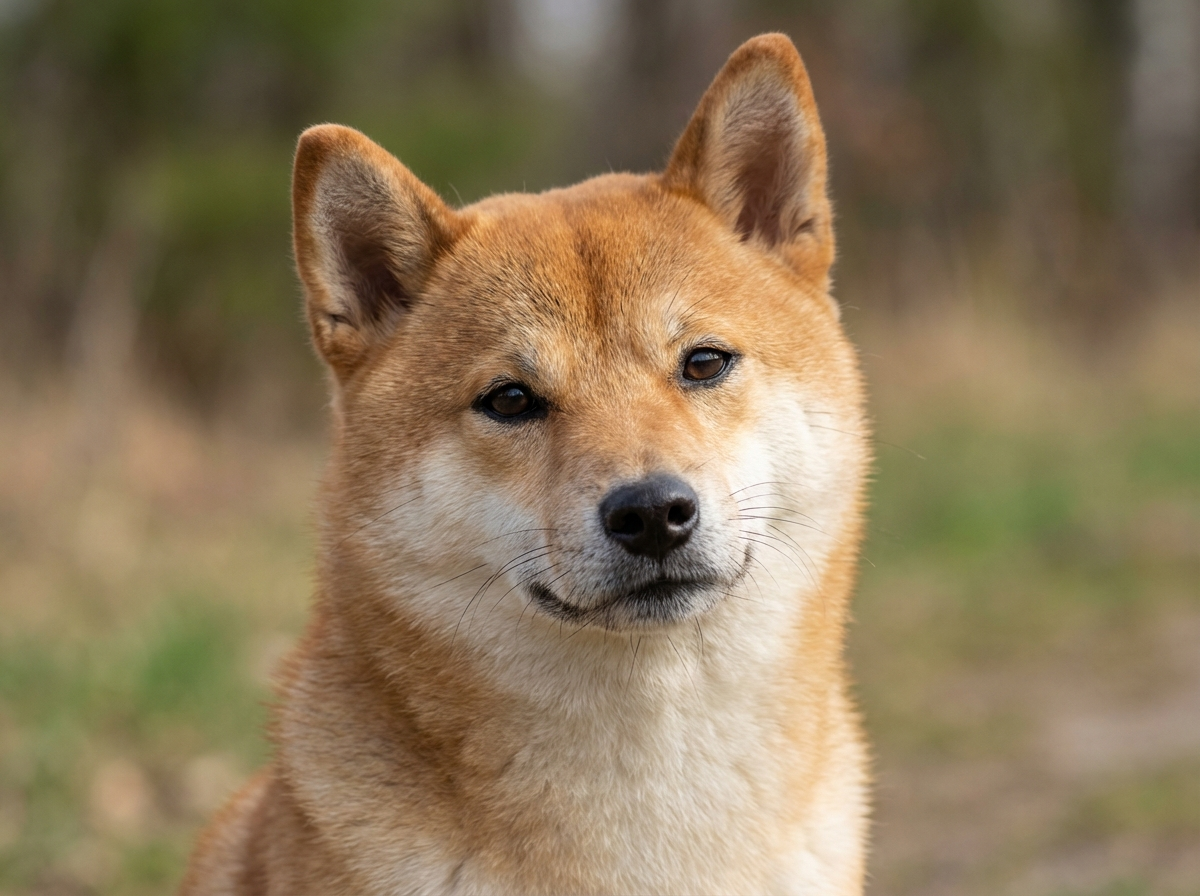
If your Shibа Inu shows mild signs of back problems, you can usually monitor the situation. Signs that can be managed include occasional stiffness, reluctance to jump, or slight discomfort after play. Keep an eye on these symptoms and consider implementing a training plan to strengthen their back.
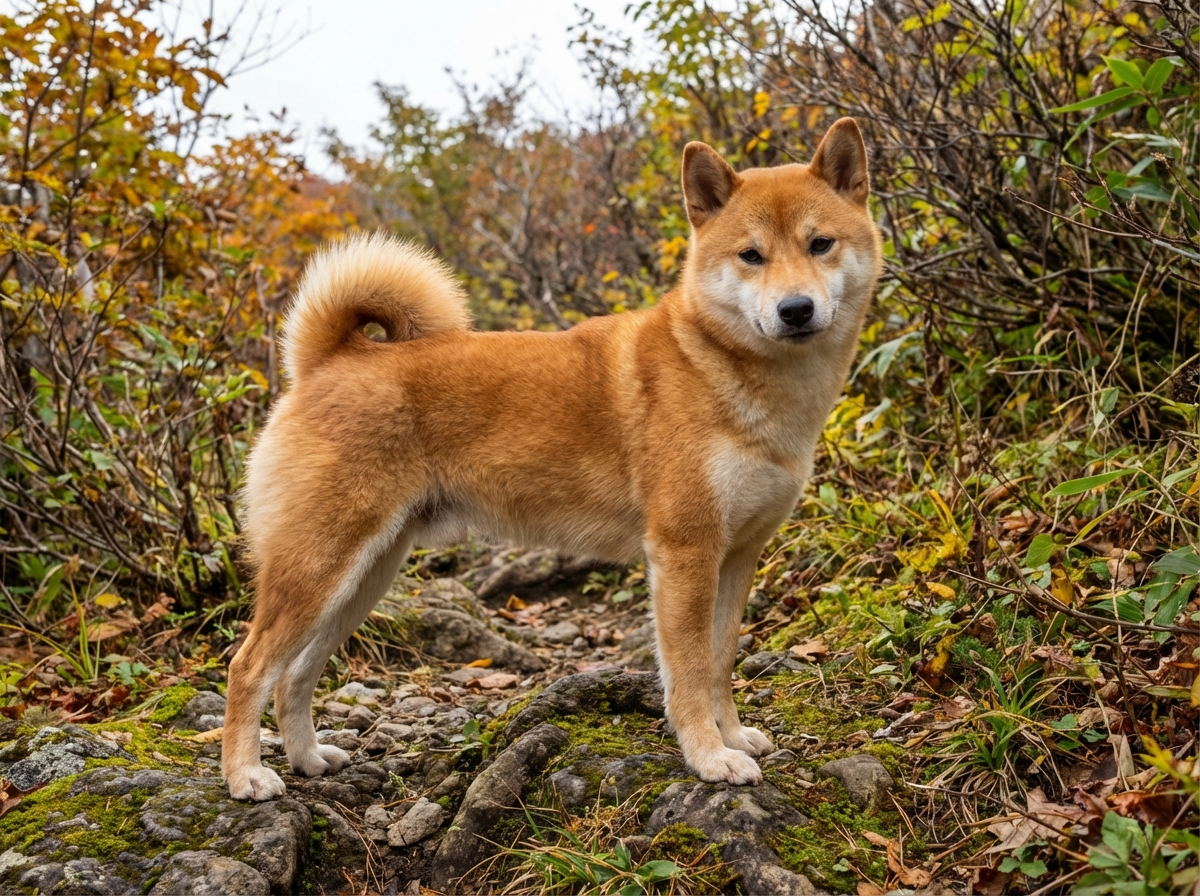
Mia, a busy nurse in Chicago, noticed her Shibа Inu, Yuki, struggling to jump on the couch. After a vet visit, she learned that Yuki's long spine and short legs made him prone to back problems. Mia committed to daily gentle exercises and invested in a supportive dog bed. She also adjusted Yuki's playtime to avoid strenuous activities. Over six weeks, Yuki's mobility improved significantly, and he was back to his playful self, happily jumping on the couch again.
Key takeaway: Patience and consistent care are key to addressing Shibа Inu back problems, leading to a happier, healthier pet.
Shibа Inus are prone to back problems due to their long spine and short legs. This unique body structure can lead to issues like intervertebral disc disease. Regular vet check-ups can help catch problems early.
To prevent back problems in your Shibа Inu, ensure they maintain a healthy weight and engage in low-impact exercises. Avoid activities that strain their back, such as jumping from high places. Providing a supportive bed can also help.
Training your Shibа Inu to avoid jumping or climbing can significantly reduce back strain. Use positive reinforcement to encourage gentle play and teach them commands like 'down' to prevent accidents. Consistency is key.
Gentle walks and swimming are great exercises that promote mobility without stressing their back. Avoid high-energy activities like agility training, which can exacerbate back issues. Always consult your vet for personalized exercise plans.
If your Shibа Inu shows signs of pain, such as reluctance to move or yelping when touched, see a vet immediately. Early intervention can lead to better outcomes. Regular wellness checks are also important.
Shibа Inus can experience back problems due to their unique body structure, which features a long spine and short legs. This can lead to issues like intervertebral disc disease, especially in older dogs or those that are overweight.
If your Shibа Inu is already experiencing back problems, it's crucial to consult a vet first. They may recommend physical therapy, weight management, or specific medications to ease discomfort and prevent further injury.
You should see a vet if your Shibа Inu shows signs of pain, such as yelping when touched, reluctance to move, or any change in bathroom habits. Early intervention can prevent more severe issues down the line.
Gentle, low-impact exercises like short walks and controlled play can help maintain muscle tone without straining your Shibа Inu's back. Always consult with your vet to create a safe exercise plan tailored to your dog's needs.
Yes, back problems can be hereditary in Shibа Inus. If you have a Shibа Inu with a history of back issues in their lineage, it's essential to be proactive with their health and discuss preventive measures with your vet.
Keep your Shibа Inu at a healthy weight and limit jumping to protect their back. Regular vet visits can help monitor their spine health.
Provide a supportive bed and avoid stairs or slippery surfaces. Use ramps when necessary to help them get into cars or onto furniture.
Avoid high-impact activities and ensure they don't climb or jump from heights. Gentle play is best for their back health.
A balanced diet that maintains a healthy weight is crucial. Consult your vet for dietary recommendations that support joint and spine health.