Health
How to stop Schnauzer (Standard) progressive retinal atrophy (PRA)?
There is no way to stop PRA, but early detection and management can help. Regular vet visits are crucial to monitor eye health.

Quick answer
How to stop Schnauzer (Standard) progressive retinal atrophy (PRA)?
There is no way to stop PRA, but early detection and management can help. Regular vet visits are crucial to monitor eye health.
Schnauzer (Standard) progressive retinal atrophy (PRA) is a serious eye condition that leads to vision loss.
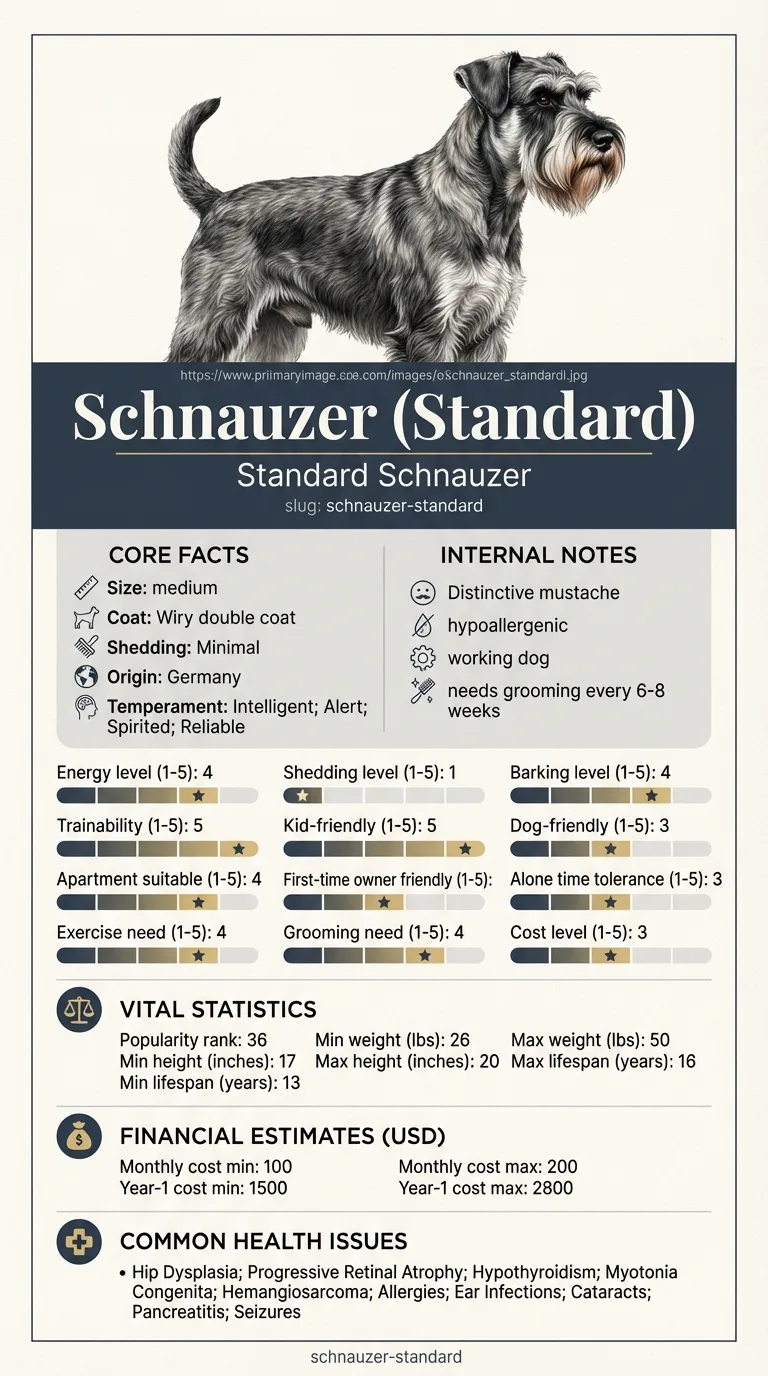
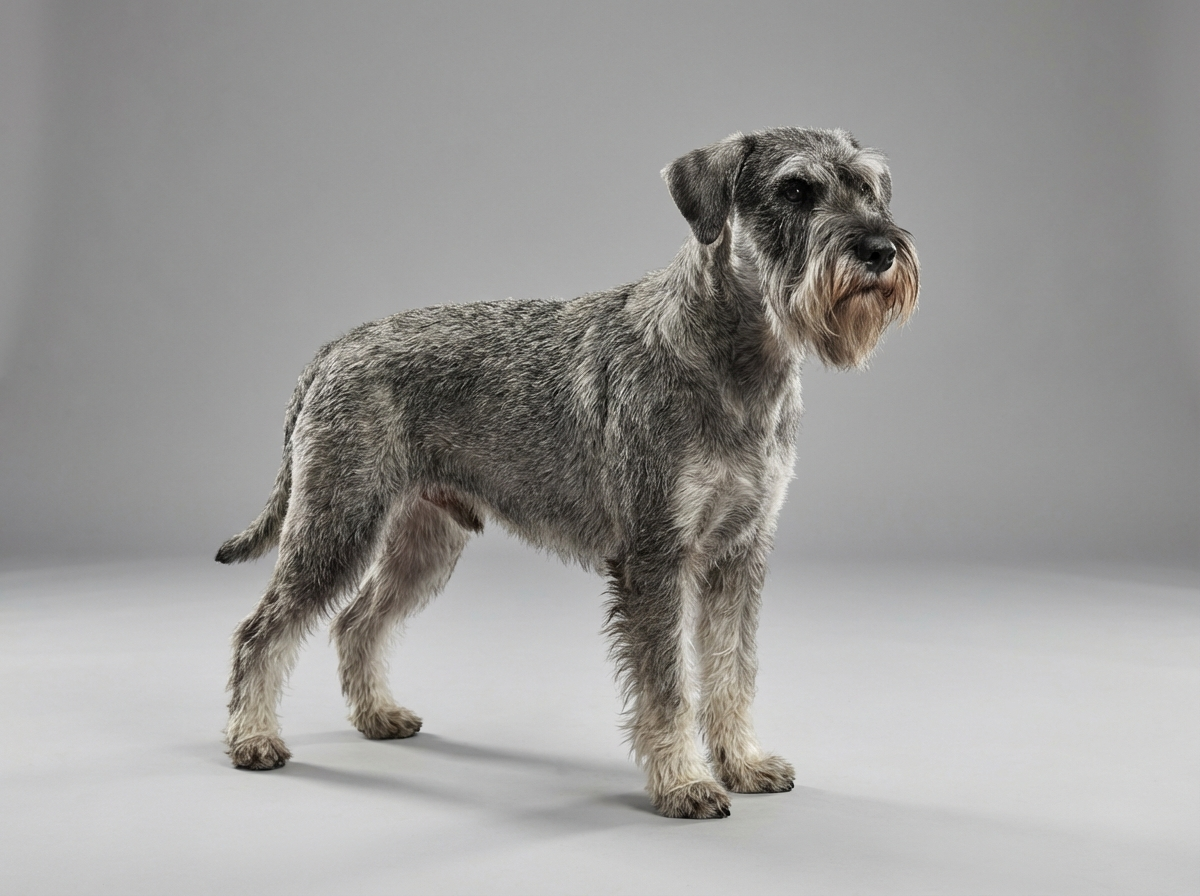
Owners of Schnauzers (Standard) may face challenges as their dogs experience changes in vision. This can be particularly concerning for first-time dog owners or those who live in busy environments.
This guide is not medical advice. If your dog shows pain, sudden behavior change, or worsening symptoms, consult a licensed veterinarian.
Some links may be affiliate links. We may earn a commission at no extra cost to you. We only suggest products we believe are helpful for dog owners.
We research and check what we publish, but we do not warrant that any figure, date, price, or statement is accurate, complete, or current, and we accept no liability for any loss, cost, injury, or other harm arising from the use of this site. Use it as one reference among several. You remain responsible for your own decisions and for your dog's care - confirm anything that matters with a licensed veterinarian or another qualified professional before you act on it. Full disclaimer.
Check this first
Recognizing when Schnauzer (Standard) progressive retinal atrophy (PRA) becomes an emergency is crucial. Immediate veterinary attention is required if you notice sudden changes in your dog's behavior, such as disorientation, bumping into objects, or sudden inability to navigate familiar spaces. These symptoms can indicate rapid vision loss or other complications that need urgent care.
Mild cases of PRA can be monitored effectively. If your Schnauzer is experiencing gradual vision loss without distress or sudden behavioral changes, you can create a watch-and-wait plan. Regular check-ins with your vet are essential to track the progression of the condition and adjust care as needed.
It's important to distinguish between emergency signs and those that can be managed over time. If your Schnauzer is showing signs of severe discomfort or distress, like excessive whining or attempts to hide, this also warrants immediate attention. However, if your dog is simply adjusting to changes in its vision without apparent distress, you may monitor the situation while keeping your vet informed.
If any of these apply, call your vet or an emergency clinic now. The rest of this page is for the cases that are not an emergency.
Schnauzer (Standard) progressive retinal atrophy (PRA) is a genetic condition that leads to gradual vision loss. Day-to-day, this may present as your Schnauzer appearing disoriented, bumping into furniture, or having difficulty navigating familiar spaces. Owners often notice their dogs hesitating during walks or showing reluctance to engage in activities they once enjoyed.
PRA is relatively common in Standard Schnauzers, with studies indicating that around 20-30% may develop this condition during their lifetime. As they age, the likelihood of vision issues increases, making early awareness crucial for owners.
Schnauzer (Standard) is prone to progressive retinal atrophy (PRA) due to genetic factors. This breed's unique eye structure can lead to deteriorating retinal health over time. If your Schnauzer (Standard) has a family history of PRA, the risk increases significantly.
Environmental factors can also contribute to vision issues. For example, poor lighting can exacerbate the effects of PRA. Additionally, lack of mental stimulation may lead to increased anxiety, making it harder for your dog to cope with vision loss.
If you notice rapid changes in your dog’s vision or behavior, it’s essential to consult your vet. They can offer guidance on managing PRA and discuss potential treatments or adjustments you can make at home.
When dealing with Schnauzer (Standard) progressive retinal atrophy (PRA), it's crucial to avoid common mistakes that can hinder your dog's progress. Here are some behaviors to steer clear of, along with safer alternatives.
Start here: Standard Schnauzer Most Common Genetic Disorders: Screening
See all Schnauzer Standard health problems, which breeds are prone to progressive retinal atrophy pra, or the full Schnauzer Standard breed guide for temperament, exercise needs and ownership costs.
Managing Schnauzer (Standard) progressive retinal atrophy (PRA) can take several months. You'll likely notice gradual changes in your dog’s vision over time.
Success means your Schnauzer adapts to the changes in vision, navigates familiar environments with confidence, and maintains a good quality of life.
Emily, a busy nurse in Seattle, noticed her Standard Schnauzer, Max, bumping into furniture and hesitating during walks. After a vet diagnosis of progressive retinal atrophy (PRA), she felt overwhelmed. Instead of giving up, Emily researched ways to help Max adapt. She created a consistent routine, used tactile markers around the house, and practiced commands to guide him. Over time, Max became more confident, learning to navigate his home and neighborhood despite his vision loss.
Key takeaway: With patience and consistent support, dogs like Max can thrive even with progressive retinal atrophy (PRA).
Progressive retinal atrophy (PRA) in Schnauzers (Standard) is often genetic. It's caused by the degeneration of the retina, leading to vision loss over time. Regular vet check-ups can help monitor any changes in vision.
To assist a Schnauzer (Standard) with PRA, ensure their environment is safe and familiar. Use consistent commands and routines to help them navigate without stress. Training can focus on using sound cues and scent to guide them.
Currently, there is no cure for PRA in Schnauzers (Standard). However, management strategies can help improve their quality of life. Consulting your vet for a personalized care plan is essential.
Signs of PRA include difficulty seeing in low light, bumping into objects, or hesitating to navigate new spaces. You may also notice changes in their behavior, like increased anxiety or reluctance to explore.
Adding another dog can be beneficial, as they can provide companionship and guidance. However, consider your Schnauzer's temperament and whether they’d be comfortable with a new pet before making this decision.
While diet won't cure PRA, a balanced diet can support overall health. Foods rich in omega-3 fatty acids may help maintain eye health. Always consult your vet for specific dietary recommendations.
Early signs of PRA in your Schnauzer (Standard) may include difficulty seeing in low light and bumping into objects. You might notice them hesitating before jumping or navigating unfamiliar areas. Keeping a close eye on any changes in their behavior can help you spot issues early.
Yes, if your older Schnauzer (Standard) shows symptoms of PRA, it's important to consult your vet. Progressive retinal atrophy can lead to complete vision loss, and early intervention may help manage their quality of life. Your vet can provide guidance on coping strategies and possible treatments.
Currently, there is no cure for progressive retinal atrophy (PRA) in Schnauzers (Standard). Treatment focuses mainly on providing support and ensuring a safe environment for your dog. Your vet can suggest adaptations to help your dog navigate their surroundings more comfortably.
To help your Schnauzer (Standard) adjust to vision loss from PRA, maintain a consistent environment to reduce confusion. Use commands they already know and consider using tactile or auditory cues to guide them. Training and patience are key in helping them adapt.
Yes, progressive retinal atrophy (PRA) is a hereditary condition in Schnauzers (Standard). If you're considering breeding, it's crucial to have both parents tested for PRA to avoid passing it on to the puppies. Responsible breeding practices can help reduce the incidence of this condition.
There is no way to stop PRA, but early detection and management can help. Regular vet visits are crucial to monitor eye health.
Positive reinforcement training that focuses on sound and scent cues can help your Schnauzer navigate its environment safely.
Create a calm and stable environment for your Schnauzer. Using familiar scents and sounds can help reduce anxiety.
Yes, consider using night lights and sound-based toys to help your Schnauzer navigate better and feel secure in their space.
A one-page prep sheet for this condition: the signs, the questions to ask, what to get priced. Unlocks here.
You get: Vet visit prep sheet
No spam. One-click unsubscribe. See our privacy policy.
Preview page 1 before you decide.