Behavior
What are Schnauzer (Standard) allergic reactions quick tips?
Regular grooming can help remove allergens from your Schnauzer's coat. Keeping your home clean and using air purifiers may also reduce allergy triggers.
Schnauzer (Standard) allergic reactions can be frustrating for both dogs and their owners. Knowing how to identify and manage these reactions is essential for your dog's well-being.
Owners of Schnauzer (Standards) who notice symptoms like excessive scratching or digestive problems often find themselves searching for solutions. First-time dog owners may feel overwhelmed by the idea of dealing with allergies, while those with busy lifestyles may struggle to find the time for necessary vet visits and dietary adjustments.
This guide is not medical advice. If your dog shows pain, sudden behavior change, or worsening symptoms, consult a licensed veterinarian.
Some links may be affiliate links. We may earn a commission at no extra cost to you. We only suggest products we believe are helpful for dog owners.
Schnauzer (Standard) allergic reactions can manifest in various ways, including itchy skin, constant scratching, and digestive issues. Owners may notice their dog excessively licking their paws or experiencing ear infections. These reactions can be triggered by food, environmental allergens, or even flea bites, making daily life challenging for both the dog and owner.
Allergic reactions are quite common in Schnauzer (Standard) dogs, with studies showing they are at a 276% higher risk compared to some other breeds. Many owners report dealing with these issues at some point during their dog's life.
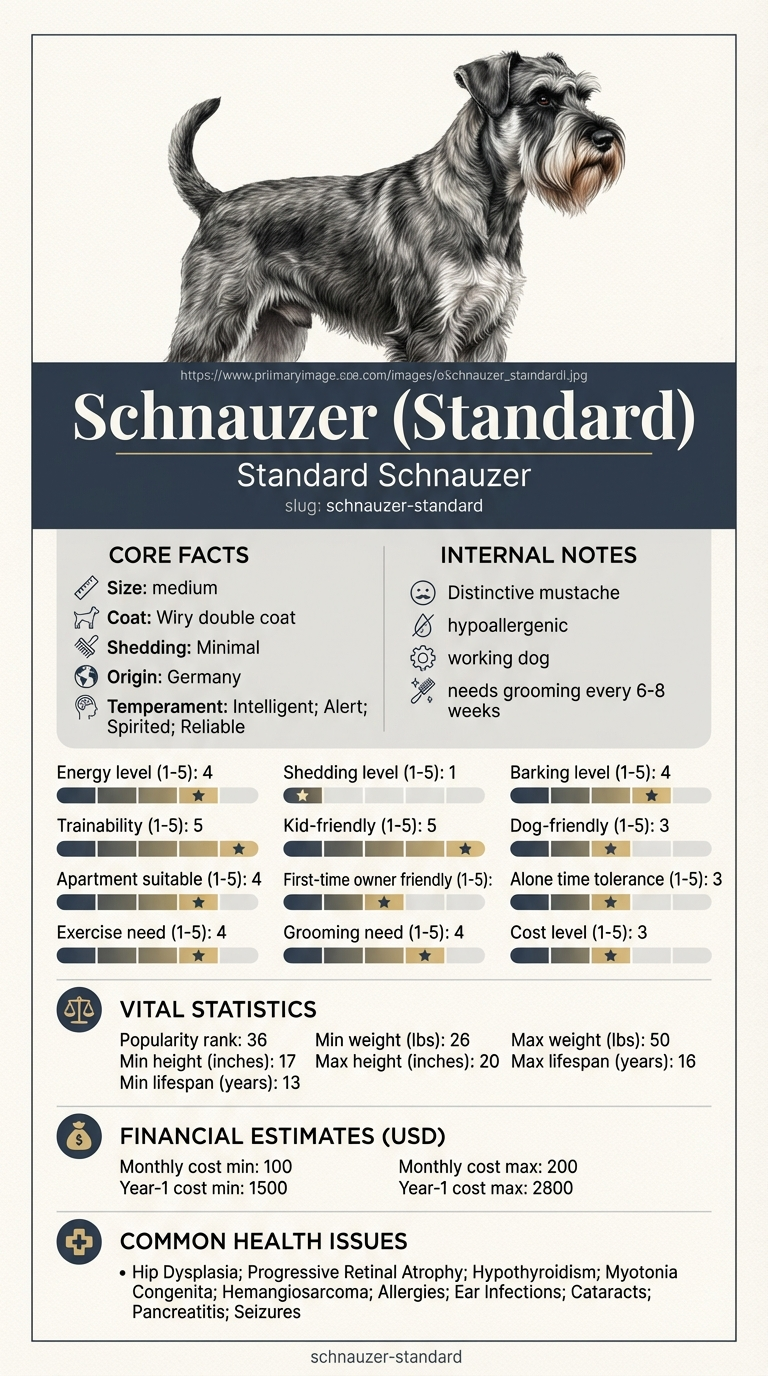
Schnauzers (Standard) are known to have a predisposition to allergies due to their genetic makeup. Their wiry double coat can also trap allergens, making them more susceptible to skin irritations and reactions. Additionally, their alert and intelligent nature may cause them to react strongly to environmental changes or unfamiliar substances.
Environmental factors play a significant role in allergic reactions. Common triggers include pollen, dust mites, mold, and certain foods. Additionally, exposure to harsh chemicals in cleaning products or grooming supplies can lead to skin irritations or respiratory issues.
If your Schnauzer (Standard) is constantly scratching or seems anxious, consulting a dog trainer can help. They can provide behavior modification techniques to reduce stress and improve your dog's comfort levels. A trainer can also guide you through desensitization techniques for environmental triggers.
If your dog's allergic reactions persist or worsen, it’s important to consult a veterinarian. They can conduct allergy tests to identify specific triggers and may recommend antihistamines or other treatments. Seek veterinary advice immediately if your Schnauzer (Standard) shows signs of severe reactions, such as swelling or difficulty breathing.
It can take several weeks to months to identify and manage your Schnauzer's allergic reactions effectively. Consistent training and monitoring are key.
Success means your Schnauzer experiences fewer allergic reactions, improved comfort, and a more stable daily routine. You’ll also feel more confident handling their needs.
Understanding common mistakes can help you manage your Schnauzer (Standard)'s allergic reactions more effectively. Here are some behaviors to avoid.
Red flags that signal an emergency include severe swelling, difficulty breathing, or a sudden drop in energy. If your Schnauzer is vomiting excessively or has diarrhea that persists, you should also contact your vet immediately. These symptoms can indicate a life-threatening reaction and should be treated as urgent.
On the other hand, if your Schnauzer has mild itching or skin irritation but is otherwise behaving normally, you may choose to monitor them at home. In such cases, keeping a close eye on their symptoms and noting any changes is key. If the symptoms persist for more than a couple of days or worsen, it’s time to reach out to your vet for guidance.
Always err on the side of caution. If you’re unsure whether the reaction is serious, a quick call to your veterinarian can help you decide on the next steps. Your dog’s health is paramount, so don’t hesitate to seek professional advice.
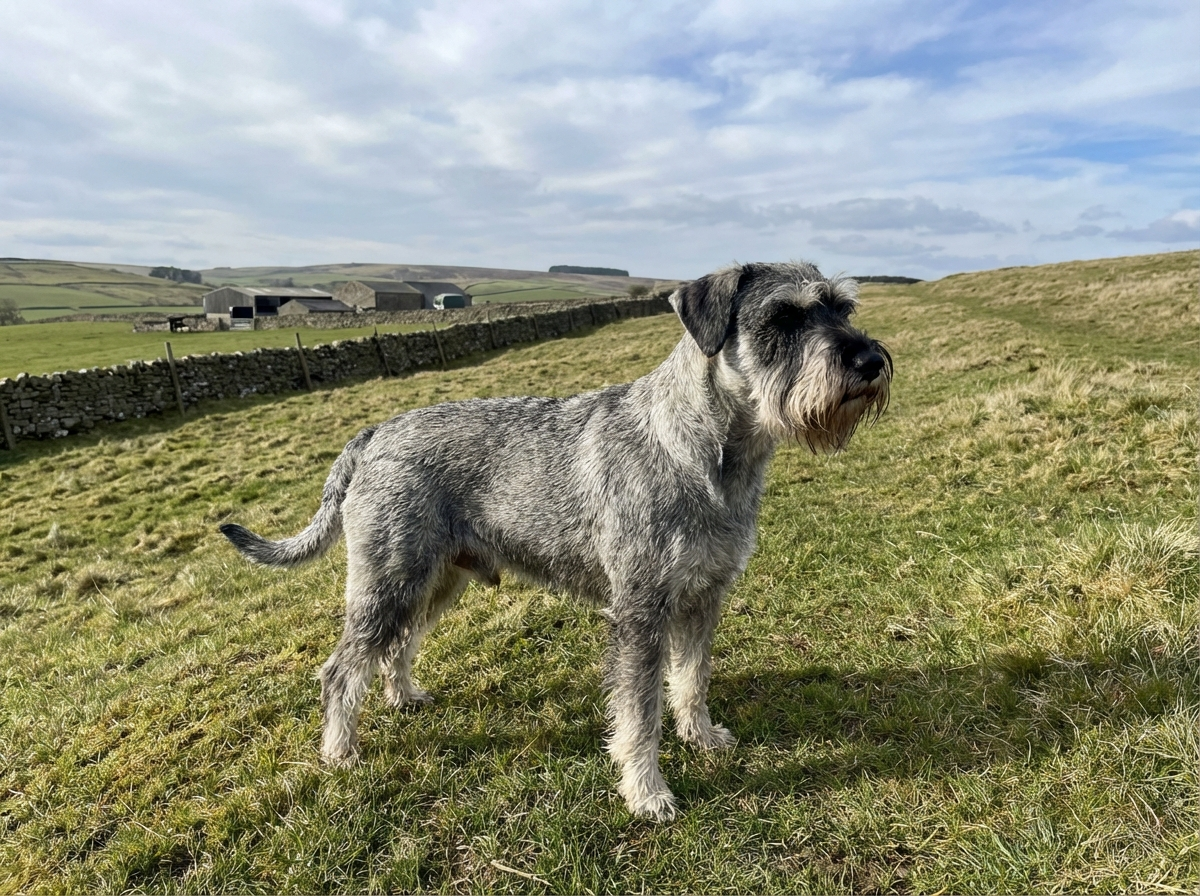
When Lisa, a busy nurse in Chicago, adopted Bella, her Standard Schnauzer, she quickly noticed Bella scratching excessively and having watery eyes. After consulting a vet, Lisa learned that Bella had allergies, likely triggered by environmental factors. She started a management plan that included an allergy-friendly diet, regular grooming, and keeping Bella away from potential allergens like pollen and dust. Over a few months, Bella's symptoms improved significantly, allowing her to enjoy her walks and playtime again.
Key takeaway: With patience and a proactive approach, you can successfully manage your Schnauzer's allergic reactions, leading to a happier, healthier pet.
Schnauzer (Standard) allergic reactions can be caused by various factors, including food, pollen, dust mites, or fleas. Their immune system may overreact to these allergens, leading to symptoms like itching, redness, or swelling. Identifying the specific trigger is crucial for effective management.
To manage your Schnauzer's allergic reactions, start by consulting your veterinarian for allergy testing. They may recommend dietary changes, medications, or allergy shots. Regular grooming and cleaning your home can also help reduce allergen exposure.
Common signs include excessive scratching, licking, ear infections, and skin irritations. You might also notice watery eyes or sneezing. If you observe these symptoms, it's important to seek veterinary advice.
Yes, a hypoallergenic diet can help manage allergic reactions. These diets often contain limited ingredients to reduce exposure to potential allergens. Speak with your vet to find the best options for your Schnauzer.
While some mild reactions can be managed at home with antihistamines or soothing baths, it's essential to consult your vet first. They can provide guidance on safe treatments and help identify underlying issues.
Common signs of allergic reactions in Schnauzers (Standard) include excessive itching, redness of the skin, and watery eyes. You might also notice sneezing or digestive issues like vomiting or diarrhea. If these symptoms persist, it's important to consult your vet.
Older Schnauzers (Standard) may have more severe allergic reactions due to weakened immune systems. Ensure they have a balanced diet, regular vet check-ups, and avoid known allergens. Your vet may also recommend hypoallergenic food or medications.
Yes, seasonal changes can significantly impact your Schnauzer's (Standard) allergies. Pollen, mold, and dust mites are common allergens that fluctuate with the seasons. Monitoring your dog's symptoms during these times can help you adjust their care.
You should see a vet if your Schnauzer's (Standard) allergic reactions are severe or if they do not improve with basic care. Signs like swelling, difficulty breathing, or persistent vomiting require immediate attention. Always err on the side of caution with allergic reactions.
Training tips for managing your Schnauzer's (Standard) allergies include teaching them to avoid certain areas where allergens are prevalent. Positive reinforcement can help them understand which foods or environments to avoid. Consistent routines can also make it easier to monitor their reactions.
Regular grooming can help remove allergens from your Schnauzer's coat. Keeping your home clean and using air purifiers may also reduce allergy triggers.
Monthly vet visits and treatments can cost between $100 to $200, depending on your Schnauzer's needs. Be prepared for additional costs if allergy testing is required.
Keep the affected area clean and consult your vet for the best treatment options. They may recommend medicated shampoos or topical treatments.