Behavior
What are quick tips for Schnauzer (Standard) bloat prevention?
Feed smaller, more frequent meals and avoid vigorous exercise right after eating. Consider using a slow feeder bowl to encourage slower eating.
Schnauzer (Standard) bloat, a serious stomach condition, can be life-threatening if not treated quickly. Understanding the signs and prevention methods is crucial for your dog's health. (Schnauzer (Standard) bloat (gastric dilatation-volvulus/gdv))
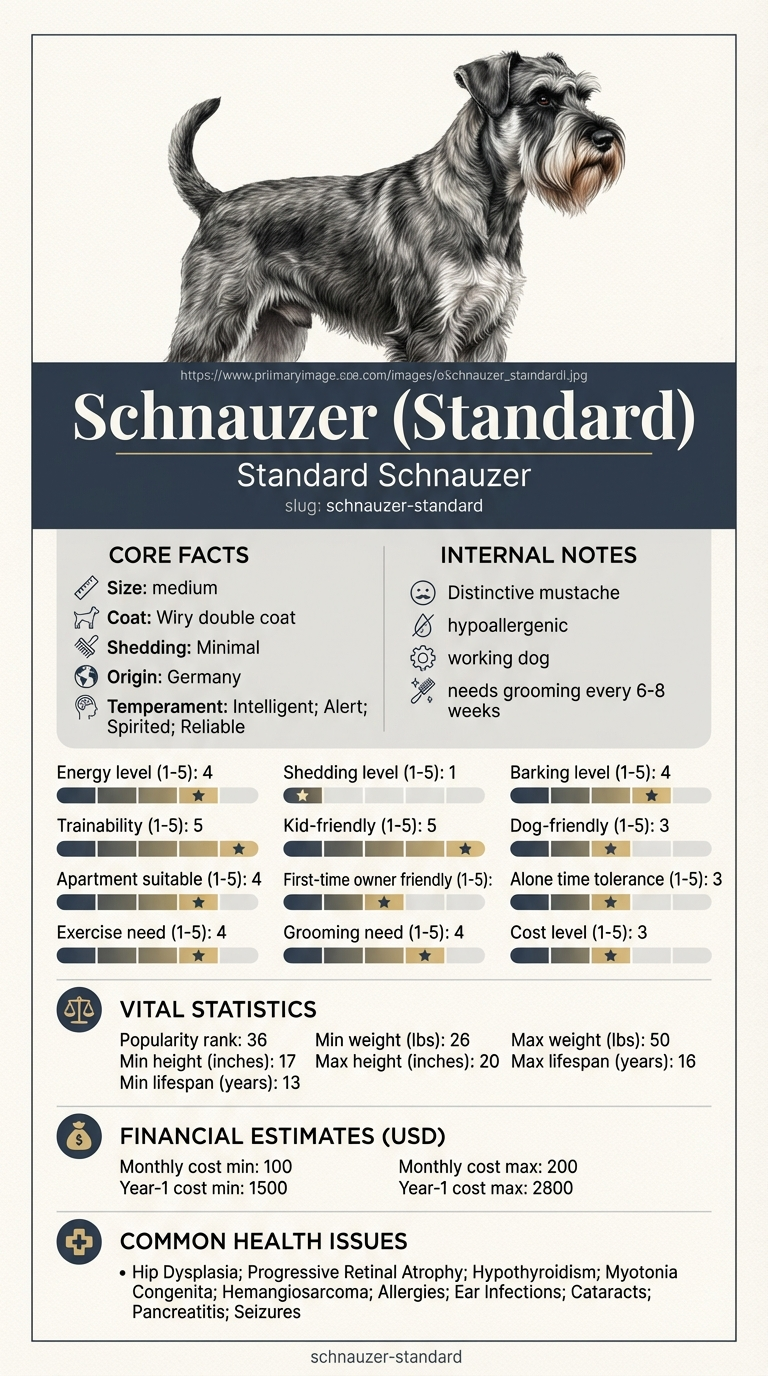
Owners of Schnauzer (Standards) often worry about bloat due to their medium size and unique body shape. This problem typically affects those who are inexperienced or unaware of the risks, especially first-time dog owners.
This guide is not medical advice. If your dog shows pain, sudden behavior change, or worsening symptoms, consult a licensed veterinarian.
Some links may be affiliate links. We may earn a commission at no extra cost to you. We only suggest products we believe are helpful for dog owners.
Schnauzer (Standard) bloat, or gastric dilatation-volvulus (GDV), is a serious condition that can occur suddenly. This problem often manifests through signs like restlessness, an enlarged abdomen, dry heaving, and excessive drooling. Owners may notice their Schnauzer appearing distressed and unable to settle down.
Bloat is relatively common among Schnauzers, especially if they have a family history of the condition. It can occur in any dog but is particularly prevalent in larger breeds and those with deep chests, making awareness crucial for owners.
Schnauzers (Standard) can be prone to bloat due to their deep chests and specific body structure. This breed's natural inclination toward anxiety and excitement can also increase the risk of gastric dilatation-volvulus (GDV). These factors combined create a perfect storm for bloat in Schnauzers.
Environmental factors such as rapid eating, excessive exercise after meals, or eating from elevated bowls can trigger bloat. Stressful situations, like loud noises or unfamiliar environments, might also contribute to anxiety, increasing the possibility of GDV. Monitoring their eating habits and surroundings is crucial.
If your Schnauzer shows signs of anxiety or stress during mealtime or in new situations, consider consulting a professional trainer. They can provide tailored strategies for reducing anxiety and improving behavior.
If your Schnauzer displays symptoms like a distended abdomen, restlessness, or attempts to vomit without success, contact your vet immediately. Bloat can escalate quickly and requires urgent care.
Addressing Schnauzer (Standard) bloat typically takes 1-3 months of consistent training and management. Regular check-ups with a vet are crucial during this period.
Success means your Schnauzer (Standard) shows fewer signs of bloat, such as excessive drooling or restlessness, and has a stable eating routine. You can also feel confident in recognizing early signs of distress.
Avoiding common mistakes can significantly improve your Schnauzer's chances of overcoming bloat. Here are some pitfalls to steer clear of.
Bloat, or gastric dilatation-volvulus (GDV), can be a life-threatening condition for your Schnauzer (Standard). It's crucial to recognize when to seek immediate vet help. If your dog shows any of the following red-flag signs, call your vet right away: excessive drooling, restlessness, a distended abdomen, or attempts to vomit without success. These symptoms indicate that bloat could be occurring, and time is critical.
On the other hand, there are mild cases where you can monitor your Schnauzer (Standard) at home. If your dog exhibits minor signs of discomfort, such as slight bloating after a meal, but is still eating, drinking, and behaving normally, you can watch and wait. However, have a plan in place to act quickly should symptoms worsen. Keeping an eye on their behavior and eating habits is key. Always err on the side of caution; if you're unsure, it's better to consult your vet.
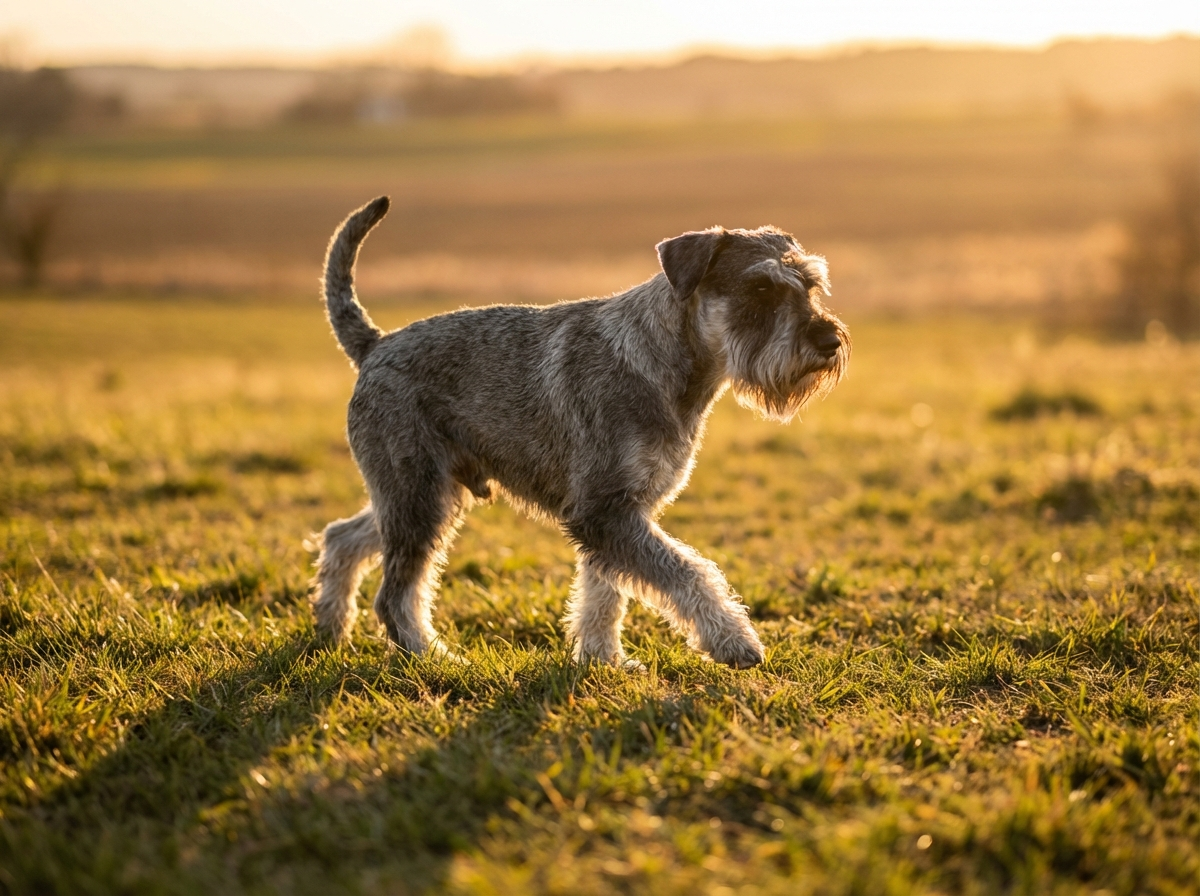
When Julie adopted Bella, her Standard Schnauzer, she quickly noticed Bella often seemed uncomfortable after meals. After a vet visit confirmed it was bloat, Julie learned about managing this condition. She started feeding Bella smaller meals throughout the day and avoided exercise right after eating. With consistent attention to Bella's diet and routine, the symptoms significantly decreased, leading to a happier, healthier dog.
Key takeaway: With the right diet adjustments and care, managing Schnauzer (Standard) bloat is achievable. Early intervention and routine changes can greatly improve your dog's well-being.
Bloat occurs when the stomach fills with gas and twists, cutting off blood flow. It's most common in deep-chested breeds and can be triggered by eating large meals too quickly or exercising right after eating. If your Schnauzer shows signs like restlessness or a swollen abdomen, seek immediate veterinary help.
To help prevent bloat, feed your Schnauzer smaller meals throughout the day instead of one large meal. Avoid vigorous exercise for at least an hour after eating. Using a slow feeder bowl can also reduce the speed at which they eat.
Symptoms of bloat can include a distended belly, unproductive attempts to vomit, and signs of distress like pacing or panting. If you observe these symptoms, it's crucial to get your dog to a vet immediately as this is a medical emergency.
If your Schnauzer exhibits signs of bloat, do not wait. Take them to the vet immediately. Quick treatment can be the difference between life and death in cases of bloat.
While training won't prevent bloat, teaching your Schnauzer to eat slowly and avoid rough play after meals can help. Positive reinforcement techniques can be effective in encouraging calm behavior around meal times.
Early signs of bloat in a Schnauzer (Standard) can include restlessness, drooling, and a distended belly. If your dog appears uncomfortable and is pacing or trying to vomit without success, it’s crucial to seek veterinary help immediately.
To prevent bloat in an older Schnauzer (Standard), consider feeding smaller meals throughout the day instead of one large meal. Also, ensure your dog stays calm after eating and avoid vigorous exercise immediately following meals.
Bloat can affect both male and female Schnauzers (Standard), but some studies suggest that males may be slightly more prone to this condition. Regardless of gender, it's essential to monitor your dog for symptoms and consult a vet if you have concerns.
If your Schnauzer (Standard) shows signs of bloat, such as a swollen abdomen or signs of distress, take them to the veterinarian immediately. This condition can escalate quickly and requires urgent treatment to prevent serious complications.
Yes, some diets, particularly those high in carbohydrates or that include certain fillers, may increase the risk of bloat in Schnauzers (Standard). It's best to consult your vet about the most suitable diet for your dog to minimize this risk.
Feed smaller, more frequent meals and avoid vigorous exercise right after eating. Consider using a slow feeder bowl to encourage slower eating.
Treating bloat can cost between $1,500 and $7,500 depending on the severity and necessary procedures. Be prepared for these potential costs.
While there isn't a clear hereditary link, deep-chested breeds like Schnauzers are generally more prone to bloat. Monitoring their eating habits is essential.
Look out for a swollen abdomen, excessive drooling, and signs of anxiety or discomfort. These symptoms require immediate veterinary attention.