DogBreedCompass
← Back to breed profile

Understanding Rottweiler Mix Small Nostrils (Stenotic Nares)

Rottweiler Mix small nostrils, or stenotic nares, can lead to serious breathing issues that affect your dog's quality of life. (Rottweiler Mix small nostrils (stenotic nares))

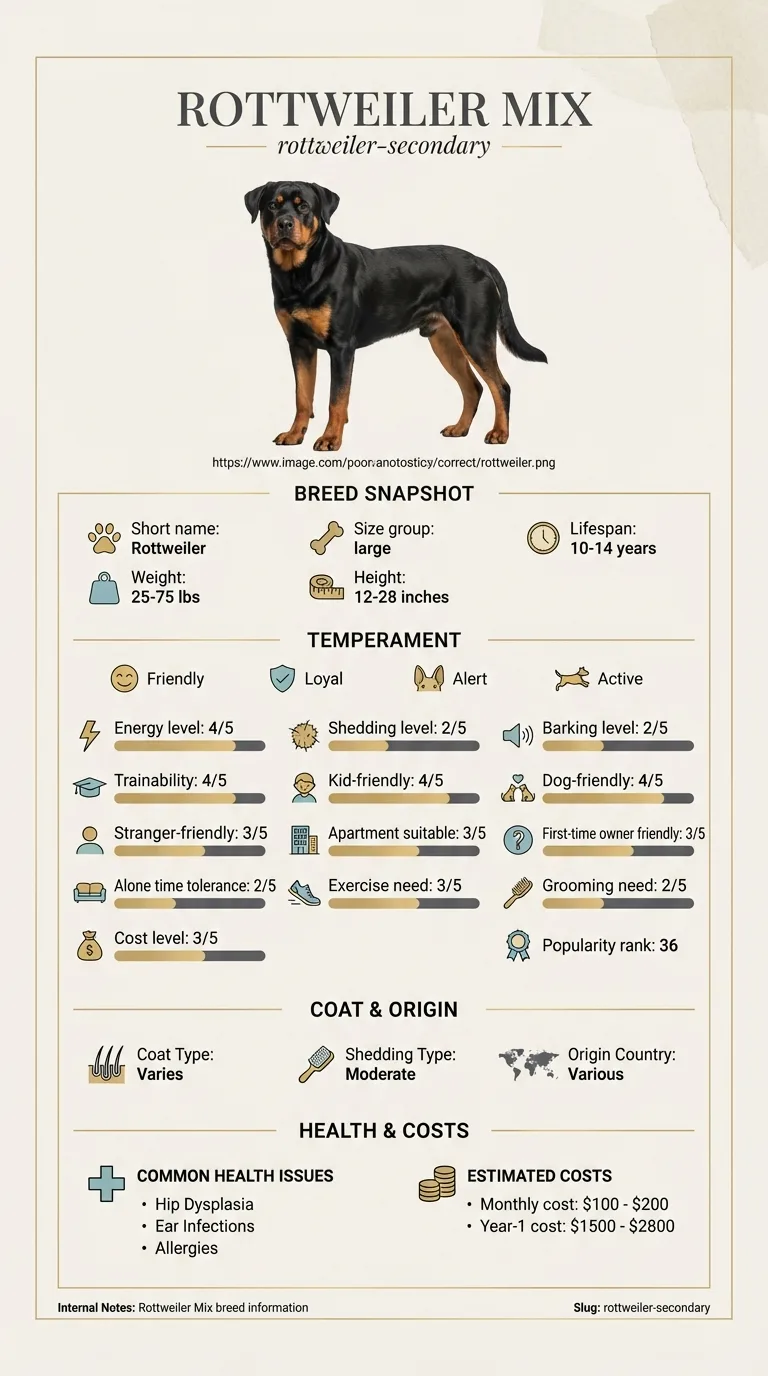
Understanding Rottweiler Mix Small Nostrils (Stenotic Nares) infographic

Owners of Rottweiler Mixes with small nostrils often find themselves worried about their dog's breathing. This issue can be especially troubling for first-time dog owners or those living in warmer climates, where breathing problems can worsen.

Important reminder

This guide is not medical advice. If your dog shows pain, sudden behavior change, or worsening symptoms, consult a licensed veterinarian.

Some links may be affiliate links. We may earn a commission at no extra cost to you. We only suggest products we believe are helpful for dog owners.

What this problem looks like

Rottweiler Mix small nostrils, also known as stenotic nares, can create daily challenges for both the dog and the owner. This condition often leads to breathing difficulties, especially during exercise or in hot weather. You might notice your Rottweiler Mix snorting, wheezing, or struggling to catch their breath after a short walk.

Common triggers

  • Hot weather
  • High energy activities
  • Stressful situations

Stenotic nares are a common issue among Rottweiler Mixes, particularly those with more brachycephalic traits. Many owners report noticing symptoms in their pets, especially as they age or if they have a particularly flat face.

Why this happens

Breed factors

Rottweiler Mixes, like many breeds with shorter snouts, can have small nostrils due to their genetic makeup. This physical trait can lead to breathing problems, known as stenotic nares, particularly in hot or humid weather.

Environment factors

Environmental factors can also contribute to this issue. Poor air quality, obesity, and lack of exercise may exacerbate breathing difficulties, making it harder for your Rottweiler Mix to get enough oxygen.

What you can try

At-home strategies

  • Monitor your dog's weight: Keep your Rottweiler Mix at a healthy weight to reduce pressure on their respiratory system.
  • Exercise regularly: Engage in moderate exercise, like walking or playing fetch, to help strengthen their lungs without overexertion.
  • Create a cool environment: Ensure your dog stays in well-ventilated areas, especially during hot weather, to prevent breathing difficulties.

When to consider a trainer

If your Rottweiler Mix shows signs of anxiety or stress related to breathing, consider consulting a dog trainer. They can provide techniques to help your dog feel more secure and calm during exercise or play.

When to talk to your vet

Talk to your vet if you notice persistent coughing, wheezing, or labored breathing. These could be signs of a more serious condition that requires medical attention or treatment.

Realistic expectations

Most owners begin to see improvements within 4 to 6 weeks of consistent training and management.

Success means your Rottweiler Mix can breathe more easily during exercise and shows reduced signs of distress, such as coughing or excessive panting.

Mistakes that make this worse – Rottweiler Mix small nostrils (stenotic nares)

Avoiding common mistakes can help your Rottweiler Mix with small nostrils (stenotic nares) breathe easier and feel more comfortable. Here are some behaviors to steer clear of.

  • Ignoring breathing sounds: If you notice your Rottweiler Mix snoring or wheezing, don't brush it off. This can signal worsening of the condition. Instead, consult your vet for advice on management and potential treatments.
  • Overexerting during exercise: Many owners think more exercise is better. But overdoing it can lead to panting and increased breathing difficulty. Instead, offer short, frequent walks and monitor your dog's breathing.
  • Neglecting weight management: Obesity can exacerbate breathing issues. If your Rottweiler Mix is overweight, work with your veterinarian on a weight loss plan focused on diet and exercise.
  • Using harsh collars: Traditional collars can put pressure on the throat and worsen breathing problems. Opt for a harness that distributes pressure away from the neck instead.
  • Failing to monitor temperature: Hot weather can make it harder for your Rottweiler Mix to breathe comfortably. Keep them cool and hydrated during warmer months, and avoid strenuous activities when it's hot outside.
  • Skipping regular check-ups: Some owners think once they understand the issue, they don’t need follow-ups. Regular vet visits can help catch any changes early and ensure your dog is managing well.

When It Is an Emergency

If your Rottweiler Mix has small nostrils (stenotic nares), it's important to know when to act quickly. Emergency signs include difficulty breathing, gasping for air, or extreme lethargy. If your dog shows any of these symptoms, call your vet immediately. These issues can indicate severe airway obstruction that requires urgent medical attention.

In contrast, if your dog is snorting, wheezing occasionally, or seems to have mild exercise intolerance, these can often be monitored at home. You should keep an eye on their behavior and provided a calm environment. It’s wise to consult your vet to discuss a plan for managing their condition without immediate panic.

Watch for other red flags, such as blue-tinged gums, excessive panting at rest, or persistent coughing. These symptoms can escalate quickly and may indicate a serious problem. If you notice any of these signs, don't hesitate to seek veterinary help. Remember, it’s always better to be safe than sorry when it comes to your dog's health.

Understanding Rottweiler Mix Small Nostrils (Stenotic Nares) - When It Is an Emergency

Sam's Journey with Bella

Sam, a first-time dog owner, adopted Bella, a Rottweiler Mix, and quickly noticed her struggles with breathing, especially during walks. Worried about her health, he consulted his vet, who diagnosed her with stenotic nares. With guidance from a trainer, Sam learned how to manage Bella's condition through targeted exercises and gradual desensitization to physical activity. Over time, Bella became more comfortable and could keep up with Sam on their daily walks.

Key takeaway: With patience and proper training, you can help your Rottweiler Mix thrive, even when facing breathing challenges.

Frequently asked questions

Why does my Rottweiler Mix have small nostrils (stenotic nares)?

Small nostrils in Rottweiler Mixes can be a genetic trait, often linked to their breed. This condition can lead to breathing difficulties, especially during exercise or heat. Regular vet check-ups can help monitor any changes in their breathing. This answer relates to Rottweiler Mix small nostrils (stenotic nares).

How can I help my Rottweiler Mix with small nostrils (stenotic nares)?

To assist your Rottweiler Mix, ensure they have a cool environment and avoid strenuous exercise in hot weather. Training on calm breathing techniques can also help. Consult your vet for advice on possible surgical options if the condition is severe.

What training can help a Rottweiler Mix with breathing issues?

Training your Rottweiler Mix to respond to calm commands can reduce anxiety, which may help with breathing. Start with gentle training sessions, using positive reinforcement. Always keep the sessions short and fun to avoid stressing your dog.

Are there any specific exercises for a Rottweiler Mix with small nostrils?

Focus on low-impact activities like walking instead of running or playing fetch. Short, frequent walks can help maintain fitness without overexerting their breathing. Monitor your dog's breathing during activities and adjust as needed.

Can small nostrils (stenotic nares) in Rottweiler Mixes lead to other health issues?

Yes, small nostrils can lead to more serious breathing problems if not managed. It may also increase the risk of heat stress. Keeping up with regular vet visits is crucial to catch any complications early.

What are the signs that my Rottweiler Mix has small nostrils (stenotic nares)?

If your Rottweiler Mix has stenotic nares, you might notice difficulty breathing, snoring, or excessive panting. They may also tire easily during exercise, showing signs of distress like coughing or wheezing.

Can small nostrils (stenotic nares) affect my Rottweiler Mix as they age?

Yes, as Rottweiler Mixes age, their breathing issues may worsen due to decreased elasticity in their airways. It's important to monitor their breathing and consult a vet if you notice increased symptoms.

How can I help my Rottweiler Mix with small nostrils (stenotic nares) during hot weather?

Keep your Rottweiler Mix cool and avoid strenuous activities in high heat. Ensure they have access to shade and fresh water, and consider using air conditioning or fans to help them breathe easier.

When should I take my Rottweiler Mix to the vet for small nostrils (stenotic nares)?

You should consult a vet if your Rottweiler Mix shows persistent signs of breathing difficulty, such as gasping for air or excessive fatigue. A vet can assess the severity of the stenotic nares and recommend appropriate treatment.

Are there any training techniques to help my Rottweiler Mix with small nostrils (stenotic nares)?

While training techniques won't change the physical structure of their nostrils, you can focus on positive reinforcement to encourage calm behavior. Teaching relaxation techniques can help your dog manage situations that may trigger anxiety related to breathing.

Quick answers

View more answers
Behavior

What are quick tips for Rottweiler Mix small nostrils (stenotic nares)?

Keep your Rottweiler Mix in a cool area and avoid strenuous activities. Monitor their breathing closely during exercise. Discuss surgery with your vet if breathing issues worsen.

Training

How can I train my Rottweiler Mix with breathing problems?

Use positive reinforcement to teach calm commands. Keep training sessions short and rewarding to maintain their interest and reduce stress.

Costs

Are there costs associated with treating small nostrils in Rottweiler Mixes?

Treatment can vary widely, with costs ranging from vet visits to potential surgery. Budget for $150 to $800 depending on the severity of the condition and your vet's recommendations.

Related DogBreedCompass guides

  • Rottweiler Mix health issues overviewUnderstanding the common causes of breathing issues can help you manage your Rottweiler Mix's health effectively.
  • Rottweiler Mix behavior problemsExplore training techniques that can help alleviate anxiety and improve behavior in your Rottweiler Mix.
  • Rottweiler Mix cost breakdownLearn about the costs associated with owning a Rottweiler Mix to better prepare for their needs.
  • Rottweiler Mix separation anxiety guideIf your Rottweiler Mix struggles with separation anxiety, this guide offers strategies to help them cope.
  • Rottweiler Mix small nostrils (stenotic nares) trainingDiscover how to train your Rottweiler Mix to manage their small nostrils and improve their quality of life.

Related guides