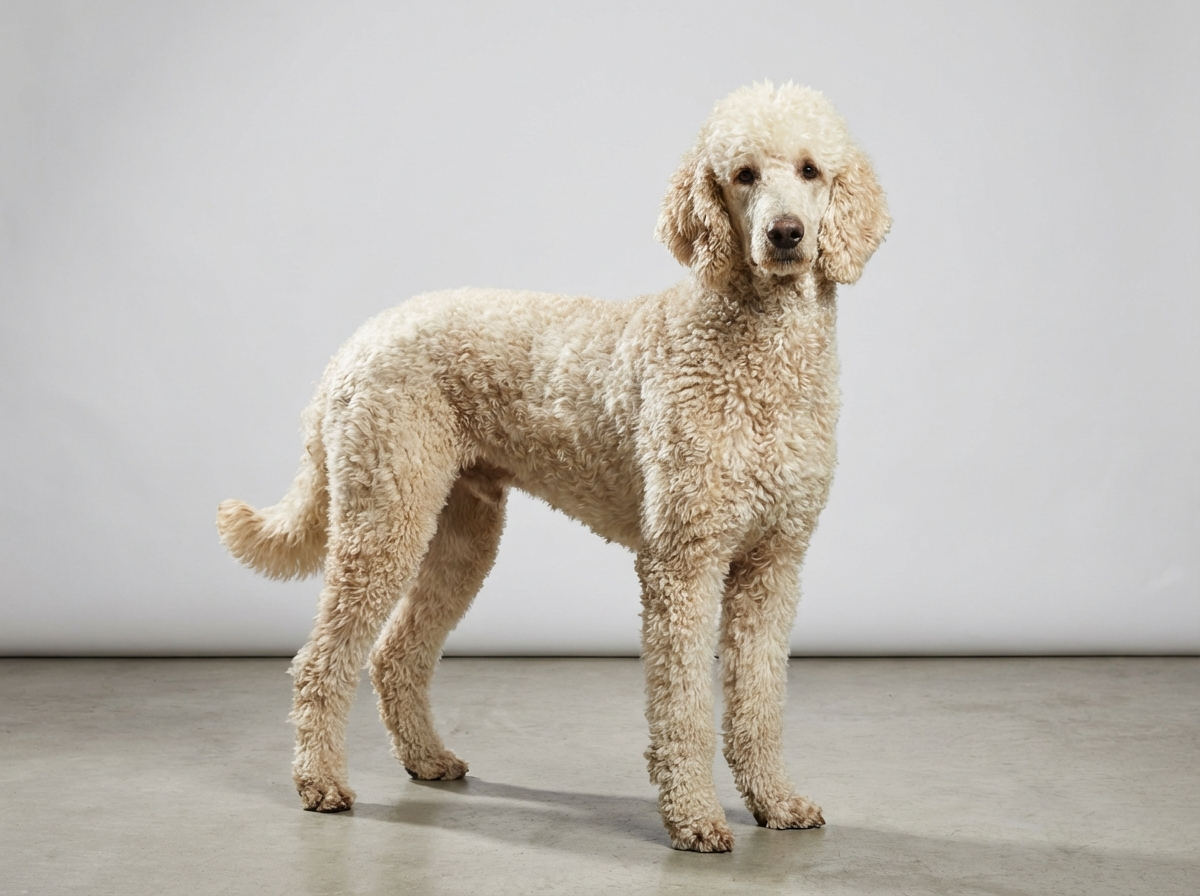
Health
What are quick tips for managing Poodle most common genetic disorders?
Choose a reputable breeder, schedule regular vet check-ups, and maintain a healthy diet for your Poodle.

Quick answer
What are quick tips for managing Poodle most common genetic disorders?
Choose a reputable breeder, schedule regular vet check-ups, and maintain a healthy diet for your Poodle.
Poodles can face certain genetic disorders that affect their health and well-being. Knowing these issues early can help you provide better care.
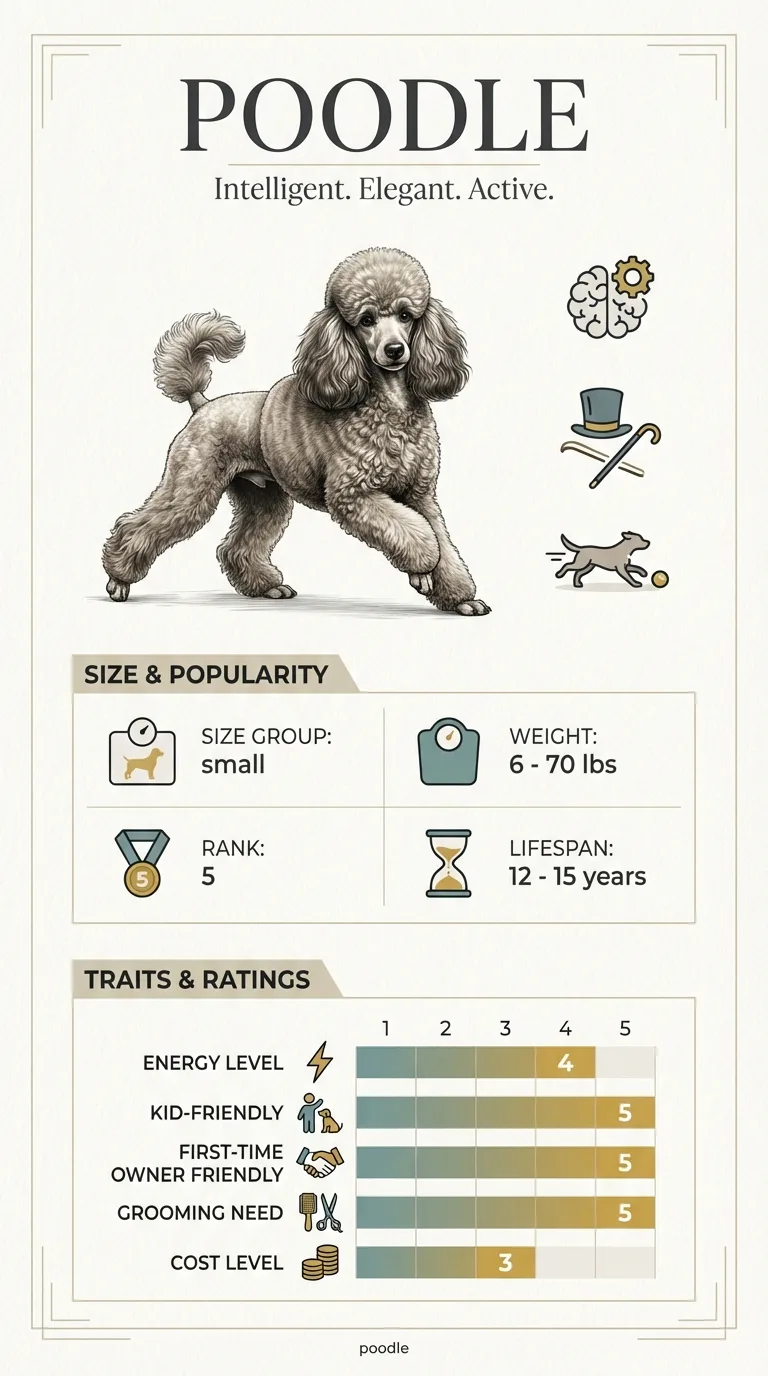
New Poodle owners or those unfamiliar with breeding practices may struggle with understanding these genetic risks. Additionally, owners of older Poodles may notice health issues and seek answers.
This guide is not medical advice. If your dog shows pain, sudden behavior change, or worsening symptoms, consult a licensed veterinarian.
Some links may be affiliate links. We may earn a commission at no extra cost to you. We only suggest products we believe are helpful for dog owners.
We research and check what we publish, but we do not warrant that any figure, date, price, or statement is accurate, complete, or current, and we accept no liability for any loss, cost, injury, or other harm arising from the use of this site. Use it as one reference among several. You remain responsible for your own decisions and for your dog's care - confirm anything that matters with a licensed veterinarian or another qualified professional before you act on it. Full disclaimer.
Check this first
Understanding when your Poodle's health issue is an emergency can save their life. Some signs indicate you should call your vet immediately, while others can be monitored. It's crucial to know the difference between red flags and mild concerns.
Emergency Signs: If your Poodle shows any of these symptoms, call your vet now: - Difficulty breathing or excessive coughing - Loss of consciousness or seizures - Severe vomiting or diarrhea, especially if it contains blood - Signs of pain, such as whining or inability to move
These symptoms could indicate serious conditions like dilated cardiomyopathy or other genetic disorders that require urgent care. Don’t delay in getting help if you notice these signs.
Monitor and Wait: In some cases, you can watch your Poodle at home. If they show mild symptoms such as: - Occasional coughing without distress - Slight lethargy but still eating and drinking - Mild digestive upset without blood
You can create a plan to monitor their condition. Keep a close eye on their behavior and consult your vet if symptoms persist or worsen. Remember, it's better to be cautious when it comes to your Poodle's health.
If any of these apply, call your vet or an emergency clinic now. The rest of this page is for the cases that are not an emergency.
Poodles are known for their intelligence and elegance, but they can be prone to specific genetic disorders. Day-to-day, this may reveal itself through symptoms like limping, difficulty breathing, or fatigue. Owners may notice their Poodle not wanting to play or exercise as much, causing concern about their health.
Genetic disorders like elbow dysplasia and dilated cardiomyopathy are relatively common in Poodles, especially as they age. While not every Poodle will face these issues, awareness and regular vet check-ups can help catch problems early.
Poodles are prone to certain genetic disorders due to their breeding history. Common issues include hip dysplasia and progressive retinal atrophy, which stem from inherited traits. Understanding these breed-specific vulnerabilities is key to managing your Poodle's health.
Environmental factors can also contribute to a Poodle's health issues. Lack of exercise, poor diet, and insufficient mental stimulation can exacerbate genetic predispositions. Stressful living conditions may also lead to anxiety, creating a cycle that affects overall health.
If you notice any unusual symptoms such as limping, excessive thirst, or changes in appetite, schedule a vet appointment. Early diagnosis and treatment are crucial for managing genetic disorders effectively.
Avoiding common mistakes can help manage Poodle genetic disorders more effectively. Here are some behaviors that can accidentally worsen the situation.
See all Poodle health problems, which breeds are prone to most common genetic disorders, or the full Poodle breed guide for temperament, exercise needs and ownership costs.
Most owners notice symptoms of genetic disorders in their Poodles by the age of 2 to 3 years. Working with a vet on preventative care can help catch issues early.
Success means maintaining your Poodle's health through regular vet check-ups, early detection of disorders, and managing any health issues with appropriate treatment and lifestyle adjustments.
When Sarah adopted Bella, her energetic Poodle, she was excited but soon noticed Bella limping after playtime. After a vet visit, Sarah learned that Bella had early signs of elbow dysplasia, a common genetic disorder in Poodles. Determined to help her furry friend, Sarah started a strict regimen of low-impact exercises and scheduled regular vet check-ups. She also educated herself about Bella's condition and joined a local dog owners' group for support. Over time, Bella's mobility improved, and Sarah learned to manage her health proactively.
Key takeaway: Being proactive about your Poodle's health can make a significant difference. Early detection and management of genetic disorders lead to a happier, healthier dog.
Poodles are prone to several genetic disorders, including hip dysplasia and certain eye conditions like progressive retinal atrophy. Regular veterinary check-ups can help in early detection of these issues. This answer relates to Poodle most common genetic disorders.
Genetic disorders in Poodles often arise due to selective breeding practices that focus on specific traits. This can lead to a higher likelihood of inherited health issues, making it essential to choose a reputable breeder.
While you can't completely prevent genetic disorders, you can minimize risks by ensuring that your Poodle is from a responsible breeder who screens for these issues. Regular vet visits and a healthy lifestyle can also help.
If you notice any symptoms such as limping, difficulty breathing, or changes in behavior, consult your veterinarian immediately. Early diagnosis and treatment can make a significant difference.
Training can assist in managing behaviors that arise from discomfort due to genetic disorders. Focus on positive reinforcement to encourage calm behavior, especially if your Poodle is experiencing pain or anxiety.
Consult with your vet for a health screening and discuss your Poodle's family history. Genetics play a significant role, so understanding your dog's lineage can help assess potential risks.
Common signs include unusual behaviors, lethargy, or difficulty moving. If your Poodle seems to be in pain or has trouble with physical activities, it's essential to consult a vet for a thorough check-up.
Yes, older Poodles can be more prone to genetic disorders as their bodies age and any underlying issues may become more apparent. Regular vet visits are crucial to monitor their health.
Training can help improve your Poodle's behavior and adapt to any limitations caused by genetic disorders. However, it won't cure the condition, so it’s important to follow your vet's recommendations as well.
If you notice any unusual symptoms like persistent coughing, limping, or changes in appetite, it's time to see a vet. Early intervention can help manage any potential genetic issues effectively.
Providing a comfortable environment, a balanced diet, and regular vet check-ups are key. Additionally, gentle exercise and mental stimulation can help maintain their overall well-being.
Choose a reputable breeder, schedule regular vet check-ups, and maintain a healthy diet for your Poodle.
Use positive reinforcement techniques to encourage good behavior while being mindful of their physical limitations.
Poodles typically live 12 to 15 years, but genetic disorders can impact their health and longevity.
A one-page prep sheet for this condition: the signs, the questions to ask, what to get priced. Unlocks here.
You get: Vet visit prep sheet
No spam. One-click unsubscribe. See our privacy policy.
Preview page 1 before you decide.