Behavior
What are quick tips for Poodle (Miniature) progressive retinal atrophy (pra-rcd3)?
Keep your home consistent and clutter-free to help your dog navigate safely. Use verbal cues and training to boost their confidence.
Poodle (Miniature) progressive retinal atrophy (pra-rcd3) is a serious condition that leads to gradual vision loss.
Typically, owners of Mini Poodles who notice changes in their pet's vision, such as difficulty navigating familiar environments or increased anxiety in new situations, face this challenge.
This guide is not medical advice. If your dog shows pain, sudden behavior change, or worsening symptoms, consult a licensed veterinarian.
Some links may be affiliate links. We may earn a commission at no extra cost to you. We only suggest products we believe are helpful for dog owners.
Poodle (Miniature) progressive retinal atrophy (pra-rcd3) is a serious eye condition that leads to gradual vision loss. Day-to-day, this may manifest as your Mini Poodle bumping into furniture or hesitating in unfamiliar environments. Common triggers include changes in lighting or new surroundings, which can heighten your dog's anxiety.
Progressive retinal atrophy is relatively common among Mini Poodles, especially as they age. While not every Mini Poodle will develop this condition, it's important to be aware of the risk, particularly if your dog has a family history of eye issues.
Poodles (Miniature) are prone to progressive retinal atrophy (PRA-rcd3) due to genetic factors. This inherited condition affects the retina, leading to gradual vision loss. It's essential to understand that this is a breed-specific issue, and not all Mini Poodles will develop it.
While genetics play a significant role, environmental factors can also impact the progression of PRA-rcd3. Poor nutrition, lack of enrichment, and inadequate veterinary care can exacerbate symptoms. Ensuring a healthy lifestyle can help manage the condition.
If you're struggling to teach your Mini Poodle new commands or adapt to its vision changes, consider hiring a professional trainer. They can provide tailored strategies to improve communication and confidence in your dog.
Consult your vet if you notice any changes in your Mini Poodle's behavior or eyesight. Early intervention can help manage PRA-rcd3 more effectively and ensure your dog remains comfortable.
Managing Poodle (Miniature) progressive retinal atrophy (pra-rcd3) is a gradual process. Owners typically see noticeable changes over several months. Consistent monitoring and adjustments can lead to improvements in handling the dog's needs within six months to a year.
Success means your Mini Poodle adapts to their vision changes. They’ll learn to navigate familiar spaces confidently. You should also notice a decrease in anxiety and frustration around new environments.
Avoiding these common mistakes can help manage your Poodle (Miniature)'s progressive retinal atrophy (pra-rcd3) more effectively.
Recognizing when Poodle (Miniature) progressive retinal atrophy (PRA-rcd3) becomes an emergency is crucial for your pet's health. You should call your vet immediately if your dog shows severe symptoms such as sudden vision loss, excessive bumping into objects, or signs of distress. Additionally, if you notice rapid changes in their behavior, such as increased anxiety or disorientation, don't hesitate to seek professional help.
On the other hand, if your Mini Poodle exhibits mild symptoms like slight difficulty navigating familiar areas or occasional hesitance in bright light, you can monitor the situation at home. Keep track of any changes in their behavior or vision, and consider setting up a comfortable environment to help them adjust. Regular vet check-ups can also help manage the condition effectively. Document any observations you make, as this information can be valuable for your vet during visits.
In summary, immediate veterinary care is necessary for significant changes in your Mini Poodle's vision or behavior. However, if the symptoms are mild, you can take a wait-and-see approach while keeping an eye on your dog's well-being. Always err on the side of caution, as timely intervention can make a big difference in managing PRA-rcd3.
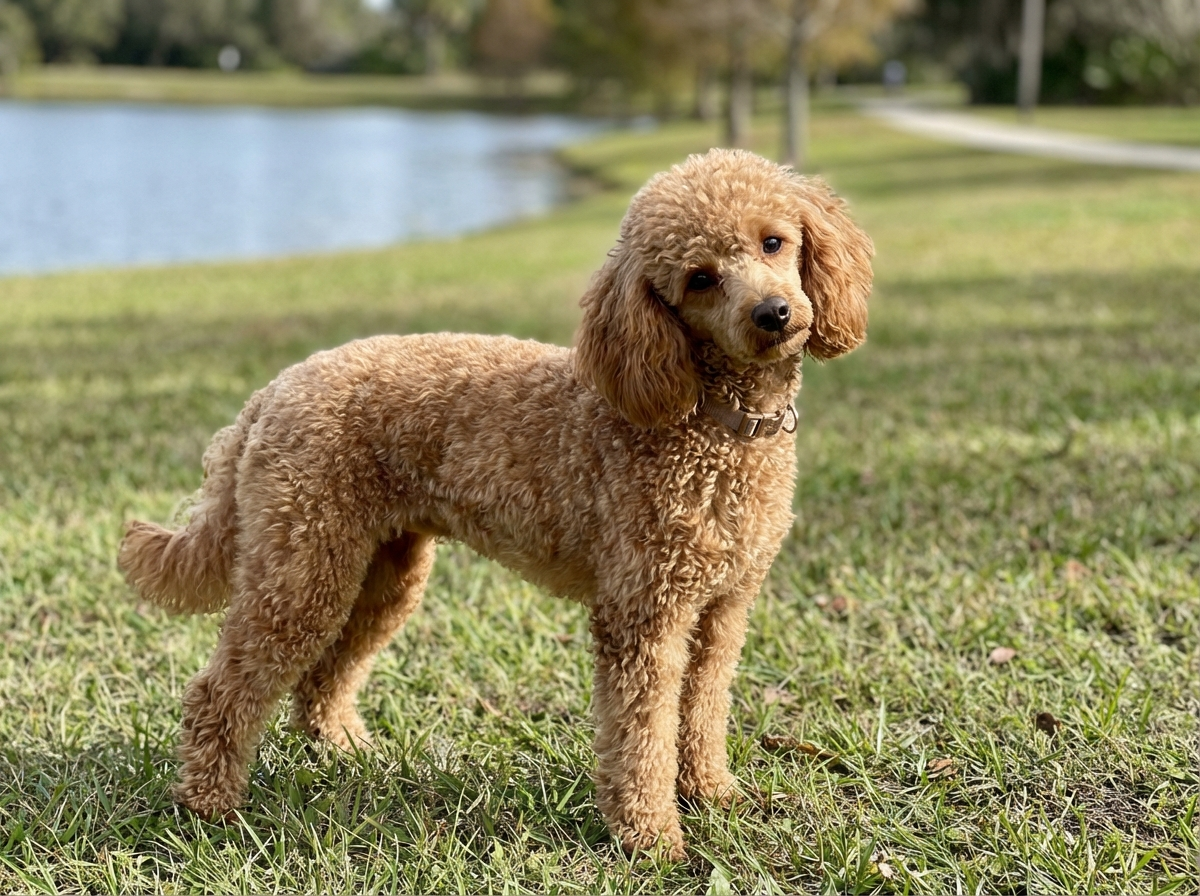
Jane, a busy nurse in Chicago, noticed her Mini Poodle, Bella, struggling to find her favorite toys. After a vet visit confirmed progressive retinal atrophy (pra-rcd3), Jane felt overwhelmed. She committed to creating a safe space at home, using consistent commands, and guiding Bella through daily routines. Over time, Bella learned to navigate their apartment with ease, even bumping into fewer furniture pieces. Jane also found that using textured mats helped Bella identify different areas in their home.
Key takeaway: With patience and a structured approach, you can help your Mini Poodle adapt to sight loss, reducing anxiety and improving their quality of life.
Poodle (Miniature) progressive retinal atrophy (pra-rcd3) is typically a genetic condition. It affects the retina and leads to gradual vision loss. If your dog shows signs of vision issues, consult your vet for a proper diagnosis.
While there's no cure for Poodle (Miniature) progressive retinal atrophy (pra-rcd3), you can help by creating a safe environment. Keep furniture in the same place and use scent markers to guide them. Training can also help improve their confidence navigating.
Common signs include difficulty seeing in low light, bumping into objects, and reluctance to go outside. As the disease progresses, you may notice more severe vision loss. Regular vet check-ups are important to monitor your dog's eyesight.
Yes, it can impact their quality of life, but many dogs adjust well. Providing consistent routines and training can help them adapt. Support from you will make a big difference in their comfort and confidence.
Yes, Poodle (Miniature) progressive retinal atrophy (pra-rcd3) is often inherited. Responsible breeding practices can help reduce the risk. If you're considering getting a Mini Poodle, ask about the parents' health history.
If you suspect your dog has this condition, schedule a vet appointment for a thorough examination. Early diagnosis can help manage the condition better. Your vet might recommend specific care or adjustments to your dog's environment.
Early signs of PRA-rcd3 may include difficulty seeing in low light or a noticeable increase in bumping into objects. You might also observe your Poodle (Miniature) hesitating or becoming anxious in unfamiliar environments. If you notice these signs, consult your vet for an assessment.
Currently, there is no cure for PRA-rcd3 in Poodles (Miniature). However, early detection and management strategies can help your dog adapt to vision loss. Working with a veterinarian can provide options to improve their quality of life.
To help your Poodle adjust, maintain a consistent home environment and avoid rearranging furniture. Use verbal cues and scent markers to guide them. Training with positive reinforcement can also support their confidence in navigating their surroundings.
Yes, PRA-rcd3 is often hereditary in Poodles (Miniature) and can be passed down from parents. Responsible breeding practices can help reduce the incidence of this condition. If you're considering getting a Mini Poodle, look for breeders who perform health screenings.
If you suspect your Poodle (Miniature) is experiencing vision issues, it's important to see a vet as soon as possible. Prompt diagnosis can lead to better management strategies and support for your dog. Regular check-ups can also help catch any changes early.
Keep your home consistent and clutter-free to help your dog navigate safely. Use verbal cues and training to boost their confidence.
It's best to have regular check-ups every 6-12 months to monitor their vision and overall health.
Yes, training is beneficial. Focus on commands and cues that support their navigation and build their confidence.
Choose a breeder who tests for genetic conditions, including PRA, and provides health clearances for the puppies' parents.