DogBreedCompass
← Back to breed profile

Poodle (All Sizes) Progressive Retinal Atrophy (PRA)

Progressive retinal atrophy (PRA) is a serious condition that affects the vision of Poodles (All Sizes). This progressive vision loss can lead to significant challenges for both dogs and their owners. (Poodle (All Sizes) progressive retinal atrophy (pra))

Poodle (All Sizes) Progressive Retinal Atrophy (PRA) infographic

Typically, owners of Poodles (All Sizes) may face this issue, especially those who are unaware of the breed's predisposition to eye problems. New dog owners or those with a family history of PRA might find it particularly daunting as they strive to ensure their pet's well-being.

Important reminder

This guide is not medical advice. If your dog shows pain, sudden behavior change, or worsening symptoms, consult a licensed veterinarian.

Some links may be affiliate links. We may earn a commission at no extra cost to you. We only suggest products we believe are helpful for dog owners.

What this problem looks like

Poodle (All Sizes) progressive retinal atrophy (PRA) is a hereditary eye condition leading to gradual vision loss. Day-to-day, this can manifest as difficulty seeing in low light, bumping into objects, or hesitance when navigating familiar spaces. Owners may notice their Poodle becoming more cautious or displaying anxiety in new environments.

Common triggers

  • Aging process
  • Genetic predisposition
  • Stressful changes in environment
  • Lack of proper socialization

PRA is relatively common in Poodles, particularly as they age. It's essential for owners to be aware of this condition, especially in senior dogs, as early diagnosis can help manage symptoms effectively.

Why this happens

Breed factors

Poodles are genetically predisposed to Progressive Retinal Atrophy (PRA). This condition affects the retina, causing gradual vision loss. It's more common in certain sizes of Poodles, and early signs may go unnoticed.

Environment factors

Environmental factors, such as inadequate exposure to light or poor nutrition, can also influence the onset of PRA. Additionally, stress and lack of mental stimulation may exacerbate vision-related behaviors. Regular vet check-ups can help monitor their eye health.

What you can try

At-home strategies

  • Provide a well-lit space for your Poodle to move around safely. This can help them navigate better and reduce anxiety.
  • Engage your Poodle in scent-based games to stimulate their other senses. This can improve their confidence and reduce reliance on sight.
  • Keep a consistent routine to help your Poodle feel secure. Predictable environments can lessen confusion as their vision declines.

When to consider a trainer

If your Poodle shows signs of anxiety or behavioral changes due to vision loss, a professional trainer can help. Look for trainers who specialize in dogs with disabilities or sensory issues.

When to talk to your vet

Consult your vet if you notice any changes in your Poodle's vision, such as bumping into objects or hesitating to move. Regular vet visits are essential for monitoring PRA and ensuring your dog's overall health.

Realistic expectations

With consistent training and care, you can expect to see improvements in your Poodle's adaptation to vision loss within 3 to 6 months.

Success means your Poodle is able to navigate familiar environments confidently and responds well to verbal commands, despite their vision impairment.

Mistakes that make this worse – Poodle (All Sizes) progressive retinal atrophy (pra)

Avoiding common mistakes can help manage Poodle (All Sizes) progressive retinal atrophy (PRA) more effectively. Here are some behaviors to watch out for.

  • Ignoring early signs of vision loss
  • Not adjusting your home environment
  • Over-restraining their movement
  • Failing to provide consistent training
  • Neglecting regular vet check-ups

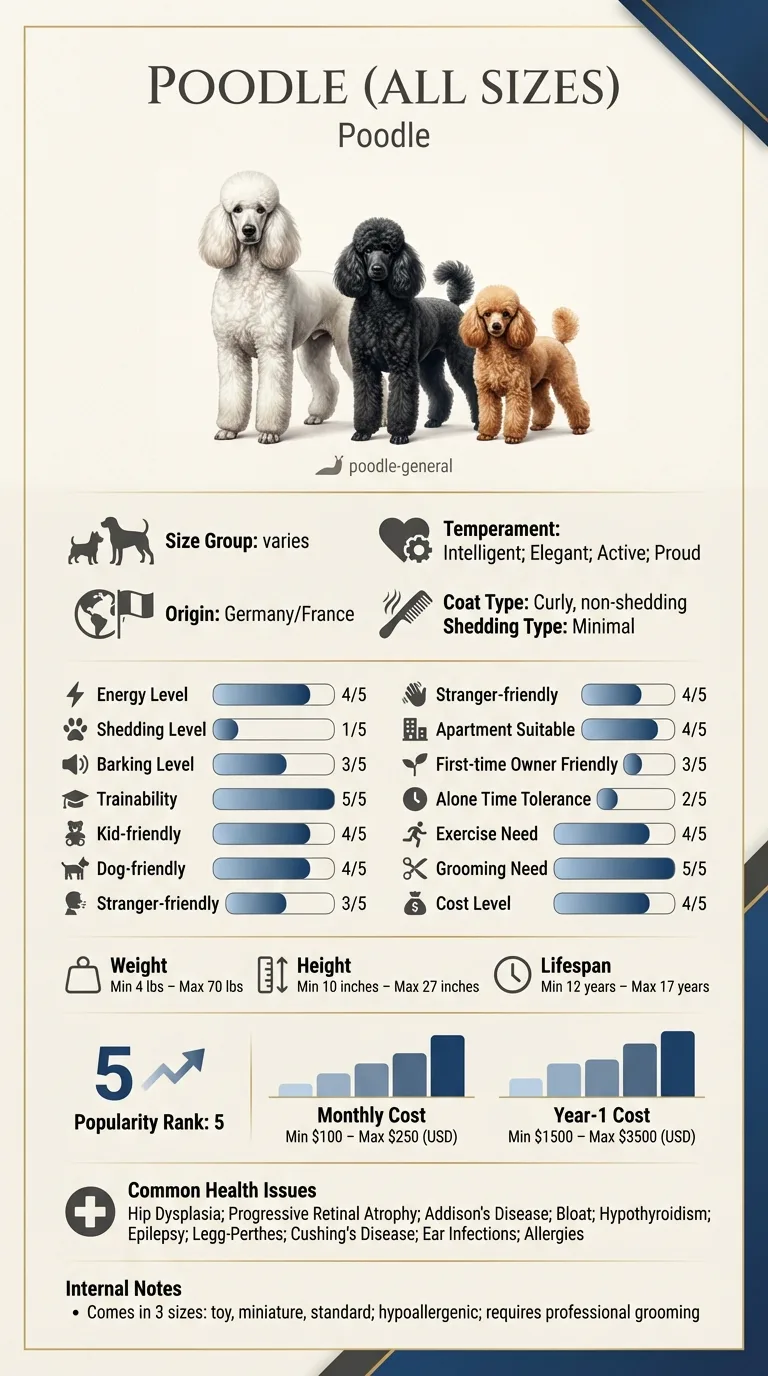
When Progressive Retinal Atrophy (PRA) is an Emergency

It's crucial to recognize when Poodle (All Sizes) progressive retinal atrophy (PRA) becomes an emergency. Immediate veterinary attention is necessary if your dog shows signs of sudden vision loss, severe disorientation, or if they seem to be in pain. Additionally, if you notice unusual behavior, such as bumping into objects or becoming overly anxious, it's time to call your vet without delay.

On the other hand, if your Poodle is experiencing mild symptoms like slight vision changes or seems to navigate their environment reasonably well, you can monitor them at home. Keep an eye out for any gradual changes in their behavior or vision. A structured plan that includes regular vet check-ups can help you manage their condition effectively.

In summary, act quickly for sudden or severe symptoms, but take a watchful approach for mild cases. Understanding these signs can make a significant difference in your dog's quality of life.

Poodle (All Sizes) Progressive Retinal Atrophy (PRA) - When Progressive Retinal Atrophy (PRA) is an Emergency

Maggie's Journey with PRA

When Maggie, a Standard Poodle, was diagnosed with Progressive Retinal Atrophy (PRA), her owner, Lucy, felt overwhelmed. At first, Maggie struggled to find her way around the house and often bumped into furniture. Lucy decided to focus on training Maggie using voice commands and tactile cues. Over several months, Maggie learned to move confidently around familiar spaces. Lucy created a safe environment with consistent layouts and rewarded Maggie for navigating successfully. Their bond grew stronger as they worked through this challenge together.

Key takeaway: With patience and consistent training, Poodles with PRA can adapt to their vision loss and thrive in their environment.

Frequently asked questions

What is Poodle (All Sizes) progressive retinal atrophy (PRA)?

Poodle (All Sizes) progressive retinal atrophy (PRA) is a genetic condition that leads to progressive vision loss. It affects the retina, causing the cells to deteriorate over time. Early detection is crucial for managing this condition and providing support.

Why does my Poodle (All Sizes) have progressive retinal atrophy (PRA)?

PRA is primarily caused by inherited genetic factors. If your Poodle has PRA, it's likely due to a genetic predisposition passed down from its parents. Genetic testing can help determine if your dog is a carrier of the gene.

How can I help my Poodle (All Sizes) with progressive retinal atrophy (PRA)?

While there is no cure for PRA, you can help your Poodle adjust by creating a safe, familiar environment. Use consistent commands and avoid rearranging furniture to help them navigate. Regular vet check-ups are also essential to monitor their condition.

What are the symptoms of Poodle (All Sizes) progressive retinal atrophy (PRA)?

Symptoms of PRA include night blindness, difficulty seeing in low light, and bumping into objects. As the condition progresses, your Poodle may become more hesitant in unfamiliar environments. Monitoring these behaviors can help you assess their vision status.

Is progressive retinal atrophy (PRA) painful for my Poodle (All Sizes)?

No, PRA is not painful, but it can lead to significant frustration for your Poodle as their vision deteriorates. Providing them with understanding and patience is key. Engaging their other senses can help them adapt.

Can progressive retinal atrophy (PRA) be prevented in Poodles (All Sizes)?

Currently, PRA cannot be prevented, but responsible breeding practices can help reduce its occurrence. Genetic testing for carriers before breeding can also help limit the spread of this condition in future generations.

What should I do if I suspect my Poodle (All Sizes) has progressive retinal atrophy (PRA)?

If you suspect your Poodle has PRA, schedule a visit with your veterinarian. They can perform tests to confirm the diagnosis and provide guidance on managing your dog's vision loss effectively.

What are the early signs of progressive retinal atrophy (PRA) in my Poodle?

Early signs of PRA in Poodles can include difficulty seeing in low light, bumping into objects, or hesitance to navigate familiar areas. You might also notice changes in their behavior, such as increased clinginess or reluctance to go for walks.

Is progressive retinal atrophy (PRA) hereditary in Poodles?

Yes, PRA is often hereditary in Poodles and can be passed down from parent dogs. If you're considering a Poodle puppy, it's essential to ask the breeder about health clearances for PRA to minimize the risk.

How can I help my Poodle adjust to progressive retinal atrophy (PRA)?

Helping your Poodle adjust to PRA involves creating a safe environment and keeping furniture in the same place. You can also use verbal cues and tactile signals to guide them, making their daily life easier and less stressful.

When should I consult a vet about my Poodle’s vision changes?

If you notice any changes in your Poodle's vision or behavior, it's a good idea to consult your vet right away. Early intervention can help manage their condition and improve their quality of life.

Can progressive retinal atrophy (PRA) affect my Poodle's overall happiness?

While PRA impacts vision, it doesn't necessarily affect a Poodle's overall happiness. With proper care and adjustments to their environment, many dogs can continue to enjoy their lives despite vision loss.

Quick answers

View more answers
Training

How can I train my Poodle (All Sizes) with progressive retinal atrophy (PRA)?

Use verbal cues and consistent commands to help your Poodle navigate effectively. Training can involve guiding them through familiar environments to build confidence.

Living

What are some quick tips for living with a Poodle (All Sizes) with PRA?

Keep your home environment consistent and free of hazards. Be patient and supportive as they adjust to their vision changes.

Living

Are there any special products for Poodles (All Sizes) with progressive retinal atrophy (PRA)?

Consider using non-slip mats and bright toys to help your Poodle navigate and play safely. These can enhance their comfort and confidence at home.

Costs

What is the cost of managing Poodle (All Sizes) with PRA?

Managing PRA may include regular vet visits and potential specialized care, costing around $100 to $250 monthly. Budgeting for these expenses is essential.

Related DogBreedCompass guides

Related guides