Behavior
What are quick tips to prevent Poodle (All Sizes) gastric dilatation-volvulus (gdv/bloat)?
Feed smaller, more frequent meals and avoid strenuous activity after eating. Use a slow feeder bowl to help moderate their eating pace.
Gastric dilatation-volvulus (GDV), or bloat, is a serious health concern for Poodles of all sizes. This life-threatening condition can escalate quickly, making it essential for owners to recognize the signs and act promptly. (Poodle (All Sizes) gastric dilatation-volvulus (gdv/bloat))
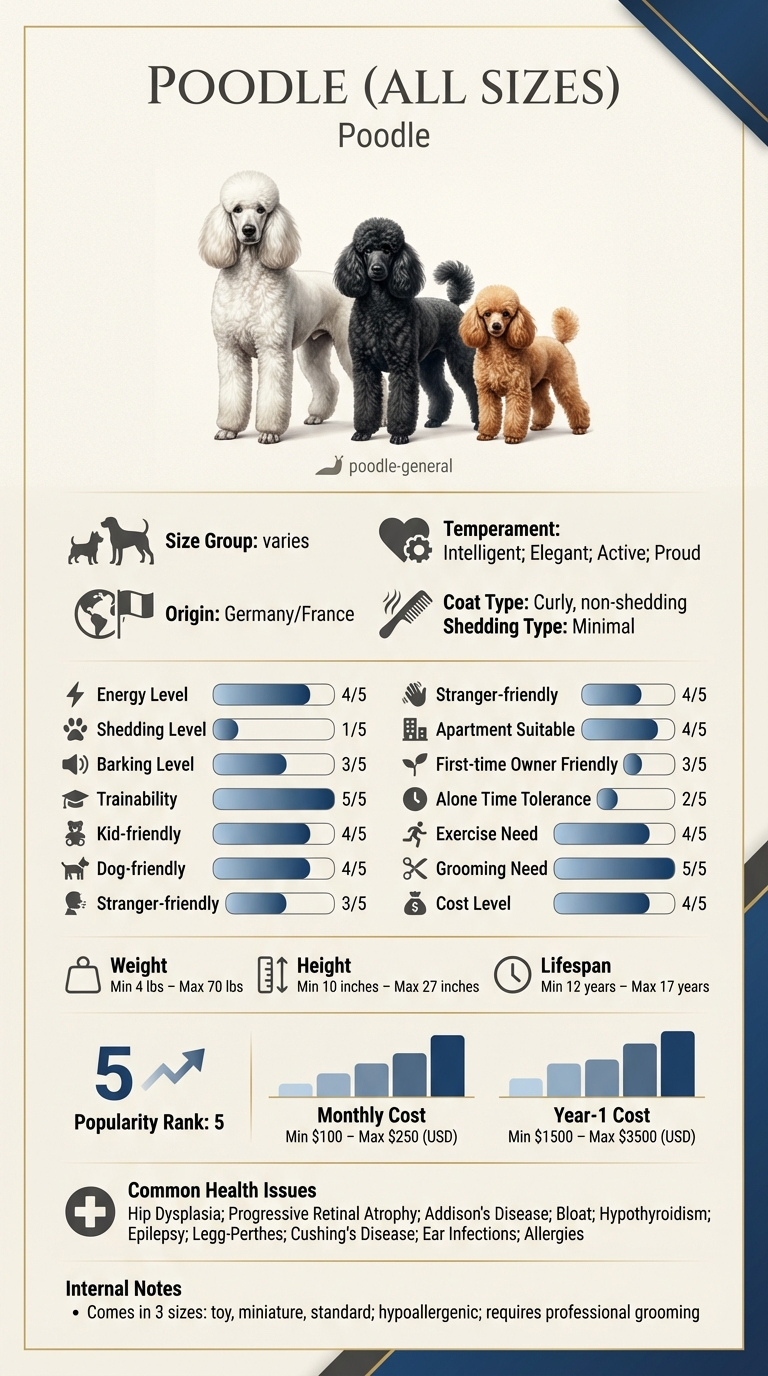
Owners of Poodles, especially first-time dog parents or those living in busy households, often find themselves struggling with this issue. The stress of worrying about their dog's health can be overwhelming, especially if they’ve witnessed a close call with bloat.
This guide is not medical advice. If your dog shows pain, sudden behavior change, or worsening symptoms, consult a licensed veterinarian.
Some links may be affiliate links. We may earn a commission at no extra cost to you. We only suggest products we believe are helpful for dog owners.
Poodle (All Sizes) gastric dilatation-volvulus (GDV/bloat) is a serious and life-threatening condition. It occurs when the stomach fills with gas and twists, cutting off blood supply. Day-to-day, a dog with this issue may show signs of discomfort, restlessness, and a swollen abdomen.
GDV is relatively common in larger dog breeds, including Poodles, especially those that eat quickly or are prone to anxiety. While the exact prevalence varies, it's important for Poodle owners to be aware of this risk and monitor their pets closely.
The Poodle, regardless of size, is predisposed to gastric dilatation-volvulus (GDV/bloat) due to its deep chest structure. This anatomical feature can lead to a higher risk of the stomach twisting or filling with gas. Additionally, their active and energetic nature might contribute to rapid eating or drinking, which can exacerbate the issue.
Environmental factors like stress, feeding habits, and exercise routines also play a role. Dogs that eat too quickly or are fed large meals without breaks are at greater risk. Furthermore, changes in routine or anxiety can trigger episodes of bloat in sensitive Poodles.
If your Poodle struggles with anxiety or stress-related behaviors that may contribute to bloat, consider consulting a professional trainer. They can help with strategies to create a calm feeding environment.
If your Poodle shows signs of distress after eating, such as restlessness, drooling, or a swollen abdomen, contact your vet immediately. GDV is a medical emergency that requires prompt attention.
Managing Poodle (All Sizes) gastric dilatation-volvulus (GDV/bloat) requires immediate attention. If your dog shows signs of bloat, seek veterinary care right away. Long-term management can involve dietary changes and training, taking several weeks to see improvement.
Success means recognizing symptoms early and preventing bloat through proper feeding habits, regular exercise, and professional guidance. You'll feel more confident in handling your Poodle's health and can reduce the risk of future episodes.
Avoiding common mistakes can help prevent gastric dilatation-volvulus (GDV/bloat) in Poodles. Here are some behaviors to steer clear of:
Gastric dilatation-volvulus (GDV), or bloat, can become life-threatening very quickly for your Poodle. It's crucial to recognize the signs that mean you should call your vet immediately. If your dog shows any of the following red flags, don’t hesitate—seek professional help right away.
These symptoms indicate that your Poodle might be in serious trouble: - Swollen abdomen that feels hard to the touch - Unproductive vomiting or retching - Rapid breathing or difficulty breathing - Excessive drooling - Signs of pain, such as whining or pacing - Weakness or collapse
Not all cases of GDV are emergencies. If your Poodle is showing mild signs such as slight discomfort, minor bloating, or occasional coughing without the severe symptoms listed above, you may monitor the situation at home. However, always have a plan to contact your vet if symptoms worsen.
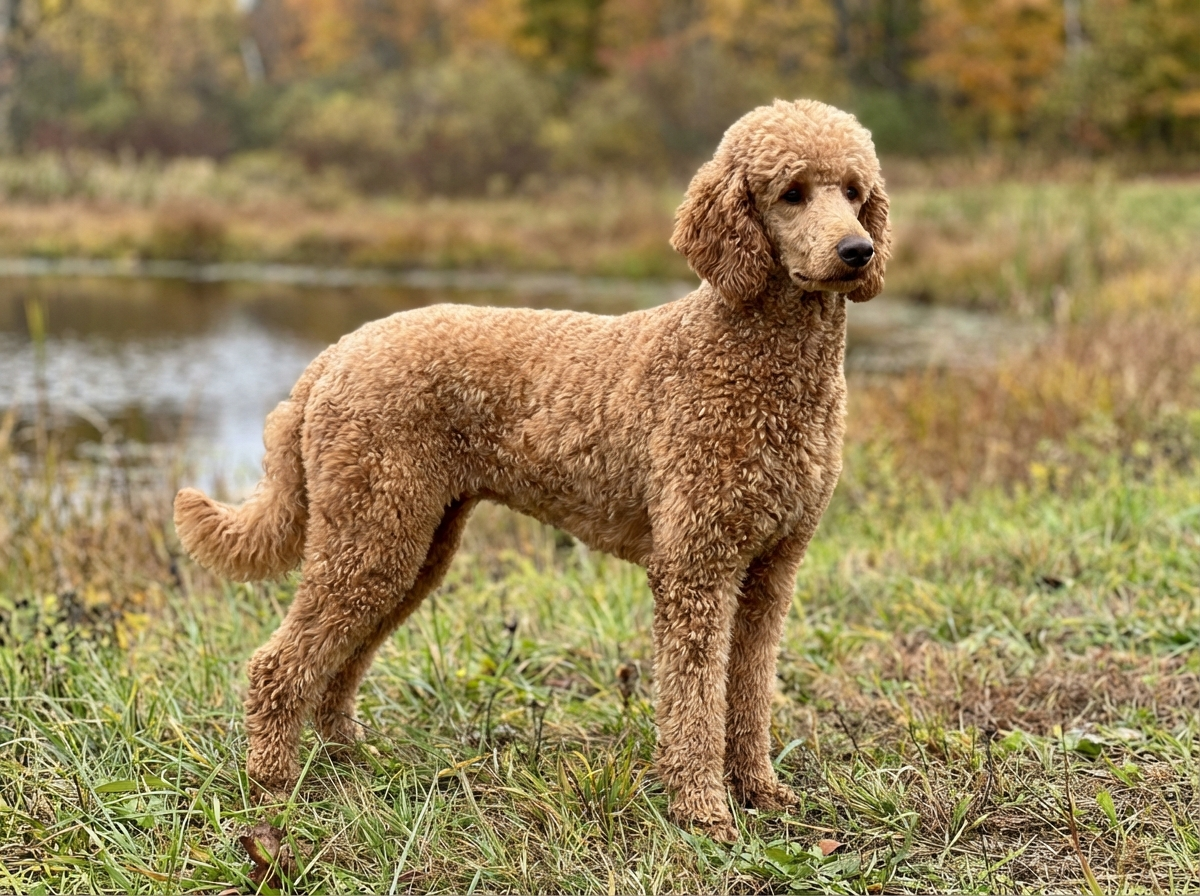
Emily, a busy nurse in Seattle, noticed her Poodle, Max, was more restless than usual. After a late-night vet visit, she learned Max had gastric dilatation-volvulus (GDV). Determined to help him, she consulted a veterinary nutritionist and adjusted his feeding schedule, switching to smaller, more frequent meals. With patience and monitoring, Emily saw Max become more relaxed and healthier over the following months.
Key takeaway: Recognizing the signs of GDV early and making simple feeding adjustments can greatly improve your dog's health and wellbeing.
Gastric dilatation-volvulus (gdv/bloat) can occur due to rapid eating, excessive drinking, or high levels of stress. It happens when the stomach fills with gas and twists, cutting off blood flow. Factors like genetics and size may also contribute to your Poodle's risk. This answer relates to Poodle (All Sizes) gastric dilatation-volvulus (gdv/bloat).
To reduce the risk of gdv/bloat, feed your Poodle smaller meals throughout the day instead of one large meal. Avoid vigorous exercise right after meals, and consider using a slow feeder bowl to prevent fast eating. Monitoring your dog’s stress levels can also help.
Common signs of gdv/bloat include a swollen stomach, unproductive attempts to vomit, excessive drooling, and signs of distress such as pacing or whining. If you notice these symptoms, seek veterinary help immediately, as this condition is life-threatening.
While all dog breeds can experience gdv/bloat, larger breeds like Poodles may be at a higher risk. Particularly, the standard Poodle is more susceptible due to its size and body shape. Regular monitoring and preventive measures are essential.
Gastric dilatation-volvulus (gdv/bloat) is a veterinary emergency and cannot be treated at home. If you suspect your Poodle has this condition, do not wait—take them to a vet immediately for treatment. Quick action can save their life.
If your Poodle is diagnosed with gdv/bloat, follow your vet’s treatment plan closely. This may include surgery and dietary changes. Regular check-ups are important to monitor their recovery and prevent future occurrences.
Early signs of gastric dilatation-volvulus (GDV/bloat) in your Poodle may include restlessness, pacing, or an inability to settle down. You might also notice a swollen abdomen or your dog trying to vomit without producing anything. If you see these signs, it's crucial to seek veterinary help immediately.
Yes, older Poodles can be at risk for gastric dilatation-volvulus (GDV/bloat). Age can increase susceptibility due to factors like decreased gut motility or prior health issues. Regular veterinary check-ups are essential to monitor their health and catch potential problems early.
The exact cause of gastric dilatation-volvulus (GDV/bloat) in Poodles isn't always known, but it can be influenced by factors such as eating habits, anxiety, or genetics. Large meals, fast eating, and vigorous exercise after meals can also contribute to this serious condition.
To help prevent gastric dilatation-volvulus (GDV/bloat) in your Poodle, feed smaller meals throughout the day instead of one large meal. Use a slow-feed bowl to discourage fast eating, and avoid vigorous exercise right after meals. Keeping your Poodle calm during feeding times can also help.
If you suspect your Poodle has gastric dilatation-volvulus (GDV/bloat), take them to the vet immediately. This condition is a medical emergency and can be life-threatening. Quick intervention can be crucial to your dog's recovery.
Feed smaller, more frequent meals and avoid strenuous activity after eating. Use a slow feeder bowl to help moderate their eating pace.
Look for signs like panting, pacing, or excessive barking. Creating a calm environment can help reduce their anxiety.
Treatment costs can vary widely but expect to pay anywhere from $1,500 to $3,000 for emergency care and surgery.