Behavior
How to prevent Poodle (All Sizes) bloat (gastric dilatation-volvulus/gdv)?
Feed smaller meals more frequently and avoid exercise right after eating.
Bloat, or gastric dilatation-volvulus (GDV), is a serious condition that can be life-threatening for Poodles of all sizes. (Poodle (All Sizes) bloat (gastric dilatation-volvulus/gdv))
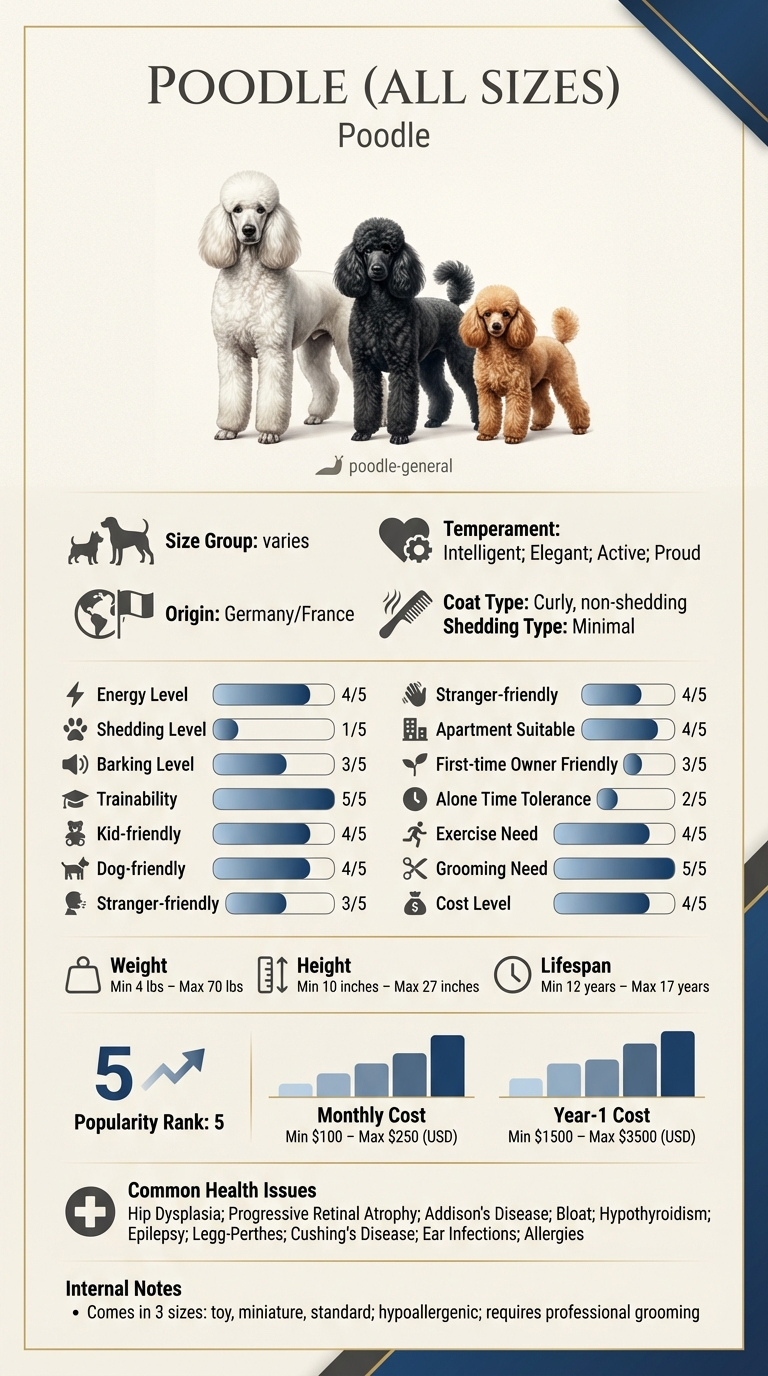
Owners of Poodles, particularly those who are new to the breed or those who may not be familiar with the signs of bloat, often face challenges in preventing and managing this serious issue.
This guide is not medical advice. If your dog shows pain, sudden behavior change, or worsening symptoms, consult a licensed veterinarian.
Some links may be affiliate links. We may earn a commission at no extra cost to you. We only suggest products we believe are helpful for dog owners.
Poodle (All Sizes) bloat, also known as gastric dilatation-volvulus (GDV), is a serious condition that can cause a dog's stomach to fill with gas and twist. This often leads to extreme discomfort and can be fatal if not treated quickly. Symptoms include a swollen abdomen, restlessness, attempts to vomit, and excessive drooling. If your Poodle shows signs of distress, immediate veterinary attention is crucial.
Bloat is a significant risk for Poodles, particularly the larger varieties. While exact statistics vary, it affects around 1 in 30 dogs in their lifetime, making awareness and prevention key for owners.
Poodles (All Sizes) can be prone to bloat due to their deep chest structure. This anatomical feature can lead to an accumulation of gas in the stomach, which may twist and cause gastric dilatation-volvulus (GDV). Additionally, their energetic nature may lead them to gulp air while eating or drinking, increasing the risk of bloat.
Certain environmental factors can also contribute to bloat in Poodles. Rapid eating, vigorous exercise right after meals, and high-stress situations can all trigger this condition. Feeding large meals or using inappropriate food types may worsen the risk as well.
If your Poodle shows signs of anxiety during mealtime or when eating, a trainer can help implement behavioral strategies. They can work with your dog to reduce stress and promote calmness around feeding times.
If you notice symptoms of bloat, such as a distended abdomen, unproductive vomiting, or lethargy, contact your vet immediately. This condition can escalate quickly and requires prompt medical attention.
Addressing Poodle (All Sizes) bloat can take a few weeks to several months. Early intervention is crucial, and consistent management can yield improvements within a month.
Success means recognizing early signs of bloat, maintaining a proper feeding schedule, and reducing anxiety levels to prevent future incidents. Your Poodle should show fewer signs of distress and have a stable appetite.
Avoiding these common mistakes can help manage your Poodle's (All Sizes) bloat (gastric dilatation-volvulus/gdv). Here are some behaviors to watch out for:
Bloat, also known as gastric dilatation-volvulus (GDV), can escalate quickly in Poodles of all sizes. Knowing when to call your vet is crucial. If you notice any of these red-flag signs, get help immediately: rapid swelling of the abdomen, unproductive retching, excessive drooling, or signs of distress like pacing or restlessness. These symptoms can indicate that your dog’s stomach is twisted, which is life-threatening.
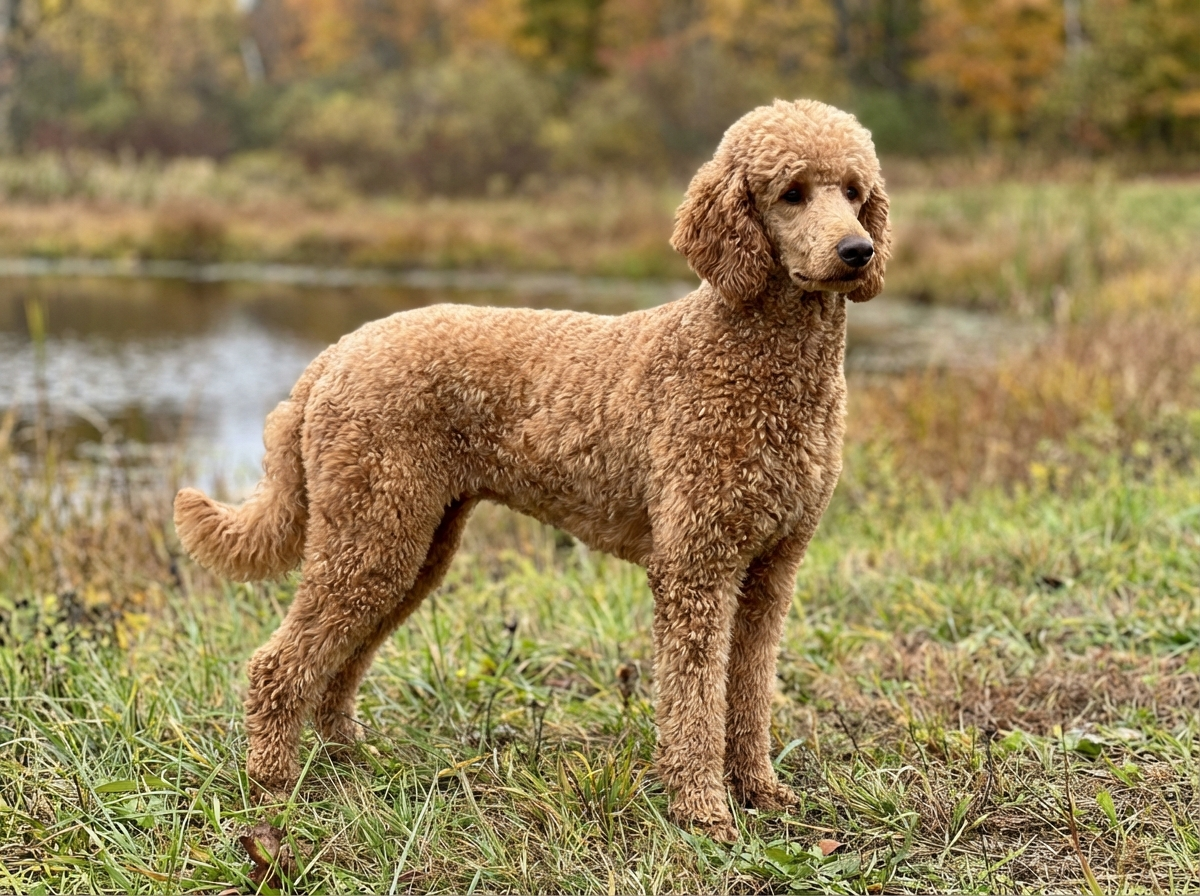
Not every instance of bloat is an emergency. If your Poodle is showing mild signs such as slight discomfort, occasional burping, or reluctance to eat but is otherwise active, you can monitor the situation. Have a plan to observe your dog for changes and keep your vet's contact information handy. If symptoms worsen or new symptoms appear, seek veterinary care promptly.
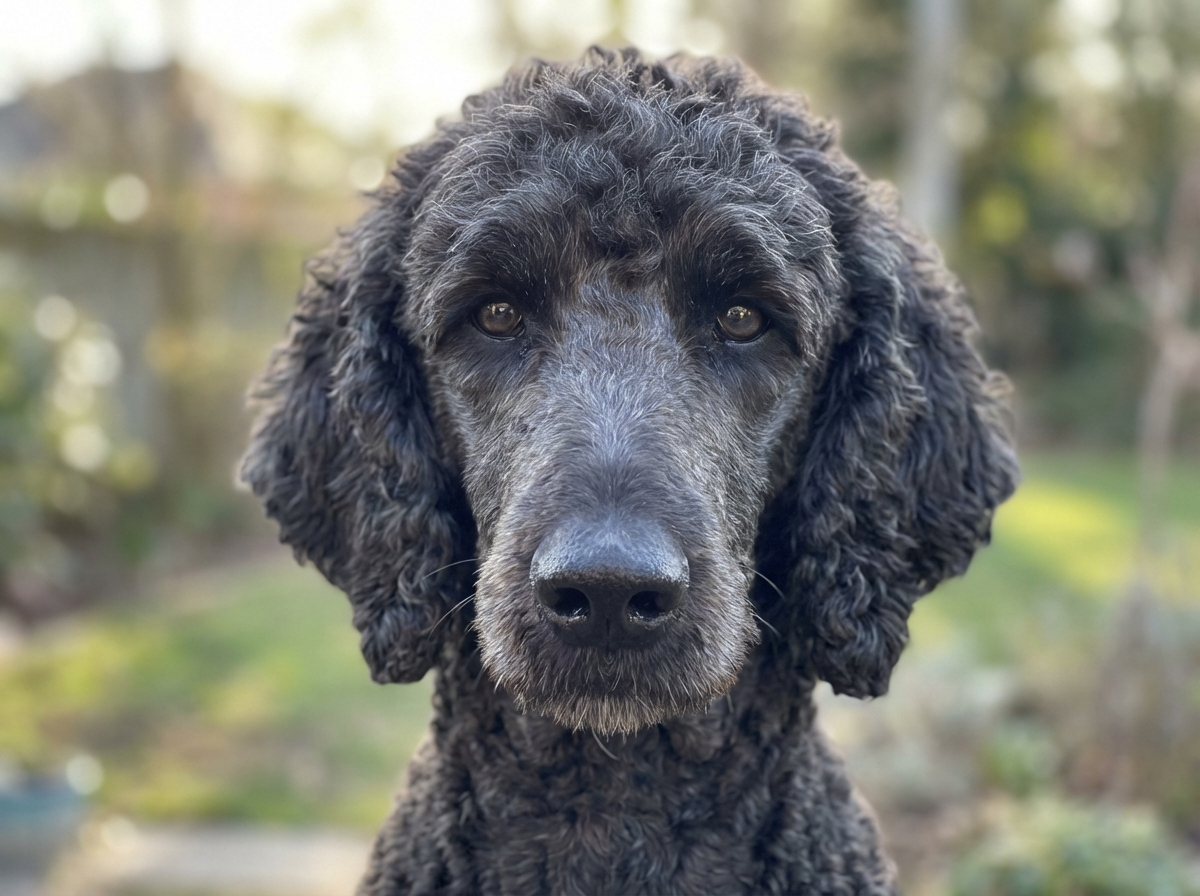
When Sarah adopted Lily, her standard Poodle, she quickly noticed Lily's strange eating habits. Lily would gulp her food in seconds, which left Sarah worried. After a couple of scary trips to the vet due to bloating, Sarah learned to modify Lily's feeding routine. She switched to smaller meals and used a slow feeder bowl. Over time, Lily's eating became calmer, and Sarah felt more in control. They even started practicing relaxation techniques together, which helped ease Lily's anxiety.
Key takeaway: Managing Poodle (All Sizes) bloat requires a combination of proper feeding practices and understanding your dog's anxiety triggers. Small changes can lead to significant improvements.
Bloat in Poodles can occur due to several factors, including eating too quickly, being active after meals, or stress. It's essential to monitor their eating habits and provide smaller, more frequent meals to help prevent this issue. This answer relates to Poodle (All Sizes) bloat (gastric dilatation-volvulus/gdv).
To help prevent bloat, feed your Poodle in a calm environment and consider using a slow feeder bowl. Also, avoid vigorous exercise immediately after meals and keep an eye on their stress levels.
Signs of bloat include a swollen abdomen, restlessness, excessive drooling, and attempts to vomit without success. If you notice any of these symptoms, seek immediate veterinary care.
Yes, bloat is a risk for Poodles, particularly those with deep chests. Regular monitoring and preventive measures are crucial for their health.
If you suspect bloat, take your Poodle to the veterinarian immediately. This condition can rapidly become life-threatening and requires urgent medical attention.
Early signs of bloat in your Poodle (All Sizes) include restlessness, pacing, and a distended abdomen. You might also notice your dog trying to vomit without success. If you see these symptoms, it's crucial to seek veterinary help immediately.
Yes, making dietary changes can help reduce the risk of bloat in Poodles (All Sizes). Feeding smaller, more frequent meals and avoiding dry kibble immediately before and after exercise can be beneficial. Always consult your vet for the best feeding strategy.
While bloat can occur at any age, older Poodles (All Sizes) may be at a higher risk due to other health issues. Regular check-ups are essential for early detection and prevention. If your older dog shows signs of discomfort, contact your vet.
Training your Poodle (All Sizes) to eat slowly can help prevent bloat. Use slow feeder bowls or puzzle toys to encourage your dog to take their time during meals. Consistent training and supervision during feeding are key.
If you notice any signs of bloat, such as a swollen stomach, excessive drooling, or attempts to vomit, take your Poodle (All Sizes) to the vet immediately. Bloat is a serious condition that requires urgent medical attention.
Feed smaller meals more frequently and avoid exercise right after eating.
Treatment typically involves emergency surgery and can cost between $1,500 and $7,500.
Yes, breeds like Poodles with deep chests are more susceptible to bloat.
Keep your Poodle calm and avoid giving them food or water until a vet can assess them.
Yes, training can help manage stress and eating habits, which may reduce the risk of bloat.