DogBreedCompass
← Back to breed profile

Poodle (All Sizes) Allergic Reactions: Causes and Solutions

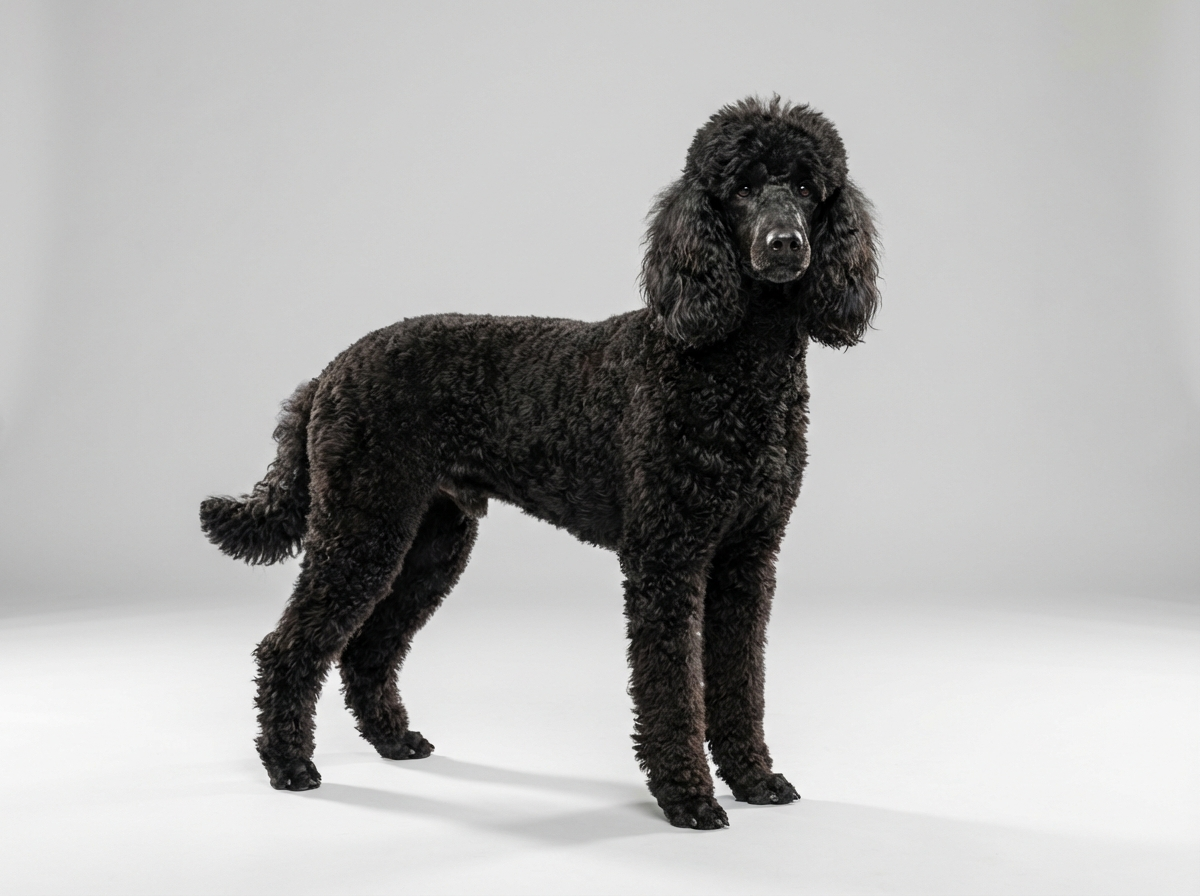
Poodles, known for their elegance and intelligence, can also face allergic reactions that disrupt their well-being. These reactions can stem from various sources, and understanding them is vital. (Poodle (All Sizes) allergic reactions)

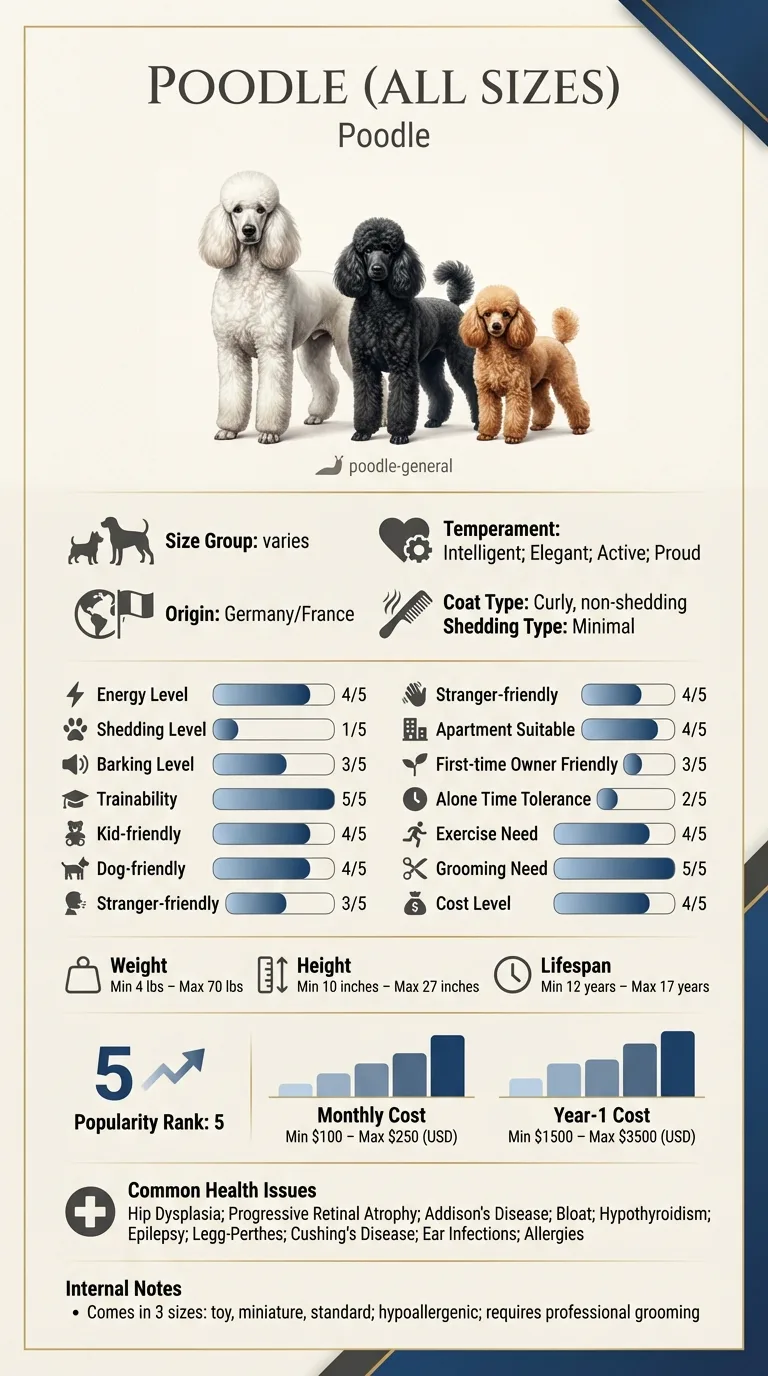
Poodle (All Sizes) Allergic Reactions: Causes and Solutions infographic

Owners of Poodles, especially first-time dog parents or those living in urban areas, often struggle with these allergic reactions. Busy families, city dwellers, and anyone keen on maintaining their dog's health may find these challenges particularly stressful.

Important reminder

This guide is not medical advice. If your dog shows pain, sudden behavior change, or worsening symptoms, consult a licensed veterinarian.

Some links may be affiliate links. We may earn a commission at no extra cost to you. We only suggest products we believe are helpful for dog owners.

What this problem looks like

Poodle (All Sizes) allergic reactions can manifest as skin irritations, itching, and gastrointestinal issues. These reactions often occur in response to environmental allergens, food ingredients, or flea bites. Poodles are generally considered more prone to allergies than many other breeds, making awareness essential for owners.

Common triggers

  • Pollen from grasses and weeds
  • Dust mites and mold
  • Certain food ingredients like chicken or beef
  • Flea bites and other insect infestations

Allergic reactions are a relatively common issue for Poodles, with studies indicating they have a 276% higher risk compared to other breeds. Many owners notice these reactions during their dog's first year, but they can develop at any age.

Why this happens

Breed factors

Poodles, regardless of size, can be prone to allergies due to their sensitive skin and immune system. Their curly, non-shedding coats can trap allergens, increasing their risk of reactions. Additionally, certain genetic factors make them more susceptible to specific allergens.

Environment factors

Environmental factors play a significant role in allergic reactions for Poodles. Common triggers include pollen, dust mites, mold, and certain foods. Changes in their surroundings, like moving to a new home or seasonal shifts, can also exacerbate allergy symptoms.

What you can try

At-home strategies

  • Keep your Poodle's environment clean by regularly vacuuming and washing bedding to reduce dust and allergens.
  • Consider using hypoallergenic dog food to identify and eliminate potential food allergies. Introduce new foods gradually and monitor for any reactions.
  • Bathe your Poodle with a vet-recommended hypoallergenic shampoo to soothe irritated skin and remove allergens from their coat.

When to consider a trainer

If your Poodle shows signs of anxiety or fear related to their allergies, a trainer can help with behavior modification strategies. Look for trainers experienced with allergy-related behavior issues.

When to talk to your vet

Consult your vet if your Poodle experiences severe allergic reactions, such as difficulty breathing or swelling. Also, visit the vet for persistent skin issues or if home remedies do not improve their condition.

Realistic expectations

You can expect to see improvements in your Poodle's allergic reactions within 4 to 8 weeks of consistent management and training.

Success means your Poodle experiences fewer allergic reactions, with noticeable improvements in their comfort and overall health.

Mistakes that make this worse

Many Poodle owners unknowingly make allergic reactions worse. Here are common mistakes and safer alternatives to consider.

  • Ignoring Symptoms: If your Poodle shows signs of allergies, like itching or sneezing, it's vital to address these symptoms promptly. Waiting can lead to more serious health issues. Schedule a vet visit to identify triggers.
  • Assuming All Food is Safe: Some owners think that all dog food is created equal. However, many commercial foods contain allergens. Consult your vet for a proper diet tailored to your Poodle's needs.
  • Overbathing: Bathing your Poodle too often can strip natural oils, worsening skin conditions. Aim for a balanced bathing schedule, typically every 4-6 weeks, unless advised otherwise by your vet.
  • Neglecting Grooming: Regular grooming helps remove allergens like pollen and dust from your Poodle's coat. Create a grooming routine that includes brushing and occasional professional grooming.
  • Using Harsh Chemicals: Many cleaning products can irritate your Poodle's skin. Opt for pet-friendly cleaners to minimize exposure to allergens in your home.
  • Not Monitoring the Environment: Environmental factors like pollen or dust can trigger reactions. Keep your home clean and consider using air purifiers to improve air quality.
  • Ignoring Vet Advice: Some owners dismiss their vet's recommendations for allergy tests or treatments. It's essential to follow through on professional advice to effectively manage allergic reactions.

When Poodle (All Sizes) Allergic Reactions Are an Emergency

Recognizing when your Poodle's allergic reactions warrant immediate veterinary attention is crucial. Some signs indicate that it's time to call your vet now, while others can be monitored at home. Understanding these differences can help you respond appropriately to your dog's needs.

Poodle (All Sizes) Allergic Reactions: Causes and Solutions - When Poodle (All Sizes) Allergic Reactions Are an Emergency

Red-Flag Signs: Call Your Vet Now

If your Poodle shows any of the following symptoms, seek veterinary care immediately: - Severe swelling of the face, ears, or throat - Difficulty breathing or wheezing - Vomiting or diarrhea that is persistent - Rapid heart rate or lethargy - Seizures or loss of consciousness

Poodle (All Sizes) Allergic Reactions: Causes and Solutions - Red-Flag Signs: Call Your Vet Now
  • Severe swelling of the face, ears, or throat
  • Difficulty breathing or wheezing
  • Vomiting or diarrhea that is persistent
  • Rapid heart rate or lethargy
  • Seizures or loss of consciousness

Mild Cases: Monitor and Wait

In cases where your Poodle has mild allergic reactions, you can often monitor them at home. Look for symptoms like mild itching, sneezing, or a slight rash. Keep an eye on their behavior and consider adjusting their diet or environment to identify potential allergens.

Poodle (All Sizes) Allergic Reactions: Causes and Solutions - Mild Cases: Monitor and Wait

Monitoring Plan for Mild Allergic Reactions

If your Poodle experiences mild allergic reactions, follow this plan: - Maintain a log of symptoms and potential triggers - Consult your vet for dietary or environmental changes - Monitor response to any changes made to their routine

  • Maintain a log of symptoms and potential triggers
  • Consult your vet for dietary or environmental changes
  • Monitor response to any changes made to their routine

Emily and Max's Allergy Journey

Emily, a busy nurse living in a small apartment, noticed her Poodle, Max, scratching and sneezing a lot. After a trip to the vet, she learned that Max had allergies to certain foods and environmental triggers. Determined to help Max, Emily researched ways to manage his allergies. She switched Max to a hypoallergenic diet and ensured a dust-free environment by vacuuming regularly. Within a few weeks, Max seemed much happier and more comfortable. Emily felt relieved to see her furry friend thriving again.

Key takeaway: Managing allergic reactions in Poodles requires diligence, but with the right changes, you can significantly improve their quality of life.

Frequently asked questions

Why does my Poodle (All Sizes) have allergic reactions?

Poodles can have allergic reactions due to various factors, including environmental allergens like pollen, dust mites, or food ingredients. It’s important to observe any patterns and consult with a vet for tests to identify specific triggers. Early detection can help manage allergies effectively.

How can I stop my Poodle (All Sizes) from having allergic reactions?

To stop allergic reactions in your Poodle, begin by identifying the allergen through a vet's guidance. Once identified, you can minimize exposure and possibly switch to a hypoallergenic diet. Regular cleaning and grooming can also help reduce allergens in your home.

What are common symptoms of allergic reactions in Poodles?

Common symptoms of allergic reactions in Poodles include itching, redness, sneezing, and gastrointestinal upset. You might also notice skin infections or ear infections. If these symptoms persist, it's crucial to consult a vet for a proper diagnosis and treatment plan.

Are there specific foods that cause allergic reactions in Poodles?

Yes, common food allergens for Poodles include beef, chicken, dairy, and wheat. If you suspect food allergies, consider an elimination diet under your vet's supervision to pinpoint the exact cause. This can help you switch to a suitable diet that avoids these allergens.

What should I do if my Poodle (All Sizes) has an allergic reaction?

If your Poodle shows signs of an allergic reaction, remove them from the suspected allergen immediately. Consult your vet for treatment options, which may include antihistamines or other medications. In severe cases, seek emergency care.

Can Poodle (All Sizes) allergic reactions be treated at home?

Some minor allergic reactions can be managed at home with over-the-counter antihistamines, but it’s best to consult a vet first. Regular baths with hypoallergenic shampoos can also help. However, persistent or severe reactions always require professional evaluation.

Do Poodles (All Sizes) need special grooming for allergies?

Poodles require regular grooming to minimize allergens in their coat. Professional grooming every 4-6 weeks is recommended, especially if they have allergies. This helps keep their skin healthy and reduces irritants that can trigger allergic reactions.

What are the common signs of allergic reactions in Poodles?

Common signs of allergic reactions in Poodles include itching, redness, and inflammation of the skin. You may also notice excessive licking, sneezing, or digestive upset. If your Poodle shows these symptoms, it's best to consult your vet.

Can Poodles develop allergies as they age?

Yes, Poodles can develop allergies at any age, even as adults. Allergies can be triggered by environmental factors, food, or other allergens. Regular vet check-ups can help monitor and manage these conditions.

How can I determine what my Poodle is allergic to?

To determine your Poodle's allergies, your vet may recommend allergy testing. This can include skin tests or blood tests to identify specific allergens. Keeping a diary of your Poodle's symptoms and diet can also help pinpoint triggers.

What should I do if my Poodle has a severe allergic reaction?

If you suspect your Poodle is having a severe allergic reaction, such as swelling or difficulty breathing, seek emergency veterinary care immediately. Fast action can be crucial in preventing serious complications.

Are there specific foods that can help reduce allergic reactions in Poodles?

Yes, certain hypoallergenic diets can help reduce allergic reactions in Poodles. These diets often include limited ingredients and novel proteins. Consult with your vet to find the best food options for your Poodle's specific needs.

Quick answers

View more answers
Behavior

What are quick tips for managing Poodle (All Sizes) allergic reactions?

Keep your Poodle's environment clean, use air purifiers, and regularly groom them to reduce allergens. Monitor their diet closely and consult your vet for suitable food options.

Health

What common treatments are available for allergic reactions in Poodles?

Common treatments include antihistamines, corticosteroids, and allergy shots, depending on the severity. Always consult your vet for the best approach tailored to your Poodle.

Living

How often should I groom my Poodle for allergy management?

Groom your Poodle every 4-6 weeks to remove allergens from their coat. Regular brushing at home can also help keep their skin and coat healthy.

Health

What are the signs of a serious allergic reaction in Poodles?

Signs of a serious allergic reaction include swelling, difficulty breathing, or severe vomiting. If you notice these symptoms, seek emergency veterinary care immediately.

Training

How can I prevent allergic reactions in my Poodle (All Sizes)?

Prevent allergic reactions by identifying and avoiding known allergens, maintaining a clean living space, and using hypoallergenic products. Regular vet check-ups can also help monitor your Poodle's health.

Related DogBreedCompass guides

  • Poodle (All Sizes) separation anxiety guideLearn how to manage separation anxiety in your Poodle (All Sizes) to improve their overall well-being.
  • Poodle (All Sizes) behavior problemsExplore common behavior problems that Poodles face and how to address them effectively.
  • How to stop Poodle (All Sizes) allergic reactionsFind out how to stop Poodle (All Sizes) allergic reactions and provide relief for your furry friend.
  • Poodle (All Sizes) ownership costsUnderstand the costs associated with owning a Poodle (All Sizes) to better prepare for your new pet.
  • Poodle (All Sizes) health issuesLearn about the common health issues that Poodles face, including allergic reactions, and how to manage them.

Related guides