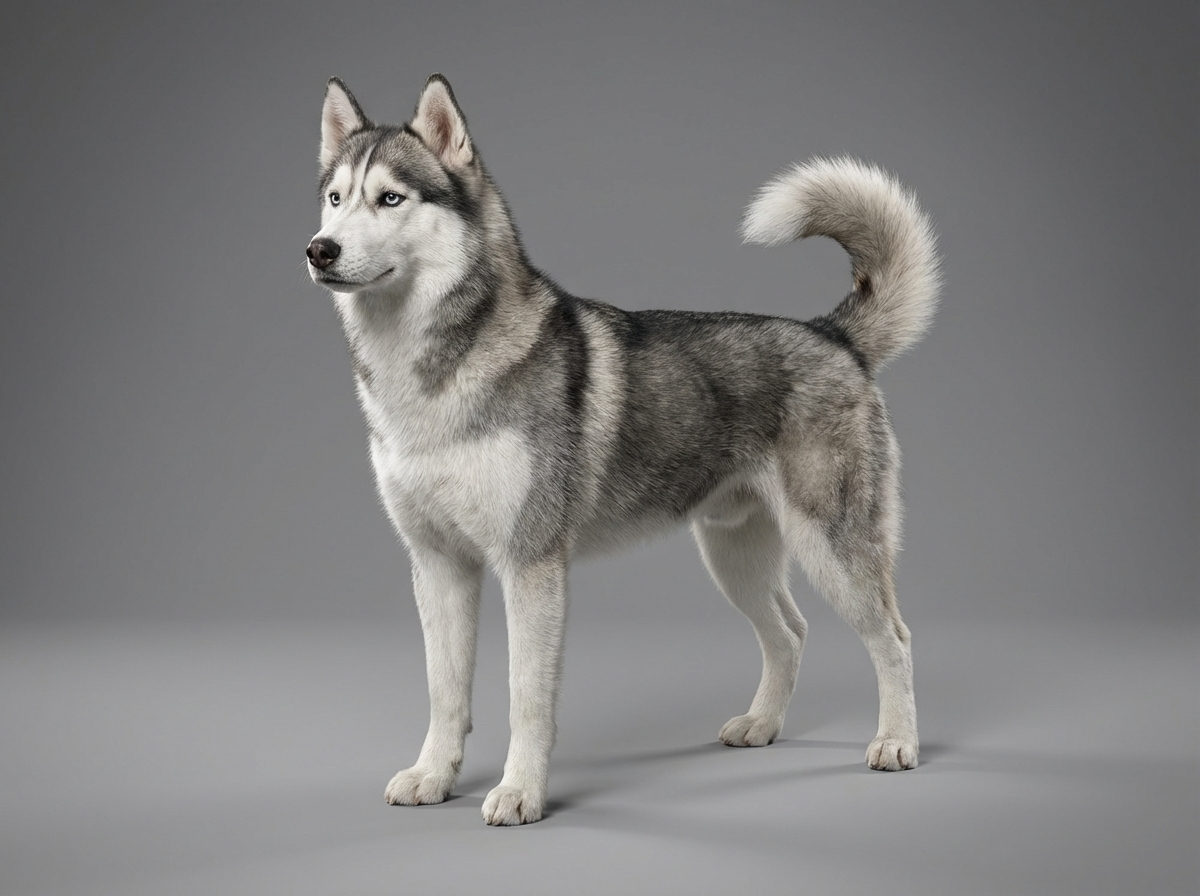
What are quick tips for managing Pembroke Welsh Corgi progressive retinal atrophy (PRA-rcd3)?
Create a safe space by removing obstacles and using consistent cues to guide your dog. Regular vet check-ups are essential to monitor their condition.
Pembroke Welsh Corgi progressive retinal atrophy (PRA-RCD3) is a serious condition that leads to vision loss in your furry friend. Understanding this issue is crucial for their well-being.

Owners of Pembroke Welsh Corgis, especially those who are first-time pet parents, may find it challenging to recognize and cope with PRA-RCD3. This condition can be distressing as it impacts the dog's quality of life and the owner's ability to help.
This guide is not medical advice. If your dog shows pain, sudden behavior change, or worsening symptoms, consult a licensed veterinarian.
Some links may be affiliate links. We may earn a commission at no extra cost to you. We only suggest products we believe are helpful for dog owners.
Pembroke Welsh Corgi progressive retinal atrophy (pra-rcd3) is a serious genetic condition that leads to gradual vision loss. This problem manifests as difficulty seeing in low light, followed by a decreased ability to see in daylight. Owners may notice their Corgis bumping into furniture or hesitating to navigate familiar spaces, which can be distressing for both the dog and the owner.
Progressive retinal atrophy (pra-rcd3) is relatively common in Pembroke Welsh Corgis, affecting approximately 10-15% of the breed. It's essential for owners to be aware of this risk, especially when considering breeding or adopting a Corgi.
Pembroke Welsh Corgis are genetically predisposed to Progressive Retinal Atrophy (PRA-rcd3). This inherited condition leads to the gradual degeneration of the retina, resulting in vision loss. The likelihood of this issue increases with age and family history.
While PRA-rcd3 is primarily genetic, environmental factors can influence your Corgi's overall eye health. Exposure to bright sunlight without proper protection may worsen retinal damage. Additionally, a poor diet lacking essential nutrients can contribute to eye health issues.
If your Corgi is showing signs of confusion or anxiety due to their vision loss, consider consulting a professional trainer. They can help with behavior modification techniques to ease your dog's stress and improve their confidence.
It's essential to talk to your vet if you notice rapid changes in your Corgi's vision or behavior. They can provide a proper diagnosis and suggest treatment options or referrals to a veterinary ophthalmologist.
Progressive retinal atrophy (PRA-rcd3) in Pembroke Welsh Corgis typically progresses gradually over several years. Owners may notice changes in their dog's vision within the first few years, with significant effects often seen by age 5 or 6.
Success means managing your dog's environment to accommodate their vision loss. This can include keeping furniture in the same place and using verbal cues to help guide them, ensuring they can still enjoy their life.
Avoiding certain common mistakes can help manage your Pembroke Welsh Corgi's progressive retinal atrophy (PRA-rcd3) effectively. Here are some pitfalls to watch out for, along with safer alternatives.
Understanding when to seek immediate veterinary care for your Pembroke Welsh Corgi with progressive retinal atrophy (PRA-rcd3) is crucial. Red flags indicating an emergency include sudden vision loss, signs of extreme anxiety, or if your dog is bumping into objects frequently. If your Corgi shows any of these behaviors, call your vet right away to discuss the situation and get guidance on next steps.
On the other hand, if your dog is experiencing gradual vision loss but remains calm and adjusts to changes in their environment, you can monitor the situation. Look for signs like hesitance in new areas, mild disorientation, or slow adaptation to low light. In these cases, keep a close watch and maintain regular vet visits to track their condition and discuss management options.

When Sarah adopted Max, her Pembroke Welsh Corgi, she noticed he was having trouble navigating the backyard. By age four, Max was diagnosed with progressive retinal atrophy (PRA-rcd3). Initially overwhelmed, Sarah learned to adapt by creating a consistent layout at home and using his name to guide him. With time, Max became comfortable moving around despite his vision loss, proving that with patience and care, they could both thrive.
Key takeaway: Adapting your home and routine can help your dog with PRA-rcd3 maintain a good quality of life.
Pembroke Welsh Corgi progressive retinal atrophy (PRA-rcd3) is a genetic condition that leads to gradual vision loss in dogs. It affects the retina, causing cells to deteriorate over time, which can eventually result in blindness.
This condition is inherited and commonly seen in Pembroke Welsh Corgis. If your dog has PRA-rcd3, it means they have inherited the genes responsible for this progressive vision loss from their parents.
While there is no cure for PRA-rcd3, you can support your Corgi by creating a safe environment. Minimize obstacles, use consistent commands, and establish routines to help them navigate their surroundings more easily.
Yes, training can help your dog adjust to their vision loss. Focus on positive reinforcement techniques to reinforce commands and cues that can assist them in understanding their environment despite their declining vision.
Common signs include difficulty seeing in low light, bumping into objects, or hesitance when navigating new areas. If you notice these symptoms, consult your veterinarian for a proper diagnosis.
No, PRA-rcd3 itself is not painful. However, as vision deteriorates, your Corgi may experience anxiety or stress due to their changing environment. Providing reassurance is key.
Start by making changes at home to reduce hazards. Keep furniture in the same place, use area rugs to guide them, and consider using a harness when walking outside to keep them safe.
The first signs of Pembroke Welsh Corgi progressive retinal atrophy (pra-rcd3) typically include difficulty seeing in low light and a noticeable hesitation in unfamiliar environments. You might also notice your Corgi bumping into furniture or having trouble with stairs.
The progression of Pembroke Welsh Corgi progressive retinal atrophy (pra-rcd3) can vary by dog. Some Corgis may experience gradual vision loss over several years, while others may lose their sight more rapidly within a year or two.
Currently, there is no cure for Pembroke Welsh Corgi progressive retinal atrophy (pra-rcd3). However, early detection and supportive care can help your dog adapt to vision changes and maintain a good quality of life.
If you notice any signs of vision loss, such as bumping into objects or reluctance to walk in dark areas, it's important to consult your vet. Early diagnosis can help in managing the condition and planning for your Corgi's needs.
To help your Pembroke Welsh Corgi cope with progressive retinal atrophy (pra-rcd3), create a safe environment by removing obstacles and maintaining a consistent layout at home. Using tactile cues and voice commands can also support their navigation.
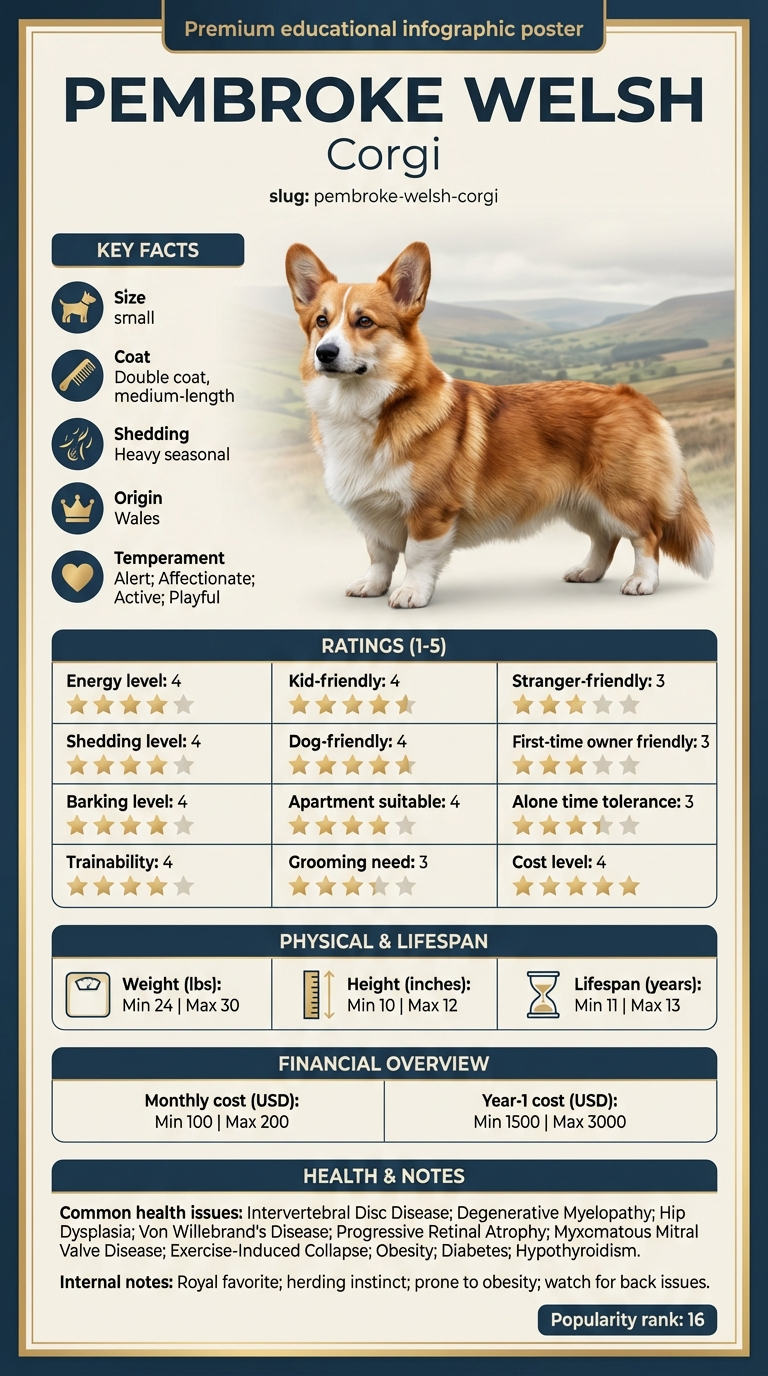
Create a safe space by removing obstacles and using consistent cues to guide your dog. Regular vet check-ups are essential to monitor their condition.
Focus on verbal commands and tactile signals to help them understand their environment better. Positive reinforcement is crucial for effective training.
Provide comfort and reassurance, maintaining a calm environment. Engage in gentle activities that promote confidence and security.
While there are no direct costs for a cure, there may be expenses related to training, home modifications, and regular vet visits to monitor your dog's health.
Ensure they have plenty of mental stimulation through scent games and interactive toys. This can help reduce anxiety and promote a happy environment.