Behavior
What should I do if my Pembroke Welsh Corgi shows signs of bloat?
If your Corgi shows signs of bloat, take them to the vet immediately. This is a serious condition that requires urgent care.
Gastric dilatation-volvulus (GDV), or bloat, is a serious condition that can affect Pembroke Welsh Corgis. (Pembroke Welsh Corgi gastric dilatation-volvulus (gdv/bloat))
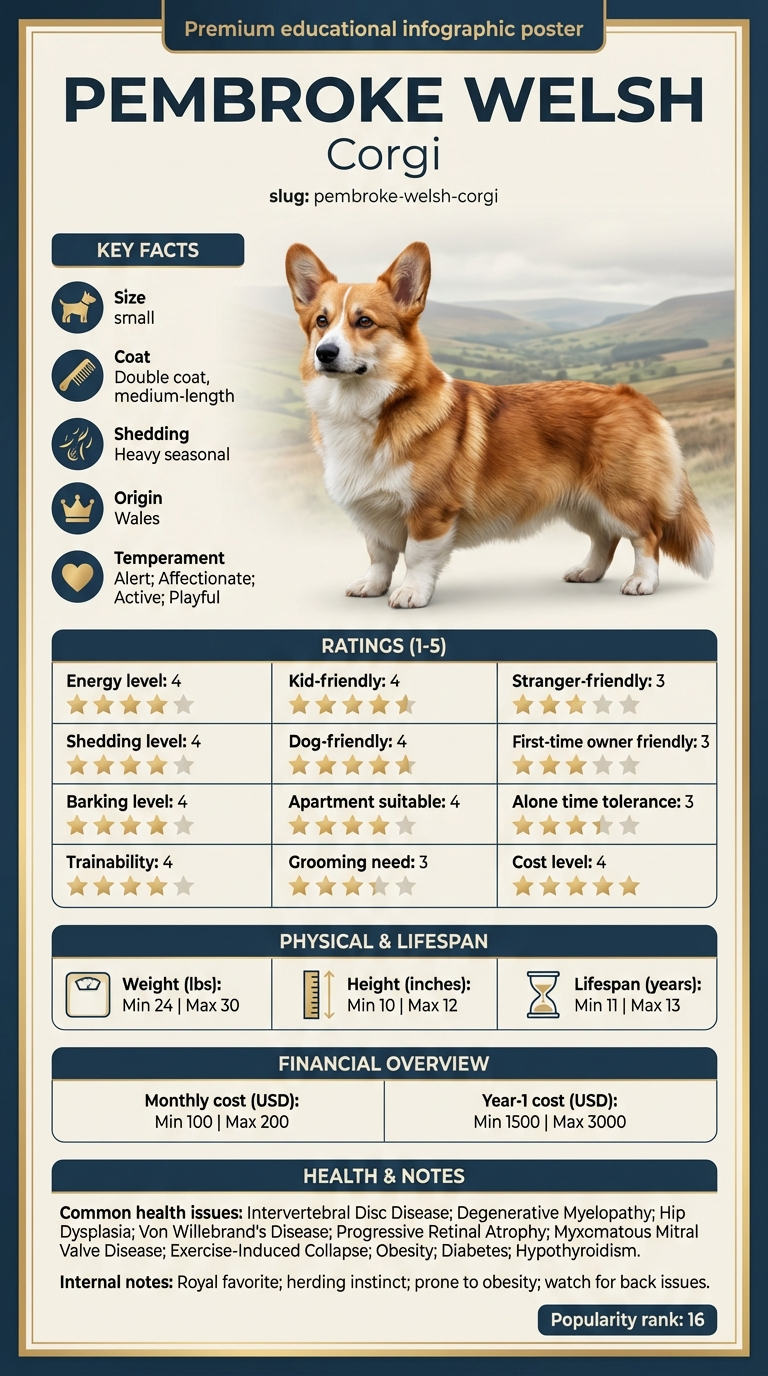
Owners of Pembroke Welsh Corgis, especially those with high-energy dogs who gulp food or water, often face this challenge. First-time dog owners may find it especially concerning as they navigate their pet's health.
This guide is not medical advice. If your dog shows pain, sudden behavior change, or worsening symptoms, consult a licensed veterinarian.
Some links may be affiliate links. We may earn a commission at no extra cost to you. We only suggest products we believe are helpful for dog owners.
Pembroke Welsh Corgi gastric dilatation-volvulus (GDV/bloat) is a serious condition that can occur suddenly. This life-threatening stomach condition often presents as bloating, restlessness, and signs of pain. If your Corgi is pacing, trying to vomit without success, or has a distended abdomen, seek immediate veterinary help.
While GDV/bloat is less common in Pembroke Welsh Corgis than in some larger breeds, it still poses a significant risk. It's crucial for owners to be aware of the signs and triggers, especially since it can escalate quickly and is often fatal without prompt treatment.
Pembroke Welsh Corgis, like many small breeds, can be prone to gastric dilatation-volvulus (GDV) due to their body structure. Their deep chests can allow for more stomach movement, increasing the risk of twisting. Additionally, their tendency to eat quickly can further contribute to the problem.
Environmental factors such as diet, feeding habits, and stress can also lead to GDV. Feeding large meals or allowing vigorous exercise right after eating can increase the risk. Stressful situations, such as changes in environment or routine, can also contribute to gastrointestinal issues.
If your Corgi shows signs of anxiety during feeding or exhibits problematic behaviors, consider consulting a dog trainer. A trainer can help address any underlying behavioral issues that may contribute to fast eating or stress.
If you notice symptoms like bloating, restlessness, or attempts to vomit without success, seek veterinary care immediately. GDV is a life-threatening condition, and prompt intervention is crucial.
It usually takes a few weeks to a few months to manage Pembroke Welsh Corgi gastric dilatation-volvulus (gdv/bloat) effectively. Regular monitoring and gradual changes in feeding habits can help.
Success looks like your Corgi being able to eat without discomfort, maintaining a healthy weight, and showing no signs of bloating after meals.
Avoid these common mistakes that can worsen Pembroke Welsh Corgi gastric dilatation-volvulus (GDV/bloat) and learn safer alternatives.
Gastric dilatation-volvulus (GDV), commonly known as bloat, can be life-threatening for your Pembroke Welsh Corgi. Recognizing when it’s an emergency is crucial for their survival. If you see any of the following signs, it's time to call your vet immediately.
Not every instance of gastrointestinal discomfort means GDV. If your Corgi shows mild symptoms like slight bloating, occasional vomiting, or a decreased appetite, you can monitor them at home. Keep a close eye on their condition and have a plan in place to visit the vet if symptoms worsen.
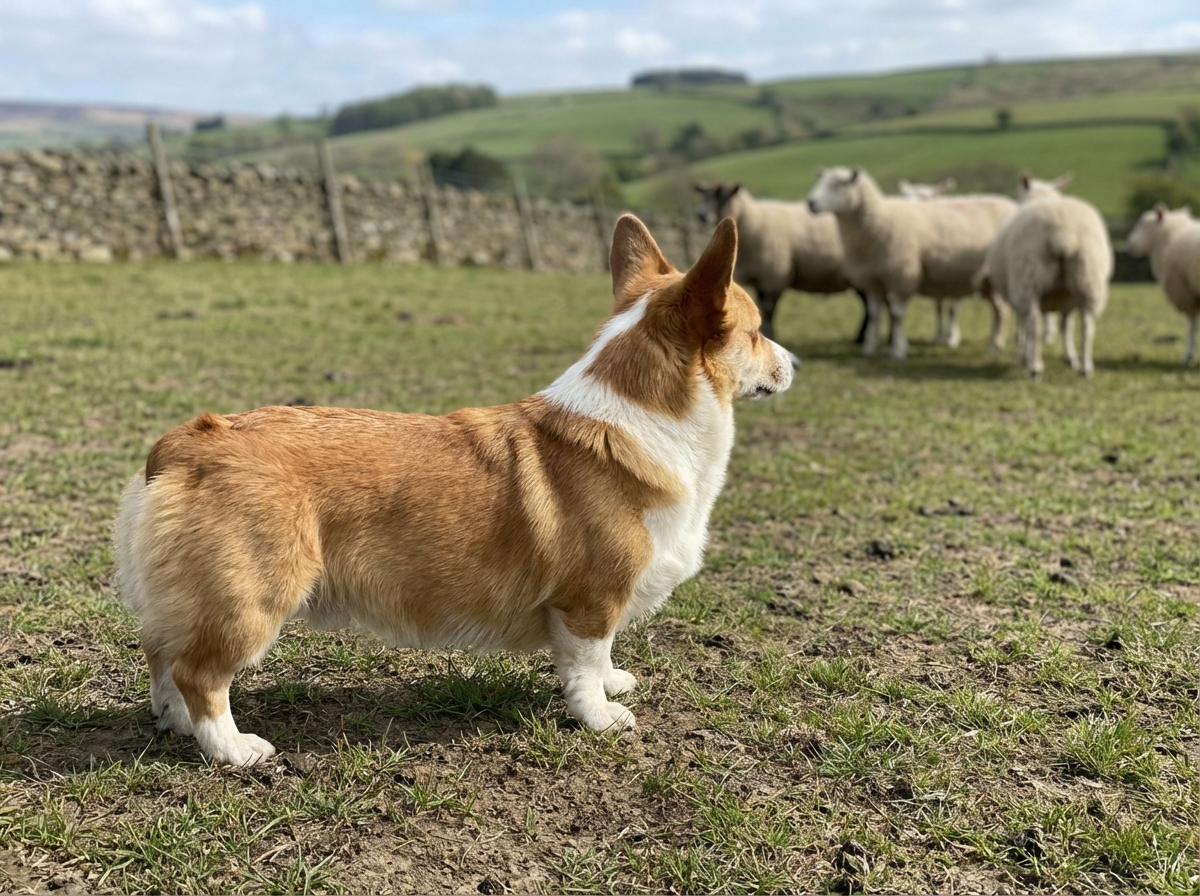
Emily, a busy nurse living in Chicago, found herself worried when her Pembroke Welsh Corgi, Benny, started showing signs of gastric dilatation-volvulus (gdv/bloat). He would eat quickly and then act restless, leading to multiple vet visits. After consulting with a veterinarian, Emily learned how to manage Benny's feeding schedule better by giving him smaller, more frequent meals and using a slow feeder bowl. Within a month, Benny showed significant improvement, and Emily felt relieved watching him play happily without any discomfort.
Key takeaway: Managing Pembroke Welsh Corgi gastric dilatation-volvulus (gdv/bloat) requires patience and a structured feeding routine, which can lead to a happier, healthier dog.
Pembroke Welsh Corgis can experience gastric dilatation-volvulus (gdv/bloat) due to factors such as eating too quickly, consuming large meals, or engaging in vigorous exercise right after eating. Genetics may also play a role in their susceptibility to this life-threatening condition.
To prevent gdv/bloat, feed your Corgi smaller, more frequent meals rather than one large meal. Ensure they eat slowly by using slow-feeding bowls or puzzle feeders. Avoid intense exercise for at least an hour after meals.
Signs of gdv/bloat include a swollen abdomen, signs of distress, excessive drooling, retching without producing vomit, and restlessness. If you notice these symptoms, seek veterinary care immediately as this condition requires urgent treatment.
Take your Corgi to the vet if they show signs of bloat, such as a distended stomach or difficulty breathing. Don't wait for symptoms to worsen; early intervention is crucial for successful treatment.
No, gdv/bloat is a medical emergency that requires immediate veterinary attention. Do not attempt to treat this condition at home, as it can quickly become life-threatening.
Recovery from gdv/bloat may involve a hospital stay and careful monitoring. Your vet will provide guidelines for a gradual return to normal feeding and activity levels, and follow-up appointments may be necessary to check for complications.
Look for signs like a swollen abdomen, excessive drooling, restlessness, and attempts to vomit without producing anything. These symptoms can escalate quickly, so seek immediate veterinary help if you notice them.
Yes, older Pembroke Welsh Corgis can be at risk for gastric dilatation-volvulus (GDV). As they age, their risk may increase due to factors like reduced mobility and changes in eating habits, making it essential to monitor them closely.
To help prevent GDV, feed your Pembroke Welsh Corgi smaller, more frequent meals rather than one large meal. Avoid vigorous exercise right after eating and consider discussing preventive surgery with your vet if your dog is at high risk.
While the exact cause of gastric dilatation-volvulus (GDV) is not fully understood, some studies suggest a genetic component may contribute to the risk. It's important to be aware of your dog's family health history and consult your vet for guidance.
If you suspect your Pembroke Welsh Corgi has GDV, act quickly. Take them to the nearest veterinary clinic immediately, as this condition can be life-threatening and requires urgent treatment to save your dog's life.
If your Corgi shows signs of bloat, take them to the vet immediately. This is a serious condition that requires urgent care.
Yes, breeds with deep chests, like Pembroke Welsh Corgis, are at higher risk for gdv/bloat. It's important to monitor them closely.
Use slow-feeding bowls or divide their meals into smaller portions throughout the day to help them eat slower and reduce the risk of bloat.
Treatment for gdv/bloat can be expensive, often ranging from $1,500 to $5,000, depending on the severity and required procedures.