DogBreedCompass
← Back to breed profile

Pembroke Welsh Corgi Cardiomyopathy: What You Need to Know

Pembroke Welsh Corgi cardiomyopathy is a serious heart condition that affects your dog's quality of life.

Pembroke Welsh Corgi Cardiomyopathy: What You Need to Know infographic

Owners of Pembroke Welsh Corgis may struggle with cardiomyopathy, especially those who notice their pet showing signs of lethargy, coughing, or difficulty breathing. It can be especially concerning for first-time dog owners who may not recognize these symptoms.

Important reminder

This guide is not medical advice. If your dog shows pain, sudden behavior change, or worsening symptoms, consult a licensed veterinarian.

Some links may be affiliate links. We may earn a commission at no extra cost to you. We only suggest products we believe are helpful for dog owners.

What this problem looks like

Pembroke Welsh Corgi cardiomyopathy is a serious heart condition that affects the heart muscle, leading to reduced efficiency in pumping blood. This can manifest in noticeable fatigue during play, coughing, or difficulty breathing. As a Corgi owner, seeing your pet struggle with these symptoms can be distressing, especially since they are known for their playful and energetic nature.

Common triggers

  • Genetic predisposition, especially in certain bloodlines
  • Obesity, which can strain the heart
  • Age-related decline, as older dogs are more susceptible
  • High-stress situations that can exacerbate heart issues

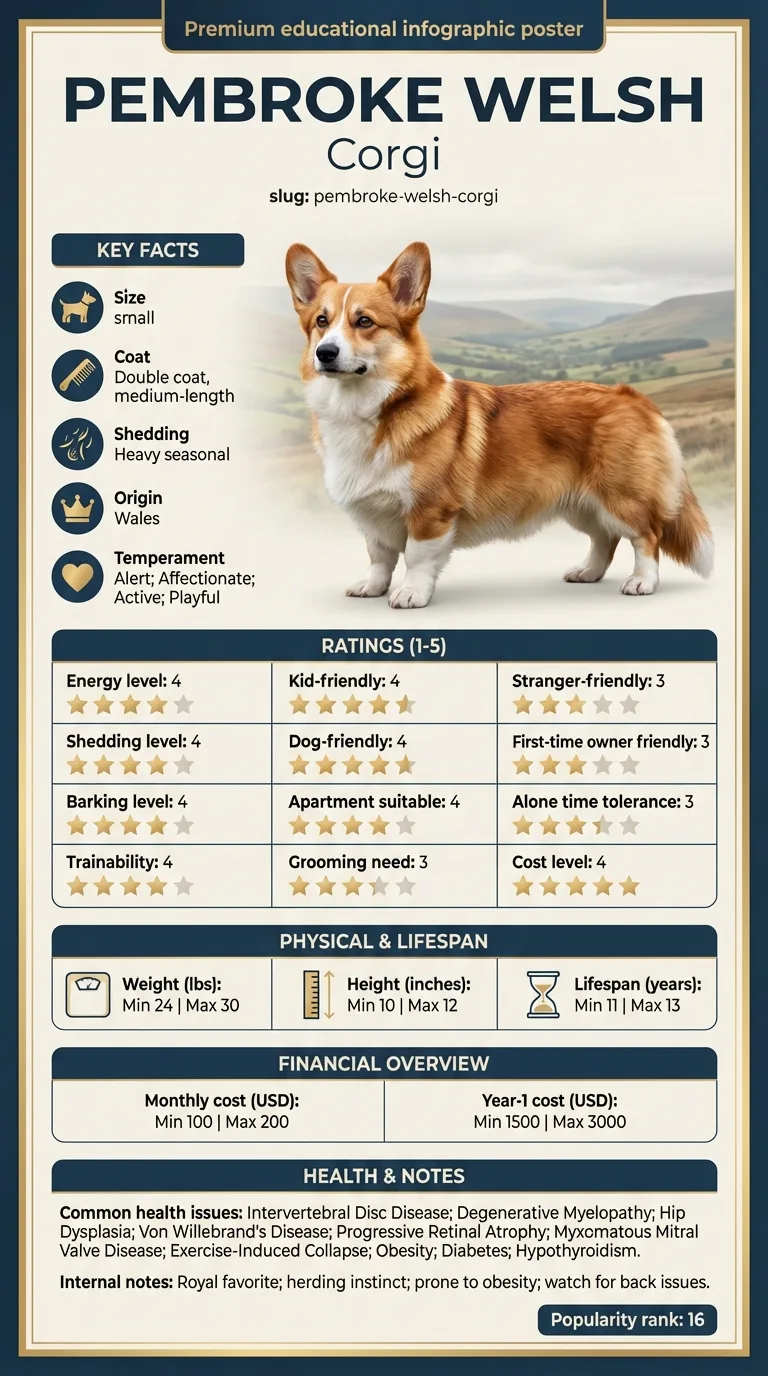
Cardiomyopathy is relatively common in Pembroke Welsh Corgis compared to other breeds. While not every Corgi will develop it, awareness and early detection are crucial for managing the condition effectively.

Why this happens

Breed factors

Pembroke Welsh Corgis are prone to certain genetic conditions, including cardiomyopathy. This heart muscle disease can be inherited, making some dogs more susceptible than others. Factors like age and family history can also play a role in determining if a Corgi will develop this issue.

Environment factors

Environmental factors can contribute to cardiomyopathy in Pembroke Welsh Corgis. Poor diet, lack of exercise, and stress can negatively impact heart health. Additionally, high-stress environments may exacerbate existing heart conditions.

What you can try

At-home strategies

  • Monitor your Corgi's weight closely to prevent obesity, which can strain the heart.
  • Provide a balanced diet rich in nutrients to support heart health. Consult your vet for specific recommendations.
  • Establish a regular exercise routine suitable for your Corgi’s energy level. Aim for daily walks and playtime to keep their heart strong.
  • Create a calm environment to reduce stress. Consider using calming aids like soft music or anxiety wraps.

When to consider a trainer

If your Corgi shows signs of anxiety or stress, a trainer experienced in behavioral issues can help. They can provide techniques to reduce stress and improve your dog's overall well-being. Look for trainers who use positive reinforcement methods.

When to talk to your vet

Consult your vet if you notice symptoms like coughing, lethargy, or difficulty breathing. These could be signs of heart problems. Regular check-ups are crucial, especially if cardiomyopathy is a concern in your Corgi's breed.

Realistic expectations

Managing Pembroke Welsh Corgi cardiomyopathy typically takes several months. You'll need regular vet visits and consistent monitoring of your dog's condition.

Success means your dog maintains a good quality of life, shows fewer symptoms, and has stable heart function with the right treatment and lifestyle adjustments.

Mistakes that make this worse

Here are some common mistakes to avoid when managing Pembroke Welsh Corgi cardiomyopathy. Making these errors can unintentionally worsen your dog's condition or delay improvements.

  • Ignoring symptoms: Failing to recognize signs like lethargy or coughing can lead to delayed treatment. Always consult your vet if you notice any changes in your dog's health.
  • Inconsistent medication: Skipping doses or not following the vet's instructions can result in worsened symptoms. Stick to a strict schedule for administering any prescribed medications.
  • Lack of exercise: Over-restraining your Corgi can lead to weight gain and further heart strain. Instead, provide regular, gentle exercise tailored to their energy levels.
  • Unhealthy diet choices: Feeding low-quality food or too many treats can lead to obesity. Focus on a balanced diet recommended by your vet to support heart health.
  • Neglecting regular check-ups: Skipping vet visits can prevent early detection of worsening conditions. Schedule regular check-ups to monitor your Corgi's heart health effectively.
  • Stressful environments: Exposing your Corgi to high-stress situations can exacerbate anxiety and heart issues. Create a calm, comfortable space for them to feel secure.

When Pembroke Welsh Corgi Cardiomyopathy is an Emergency

Recognizing when to seek immediate veterinary help for Pembroke Welsh Corgi cardiomyopathy is crucial. If your Corgi shows severe symptoms such as persistent coughing, difficulty breathing, or sudden lethargy, these are red flags. Additionally, if you notice rapid heart rate, fainting, or swelling in the abdomen, it's time to call your vet right away.

On the other hand, if your Corgi is showing mild signs like occasional coughing or slight fatigue during play, you can monitor their condition at home. Keep an eye on their energy levels and appetite, and note any changes in behavior. Regular vet check-ups are essential, especially for managing a condition like cardiomyopathy, but not every symptom needs immediate action.

Establishing a plan with your veterinarian can help you know when to wait and when to act. Keeping a log of your pet’s symptoms can be useful for your vet during check-ups. This way, you’ll have a clear understanding of your Pembroke Welsh Corgi's health and can respond appropriately if things worsen.

Pembroke Welsh Corgi Cardiomyopathy: What You Need to Know - When Pembroke Welsh Corgi Cardiomyopathy is an Emergency

Emily's Journey with Charlie's Heart Health

Emily, a busy nurse in Seattle, noticed that her Pembroke Welsh Corgi, Charlie, was lethargic and coughing. After a vet visit, she learned he had cardiomyopathy. Emily felt overwhelmed, but she quickly researched ways to manage his condition. Over the next few months, she adjusted Charlie's diet, started him on medication, and incorporated gentle exercise into his routine. With the vet's guidance, Charlie's health improved, and he was back to his playful self, enjoying walks and playtime. Emily learned to monitor his symptoms closely and felt empowered by the changes she made.

Key takeaway: With proper management and support, you can help your Pembroke Welsh Corgi live a happy, fulfilling life despite cardiomyopathy.

Frequently asked questions

Why does my Pembroke Welsh Corgi have cardiomyopathy?

Pembroke Welsh Corgis can develop cardiomyopathy due to genetic factors, age, or other health issues. Regular vet check-ups can help detect this condition early. If you notice symptoms like coughing or fatigue, consult your veterinarian immediately.

How can I help my Pembroke Welsh Corgi with cardiomyopathy?

To help your Corgi, maintain a balanced diet and provide regular exercise as recommended by your vet. Medications may be necessary to manage the condition, so it's crucial to follow your vet's advice closely. Keeping stress levels low can also be beneficial.

What are the signs of cardiomyopathy in Pembroke Welsh Corgis?

Signs of cardiomyopathy can include coughing, shortness of breath, fatigue, and fainting. If you notice any of these symptoms, it’s important to get your Corgi evaluated by a veterinarian. Early detection can lead to better management of the condition.

Can training help with my Corgi's cardiomyopathy?

While training cannot cure cardiomyopathy, it can help improve your Corgi's overall well-being. Gentle training exercises can keep them mentally stimulated without overexertion. Always consult with your vet before starting any new training regimen.

Is cardiomyopathy common in Pembroke Welsh Corgis?

Cardiomyopathy is a known risk for Pembroke Welsh Corgis, especially as they age. Regular health screenings can help identify any heart issues early on. Being proactive with your dog's health can make a significant difference.

What are the symptoms of Pembroke Welsh Corgi cardiomyopathy?

Symptoms of Pembroke Welsh Corgi cardiomyopathy may include lethargy, coughing, difficulty breathing, or fainting spells. If you notice these signs, it's important to consult a vet for a proper diagnosis and treatment plan.

Can cardiomyopathy be managed in older Pembroke Welsh Corgis?

Yes, while cardiomyopathy is a serious condition, older Pembroke Welsh Corgis can often be managed with medications and lifestyle changes. Regular vet check-ups can help monitor their heart health and adjust treatments as needed.

Why does my Pembroke Welsh Corgi have cardiomyopathy?

Pembroke Welsh Corgis can develop cardiomyopathy due to genetic factors or other health issues. It's essential to discuss your dog's specific situation with a vet to understand the underlying causes and appropriate care.

How can I support my Pembroke Welsh Corgi with cardiomyopathy at home?

You can support your Pembroke Welsh Corgi by managing their diet, providing a calm environment, and ensuring they get appropriate exercise. Regular vet visits are crucial to tailor their care to their specific needs.

What lifestyle changes are recommended for a Pembroke Welsh Corgi with cardiomyopathy?

Lifestyle changes for a Pembroke Welsh Corgi with cardiomyopathy may include a low-sodium diet, reduced exercise intensity, and stress management. Following your vet's recommendations will help in maintaining their overall health.

Quick answers

View more answers
Health

What are Pembroke Welsh Corgi cardiomyopathy quick tips?

Monitor your Corgi for signs like coughing or fatigue and consult your vet regularly. Keep their diet healthy and maintain an appropriate exercise routine. Stress management is also key to their heart health.

Living

How can I reduce the risk of cardiomyopathy in my Pembroke Welsh Corgi?

To reduce the risk, ensure your Corgi maintains a healthy weight and gets regular vet check-ups. Avoid excessive exercise and monitor for any health changes. A balanced diet is crucial for heart health.

Health

What should I do if my Corgi is diagnosed with cardiomyopathy?

If diagnosed, follow your vet's treatment plan closely, which may include medications and lifestyle changes. Keep track of any symptoms and report changes to your vet. Regular check-ups will help manage the condition.

Related DogBreedCompass guides

Related guides