Behavior
What are quick tips to reduce Pembroke Welsh Corgi bloat (gastric dilatation-volvulus/gdv)?
Feed smaller meals more frequently, use a slow feeder, and avoid exercise right after eating. Monitor your Corgi's behavior for signs of distress.
Pembroke Welsh Corgi bloat, also known as gastric dilatation-volvulus (GDV), is a serious condition that can be life-threatening. It occurs when the stomach fills with gas and twists, making it difficult for the dog to breathe and can lead to shock or death if not treated quickly. (Pembroke Welsh Corgi bloat (gastric dilatation-volvulus/gdv))
Many Corgi owners, especially first-time dog parents, may struggle with understanding the risks of bloat. Busy families or those living in apartments can also find it challenging to monitor their dog's eating habits and exercise routines, which are critical in preventing this condition.
This guide is not medical advice. If your dog shows pain, sudden behavior change, or worsening symptoms, consult a licensed veterinarian.
Some links may be affiliate links. We may earn a commission at no extra cost to you. We only suggest products we believe are helpful for dog owners.
Pembroke Welsh Corgi bloat, also known as gastric dilatation-volvulus (GDV), is a serious and potentially life-threatening condition. It typically occurs when the stomach fills with gas and twists, leading to severe pain and shock. Owners may notice their Corgi trying to vomit without success, a distended abdomen, or excessive drooling during an episode.
Bloat is a significant concern for Pembroke Welsh Corgis, though not every Corgi will experience it. The condition is relatively common in breeds with deep chests, and Corgis fall into this category. While the exact incidence isn't easy to determine, it can happen in up to 30% of affected breeds.
Pembroke Welsh Corgis are prone to bloat due to their body structure. Their deep chests can allow the stomach to fill with gas and twist, leading to GDV. Additionally, their tendency to overeat or eat too quickly can significantly increase the risk.
Environmental factors also play a role in bloat. Stressful situations, such as loud noises or changes in routine, can trigger anxiety in Corgis and lead to rapid eating or drinking. Moreover, intense exercise immediately after meals can further exacerbate the problem.
If your Corgi continues to eat too fast or shows signs of anxiety during feeding, consider consulting a dog trainer. They can help address these behaviors and suggest training techniques to promote a calmer feeding routine.
Talk to your vet if your Corgi shows symptoms of bloat, such as a swollen stomach, restlessness, or excessive drooling. Also, if you notice any changes in appetite or behavior, it's essential to seek professional advice to rule out serious health issues.
If you start managing your Pembroke Welsh Corgi's bloat issues promptly, you should see improvements within a few weeks. Long-term prevention strategies may take several months to fully implement.
Success means your Corgi shows fewer symptoms of bloat, maintains a healthy weight, and has regular vet check-ups without emergencies related to gastric dilatation-volvulus.
Avoiding common mistakes can help you manage Pembroke Welsh Corgi bloat (gastric dilatation-volvulus/GDV) more effectively. Here are some behaviors to watch out for.
Recognizing when Pembroke Welsh Corgi bloat (gastric dilatation-volvulus/GDV) is an emergency is crucial. If your Corgi shows any severe symptoms, it’s time to call your vet immediately. Look for signs like a distended abdomen, excessive drooling, or unproductive attempts to vomit. These indicate a life-threatening situation that requires urgent care.
On the other hand, if your Corgi is simply showing mild signs like minor discomfort or a slight decrease in appetite, you may monitor them at home. Keep an eye on their behavior, and if symptoms worsen or new symptoms appear, reach out to your vet. Create a plan involving regular check-ins to ensure your dog's health remains stable. Remember, it’s always better to err on the side of caution.
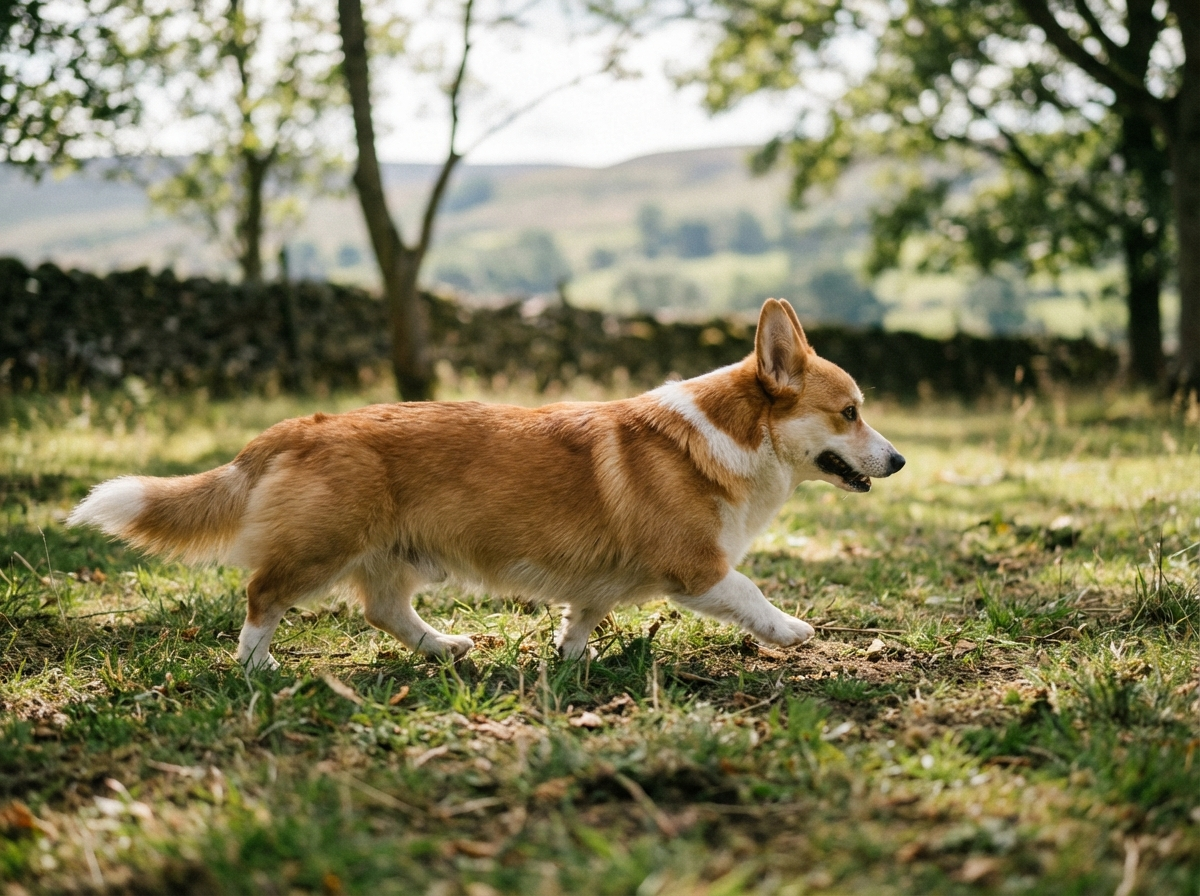
Jessica, a busy nurse living in Seattle, noticed her Pembroke Welsh Corgi, Max, was frequently bloated after meals. Concerned about the potential for gastric dilatation-volvulus, she consulted her vet. Together, they developed a feeding plan that included smaller meals and a slower feeding bowl to prevent gulping. Over the next month, Jessica kept a close eye on Max's diet and behavior, and she noticed a significant decrease in bloating episodes. After a few months, Max was healthier and happier, allowing Jessica to enjoy stress-free walks and playtime.
Key takeaway: With the right feeding strategy and regular vet check-ups, you can effectively manage bloat in Pembroke Welsh Corgis and keep them healthy.
Pembroke Welsh Corgis can develop bloat due to several factors, including eating too quickly, stress, and genetic predisposition. The condition causes the stomach to fill with gas and potentially twist, leading to serious health risks. It's essential to monitor your Corgi's eating habits and consult your vet if any signs of distress appear.
To help prevent Pembroke Welsh Corgi bloat, feed smaller meals throughout the day instead of one large meal. Additionally, consider using a slow feeder to discourage rapid eating. Regular exercise and reducing stress can also play a key role in prevention.
Symptoms of bloat in Pembroke Welsh Corgis include a swollen abdomen, excessive drooling, restlessness, and attempts to vomit without success. If you notice these signs, it's crucial to seek emergency veterinary care immediately. Time is of the essence in treating this condition.
Treatment for bloat often involves emergency surgery to relieve pressure and reposition the stomach. The cost of treatment can range from $1,500 to $7,500 depending on the severity and required procedures. Early intervention is vital for a successful outcome.
While not all cases of bloat can be prevented, certain measures can significantly reduce the risk. Feeding smaller, more frequent meals, avoiding vigorous exercise right after eating, and managing stress levels can all help. Regular vet check-ups are also recommended.
If your Pembroke Welsh Corgi exhibits symptoms like a swollen abdomen, restlessness, or attempts to vomit without success, you need to act quickly. This condition can escalate rapidly, so take your dog to a veterinarian immediately.
Yes, older Pembroke Welsh Corgis may be at a higher risk for bloat (gastric dilatation-volvulus/gdv). As they age, their digestive systems can become less efficient, making it crucial to monitor their eating habits and overall health closely.
To help prevent bloat (gastric dilatation-volvulus/gdv) in your Pembroke Welsh Corgi, feed smaller meals throughout the day instead of one large meal. Avoid vigorous exercise right after eating and consult your vet about any additional preventive measures.
A high-quality, low-grain diet can be beneficial for reducing the risk of bloat in Pembroke Welsh Corgis. Always consult your veterinarian for personalized dietary recommendations that suit your dog's needs.
If your Pembroke Welsh Corgi has symptoms like a distended stomach, excessive drooling, or signs of pain, you should consider it serious. Always err on the side of caution and seek veterinary help immediately if you notice these symptoms.
Feed smaller meals more frequently, use a slow feeder, and avoid exercise right after eating. Monitor your Corgi's behavior for signs of distress.
Bloat is a life-threatening condition requiring immediate veterinary attention. Early detection can make a significant difference in outcomes.
While bloat can affect Pembroke Welsh Corgis at any age, it is more common in older dogs. Be vigilant as your Corgi ages.
If you suspect bloat, take your Corgi to the vet immediately. Delaying treatment can lead to severe complications.