Behavior
What are Miniature Schnauzer luxating patellas quick tips?
Keep your Miniature Schnauzer at a healthy weight to reduce strain on their knees. Regular, gentle exercise can help maintain joint strength.
Miniature Schnauzer luxating patellas can cause discomfort and mobility issues for your furry friend. This knee cap dislocation affects many dogs.
Owners who notice their Miniature Schnauzers limping or hesitating to jump may struggle with this issue. First-time dog owners or those unfamiliar with this breed's health needs often find it particularly challenging.
This guide is not medical advice. If your dog shows pain, sudden behavior change, or worsening symptoms, consult a licensed veterinarian.
Some links may be affiliate links. We may earn a commission at no extra cost to you. We only suggest products we believe are helpful for dog owners.
Miniature Schnauzer luxating patellas is a common issue where a dog's kneecap dislocates, causing limping or pain. This can happen frequently, especially during play or exercise. Owners might notice their dog suddenly lifting a leg or having trouble walking after jumping or running.
Luxating patellas are relatively common in Miniature Schnauzers, especially as they age. It's important for owners to keep an eye on their dog's mobility and consult a vet for persistent issues.
Miniature Schnauzers are prone to luxating patellas due to their small size and genetic factors. These traits can lead to structural issues in the knee joint, making dislocation more likely. This condition is particularly common in breeds with a history of knee problems.
Environmental factors can also contribute to luxating patellas. For example, slippery floors may increase the risk of slips and falls that can dislocate the kneecap. Additionally, obesity can put extra strain on the joints, worsening the issue.
If your Miniature Schnauzer shows signs of discomfort or frequently limps, consider consulting a professional trainer. They can help with safe exercises and techniques to improve your dog's movement and reduce injury risk.
If your dog experiences frequent knee dislocations or shows persistent pain, it's important to visit a vet. They can assess the severity of the condition and recommend treatments, which may include medication or surgery.
You can expect to see improvements in your Miniature Schnauzer's comfort and mobility within 6 to 12 weeks of consistent training and care.
Success means your dog can walk, run, and play without discomfort, and you're able to manage the condition effectively with a combination of training, vet visits, and lifestyle adjustments.
Here are some common mistakes that can worsen Miniature Schnauzer luxating patellas and how to avoid them.
Recognizing when your Miniature Schnauzer's luxating patellas becomes an emergency is crucial. If your dog suddenly shows signs of severe pain, such as yelping or refusing to put weight on a leg, this is a red flag. Other emergencies include visible swelling around the knee, inability to straighten the leg, or if your dog loses consciousness. These signs mean it's time to call your vet immediately.
On the other hand, if your Miniature Schnauzer occasionally limps or seems hesitant to jump, this may not require immediate action. You can monitor the situation by keeping track of when these symptoms occur. A good plan includes limiting activities that strain the knee, like running or jumping, and keeping a journal of your dog's behavior. If the symptoms persist for more than a few days, it's wise to consult your vet for further advice.
Always err on the side of caution. If you're unsure whether a situation is an emergency, it's better to call your vet for guidance. They can help you decide if your Miniature Schnauzer needs immediate care or if a wait-and-see approach is appropriate.
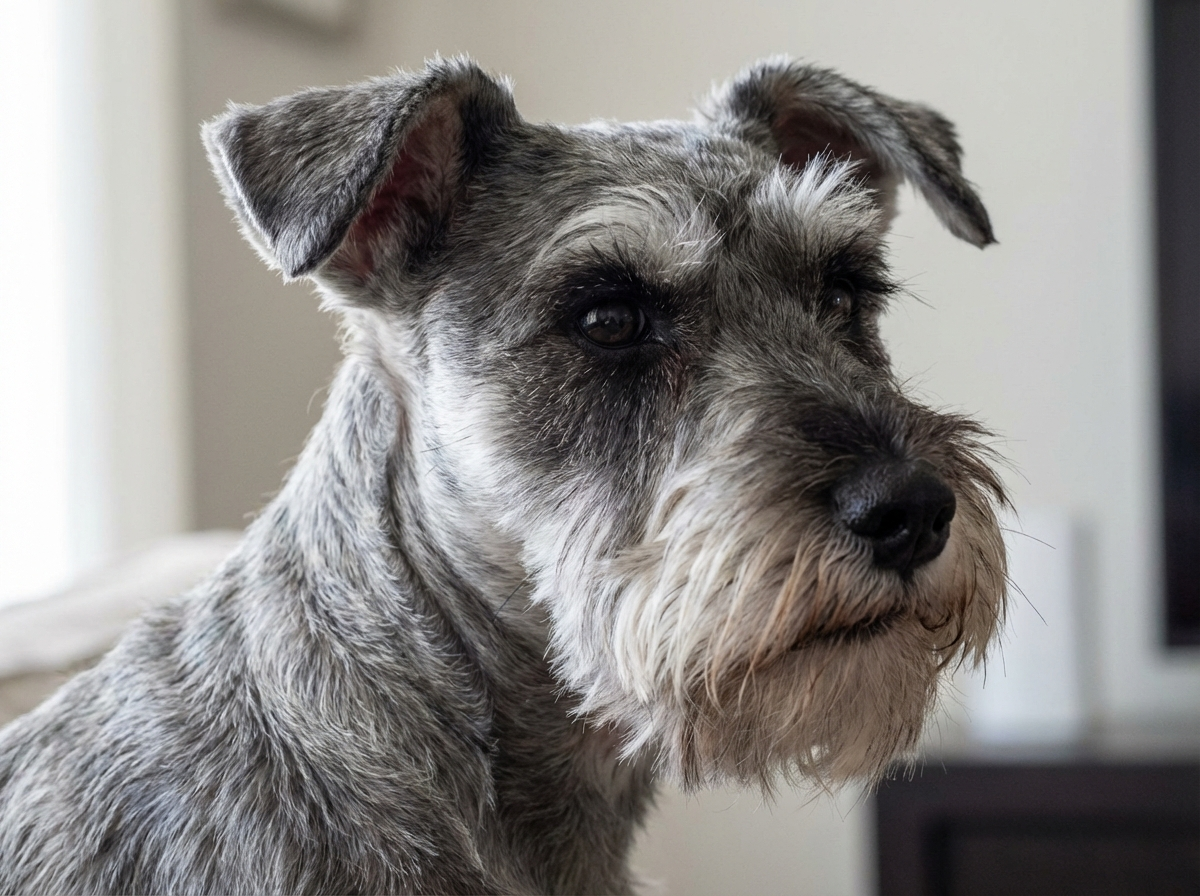
Sarah, a first-time dog owner, noticed her Miniature Schnauzer, Max, limping after playtime. After a vet visit, she learned that Max had luxating patellas. Initially overwhelmed, Sarah followed the vet's advice, incorporating gentle exercises and using a harness instead of a collar for walks. Over the next three months, Max's condition improved significantly, and he was back to chasing squirrels in the park with joy.
Key takeaway: With patience and proper care, you can help your Miniature Schnauzer manage luxating patellas and enjoy an active life.
Luxating patellas in Miniature Schnauzers can occur due to genetic factors, improper knee alignment, or injury. This condition is common in small breeds and can lead to pain and mobility issues if left untreated.
Signs of luxating patellas include limping, difficulty walking, or sudden yelps of pain when moving. You might also notice your dog occasionally lifting their leg and holding it in the air.
To address luxating patellas, consult your veterinarian for a proper diagnosis and treatment plan. Options may include weight management, physical therapy, or surgery in severe cases.
Treatment options can vary based on severity. Mild cases may require lifestyle changes, while more severe instances might need surgical intervention to realign the kneecap.
Training can support your Miniature Schnauzer by helping them learn to move carefully and avoid activities that strain their knees. Incorporating gentle exercises can also strengthen their muscles.
Managing your dog's weight and ensuring they have a safe space to play can reduce the risk of injury. Regular, low-impact exercise will help maintain muscle tone and joint health.
Preventive measures include maintaining a healthy weight, providing consistent exercise, and scheduling regular vet check-ups. Early detection can help manage the condition effectively.
Signs of luxating patellas can include limping, skipping, or holding the leg up after activity. You may also notice your Mini Schnauzer sometimes straightening their leg as if trying to pop the kneecap back into place. If you observe these symptoms, it's crucial to consult your vet.
In some cases, mild luxating patellas can be managed with non-surgical treatments, such as weight management, physical therapy, and specific exercises. However, severe cases often require surgical intervention to prevent pain and further joint damage. Always consult your vet to explore the best options.
For older Miniature Schnauzers, maintaining a healthy weight and providing gentle exercise can help manage luxating patellas. Additionally, using ramps or steps can reduce strain on their knees. Regular vet check-ups are essential to monitor their condition.
Yes, luxating patellas can be hereditary in Miniature Schnauzers. If you notice this issue in your dog, it’s advisable to discuss it with a breeder or a vet, especially if you are considering breeding your dog. Genetic testing may help identify risks.
Untreated luxating patellas can lead to chronic pain, arthritis, and loss of mobility in Miniature Schnauzers. This can significantly impact their quality of life. Early intervention and treatment are crucial to avoid these long-term complications.
Keep your Miniature Schnauzer at a healthy weight to reduce strain on their knees. Regular, gentle exercise can help maintain joint strength.
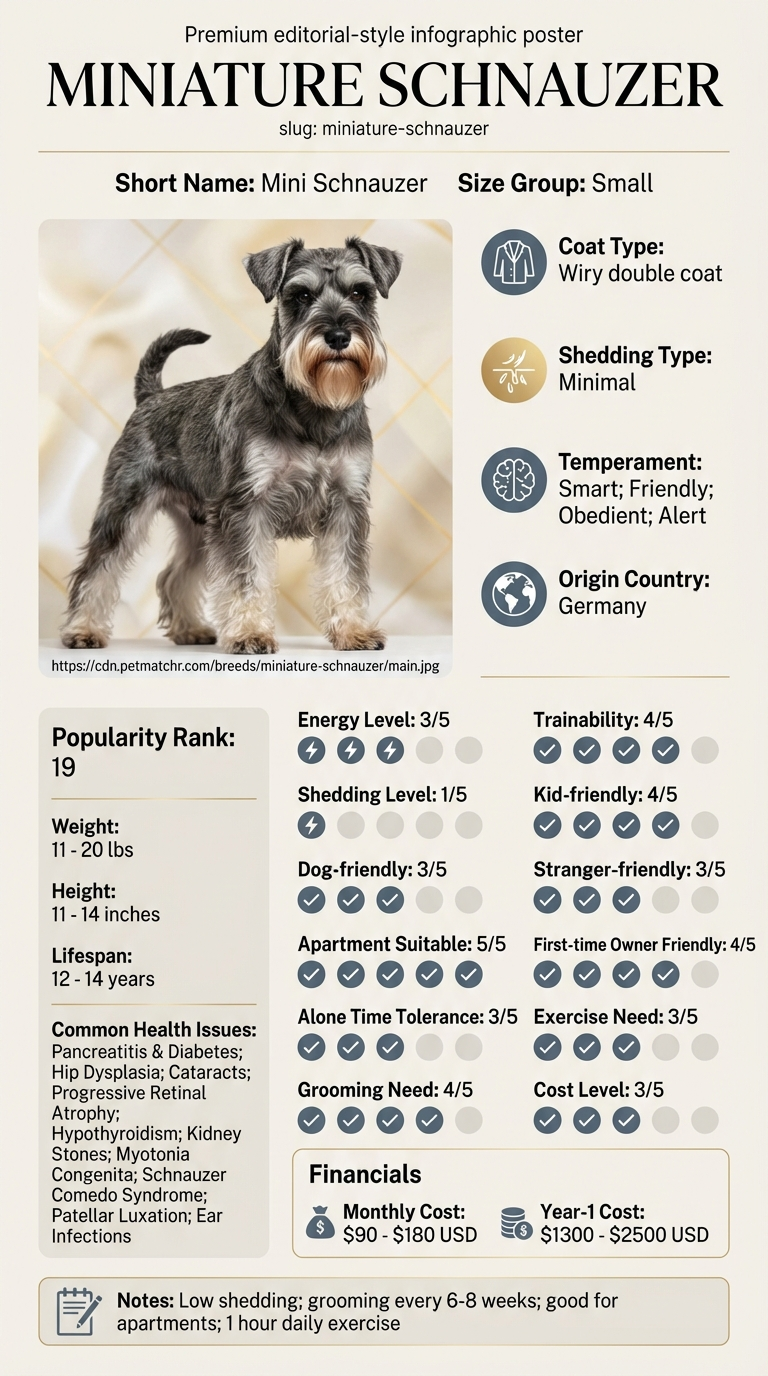
Aim for about one hour of exercise each day for your Miniature Schnauzer to keep them healthy and active.
If your Miniature Schnauzer appears to be in pain or limping, consult your veterinarian right away for an assessment and treatment options.
Positive reinforcement training can help your Miniature Schnauzer learn to navigate their environment safely and avoid movements that may aggravate their condition.
The cost of treatment can vary widely, ranging from $300 for conservative management to $2,000 or more for surgical options, depending on the severity.