Behavior
What are quick tips for managing Miniature Schnauzer gastric dilatation-volvulus (gdv/bloat)?
Feed smaller portions more frequently and avoid exercise right after meals to reduce the risk of GDV.
Miniature Schnauzer gastric dilatation-volvulus (GDV/bloat) is a serious condition that can threaten your dog's life.
Owners of Miniature Schnauzers, particularly those who are new to the breed, often find themselves grappling with the potential for GDV. Busy families, city dwellers, and first-time dog owners may not always be aware of the signs or how to prevent this issue.
This guide is not medical advice. If your dog shows pain, sudden behavior change, or worsening symptoms, consult a licensed veterinarian.
Some links may be affiliate links. We may earn a commission at no extra cost to you. We only suggest products we believe are helpful for dog owners.
Miniature Schnauzer gastric dilatation-volvulus (GDV/bloat) is a serious and potentially life-threatening condition. This problem occurs when the stomach fills with gas and twists on itself, leading to severe pain and discomfort. Common signs include restlessness, a swollen abdomen, and attempts to vomit without success.
While GDV is more common in deep-chested breeds, Miniature Schnauzers can still be at risk. It's not as prevalent among them, but owners should remain vigilant, especially during meal times.
Miniature Schnauzers can be prone to gastric dilatation-volvulus (GDV) due to their deep chests and rapid eating habits. Their size can make them more vulnerable to this serious condition, especially if they have a family history of GDV.
Stressful environments, such as loud noises or changes in routine, can trigger anxiety in Miniature Schnauzers. Eating too quickly or consuming large meals can also increase the risk of bloating.
If your Miniature Schnauzer shows signs of anxiety or stress during mealtime or exhibits behaviors like pacing, consider consulting a trainer. They can help with training strategies to create a more relaxed eating environment.
If your dog exhibits symptoms of GDV, such as a swollen abdomen, excessive drooling, restlessness, or attempts to vomit without success, contact your vet immediately. This condition is life-threatening and requires urgent medical attention.
Addressing Miniature Schnauzer gastric dilatation-volvulus (gdv/bloat) typically requires immediate veterinary assistance. After treatment, ongoing management may take several weeks as you adjust your dog's diet and feeding routine.
Success means your Miniature Schnauzer remains free from GDV episodes, maintains a healthy weight, and shows no signs of discomfort after meals.
Avoiding common mistakes can help you manage Miniature Schnauzer gastric dilatation-volvulus (GDV/bloat) more effectively. Here are some behaviors to watch out for and safer alternatives.
Gastric dilatation-volvulus (GDV), or bloat, is a life-threatening condition that requires immediate attention. If your Miniature Schnauzer shows signs such as a swollen abdomen, unproductive vomiting, or restlessness, call your vet right away. These symptoms can escalate quickly and often mean that your dog is in danger.
Other red flags include rapid breathing, excessive drooling, and signs of distress like pacing or whining. If your dog collapses or appears lethargic, this is another urgent sign that you need to seek veterinary help now. Delaying treatment can lead to severe complications.
On the other hand, if your Miniature Schnauzer is experiencing mild bloating without severe distress, you can monitor the situation at home. Look for less alarming symptoms like slight discomfort or a minor increase in belly size. In these cases, keep an eye on their behavior and contact your vet for advice if symptoms persist or worsen. Always have a plan in place to address any health issues, especially with conditions like GDV that can escalate quickly.
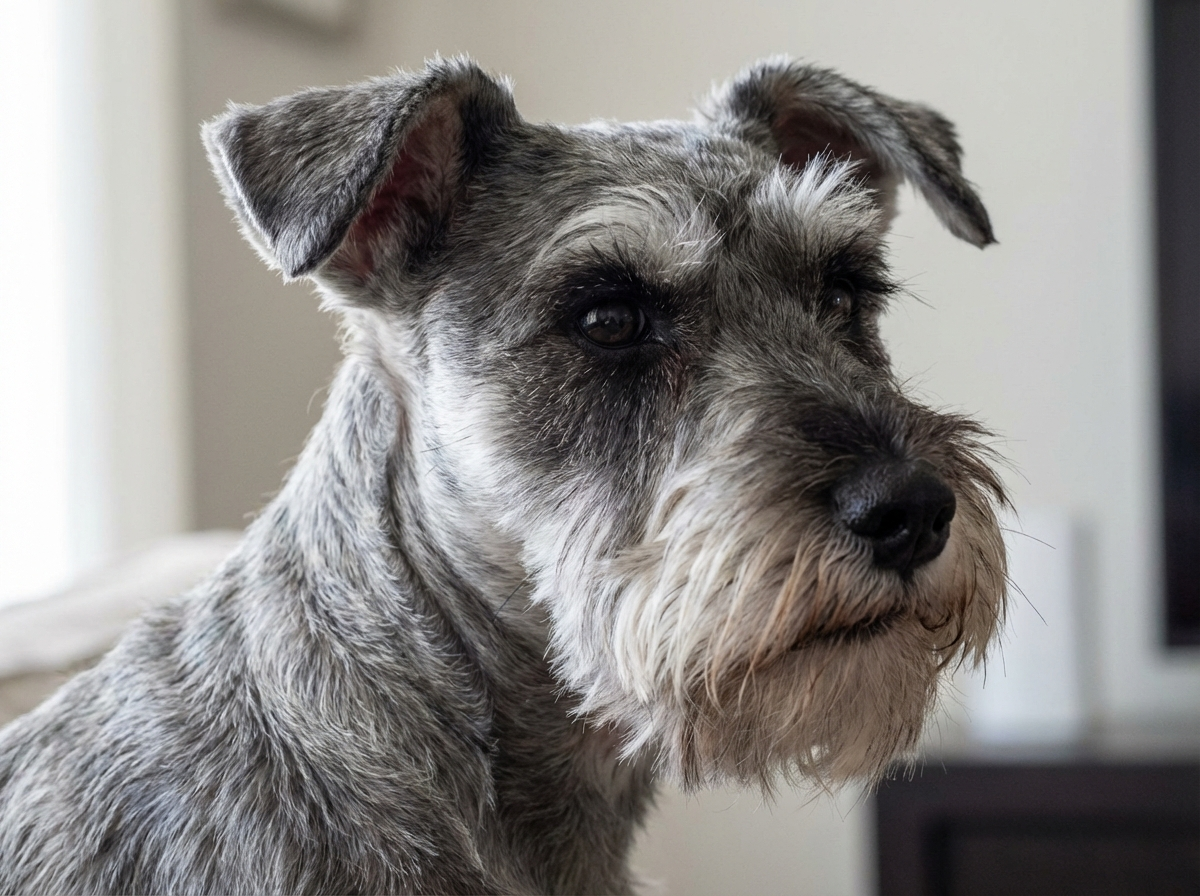
Lisa, a busy nurse in Seattle, noticed her Miniature Schnauzer, Max, was bloated and restless after meals. After a vet visit revealed he was at risk for gastric dilatation-volvulus (gdv/bloat), Lisa learned to adjust his feeding schedule. She started giving him smaller, more frequent meals and incorporated slow-feeding bowls to prevent gulping. Over time, Max became more comfortable, and Lisa felt relieved knowing she had taken steps to protect him.
Key takeaway: Regular meals and slow feeding can significantly reduce the risk of GDV in Miniature Schnauzers.
Gastric dilatation-volvulus (GDV) in Miniature Schnauzers can occur due to several factors, including genetics, diet, and eating habits. Rapid eating or drinking, stress, and certain physical traits can increase the risk. It's essential to monitor your dog’s eating patterns and consult a vet for personalized advice. This answer relates to Miniature Schnauzer gastric dilatation-volvulus (gdv/bloat).
To help prevent GDV in your Miniature Schnauzer, feed smaller, more frequent meals rather than one large meal. Avoid vigorous exercise immediately after meals and consider using a slow feeder bowl to encourage slower eating. Regular check-ups with your vet can also help manage any risk factors.
Symptoms of GDV include a swollen abdomen, unproductive vomiting, restlessness, and signs of distress like pacing or excessive drooling. If you notice these symptoms, seek emergency veterinary care immediately, as GDV is a life-threatening condition.
If you suspect your Miniature Schnauzer has GDV, get them to a vet immediately. Time is critical, as GDV can lead to shock and death within hours. Do not try to treat it at home; immediate professional help is necessary.
Yes, training can help modify your Miniature Schnauzer's eating habits. Teaching commands like 'slow' can encourage more cautious eating. Incorporating a slow feeder bowl during mealtime can also reinforce this behavior.
While GDV is more common in larger breeds, Miniature Schnauzers can still be at risk. Awareness of their dietary habits and behavior can help mitigate the risk. Regular vet check-ups can also provide early detection of potential health issues.
Early signs of GDV in Miniature Schnauzers can include restlessness, pacing, and a swollen abdomen. You may also notice your dog trying to vomit but being unable to do so. If you see these symptoms, seek veterinary care immediately.
To help prevent GDV in your Miniature Schnauzer, avoid feeding large meals at once. Instead, provide smaller, more frequent meals throughout the day. Keeping your dog calm after eating can also reduce their risk of developing this condition.
Yes, GDV is more common in older Miniature Schnauzers, especially those over the age of five. Their risk increases as they get older, making regular veterinary check-ups essential for maintaining their health.
If you suspect your Miniature Schnauzer has GDV, take them to the vet immediately. This condition is life-threatening and requires urgent medical attention. Do not wait for symptoms to worsen.
Yes, diet changes can help reduce the risk of GDV in Miniature Schnauzers. Opting for high-quality, easily digestible food and avoiding rapid eating can be beneficial. Always consult your vet before making significant changes to your dog's diet.
Feed smaller portions more frequently and avoid exercise right after meals to reduce the risk of GDV.
If your Miniature Schnauzer exhibits symptoms like a swollen belly or attempts to vomit without success, take them to a vet immediately.
Avoid feeding your Miniature Schnauzer dry kibble that encourages rapid eating; consider high-quality, digestible foods instead.
Yes, using slow feeder bowls or practicing commands can train your Miniature Schnauzer to eat more slowly.