How to recognize Maltese von Willebrand's disease (vWD1)?
Look for symptoms like excessive bleeding from cuts or nosebleeds, which may indicate vWD1.
Maltese von Willebrand's disease (vWD1) is a genetic bleeding disorder that can affect your dog's health.

Owners of Maltese dogs, particularly those who are first-time pet parents or those unfamiliar with this genetic disease, often struggle to manage their pet's health. Understanding vWD1 is crucial for ensuring a happy and healthy life for your furry friend.
This guide is not medical advice. If your dog shows pain, sudden behavior change, or worsening symptoms, consult a licensed veterinarian.
Some links may be affiliate links. We may earn a commission at no extra cost to you. We only suggest products we believe are helpful for dog owners.
Maltese von Willebrand's disease (vwd1) is a genetic bleeding disorder that can make everyday life challenging for both the dog and its owner. Affected Maltese may experience excessive bleeding from minor injuries, spontaneous nosebleeds, or prolonged bleeding after surgery. This can lead to anxiety for both the dog and the owner, as the unpredictability of bleeding episodes can be concerning.
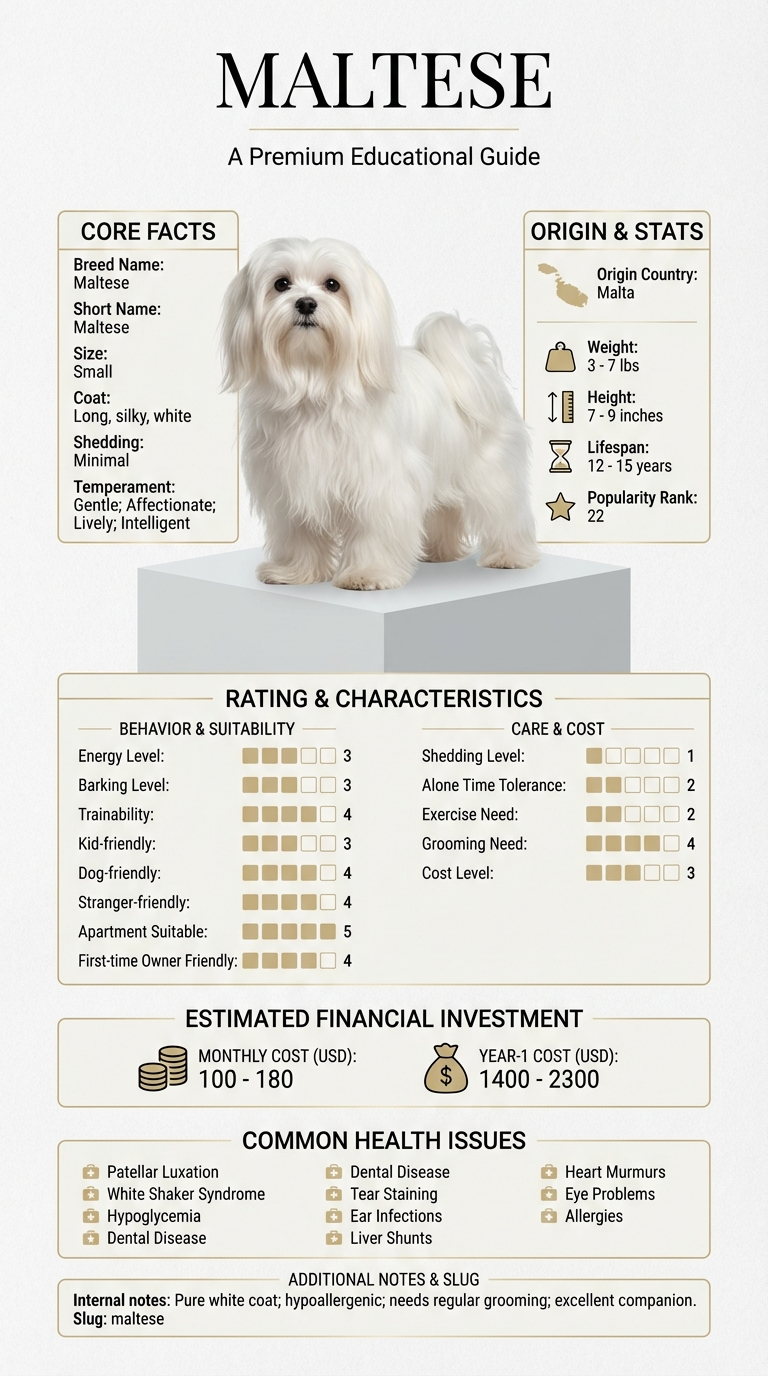
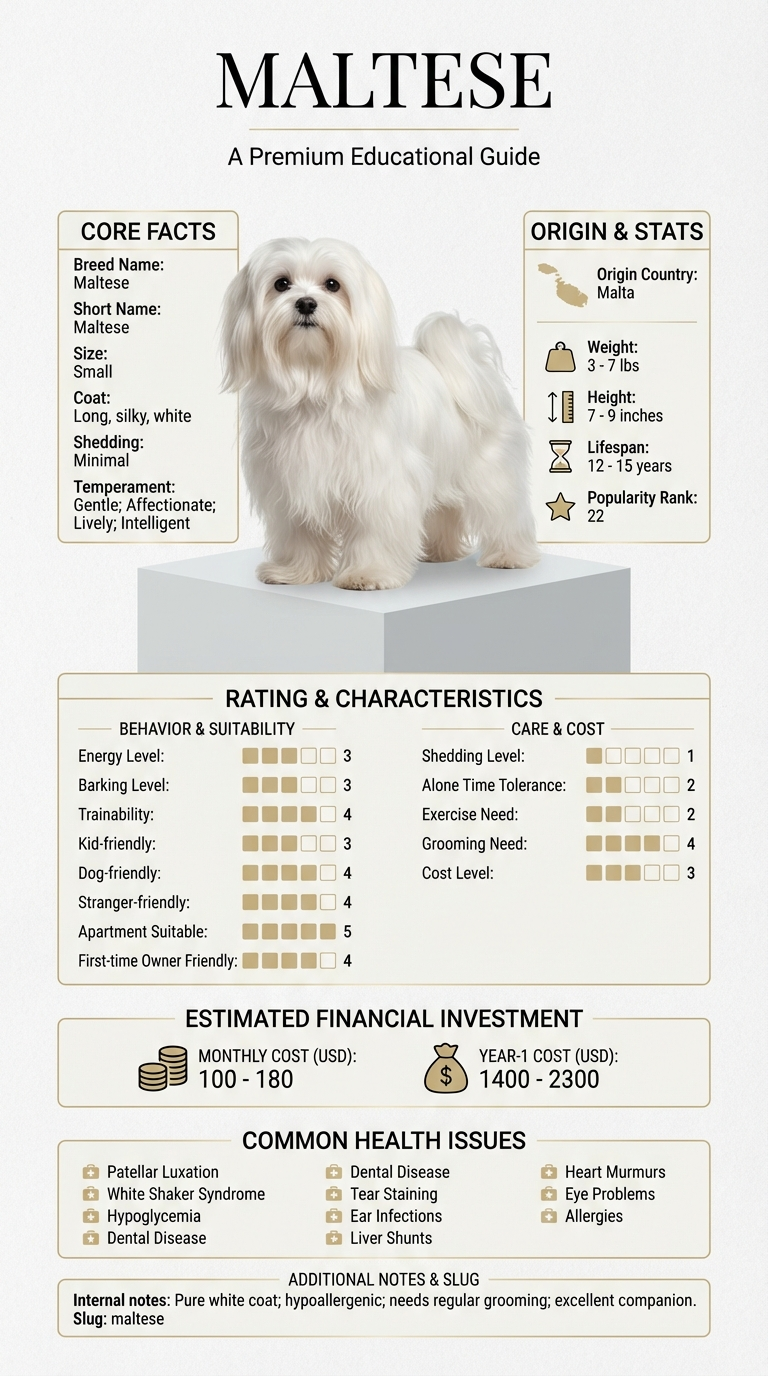
Von Willebrand's disease (vwd1) is relatively common in Maltese dogs compared to other breeds. While not all Maltese will develop this condition, it is important for owners to be aware of the signs and to discuss genetic testing with their veterinarian.
Maltese von Willebrand's disease (vWD1) is a genetic bleeding disorder that affects this breed due to inherited traits. It restricts the ability of blood to clot properly, leading to excessive bleeding. Because it's hereditary, if a Maltese has a family history of vWD1, they are more likely to develop it.
Environmental factors are less significant for vWD1 since it is primarily genetic. However, stress or injury can exacerbate symptoms. A stressful environment may increase bleeding episodes, especially if the dog is already predisposed to the condition.
If your Maltese exhibits behavioral issues due to anxiety or fear related to their condition, consider hiring a trainer. A professional can provide tailored strategies to help them cope with stress and feel more secure.
If you notice any unusual bleeding, bruising, or if your Maltese seems lethargic, consult your vet immediately. Regular check-ups are also important to manage their health and adjust care as needed.
Most Maltese dogs with von Willebrand's disease (vWD1) can manage their condition with proper care and training over a period of 3 to 6 months.
Success looks like a Maltese that can engage in regular activities while minimizing bleeding risks, maintaining a healthy weight, and having fewer anxiety episodes.
Avoiding certain behaviors can help manage your Maltese with von Willebrand's disease (vWD1). Here are common mistakes to sidestep.
Call your vet immediately if your Maltese shows any of these red-flag signs: excessive bleeding from minor cuts, prolonged bleeding during heat cycles, or blood in urine or stool. Other urgent signs include lethargy, weakness, or rapid breathing, which may indicate internal bleeding. If you notice any of these symptoms, do not hesitate to seek help.
On the other hand, if your Maltese has mild symptoms, you can monitor them at home. For instance, if your dog experiences occasional nosebleeds that resolve quickly or minor bruising without additional symptoms, a wait-and-see approach may be appropriate. Keep an eye on their activity level and appetite, and maintain regular vet check-ups to manage their health.
In summary, when in doubt, it's better to err on the side of caution. Always consult your vet if you’re unsure about your dog's condition. Recognizing the signs early can make a significant difference in treatment and recovery.

Sarah, a devoted Maltese owner, noticed her dog Bella had unusual bleeding after minor injuries. After consulting with her vet, she learned Bella had von Willebrand's disease (vWD1). With guidance, Sarah adjusted Bella's diet, maintained a regular vet schedule, and focused on gentle training techniques to reduce stress. Over several months, Bella became more comfortable during vet visits and was able to enjoy her playtime without excessive worry about injuries.
Key takeaway: Managing a Maltese with von Willebrand's disease requires patience and proactive care, but with the right approach, your dog can lead a happy, fulfilling life.
Maltese von Willebrand's disease (vWD1) is a genetic bleeding disorder that affects your dog's ability to clot blood. It can lead to excessive bleeding from minor injuries, making it crucial for owners to be aware of the symptoms and treatment options.
Maltese von Willebrand's disease (vWD1) is inherited, meaning it can be passed down from parents to puppies. If you're considering getting a Maltese, it's essential to choose a responsible breeder who tests for this condition.
To manage Maltese von Willebrand's disease (vWD1), regular veterinary check-ups are essential. Your vet might recommend avoiding certain activities that could lead to injury and may also suggest blood tests to monitor your dog's condition.
Symptoms of Maltese von Willebrand's disease (vWD1) can include prolonged bleeding from cuts, nosebleeds, and bleeding gums. If you notice any of these signs, contact your vet promptly for advice.
Yes, many Maltese with von Willebrand's disease (vWD1) can lead normal lives with proper care. It's vital to keep them safe and minimize their risk of injury to help manage their condition.
While you can't cure Maltese von Willebrand's disease (vWD1), you can manage it by ensuring your dog is in a safe environment. Regular vet visits and avoiding high-risk activities can help maintain their quality of life.
Symptoms of Maltese von Willebrand's disease (vwd1) can include excessive bleeding after injury, nosebleeds, and bleeding gums. You may also notice that your Maltese bruises easily or has prolonged bleeding during routine procedures, like dental cleanings.
Managing Maltese von Willebrand's disease (vwd1) involves regular vet check-ups and possibly avoiding certain activities that could cause injury. Your vet may recommend specific treatments or precautions to minimize bleeding risks and ensure your dog's safety.
Yes, older Maltese dogs with von Willebrand's disease (vwd1) may experience more severe symptoms due to age-related health issues. It's crucial to monitor them closely for any changes in bleeding tendencies and consult your vet for tailored advice.
Maltese von Willebrand's disease (vwd1) is a genetic condition inherited from their parents. If you suspect your Maltese has this condition, genetic testing can confirm it, helping you understand their health better.
While there isn't a specific diet for Maltese von Willebrand's disease (vwd1), a balanced diet rich in nutrients can support overall health. Always consult your vet for dietary recommendations that suit your dog's individual needs.
Look for symptoms like excessive bleeding from cuts or nosebleeds, which may indicate vWD1.
If your Maltese bleeds excessively, apply pressure to the wound and contact your vet immediately.
While there is no cure, treatment options may include medication to help manage bleeding episodes.
Training should focus on avoiding high-energy activities that could lead to injury for Maltese with vWD1.
Keep your Maltese safe from injury and visit the vet regularly to monitor their condition.