DogBreedCompass
← Back to breed profile

Maltese Progressive Retinal Atrophy (PRA): What You Need to Know

Maltese progressive retinal atrophy (PRA) is a serious condition that leads to gradual vision loss in your dog.

Maltese Progressive Retinal Atrophy (PRA): What You Need to Know infographic

Owners of Maltese dogs, particularly those who notice changes in their pet's vision or behavior, often struggle with the emotional and practical challenges of managing this condition.

Important reminder

This guide is not medical advice. If your dog shows pain, sudden behavior change, or worsening symptoms, consult a licensed veterinarian.

Some links may be affiliate links. We may earn a commission at no extra cost to you. We only suggest products we believe are helpful for dog owners.

What this problem looks like

Maltese progressive retinal atrophy (PRA) is a genetic eye disorder that leads to gradual vision loss. This condition often manifests as your Maltese becomes more hesitant to navigate familiar spaces or bumps into furniture. It usually starts with night blindness, making it hard for them to see in low light, and progresses to daytime vision issues. This can be distressing for both the dog and the owner, as everyday activities become more challenging.

Common triggers

  • Genetic predisposition, especially in older Maltese
  • Changes in lighting conditions, like dim rooms
  • Stressful environments or loud noises

PRA is relatively common in Maltese dogs, particularly as they age. Many affected dogs may show signs between ages 4 and 7, but not all will develop severe symptoms. Regular veterinary check-ups can help catch this condition early.

Why this happens

Breed factors

Maltese dogs are prone to Progressive Retinal Atrophy (PRA) due to genetic factors. This breed has a higher likelihood of inheriting eye diseases, which can lead to gradual vision loss. The genetic predisposition means that some Maltese may develop PRA even if they appear healthy at first.

Environment factors

Environmental factors can also play a role in the progression of PRA. Poor nutrition, lack of regular veterinary check-ups, and exposure to harmful substances can worsen eye health. Additionally, stress and inadequate care may contribute to the overall decline in a Maltese's well-being.

What you can try

At-home strategies

  • Ensure a balanced diet rich in omega fatty acids to support eye health. Consider supplements after discussing them with your vet.
  • Create a safe space for your Maltese to navigate easily. Remove obstacles and keep furniture in the same place to help them move around confidently.
  • Engage in consistent, gentle training sessions. Use positive reinforcement to keep your Maltese mentally stimulated, which can help with anxiety related to vision loss.

When to consider a trainer

If your Maltese shows signs of anxiety, such as excessive barking or destructive behavior, a professional trainer can help. Look for trainers experienced with small breeds and those who understand PRA-related challenges. They can provide tailored strategies to manage these issues.

When to talk to your vet

Consult your vet if you notice any changes in your Maltese's vision or behavior. Early intervention can make a significant difference. If you suspect PRA or any other eye issues, a veterinary ophthalmologist can offer specialized advice.

Realistic expectations

You may see changes in your Maltese's vision within 6 months to a year after diagnosis. Staying consistent with recommended care and training can help manage the condition.

Success looks like your Maltese adapting to their vision changes. They should still enjoy life and engage in activities, even if their sight is limited.

Mistakes that make this worse

Avoiding these common mistakes can help manage your Maltese's progressive retinal atrophy (PRA) more effectively.

  • Ignoring early signs of vision loss: Many owners overlook subtle changes in their Maltese's behavior. Instead, monitor for signs like bumping into objects or hesitating in unfamiliar spaces.
  • Not adapting the environment: Failing to remove obstacles can hinder your dog's navigation. Create a safe space with clear paths and familiar objects to help your Maltese move confidently.
  • Overreacting to changes: It's easy to become overly cautious when you notice vision loss. Instead, remain calm and supportive, allowing your Maltese to explore and adapt at their own pace.
  • Neglecting regular vet check-ups: Skipping appointments can delay crucial interventions. Make sure to schedule regular visits to monitor your dog's vision and overall health.
  • Inconsistent training: Using different commands or cues can confuse your Maltese. Stick to clear, consistent signals to aid their understanding and reinforce their confidence.
  • Not providing mental stimulation: Focusing solely on physical care can neglect your dog's mental needs. Engage your Maltese with puzzle toys or scent games to keep their mind active.
  • Withholding affection: Some owners may feel frustrated and withdraw affection. Instead, offer extra love and reassurance to support your Maltese through their challenges.

When Maltese Progressive Retinal Atrophy (PRA) is an Emergency

Understanding when Maltese progressive retinal atrophy (PRA) becomes an emergency is crucial for your dog's health. In some cases, immediate veterinary attention is necessary, while others can be monitored over time. Knowing the red flags can make all the difference in ensuring your Maltese gets the care they need.

Maltese Progressive Retinal Atrophy (PRA): What You Need to Know - When Maltese Progressive Retinal Atrophy (PRA) is an Emergency

Ella's Journey with PRA

Ella, a devoted Maltese owner, noticed her dog, Bella, was bumping into furniture and seemed hesitant to navigate familiar places. After a vet visit, she learned Bella had Progressive Retinal Atrophy (PRA). Ella felt overwhelmed but decided to focus on adapting their home environment and training Bella to rely on her other senses. Over the next few months, Ella created a safe space and used commands to guide Bella. With patience and love, Bella thrived despite her vision loss, and their bond deepened through new ways of communication.

Key takeaway: Adapting your home and using consistent training can help your Maltese live happily with PRA, even as their vision changes.

Frequently asked questions

Why does my Maltese have progressive retinal atrophy (PRA)?

Maltese progressive retinal atrophy (PRA) is a genetic condition that affects the retina, leading to gradual vision loss. It can be inherited from parents, so it's essential to know the health history of your dog’s lineage. Regular veterinary check-ups can help detect early signs of PRA.

How can I help my Maltese with PRA?

While there's no cure for Maltese progressive retinal atrophy (PRA), you can help your dog adapt to vision loss. Keeping your home environment consistent and free of obstacles can ease their navigation. Training them to use cues for movement can also support their independence.

Are there any treatments for PRA in Maltese dogs?

Currently, no treatments can reverse Maltese progressive retinal atrophy (PRA). However, your vet may recommend supplements that support eye health. Regular monitoring and adjustments to your dog's lifestyle can also help manage the condition.

What are the signs that my Maltese may have PRA?

Signs of Maltese progressive retinal atrophy (PRA) include difficulty seeing in low light, bumping into objects, and reluctance to engage in activities they once enjoyed. If you notice these changes, consult your vet for an eye examination.

Can PRA affect my Maltese's quality of life?

Maltese progressive retinal atrophy (PRA) can impact your dog's quality of life, but many dogs adapt well to their vision loss. Providing a stable environment, consistent routines, and mental stimulation can help maintain their happiness. Regular vet visits are also crucial for ongoing support.

What are the early signs of Maltese progressive retinal atrophy (PRA)?

Early signs of Maltese progressive retinal atrophy (PRA) may include difficulty seeing in low light, bumping into objects, or hesitation when navigating stairs. If you notice these behaviors in your dog, it’s important to consult a vet for guidance and potential testing.

Can Maltese progressive retinal atrophy (PRA) affect older dogs differently?

Yes, older Maltese may exhibit more pronounced symptoms of progressive retinal atrophy (PRA) compared to younger dogs. Their overall health and any other existing conditions can also impact how they cope with vision loss.

How can I help my Maltese adjust to living with progressive retinal atrophy (PRA)?

To help your Maltese adjust to living with progressive retinal atrophy (PRA), create a consistent home environment. Keep furniture in the same place, use scent markers, and guide them gently to familiar areas. Training and patience are key to easing their anxiety.

Should I see a vet if I suspect my Maltese has progressive retinal atrophy (PRA)?

Absolutely! If you suspect your Maltese has progressive retinal atrophy (PRA), it's crucial to see a vet. They can perform a thorough examination and recommend a management plan to support your dog's needs.

Are there any treatments or therapies for Maltese progressive retinal atrophy (PRA)?

Currently, there is no cure for Maltese progressive retinal atrophy (PRA). However, various therapies can help improve their quality of life, including specialized training and environmental modifications. Always consult with your vet for the best approach.

Quick answers

View more answers
Behavior

What are quick tips for managing Maltese PRA?

Keep your home well-lit and free of clutter to help your Maltese navigate safely. Use consistent commands and signals to guide them, and consider engaging them in scent work for mental stimulation.

Costs

Should I be worried about costs related to my Maltese's PRA?

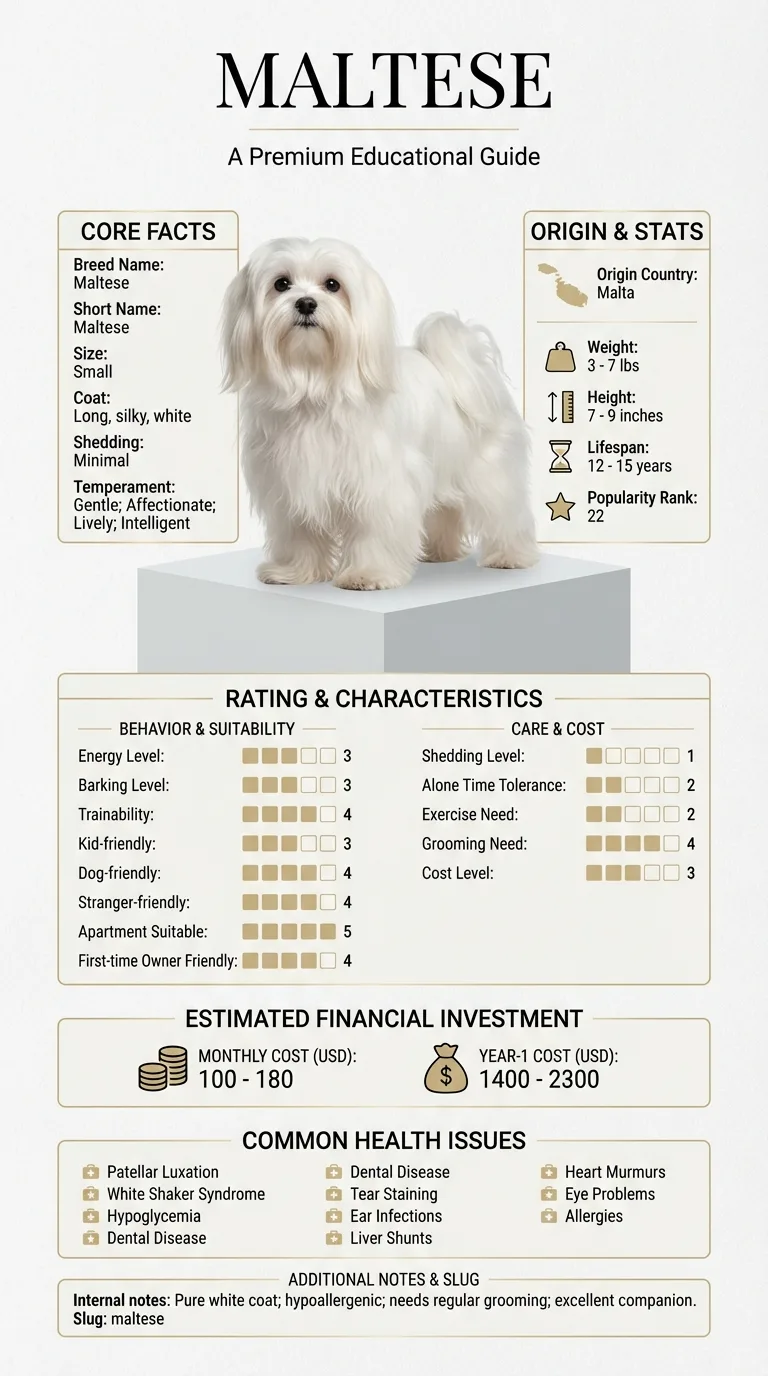
While Maltese progressive retinal atrophy (PRA) has no specific treatment costs, ongoing vet visits and potential supplements can add up. Expect to spend between $100 and $180 monthly for general care, plus any additional costs.

Training

How can I help my Maltese adjust to vision loss?

Create a safe and familiar environment for your Maltese. Use consistent furniture placement, and consider training them to follow sound cues for better navigation.

Related DogBreedCompass guides

Related guides