Behavior
What are quick tips for managing Maltese allergies?
Regular grooming, avoiding known allergens, and keeping your home clean can help manage Maltese allergies.
Maltese allergies can be a frustrating challenge for pet owners. These allergies can lead to discomfort and health issues for your dog.
Typical owners facing this issue include first-time Maltese parents, busy families, and anyone who has noticed unusual itching, redness, or irritation on their dog. These owners often seek practical advice to help their beloved pets feel better.
This guide is not medical advice. If your dog shows pain, sudden behavior change, or worsening symptoms, consult a licensed veterinarian.
Some links may be affiliate links. We may earn a commission at no extra cost to you. We only suggest products we believe are helpful for dog owners.
Maltese allergies can manifest in various ways, often causing discomfort for both the dog and its owner. These allergies may lead to symptoms like itching, sneezing, or skin irritations. Chronic ear infections and skin infections are also common in Maltese dogs due to their sensitive nature.
Allergies in Maltese dogs are fairly common, affecting a significant number of them throughout their lives. As small, sensitive dogs, Maltese are more prone to allergies than some larger breeds, making awareness and proactive care essential.
Maltese allergies can be influenced by genetic factors. Some Maltese may have inherited a predisposition to allergies, making them more sensitive to certain substances. This breed is known for its delicate skin and fine coat, which can lead to skin irritations and allergic reactions.
Environmental factors play a significant role in Maltese allergies. Common triggers include pollen, dust mites, mold, and certain chemicals in cleaning products. Additionally, food allergies may arise from specific ingredients in dog food, causing gastrointestinal upset or skin issues.
If your Maltese is experiencing anxiety or stress due to allergies, consider consulting a trainer. They can help develop a routine that minimizes stress and teaches coping mechanisms for your dog.
If at-home strategies do not improve your Maltese's symptoms, it's essential to consult a vet. Persistent allergies may require medication or specialized treatments to manage the condition effectively.
You can expect to see improvements in about 4 to 8 weeks with consistent management.
Success means your Maltese has fewer allergy symptoms, such as itching and inflammation, and is more comfortable in their daily life.
Avoiding these common mistakes can help improve your Maltese's allergy situation.
Recognizing when Maltese allergies become an emergency can save your dog’s life. Some signs indicate that immediate veterinary attention is necessary. If your Maltese experiences severe swelling, difficulty breathing, or has a sudden collapse, call your vet right away. These symptoms may indicate a life-threatening allergic reaction called anaphylaxis.
Other red flags include excessive vomiting or diarrhea, which can lead to dehydration. If your dog is scratching intensely or has raw, bleeding skin, it’s essential to reach out to your vet as well. These conditions can lead to secondary infections, which require prompt treatment.
On the other hand, there are cases of Maltese allergies that can be monitored at home. If your dog has mild itching, sneezing, or occasional ear infections, you can create a management plan. Keep a journal of symptoms and possible triggers, and consult your vet for effective treatments, such as allergy testing or medication adjustments. Regular grooming can help reduce allergens, too. If you notice improvement, it may be safe to watch and wait, but always stay vigilant for worsening signs.
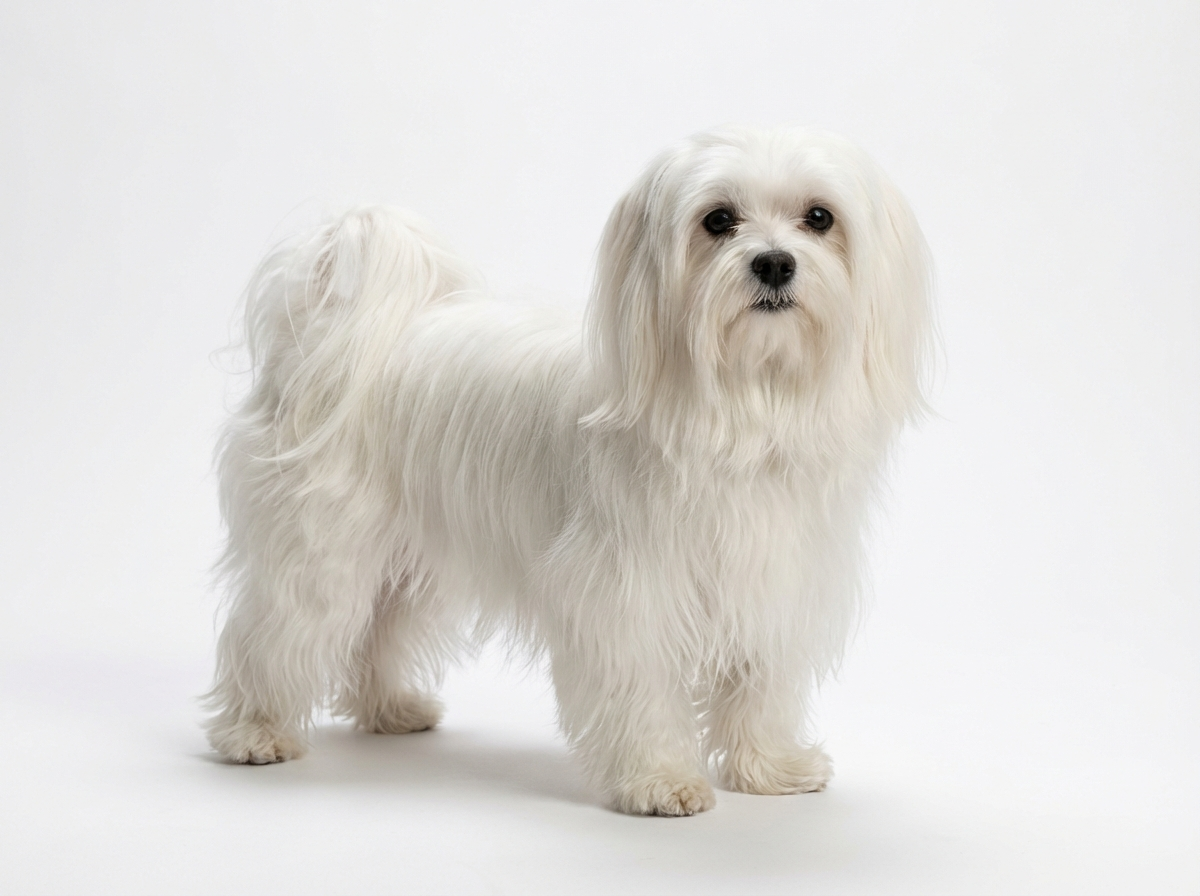
Emily, a busy nurse in Chicago, adopted Bella, a sweet Maltese. Soon after, she noticed Bella scratching constantly and developing red patches on her skin. After consulting her vet, Emily learned Bella had environmental allergies. She started keeping a clean home, using hypoallergenic dog food, and even added a soothing oatmeal bath to Bella's grooming routine. Within weeks, Bella's symptoms improved significantly, and she was much happier. Emily realized that managing allergies required ongoing attention but was worth it for Bella's comfort and health.
Key takeaway: With dedication and the right approach, you can effectively manage your Maltese's allergies and improve their quality of life.
Maltese allergies can be caused by various factors like food ingredients, pollen, or dust mites. Environmental allergens are common triggers, and some Maltese may also have food sensitivities. Consult your vet to identify specific allergens and appropriate treatments.
To help alleviate Maltese allergies, first identify and avoid known allergens. Regular grooming can reduce skin irritations, and your vet may recommend antihistamines or special diets. Consistent cleaning of your home can also minimize exposure to irritants.
Signs of allergies in a Maltese include excessive scratching, biting at their skin, watery eyes, or sneezing. You might also notice redness or swelling on their skin. If these symptoms persist, consult your vet for a proper diagnosis.
While some mild cases can be managed at home, it’s best to consult your vet for a tailored treatment plan. Over-the-counter antihistamines may help, but not all dogs react well to them. Regular baths with hypoallergenic shampoos can also provide relief.
Yes, a hypoallergenic diet is often recommended for Maltese with food allergies. These diets usually contain novel proteins and limited ingredients to reduce allergic reactions. Work with your vet to find a suitable option tailored to your dog's needs.
If your Maltese shows persistent signs of discomfort, such as itching or skin infections, it's time to visit the vet. Early intervention can prevent more serious issues. Keep an eye on any changes in behavior or health, and seek help promptly.
Common signs of Maltese allergies include excessive scratching, red or inflamed skin, and watery eyes. You might also notice your dog has a runny nose or is sneezing frequently. If you observe these symptoms, it's best to consult your vet for proper diagnosis.
Yes, it's possible for Maltese allergies to develop later in life. As dogs age, their immune systems can change, making them more susceptible to allergens. If your older Maltese starts showing symptoms of allergies, a vet visit is recommended.
To help your Maltese with allergies, keep their living space clean and free of dust and allergens. Regular grooming and bathing can also reduce allergens on their coat. Additionally, consider hypoallergenic foods, but consult your vet before making dietary changes.
You should take your Maltese to the vet if their allergy symptoms are severe or persistent, such as constant itching or swelling. Also, if you notice any signs of secondary infections, like redness or discharge, a vet visit is essential. Early treatment can prevent further complications.
Some Maltese dogs may be allergic to certain ingredients like beef, chicken, or grains. It's important to monitor your dog's diet and symptoms closely. If you suspect food allergies, your vet may recommend an elimination diet to identify the triggers.
Regular grooming, avoiding known allergens, and keeping your home clean can help manage Maltese allergies.
The cost for treating Maltese allergies can range from $100 to $300 a month depending on medications and treatments needed.
Opt for a hypoallergenic diet tailored to avoid common allergens; consult your vet for recommendations.
Yes, Maltese are known to be prone to allergies, including food and environmental triggers.
Training can include desensitization techniques and positive reinforcement to help your Maltese cope better with their environment.


