Behavior
How to stop Labradoodle bloat (gastric dilatation-volvulus/gdv)?
Feed smaller meals more often and avoid exercise for at least an hour after eating.
Labradoodle bloat, also known as gastric dilatation-volvulus (GDV), is a serious and potentially life-threatening condition. (Labradoodle bloat (gastric dilatation-volvulus/gdv))
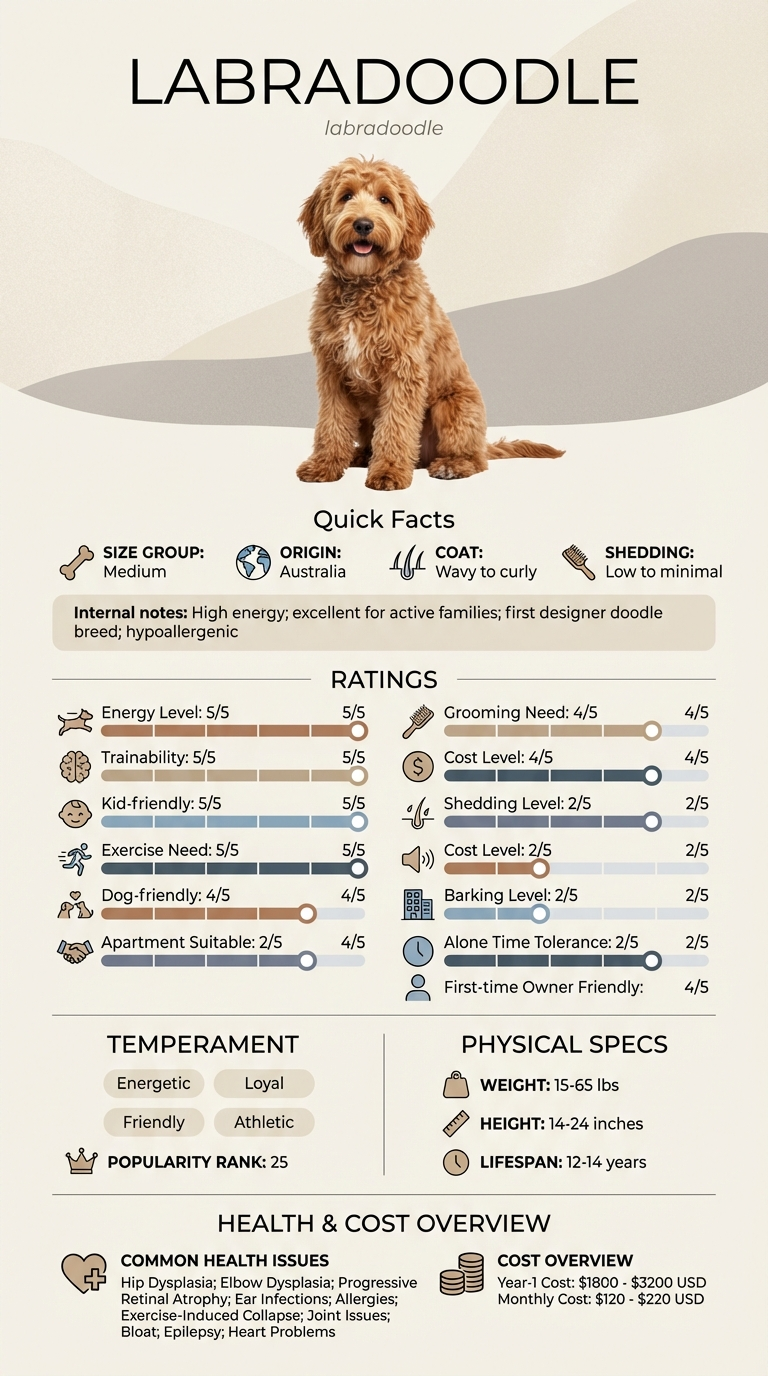
Typically, active Labradoodle owners or families with busy lifestyles may find themselves struggling with this issue, especially if they don't recognize the early warning signs. It can be particularly distressing for first-time dog owners who may not be familiar with this serious health concern.
This guide is not medical advice. If your dog shows pain, sudden behavior change, or worsening symptoms, consult a licensed veterinarian.
Some links may be affiliate links. We may earn a commission at no extra cost to you. We only suggest products we believe are helpful for dog owners.
Labradoodle bloat, also known as gastric dilatation-volvulus (GDV), is a serious condition that can happen suddenly. It involves the stomach twisting and filling with gas, leading to pain, distress, and potentially death if not treated quickly. Symptoms often include a swollen abdomen, restlessness, and attempts to vomit without producing anything.
Bloat is relatively common in medium to large breeds, including Labradoodles. While not every Labradoodle will experience this issue, it’s a risk that all owners should be aware of, especially in high-energy dogs.
Labradoodles can be prone to bloat due to their deep-chested anatomy. This breed's size and shape can increase the risk of the stomach twisting, which leads to gastric dilatation-volvulus (GDV). Additionally, their energetic nature may lead them to eat quickly, further elevating this risk.
Bloat can be influenced by feeding habits, such as large meals or exercising right after eating. Stressful situations, like travel or loud noises, can also trigger bloat in sensitive Labradoodles. Lastly, factors like an aggressive eating style or gulping air while eating can contribute to the problem.
If your Labradoodle shows extreme anxiety around feeding or exhibits aggressive eating behaviors, consider consulting a trainer. A professional can help with behavior modification techniques to reduce stress and improve eating habits.
If you notice signs of bloat, such as a swollen abdomen, unproductive retching, or excessive drooling, contact your vet immediately. This is a life-threatening condition that requires urgent attention.
If you start implementing changes immediately, you may see improvement in your Labradoodle's eating habits and anxiety levels within a few weeks. Consistent training and lifestyle adjustments can take several months to fully establish.
Success means your Labradoodle eats calmly without rushing, shows reduced anxiety around meal times, and has a lower risk of developing bloat. Regular vet check-ups also help ensure their overall health.
Avoiding certain behaviors can help manage Labradoodle bloat (gastric dilatation-volvulus/GDV). Here are common mistakes to steer clear of and safer alternatives.
Recognizing when Labradoodle bloat (gastric dilatation-volvulus/GDV) is an emergency can save your dog's life. If your Labradoodle shows any of the following red-flag signs, you should call your vet immediately: rapid swelling of the abdomen, unproductive retching, restlessness, excessive drooling, or signs of severe pain. These symptoms indicate that your dog may be experiencing a life-threatening condition that requires urgent treatment.
On the other hand, if your Labradoodle is mildly bloated but doesn’t show severe symptoms, you can monitor them at home. Signs to watch for include slight discomfort, a less-than-normal appetite, or mild lethargy. In these cases, keep an eye on your dog and consider adjusting their feeding routine or diet to prevent future episodes. If symptoms persist or worsen, don’t hesitate to seek veterinary advice.
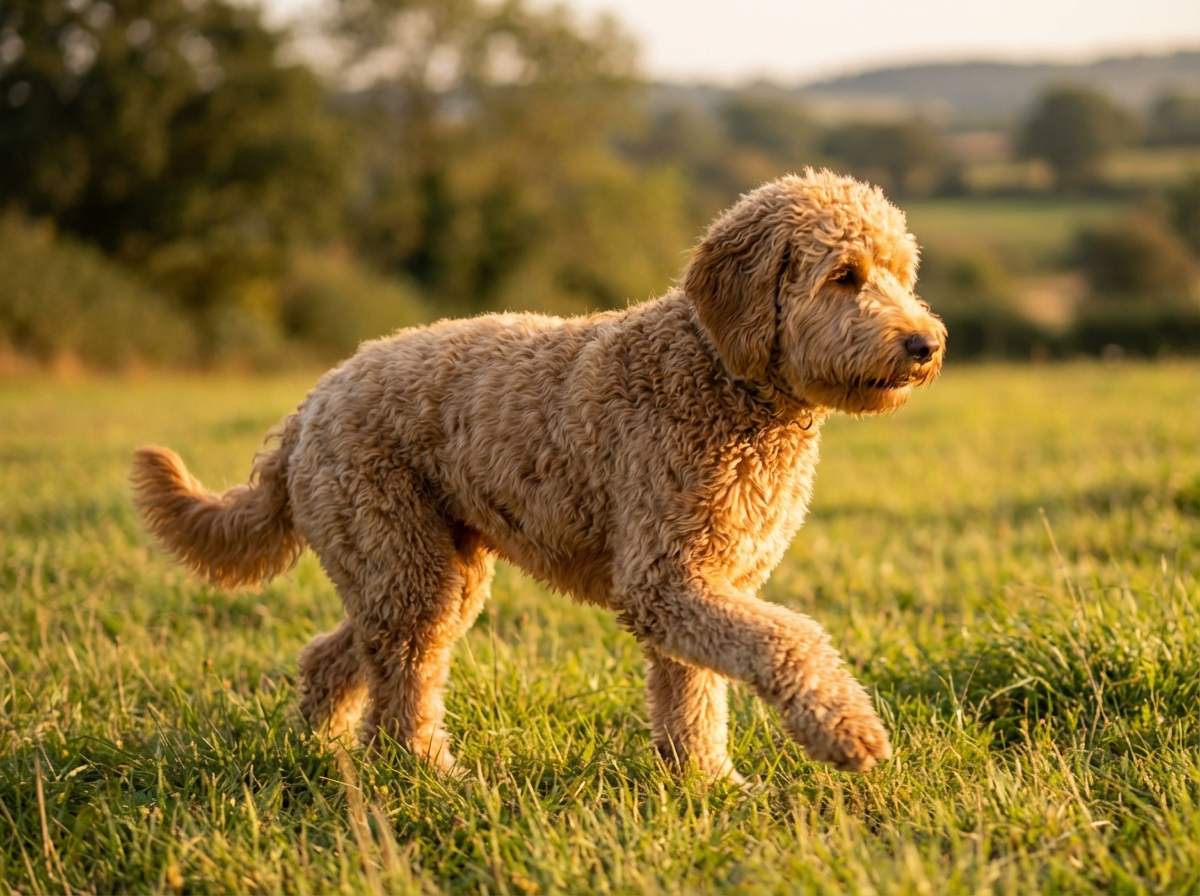
The Thompsons, a busy family of four, welcomed a Labradoodle named Max. They soon noticed he gulped his food and often seemed anxious during meal times. After researching how to stop Labradoodle bloat, they decided to switch to smaller, more frequent meals and invested time in training Max to eat slowly. They also started using a slow feeder bowl, which helped tremendously. Within a month, Max was calmer and more relaxed during mealtime, and the family felt reassured knowing they were preventing potential health issues.
Key takeaway: With patience and the right strategies, you can significantly reduce the risk of Labradoodle bloat while enhancing your dog's meal experience.
Labradoodles may experience bloat due to rapid eating, drinking large amounts of water, or exercising right after meals. This condition can cause the stomach to twist, which is a medical emergency. It's important to recognize the signs early and seek veterinary help.
Common symptoms include a swollen abdomen, excessive drooling, restlessness, and attempts to vomit without success. If your Labradoodle shows these signs, contact your vet immediately. Early intervention is crucial to prevent serious complications.
To prevent bloat, feed your Labradoodle smaller meals more frequently instead of one large meal. Avoid vigorous exercise right after meals and make sure they have slow feeders to reduce rapid eating. Monitoring their behavior around food can also help.
If you suspect your Labradoodle has bloat, take them to the vet immediately. This condition can be life-threatening and requires urgent medical attention. Don't wait to see if symptoms improve.
While bloat can affect any dog, certain breeds, including Labradoodles, may be more prone due to their size and anatomy. A family history of bloat can increase the risk. It's important to discuss this with your vet if you're concerned.
Bloat is a serious condition that requires veterinary treatment. Home remedies are not effective and can delay critical care. Always seek professional help if you suspect your dog is experiencing bloat.
Early signs of Labradoodle bloat can include restlessness, a distended abdomen, and excessive drooling. If your dog seems uncomfortable or tries to vomit without success, these could be warning signs. Acting quickly can save your dog's life, so don't hesitate to consult a vet.
Yes, Labradoodles can develop bloat at any age, but it's more common in older dogs. Factors like eating habits, exercise, and stress can contribute to the risk. Keeping a close eye on your dog's behavior can help catch any issues early.
If you suspect your Labradoodle has bloat, seek veterinary care immediately. This condition can worsen rapidly and is often life-threatening. Delaying treatment could have serious consequences, so don't wait.
To help prevent bloat, feed your Labradoodle smaller meals throughout the day instead of one large meal. Avoid vigorous exercise right after eating, and consider using a slow feeder. These strategies may reduce the risk of this serious condition.
While there's no guaranteed diet to prevent bloat, some owners find that high-quality, easily digestible foods work best. Consult your vet for personalized dietary recommendations that suit your Labradoodle's needs and help minimize bloat risk.
Feed smaller meals more often and avoid exercise for at least an hour after eating.
Use slow feeders to prevent rapid eating and monitor for signs of distress after meals.
Treatment can range from $1,500 to $7,500 depending on the severity and required procedures.
Look for a swollen belly, excessive drooling, or attempts to vomit without success.