Behavior
What should I do if my Jack Russell Terrier has cherry eye?
Schedule a vet appointment for an evaluation and treatment options. Early intervention can prevent complications.

Quick answer
What should I do if my Jack Russell Terrier has cherry eye?
Schedule a vet appointment for an evaluation and treatment options. Early intervention can prevent complications.
Jack Russell Terrier cherry eye is a common condition where a gland in the eyelid protrudes. This issue can cause discomfort and may require attention.
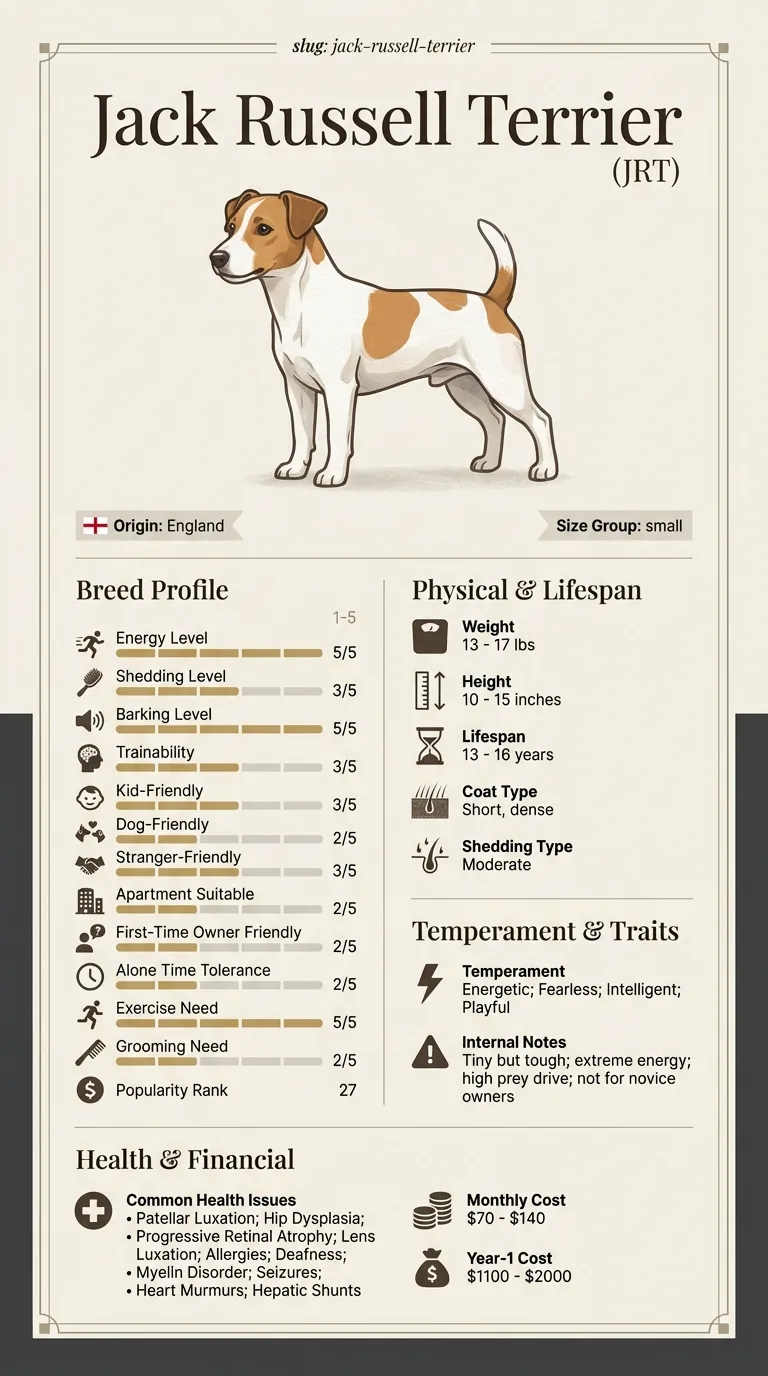
Owners of Jack Russell Terriers, particularly those with first-time pets, often find themselves facing this issue. Busy families and individuals who are unfamiliar with dog health may also struggle with recognizing and addressing cherry eye.
This guide is not medical advice. If your dog shows pain, sudden behavior change, or worsening symptoms, consult a licensed veterinarian.
Some links may be affiliate links. We may earn a commission at no extra cost to you. We only suggest products we believe are helpful for dog owners.
We research and check what we publish, but we do not warrant that any figure, date, price, or statement is accurate, complete, or current, and we accept no liability for any loss, cost, injury, or other harm arising from the use of this site. Use it as one reference among several. You remain responsible for your own decisions and for your dog's care - confirm anything that matters with a licensed veterinarian or another qualified professional before you act on it. Full disclaimer.
Check this first
Understanding when Jack Russell Terrier cherry eye becomes an emergency is crucial for your dog's health. While cherry eye may seem like a minor issue, there are red flags to watch for that indicate immediate veterinary care is necessary. If your dog shows signs of severe swelling, redness, or discomfort around the eye, it's time to call your vet right away. Also, if the eye appears to be excessively watering or if your dog is pawing at it repeatedly, these can indicate complications that require urgent attention.
On the other hand, if the cherry eye is mild and your dog is not exhibiting any signs of discomfort or irritation, you can monitor the situation at home. In these cases, ensure your dog isn't scratching or rubbing the eye. Keeping an eye on the situation allows you to track any changes. It's wise to take notes on any fluctuations in the eye's appearance or your dog's behavior. If the cherry eye persists or worsens, reach out to your vet for guidance. Taking a proactive approach can help prevent further issues down the line.
If any of these apply, call your vet or an emergency clinic now. The rest of this page is for the cases that are not an emergency.
Jack Russell Terrier cherry eye is a common condition where a gland in the dog's eyelid protrudes, creating a noticeable red bulge. This can be alarming for owners, as it affects the dog's appearance and comfort. While not usually painful, it can lead to irritation and potential complications if untreated.
Cherry eye is relatively common in Jack Russell Terriers, particularly in younger dogs. Many owners may notice it during the first few years of their dog's life, especially if they have a family history of the condition.
Jack Russell Terriers are prone to certain genetic conditions, including cherry eye, which occurs when a tear gland in the eyelid prolapses. Their active, high-energy nature can exacerbate this issue, leading to increased eye strain.
Environmental factors like dry air or allergens can also contribute to cherry eye. Stressful situations, such as frequent changes in environment or routine, can worsen the condition, especially in sensitive dogs.
If your dog's cherry eye persists or worsens despite home care, consult a veterinarian. They can assess whether surgical intervention is necessary or suggest other treatments to relieve discomfort.
Understanding what not to do can help with your Jack Russell Terrier cherry eye. Here are some common mistakes and safer alternatives.
Start here: Jack Russell Terrier Most Common Genetic Disorders
See all Jack Russell Terrier health problems, which breeds are prone to cherry eye, or the full Jack Russell Terrier breed guide for temperament, exercise needs and ownership costs.
If you start treatment for Jack Russell Terrier cherry eye promptly, you can expect to see improvement within a few weeks. However, full resolution may take a couple of months, especially if surgery is needed.
Success means your Jack Russell Terrier will have a comfortable, healthy eye without any visible signs of cherry eye. They should be free from discomfort and able to engage in their usual activities.
Emily, a busy nurse from Seattle, noticed that her Jack Russell Terrier, Max, had a bulging gland in his eye. Initially, she thought it would resolve on its own, but after a few weeks, it didn't improve. Realizing that cherry eye could lead to more serious issues, she took Max to the vet. They discussed treatment options, including surgery, and ultimately decided to go that route. After the procedure, Max was back to his energetic self within weeks, and his eye healed beautifully. Emily learned the importance of addressing health concerns early.
Key takeaway: Don't wait if you notice signs of cherry eye in your Jack Russell Terrier; early intervention can lead to better outcomes.
Cherry eye occurs when a gland in the eyelid prolapses and becomes visible. This can happen due to genetic factors or as a result of stress or irritation. If you notice it, consult your vet for the best treatment options.
To address cherry eye in your Jack Russell Terrier, first, schedule a vet appointment. They may suggest treatments such as eye drops or surgery, depending on severity. Regular monitoring can also help prevent recurrence.
Cherry eye can be uncomfortable, but it doesn't always cause pain. However, it can lead to other issues if left untreated. Always keep an eye on your dog's behavior and consult a vet if you notice signs of discomfort.
While not entirely preventable, keeping your Jack Russell Terrier stress-free can help. Regular vet check-ups can also catch any issues early. Ensure they have a balanced diet and enough exercise to maintain overall health.
Treatment options for cherry eye include topical medications and surgical correction. Your vet will assess your dog's condition and recommend the best course of action. Surgery is often the most effective way to prevent recurrence.
Post-surgery care includes keeping your dog calm and preventing them from rubbing their eyes. Follow your vet's guidelines for medications and check-ups. Monitor for any signs of complications, such as swelling or discharge.
Cherry eye occurs when the gland in the dog's third eyelid prolapses, creating a noticeable bulge. This can happen due to genetic factors or stress on the eye. It's more common in certain breeds, including the Jack Russell Terrier.
While you can't completely prevent cherry eye, maintaining your dog's overall health can help. Regular vet check-ups and proper eye care can reduce the risk. Keeping your dog calm and stress-free also contributes to their eye health.
Cherry eye isn't typically life-threatening, but it can lead to discomfort and potential eye problems if untreated. If you notice symptoms, consult your vet for advice. Early intervention can prevent complications.
Treatment usually involves surgical correction, which is effective in most cases. Your vet may also suggest non-surgical options, like topical medications, but surgery is often the best long-term solution. Always follow your vet's recommendations for the best outcome.
Yes, older Jack Russell Terriers can develop cherry eye, although it's more common in younger dogs. If an older dog shows symptoms, it's essential to consult your vet promptly. Early detection is key to managing the condition effectively.
Schedule a vet appointment for an evaluation and treatment options. Early intervention can prevent complications.
Home remedies are not recommended; it's best to consult your vet for safe and effective treatments.
Provide a consistent routine, plenty of exercise, and a calm environment to reduce stress in your Jack Russell Terrier.
Yes, cherry eye can reoccur, especially if not surgically corrected. Regular vet check-ups can help monitor for any issues.
Treatment costs can range from $100 to $600, depending on whether medication or surgery is needed. Consult your vet for a detailed estimate.
A one-page prep sheet for this condition: the signs, the questions to ask, what to get priced. Unlocks here.
You get: Vet visit prep sheet
No spam. One-click unsubscribe. See our privacy policy.
See a sample page before you decide.
Early access list
The free prep sheet covers the same-day warning signs, a symptom log and the questions to ask. We are considering a fuller kit that adds a cost worksheet for the usual tests and treatments (US price ranges with their sources) and a plain-English guide to ways of covering the bill. It is not built yet; this list tells us whether it is worth building.
One email, no spam, unsubscribe anytime. Information only, not veterinary advice.