Health
What are quick tips for Jack Russell Terrier autoimmune diseases?
Ensure a balanced diet and regular vet check-ups. Keep their skin clean and healthy. Monitor their behavior for changes that may indicate discomfort.

Quick answer
What are quick tips for Jack Russell Terrier autoimmune diseases?
Ensure a balanced diet and regular vet check-ups. Keep their skin clean and healthy. Monitor their behavior for changes that may indicate discomfort.
Jack Russell Terriers can face autoimmune diseases, leading to serious health issues. Understanding these conditions is crucial for your dog's well-being.
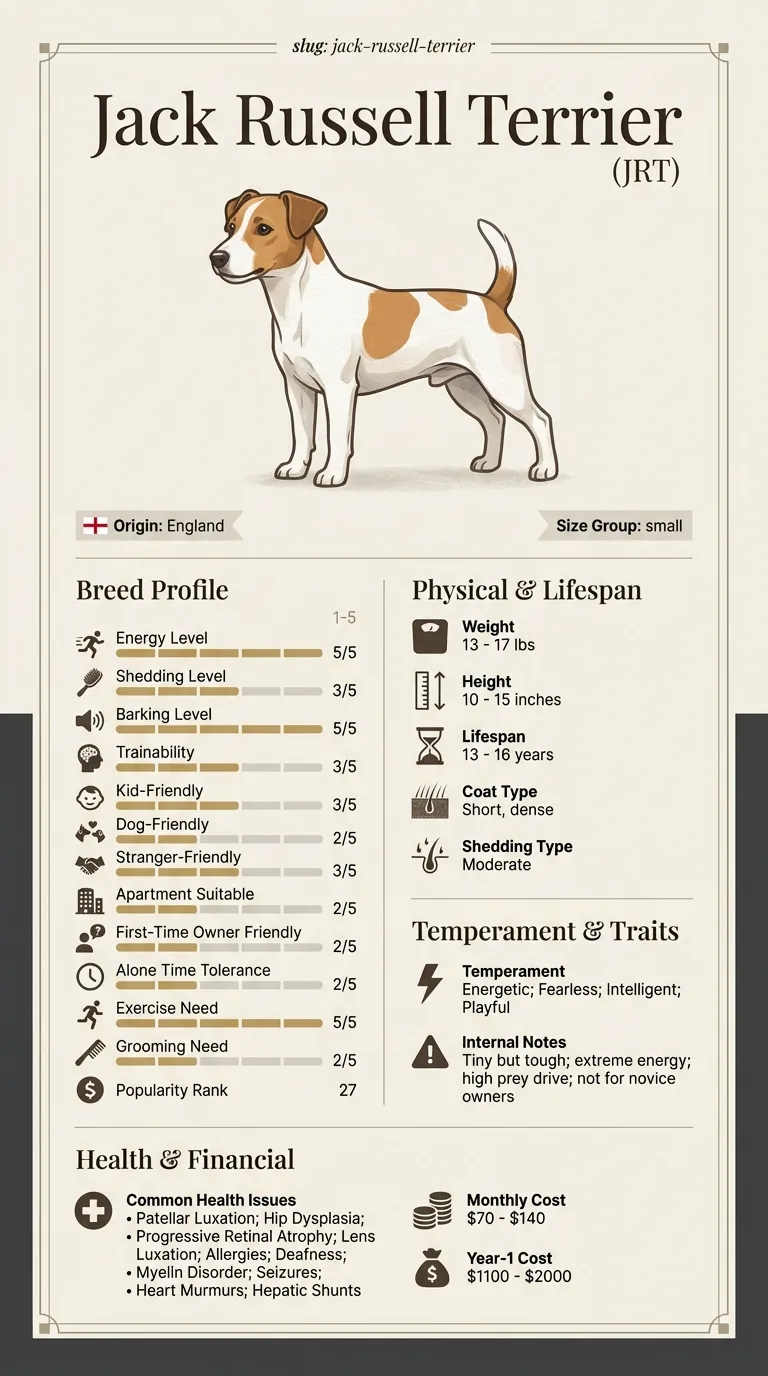
Owners of Jack Russell Terriers often struggle with recognizing the signs of autoimmune diseases. This can be particularly challenging for first-time dog owners who may not know what to look for.
This guide is not medical advice. If your dog shows pain, sudden behavior change, or worsening symptoms, consult a licensed veterinarian.
Some links may be affiliate links. We may earn a commission at no extra cost to you. We only suggest products we believe are helpful for dog owners.
We research and check what we publish, but we do not warrant that any figure, date, price, or statement is accurate, complete, or current, and we accept no liability for any loss, cost, injury, or other harm arising from the use of this site. Use it as one reference among several. You remain responsible for your own decisions and for your dog's care - confirm anything that matters with a licensed veterinarian or another qualified professional before you act on it. Full disclaimer.
Check this first
Recognizing when your Jack Russell Terrier is facing an autoimmune disease emergency is crucial. There are specific red flags that indicate you need to call your vet immediately. Look out for severe symptoms such as excessive bleeding, swelling in the face or limbs, difficulty breathing, or signs of shock, like lethargy or weakness. These symptoms can indicate serious complications that require urgent care.
If any of these apply, call your vet or an emergency clinic now. The rest of this page is for the cases that are not an emergency.
Jack Russell Terrier autoimmune diseases can manifest as skin conditions, leading to sores and hair loss. These issues are often triggered by environmental factors, allergies, or genetic predispositions. Owners may notice their JRT scratching excessively or developing patches of missing fur, which can be distressing for both the dog and the owner.
Autoimmune diseases are relatively common in Jack Russell Terriers. These small, energetic dogs are prone to several health issues, including autoimmune disorders, which can affect their overall well-being. Regular veterinary check-ups are crucial for early detection and management.
Jack Russell Terriers may be more prone to autoimmune diseases due to their genetic makeup. Certain breeds, including the JRT, have inherited tendencies that can lead to these health issues. Their energetic and fearless temperament might also contribute to stress-related immune responses.
Environmental factors can also play a role in autoimmune diseases. Exposure to allergens, toxins, or infections can trigger immune system reactions. Stressful living conditions or lack of proper care may further exacerbate these health problems.
Consult your vet if you notice persistent skin problems, unusual fatigue, or other health concerns. It's crucial to get a professional opinion on potential autoimmune diseases, especially if symptoms worsen despite home care.
Avoiding these common mistakes can help manage Jack Russell Terrier autoimmune diseases effectively.
Start here: Jack Russell Terrier Most Common Genetic Disorders
See all Jack Russell Terrier health problems, which breeds are prone to autoimmune diseases, or the full Jack Russell Terrier breed guide for temperament, exercise needs and ownership costs.
With consistent care and veterinary guidance, you can expect to see improvement in your Jack Russell Terrier's autoimmune diseases within 3 to 6 months. However, it may take longer to fully manage the condition, depending on its severity.
Success means your Jack Russell Terrier experiences fewer flare-ups of skin conditions, improved coat health, and an overall better quality of life. Regular vet check-ups and a tailored treatment plan can help achieve this.
In less severe cases, you may notice symptoms like mild skin irritation or occasional hair loss. These can often be managed with a watch-and-wait approach. It's important to monitor your dog's condition closely, keeping track of any changes in behavior or worsening symptoms. Regular vet check-ups are also recommended to ensure your Jack Russell Terrier is stable and receiving appropriate care.

When Sarah adopted Max, her spirited Jack Russell Terrier, she was unaware of the autoimmune diseases he would face. After noticing patches of missing fur and skin sores, she took him to the vet, who diagnosed him with an autoimmune condition that required a special diet and medication. Initially overwhelmed, Sarah committed to following the vet's recommendations and created a consistent routine for Max. With patience and dedication, she started to see improvements in his coat and energy levels. Through this journey, they built a stronger bond as they navigated the ups and downs together.
Key takeaway: The journey with a Jack Russell Terrier facing autoimmune diseases can be challenging, but with the right care and commitment, you can see significant improvements in their health and happiness.
Autoimmune diseases in Jack Russell Terriers can be caused by genetic factors, environmental triggers, or infections. These conditions make the immune system attack the dog's own body. Always consult a vet for proper diagnosis and treatment options.
Look for symptoms like skin lesions, hair loss, or unusual lethargy. Changes in appetite or behavior may also indicate health issues. Regular vet check-ups can help catch these conditions early.
Jack Russell Terriers may suffer from autoimmune skin diseases, such as pemphigus or lupus. These conditions can lead to painful lesions and require ongoing management. Always seek veterinary advice for proper treatment.
While you can't prevent autoimmune diseases, you can manage symptoms through proper nutrition and regular vet visits. Consider a diet rich in omega fatty acids to support skin health. Medication may also be necessary, as advised by your vet.
Training your Jack Russell Terrier should focus on building their confidence and reducing stress. Positive reinforcement can help, especially if they are experiencing discomfort due to their condition. Consult a trainer familiar with health issues for tailored strategies.
Common symptoms include skin issues like sores and hair loss, along with lethargy, loss of appetite, and unusual behavior. If you notice any of these signs, it's important to consult your vet for a proper diagnosis.
Yes, older Jack Russell Terriers may be more prone to autoimmune diseases due to a weakening immune system. Regular vet check-ups are essential for monitoring their health as they age.
A balanced diet can help support your Jack Russell Terrier's immune system. Discuss with your vet about including high-quality proteins and omega fatty acids, which may aid in managing autoimmune conditions.
You should take your Jack Russell Terrier to the vet if you observe any persistent symptoms like skin issues, significant changes in behavior, or unusual fatigue. Early intervention can make a significant difference in treatment outcomes.
Yes, certain breeds, including Jack Russell Terriers, can be more susceptible to autoimmune diseases. Understanding your dog's breed-specific health risks can help you take proactive measures in their care.
Ensure a balanced diet and regular vet check-ups. Keep their skin clean and healthy. Monitor their behavior for changes that may indicate discomfort.
Managing autoimmune diseases may range from $70 to $140 monthly, depending on vet visits and medication. Annual costs could reach up to $2,000.
Watch for excessive scratching, biting at the skin, or changes in energy levels. These can indicate potential health issues.
Training is beneficial for all dogs, including those with health issues. It helps build confidence and can ease anxiety.
A one-page prep sheet for this condition: the signs, the questions to ask, what to get priced. Unlocks here.
You get: Vet visit prep sheet
No spam. One-click unsubscribe. See our privacy policy.
Preview page 1 before you decide.