Behavior
How to prevent Havanese bloat (gastric dilatation-volvulus/GDV)?
Feed smaller meals, avoid exercise right after eating, and monitor their behavior for signs of distress.
Havanese bloat, also known as gastric dilatation-volvulus (GDV), is a serious condition that can threaten your dog's life. (Havanese bloat (gastric dilatation-volvulus/gdv))
Many Havanese owners, especially first-time dog parents, may struggle with recognizing the early signs of bloat. Those who are busy or unsure about dog health might find it even more challenging to manage this risk.
This guide is not medical advice. If your dog shows pain, sudden behavior change, or worsening symptoms, consult a licensed veterinarian.
Some links may be affiliate links. We may earn a commission at no extra cost to you. We only suggest products we believe are helpful for dog owners.
Havanese bloat, also known as gastric dilatation-volvulus (GDV), is a serious and potentially life-threatening condition. It occurs when the stomach fills with gas and twists, leading to severe pain and shock. Daily signs include restlessness, rapid breathing, and attempts to vomit without producing anything. This condition is particularly concerning in small dog breeds like the Havanese, making awareness crucial for their owners.
Bloat is relatively common in small breeds, including the Havanese. While not every Havanese will experience it, the risk increases with certain factors, including their feeding habits and stress levels. Owners should be vigilant and recognize the signs early for the best outcomes.
Havanese dogs are small and have a deep chest, which makes them more prone to bloat (gastric dilatation-volvulus). Their affectionate nature can lead to overeating or eating too quickly, increasing the risk of this condition. Additionally, genetic factors may play a role, as certain breeds are more susceptible to bloat.
Environmental factors such as stress or anxiety can trigger bloat in Havanese dogs. If they're frequently left alone or exposed to loud noises, it may contribute to their discomfort. Feeding practices, like giving large meals or allowing vigorous exercise right after eating, can also lead to this life-threatening condition.
If your Havanese shows signs of anxiety or stress that might contribute to bloat, consider consulting a professional trainer. They can help develop a training plan to reduce anxiety triggers and improve your dog's overall behavior around feeding times.
If your Havanese exhibits symptoms of bloat, such as a swollen abdomen, excessive drooling, or restlessness, contact your vet immediately. Bloat is a medical emergency, and prompt treatment is crucial for their safety.
Managing Havanese bloat (gastric dilatation-volvulus/GDV) requires immediate attention and ongoing management. You may see improvements within a few weeks of implementing changes, but it can take several months to fully stabilize your dog's health.
Success means your Havanese shows no signs of bloat, maintains a healthy appetite, and has consistent energy levels. Regular vet check-ups and adherence to dietary recommendations will help keep your dog safe.
Avoiding these common mistakes can help you manage Havanese bloat more effectively.
Havanese bloat, or gastric dilatation-volvulus (GDV), can quickly turn life-threatening. Recognizing the signs of an emergency can save your dog's life. If your Havanese shows any of the following red-flag symptoms, call your vet immediately:
- Swollen abdomen that looks distended - Unproductive attempts to vomit or retch - Excessive drooling - Rapid breathing or signs of distress - Weakness or lethargy
These symptoms indicate that air is trapped in the stomach, causing it to twist. This condition requires immediate medical intervention.
In contrast, if your Havanese is experiencing mild signs such as slight discomfort, occasional burping, or a little drooling, you can monitor them at home. Keep an eye on their behavior for changes over the next few hours. If the symptoms persist or worsen, it’s best to consult your vet. Here are some steps for monitoring:
- Maintain a calm environment to reduce stress. - Offer small amounts of water to avoid dehydration. - Observe for any changes in appetite or energy levels.
It's essential to know that early intervention is crucial. Waiting too long when symptoms worsen can lead to severe complications. Always prioritize your dog's health and err on the side of caution. If in doubt, it’s better to contact your vet for advice.
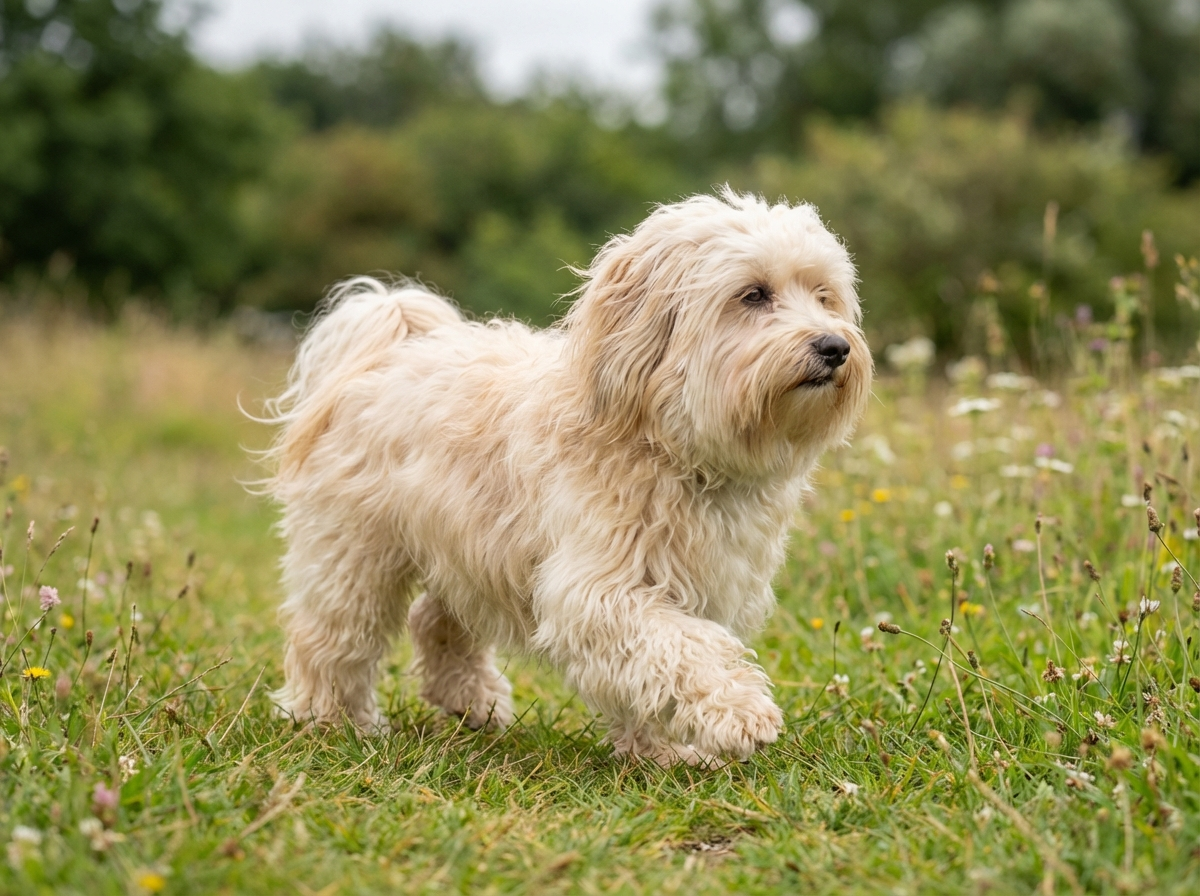
Maggie, a Havanese owned by a busy nurse in Chicago, suddenly bloated one night. After an emergency vet visit costing $3,000, she learned that Maggie was prone to GDV due to her fast eating habits. The vet advised implementing a slow feeder and smaller, more frequent meals. After a few months of careful management, Maggie's bloating issues resolved, leading to a happier and healthier pup.
Key takeaway: By recognizing the signs of Havanese bloat and adjusting Maggie's feeding routine, her owner effectively prevented future episodes. Early intervention and consistent care made all the difference.
Havanese bloat can occur due to a variety of reasons, including rapid eating, stress, or excessive exercise after meals. The condition happens when the stomach fills with gas and twists, which can be life-threatening. Monitoring your dog's eating habits and managing their stress levels can help prevent this issue.
To reduce the risk of bloat, feed your Havanese smaller, more frequent meals instead of one large meal. Avoid vigorous exercise immediately after eating, and consider using a slow feeder bowl to help them eat more slowly. Regular check-ups and being aware of the signs of bloat are also essential.
Signs of bloat include a swollen abdomen, restlessness, drooling, and attempts to vomit without success. If you notice these symptoms, seek veterinary care immediately, as bloat can be fatal if not treated quickly. Early intervention can save your dog's life.
While bloat is not strictly hereditary, some breeds, including Havanese, may have a genetic predisposition to the condition. Responsible breeding practices can help reduce the incidence of bloat, so choose a reputable breeder who screens for health issues.
Treatment for bloat usually requires immediate veterinary attention, often involving surgery to untwist the stomach and prevent recurrence. The cost for treatment can range from $1,500 to $7,500, depending on the severity and location of the treatment. Prompt action is critical for the best outcome.
Common signs of Havanese bloat include a swollen abdomen, restlessness, pacing, and attempts to vomit without success. If you notice your dog exhibiting these symptoms, seek veterinary care immediately.
Yes, older Havanese dogs can be at risk for bloat (gastric dilatation-volvulus/gdv). As dogs age, their digestive systems may become more sensitive, making them more prone to this serious condition.
To help reduce the risk of bloat in Havanese dogs, avoid feeding them large meals and limit vigorous exercise right after eating. Feeding smaller, more frequent meals can also be beneficial.
If your Havanese has a bloated stomach, do not wait. Contact your veterinarian or an emergency clinic immediately, as this condition can escalate quickly and requires prompt treatment.
While the exact cause of bloat is not fully understood, some studies suggest a genetic component may play a role. If you have concerns about your Havanese's risk, discuss them with your vet.
Feed smaller meals, avoid exercise right after eating, and monitor their behavior for signs of distress.
Take your dog to the vet immediately, as bloat can be life-threatening if not treated quickly.
Yes, bloat can affect various breeds, especially deep-chested ones. However, Havanese are also at risk.
Havanese can suffer from conditions like hip dysplasia, cataracts, and allergies. Regular vet check-ups are important.