DogBreedCompass
← Back to breed profile

Great Dane Allergic Reactions: Causes and Solutions

Great Dane allergic reactions can be frustrating and concerning for dog owners. These reactions may lead to discomfort and health issues for your beloved pet.

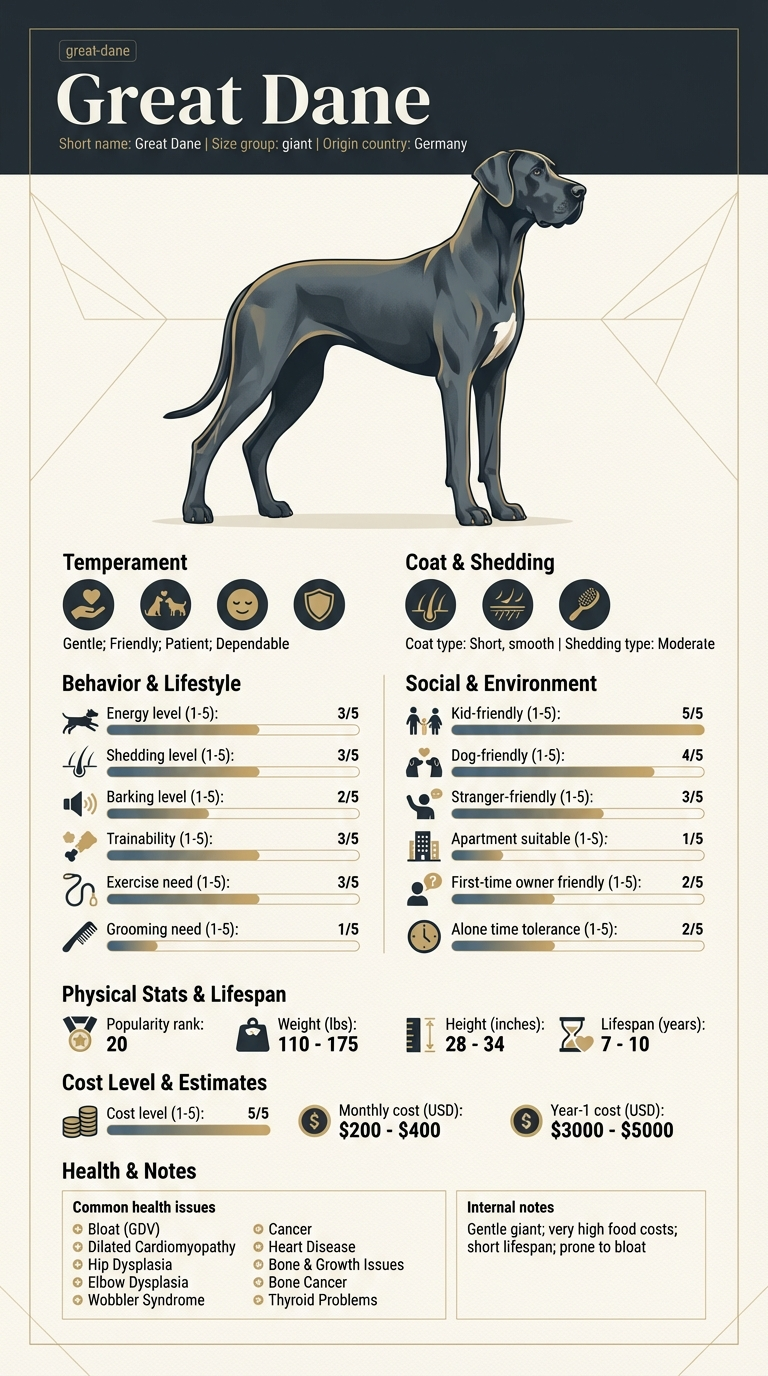
Great Dane Allergic Reactions: Causes and Solutions infographic

Typically, owners of Great Danes experience challenges when their dogs show signs of allergies. This includes families who might not be aware of their dog's specific sensitivities or new pet parents learning about their dog's needs. Owners who notice excessive itching, skin irritations, or gastrointestinal issues often seek guidance on managing these allergic reactions.

Important reminder

This guide is not medical advice. If your dog shows pain, sudden behavior change, or worsening symptoms, consult a licensed veterinarian.

Some links may be affiliate links. We may earn a commission at no extra cost to you. We only suggest products we believe are helpful for dog owners.

What this problem looks like

Great Dane allergic reactions can disrupt daily life for both the dog and its owner. These reactions often manifest as itchy skin, sneezing, and gastrointestinal upset. They can be triggered by a range of allergens, including certain foods, pollen, mold, and even household cleaners.

Common triggers

  • Food ingredients like chicken, beef, or grains
  • Environmental factors such as pollen and dust mites
  • Chemical irritants from cleaning products or fragrances

Allergic reactions are relatively common in Great Danes, with studies suggesting they have a 276% higher risk compared to other breeds. This means that if you have a Great Dane, there's a significant chance you may face this issue at some point.

Why this happens

Breed factors

Great Danes can be more prone to allergic reactions due to their size and specific genetic predispositions. Their larger bodies may also mean they have a higher chance of exposure to allergens, leading to more noticeable symptoms.

Environment factors

Environmental factors, such as pollen, dust mites, or certain foods, can trigger allergic reactions. Changes in their living space, like moving to a new area or introducing new cleaning products, can also contribute to these issues.

What you can try

At-home strategies

  • Monitor your Great Dane's diet closely. Introduce new foods slowly to identify any potential triggers.
  • Keep your home clean and free of dust and pet dander. Regular vacuuming and using air purifiers can help.
  • Limit outdoor exposure during high pollen seasons. Use dog-safe wipes to clean their paws and fur after walks.
  • Bathe your Great Dane regularly with gentle, hypoallergenic dog shampoo to reduce allergens on their skin.

When to consider a trainer

If your Great Dane's allergic reactions lead to behavioral changes, like increased anxiety or aggression, it may be time to consult a trainer. A professional can help address any issues resulting from discomfort.

When to talk to your vet

If your Great Dane shows severe symptoms, such as persistent itching, swelling, or breathing difficulties, contact your vet immediately. They can provide guidance on treatments or allergy testing.

Realistic expectations

Expect to see improvements within 4 to 6 weeks of implementing a new routine and treatment plan.

Success means your Great Dane has fewer allergic reactions, improved skin condition, and overall better comfort in their daily life.

Mistakes that make this worse

Avoiding these common mistakes can help your Great Dane manage allergic reactions more effectively.

  • Ignoring symptoms
  • Feeding low-quality food
  • Neglecting environmental factors
  • Using harsh cleaning products
  • Skipping vet visits

When Great Dane Allergic Reactions are an Emergency

Emergency signs include severe swelling, difficulty breathing, or collapse. If your Great Dane shows these symptoms, call your vet immediately. These could indicate anaphylaxis, a life-threatening reaction that needs urgent care.

Mild cases can be observed at home. If your dog experiences sneezing, itching, or mild gastrointestinal upset, these may not require immediate action. Make sure to note any changes and consult your vet if symptoms persist or worsen.

In summary, always err on the side of caution. If you're unsure whether your Great Dane's allergic reaction is severe, it's better to seek professional advice.

Great Dane Allergic Reactions: Causes and Solutions - When Great Dane Allergic Reactions are an Emergency

Sam's Journey with Bella's Allergies

Sam, a first-time Great Dane owner, noticed that his dog Bella was scratching and licking excessively. After a visit to the vet, he learned that Bella had allergies likely caused by food and environmental factors. Sam worked on identifying Bella's triggers, switching her to a hypoallergenic diet, and keeping her environment clean. Within a month, Bella's itching decreased significantly, and her coat looked healthier. Sam felt relieved and more confident as a dog owner.

Key takeaway: Consistent monitoring and a tailored approach can greatly reduce allergic reactions in Great Danes, leading to a happier, healthier pet.

Frequently asked questions

Why does my Great Dane have allergic reactions?

Great Danes can have allergic reactions due to environmental factors, food sensitivities, or flea bites. Common allergens include pollen, dust mites, certain proteins in dog food, and chemicals in cleaning products. Identifying the source may require observation or veterinary allergy testing.

How can I stop Great Dane allergic reactions?

To help stop allergic reactions, start by minimizing exposure to known allergens. Regular baths with hypoallergenic dog shampoo can reduce allergens on their skin. Consult your vet for potential antihistamines or changes to their diet to manage symptoms.

What are signs of allergic reactions in Great Danes?

Signs of allergic reactions in Great Danes include itching, redness of the skin, ear infections, and gastrointestinal upset. You may also notice excessive licking or chewing at their paws. If you observe these symptoms, take your dog to the vet for an evaluation.

Can training help with Great Dane allergic reactions?

While training won't directly stop allergic reactions, it can help manage your dog's behavior during flare-ups. Teaching commands like 'leave it' can prevent your Great Dane from scratching or biting affected areas. Consistent training can also help build a strong bond, easing their anxiety during discomfort.

Are certain foods better for Great Danes with allergies?

Yes, many Great Danes benefit from a limited ingredient diet that avoids common allergens. Look for foods with novel protein sources like duck or lamb and avoid grains if your dog is sensitive. Always consult your vet before making significant dietary changes.

What are common signs of allergic reactions in Great Danes?

Common signs of allergic reactions in Great Danes include itching, redness, swelling, and gastrointestinal issues. You might also notice excessive licking or scratching, which can lead to secondary infections. Keep an eye out for any unusual behavior or changes in appetite.

When should I take my Great Dane to the vet for allergic reactions?

If your Great Dane shows severe symptoms such as difficulty breathing, swelling of the face, or persistent vomiting, you should seek veterinary care immediately. Also, if mild symptoms do not improve with home treatment, it's wise to consult your vet. Regular check-ups can help manage ongoing allergies.

Can Great Danes develop allergies as they age?

Yes, Great Danes can develop allergies at any age. Some may experience allergies that weren't present in their earlier years due to changes in their environment or immune system. Regular monitoring and adjusting their diet or environment may be necessary as they age.

How can I help my Great Dane with allergic reactions at home?

You can help your Great Dane by identifying and avoiding allergens, such as certain foods or environmental triggers. Bathing your dog with hypoallergenic shampoo can alleviate itching. Additionally, keeping a clean home can reduce dust and pollen exposure.

Are certain foods more likely to cause allergic reactions in Great Danes?

Yes, some common food allergens for Great Danes include beef, chicken, dairy, and grains. If you suspect food allergies, consider an elimination diet under your vet's guidance to identify triggers. Always consult your vet before making significant changes to your dog's diet.
Quick answers

View more answers
Behavior

What are quick tips for Great Dane allergic reactions?

Regularly vacuum your home to reduce allergens and consider using air purifiers. Bathing your Great Dane with a mild shampoo can also help alleviate symptoms. Always monitor their diet for any potential allergens.

Living

How often should I bathe my Great Dane with allergies?

Bathing your Great Dane every 4-6 weeks is generally effective to manage allergens on their skin. Use a gentle, hypoallergenic shampoo to avoid further irritation.

Health

What should I do if my Great Dane has a severe reaction?

If your Great Dane shows signs of severe allergic reactions, such as swelling or difficulty breathing, seek immediate veterinary care. These reactions can escalate quickly and need prompt attention.

Training

Is there a specific training method for Great Dane allergic reactions?

While there's no specific training method for allergies, behavior modification can help your Great Dane cope with discomfort. Positive reinforcement can encourage them to avoid scratching or biting irritated areas.

Related DogBreedCompass guides

  • Great Dane behavior problemsLearn more about common health issues that Great Danes face, including allergies.
  • Great Dane allergic reactions trainingDiscover effective training methods to help manage your Great Dane's allergic reactions.
  • Great Dane separation anxiety guideFind out how to help your Great Dane cope with separation anxiety.
  • Great Dane cost breakdownGet an overview of the costs associated with owning a Great Dane, including health care.
  • Great Dane health issuesExplore other common health problems that may affect your Great Dane.

Related guides