Best Dog That Doesnt Smell: Guide to Low-Odor Breeds
No dog is completely odor-free, but the right coat-care routine can make normal dog scent much less noticeable at home.
This guide is for prospective owners looking for a dog with a less noticeable natural scent and who are prepared to consider grooming, exercise, training, and an individual dog's needs alongside that preference.
Choosing only for a low-odor reputation can create a mismatch. Some dogs that seem cleaner around the house need substantial brushing or professional grooming, while an active dog may need more outdoor time and training than a household expects. A sustainable routine is more useful than relying on a breed label alone.
Three Low-Odor Dog Breeds to Consider
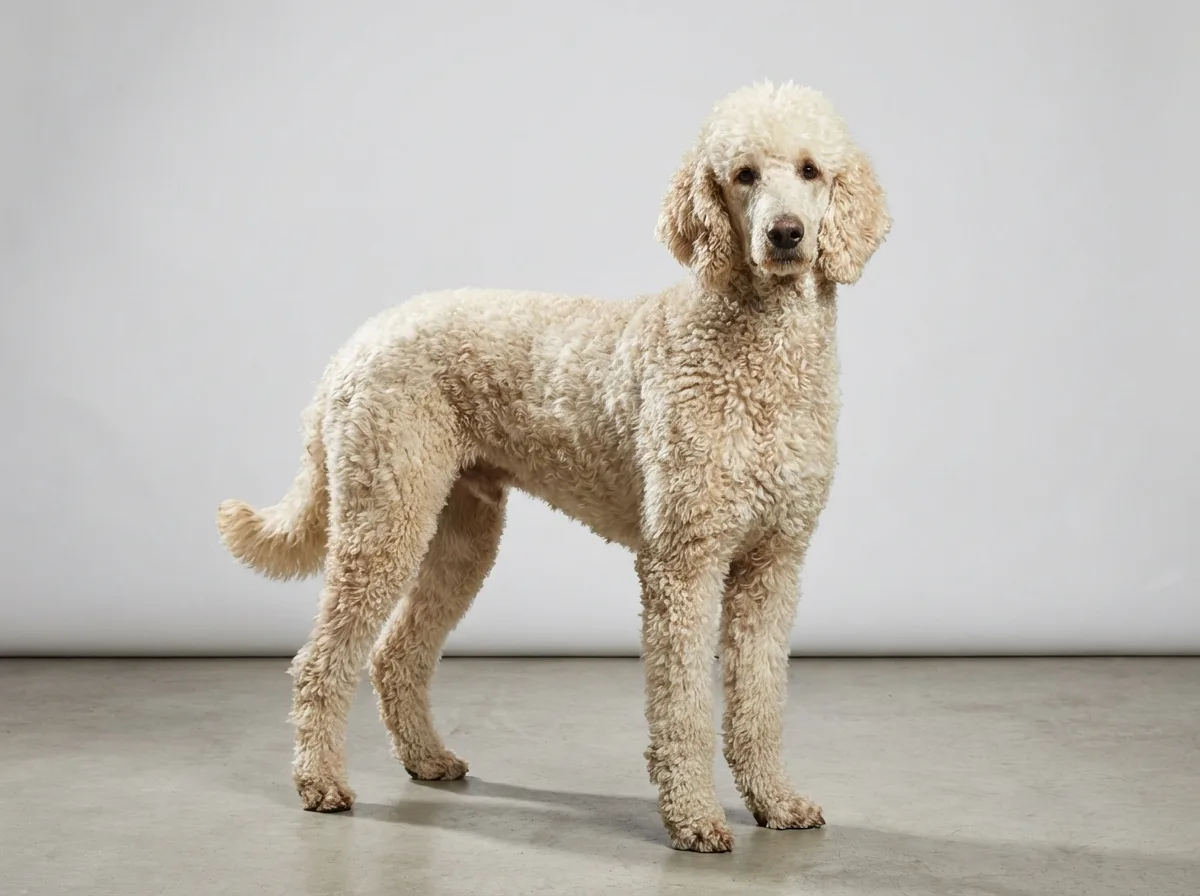
- Poodle: A Poodle's curly coat can appeal to owners who prefer less loose hair around the home, but it needs regular brushing and trimming. Choose one only if you can keep up with the coat-care commitment.
- Bichon Frise: This small companion breed has a soft, continuously growing coat that needs regular brushing and routine trimming. A Bichon Frise may suit someone who enjoys or can budget for consistent grooming.
- Basenji: Basenjis are often described as tidy, cat-like groomers. They are also active, independent dogs, so exercise, secure management, and training should be part of the decision rather than scent alone.
- An individual adult dog: A well-cared-for mixed-breed dog can also be a good fit. Ask about its home routine, grooming tolerance, and how it does after wet weather instead of assuming a label predicts its scent.
Why this helps
- ✓ Offers different sizes, coat types, and activity styles to compare.
- ✓ Keeps grooming and daily care in the choice, not just breed reputation.
- ✓ Encourages prospective owners to meet individual dogs.
Watch out for
- ! Breed tendencies cannot predict every dog's scent or grooming tolerance.
- ! A lower-shedding or tidy coat may still need frequent care.
- ! Each option has exercise, training, and household-fit considerations beyond odor.
Lower Odor Does Not Mean No Grooming
Choose for Lifestyle, Not Just Scent
- Decide how much time you can reliably give to brushing, drying, bathing, and laundry.
- Budget for routine grooming and supplies if the coat requires professional care.
- Match the dog's expected activity and training needs to your normal week, including busy days.
- Meet adult dogs when possible, because personality, coat condition, and grooming tolerance are individual.
- Ask a rescue or responsible breeder about the dog's current grooming routine and how it behaves in a home.
- If you live with allergies, remember that low odor and allergy compatibility are not the same; spend time with the individual dog and seek qualified health advice as needed.
Why this helps
- ✓ Focuses the decision on the full care commitment.
- ✓ Helps set a realistic grooming routine before bringing a dog home.
- ✓ Makes individual fit more important than a single trait.
Watch out for
- ! Regular grooming can take time or add professional costs.
- ! An appealing coat type may not fit every lifestyle.
- ! Care needs can change with age, season, and activity.
A Fresh-Home Routine for Any Dog
- Brush on a schedule suited to the dog's coat and activity level.
- Dry the dog thoroughly after rain, swimming, or a bath.
- Wash bedding, soft toys, collars, harnesses, and towels regularly, then let them dry fully.
- Keep a drying towel near the door for wet walks.
- Build calm, reward-based handling into grooming so the dog can become comfortable with care.
- Notice meaningful changes in scent, skin, coat, appetite, behavior, or comfort and seek veterinary advice when something seems unusual.
Why this helps
- ✓ Helps prevent damp fabrics and household items from holding odors.
- ✓ Makes regular grooming easier to maintain.
- ✓ Encourages owners to notice changes in their dog.
Watch out for
- ! Requires consistency from everyone in the household.
- ! Some dogs need gradual training to accept grooming.
- ! A professional groomer may still be useful for certain coats.
What to Notice When You Meet a Potential Dog
- Ask what brushing, bathing, and drying routine the dog has now, and whether it is comfortable with those steps.
- Notice the dog's energy and engagement, then ask how much exercise and enrichment it receives on an ordinary day.
- Ask how the dog behaves after rain, swimming, or muddy walks and what helps it dry comfortably.
- Look at the whole care picture, including the condition of the coat, the cleanliness of bedding, and the dog's response to gentle handling.
- For an adult dog, ask the current caretaker what they have observed at home rather than relying only on a short first meeting.
- Be open to a mixed-breed dog whose known routine and personality fit your household better than a particular breed label.
Why this helps
- ✓ Turns a vague preference into practical questions about daily care.
- ✓ Helps prospective owners assess individual fit.
- ✓ Encourages a thoughtful conversation with the dog's current caretaker.
Watch out for
- ! A single visit cannot reveal every future care need.
- ! The dog's routine may change after a move or a seasonal change.
- ! A good fit still requires a consistent home-care plan.
Common Mistakes When Choosing a Low-Odor Dog
- Assuming a lower-shedding coat will never smell; shedding and odor are different concerns.
- Skipping brushing because a dog does not leave much hair around the house.
- Bathing too often instead of using a routine suited to the individual dog's coat and skin.
- Forgetting that beds, collars, toys, and drying towels can retain odors.
- Treating an abrupt odor change as a grooming issue only rather than asking a veterinarian when it is persistent or concerning.
- Choosing a breed without considering its exercise, training, and companionship needs.
Myths and Facts About Dog Odor
- Myth: A low-odor breed never needs grooming.
- Myth: Less shedding automatically means fewer allergy concerns.
- Myth: A stronger new smell can always be fixed with another bath.
- Myth: Small dogs always smell less than larger dogs.
- Myth: Breed reputation predicts every individual dog's scent.
A Practical Next Step Before You Choose
Frequently asked questions
Which dog breeds smell the least?
No breed is completely odor-free, but Poodles, Bichon Frises, and Basenjis are commonly considered by owners seeking low-odor dog breeds. Individual care, coat condition, drying after getting wet, and a clean home routine make a major difference.
What is the best dog that doesn't smell much?
A Poodle can suit an owner prepared for regular coat care, while a Bichon Frise may appeal to someone seeking a small companion breed with ongoing grooming needs. A Basenji may suit an active owner who values tidy grooming habits. The best choice depends on your lifestyle, not scent alone. When researching best dog that doesnt smell, always prioritize individual veterinary assessment over general breed assumptions.
Are low-odor dog breeds hypoallergenic?
Not necessarily. Dog odor and allergy triggers are different. No dog is guaranteed to suit every allergy-sensitive person, so spend time with the individual dog and seek qualified health advice when appropriate.
Why does my dog smell stronger after getting wet?
Wet fur and damp fabrics can make a normal dog scent more noticeable. Drying your dog thoroughly and washing bedding, collars, and towels regularly can help. If an odor is sudden, strong, or persistent, ask a veterinarian for advice.
Do Poodles need grooming even if they seem low odor?
Yes. Poodles need regular brushing and coat trimming to keep their curly coats manageable. Their grooming needs are an important part of deciding whether the breed fits your routine.
Can bathing make a dog smell better?
Appropriate bathing can be part of routine care, but more frequent bathing is not always better. Use products intended for dogs and ask a veterinarian or groomer for guidance that suits your dog's coat and skin.
How can I keep my house from smelling like dog?
Use a regular routine for brushing, drying after wet outings, washing bedding and gear, and cleaning towels. A dog's normal scent can vary, so seek veterinary advice if you notice an unusual or persistent change.
Quick answers
View more answersWhat are the cleanest dog breeds?
Poodles, Bichon Frises, and Basenjis are often considered by owners seeking a lower-odor dog, but every dog needs regular grooming and a clean home routine.
Which dog breeds smell the least?
Some owners find Poodles, Bichon Frises, and Basenjis less doggy-smelling than other breeds. Individual variation and care make a substantial difference.
Do low-odor dogs need grooming?
Yes. Lower odor does not mean no maintenance; brushing, thorough drying, clean bedding, and appropriate coat care all help.
Is a low-odor dog good for allergies?
Not automatically. A dog can be low odor and still trigger allergies, so assess your response to the individual dog.
What helps keep a dog smelling fresh?
Regular brushing, thorough drying after wet outings, clean bedding, and a grooming routine suited to the dog help manage normal dog odor.
Related DogBreedCompass guides
- Poodle breed guide – Compare the coat-care commitment and lifestyle fit of a popular low-odor option.
- Bichon Frise breed guide – Learn more about this small companion breed's grooming and daily-care needs.
- apartment dogs that do not shed – Compare lower-shedding options for an apartment-friendly home.
- dog grooming tools, clippers, and shampoo – Explore the tools and products used in a practical dog-grooming routine.
- dogs with low grooming needs – Compare breeds for owners who want a simpler grooming commitment.
- dogs with minimal grooming needs – Review another guide on dogs that may fit a minimal-grooming routine.
Important reminder
This guide is not medical advice. If your dog has pain, a sudden behavior change, a persistent unusual odor, or worsening symptoms, consult a licensed veterinarian.
Some links may be affiliate links. We may earn a commission at no extra cost to you. We only suggest products we believe are helpful for dog owners.
Want more tailored help?
Take the Lifestyle Match quiz to see which breeds and guides best fit your day-to-day life.
Take the quizMore guides you might like

Rottweiler vs Shih Tzu: Which Dog is Right for You?

Best Dog for Hot Climates: A Breed Comparison Guide

Pug vs Shih Tzu: Which Small Dog is Right for You?

Best Dog for Toddlers Under 3: A Family Breed Guide

Vizsla vs Weimaraner: Which Dog is Right for You?

Best Dogs for Health-Conscious Owners: Long-Lived, Low-Vet-Cost Breeds
Find your match
Not sure which breed is right for you? Take our 2-minute quiz to find out.
Take the quiz