Behavior
What are quick tips to prevent German Wirehaired Pointer gastric dilatation-volvulus (gdv/bloat)?
Feed smaller meals more frequently and avoid exercise immediately after eating to help prevent GDV.
Gastric dilatation-volvulus (GDV), commonly known as bloat, is a serious health risk for German Wirehaired Pointers. (German Wirehaired Pointer gastric dilatation-volvulus (gdv/bloat))
Owners of German Wirehaired Pointers, especially those who are first-time dog parents or lead active lifestyles, may find themselves worried about this condition. Busy families or individuals who may overlook subtle symptoms are particularly vulnerable.
This guide is not medical advice. If your dog shows pain, sudden behavior change, or worsening symptoms, consult a licensed veterinarian.
Some links may be affiliate links. We may earn a commission at no extra cost to you. We only suggest products we believe are helpful for dog owners.
German Wirehaired Pointer gastric dilatation-volvulus (GDV/bloat) is a serious and potentially life-threatening condition. It occurs when the stomach distends with gas and twists, cutting off blood flow. This problem can arise suddenly, often after eating or drinking too quickly, or after vigorous exercise.
GDV is not uncommon in large breeds, including the German Wirehaired Pointer. While exact statistics can vary, studies show that about 20-30% of large breed dogs may experience bloat in their lifetime.
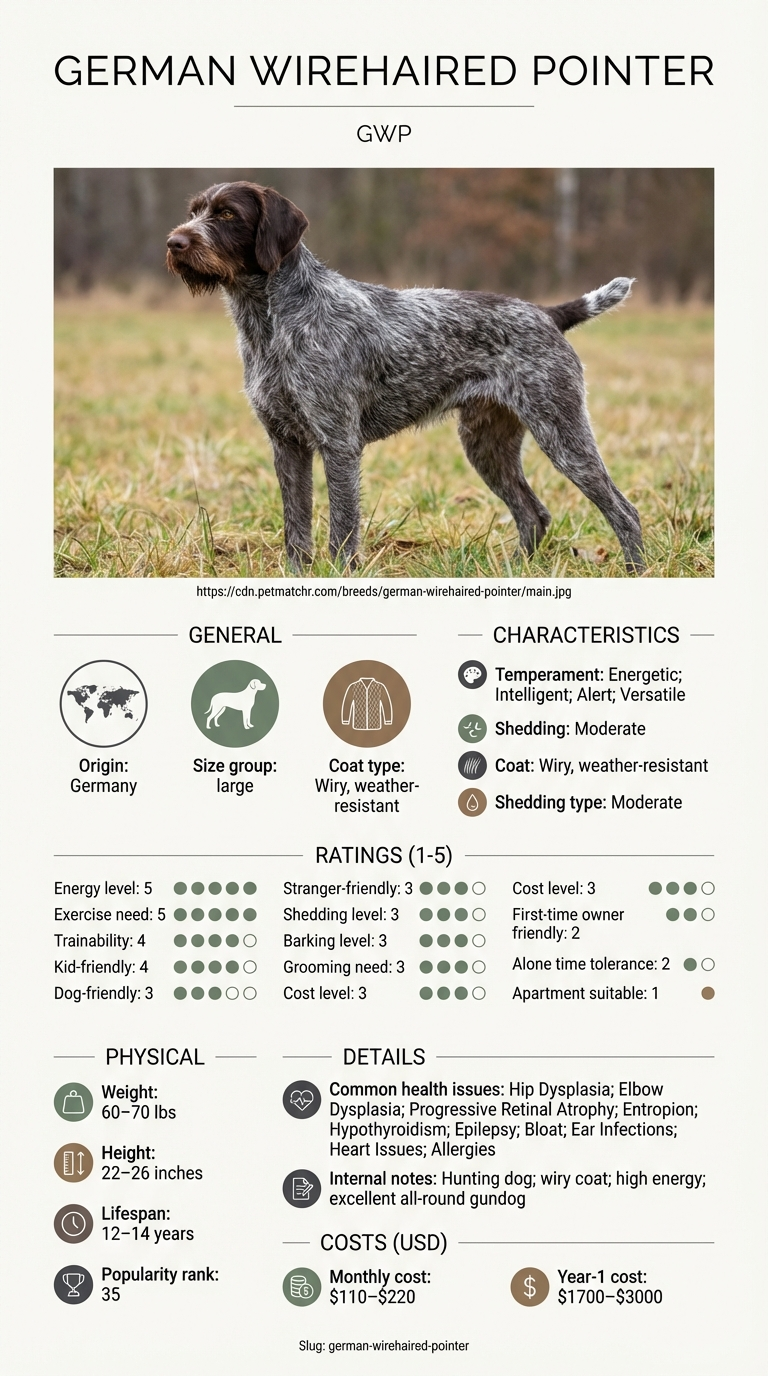
The German Wirehaired Pointer (GWP) is a large breed with a deep chest, making them more susceptible to gastric dilatation-volvulus (GDV) or bloat. Their energetic nature can lead to rapid eating or drinking, increasing the risk of this condition. Additionally, genetics can play a role, as bloat tends to occur more frequently in certain breeds, including the GWP.
Environmental factors also contribute to GDV. Stressful situations, such as loud noises or other animals, can cause anxiety that leads to rapid eating. Feeding practices, like giving large meals or allowing exercise immediately after eating, can also heighten the risk of bloat in your GWP.
If your German Wirehaired Pointer shows signs of anxiety during feeding times or struggles with food aggression, consider consulting a trainer. A professional can help modify their behavior and create a calmer feeding environment.
If you notice your GWP exhibiting symptoms of bloat, such as a swollen abdomen, excessive drooling, or restlessness, contact your vet immediately. Bloat can be life-threatening, and prompt action is crucial.
Managing gastric dilatation-volvulus (GDV/bloat) can take a few weeks to months. Early detection and treatment are crucial.
Success means recognizing symptoms quickly, implementing preventive measures, and maintaining your dog's overall health to minimize risks.
Avoid these common mistakes to help manage your German Wirehaired Pointer's gastric dilatation-volvulus (GDV/bloat) more effectively.
Gastric dilatation-volvulus (GDV), or bloat, is a serious condition that can quickly become life-threatening for your German Wirehaired Pointer. It's crucial to know when to act fast and when to monitor at home. If your dog shows any of the following red-flag signs, you should call your vet immediately:
- Swollen abdomen that feels tight or hard - Unproductive attempts to vomit - Excessive drooling or signs of distress - Rapid breathing or panting - Weakness or lethargy
These symptoms indicate that your dog may be experiencing a twisted stomach, which requires urgent surgical intervention.
On the other hand, if your German Wirehaired Pointer has mild signs such as occasional bloating, mild discomfort, or a decreased appetite without severe symptoms, you can monitor the situation at home. Keep an eye on their behavior and appetite for the next few hours. If the mild symptoms persist or worsen, it’s time to consult your vet.
Always trust your instincts as a dog owner. If something seems off, it’s better to err on the side of caution and seek professional help. Remember, GDV can escalate rapidly, so being proactive is key to your dog's health.
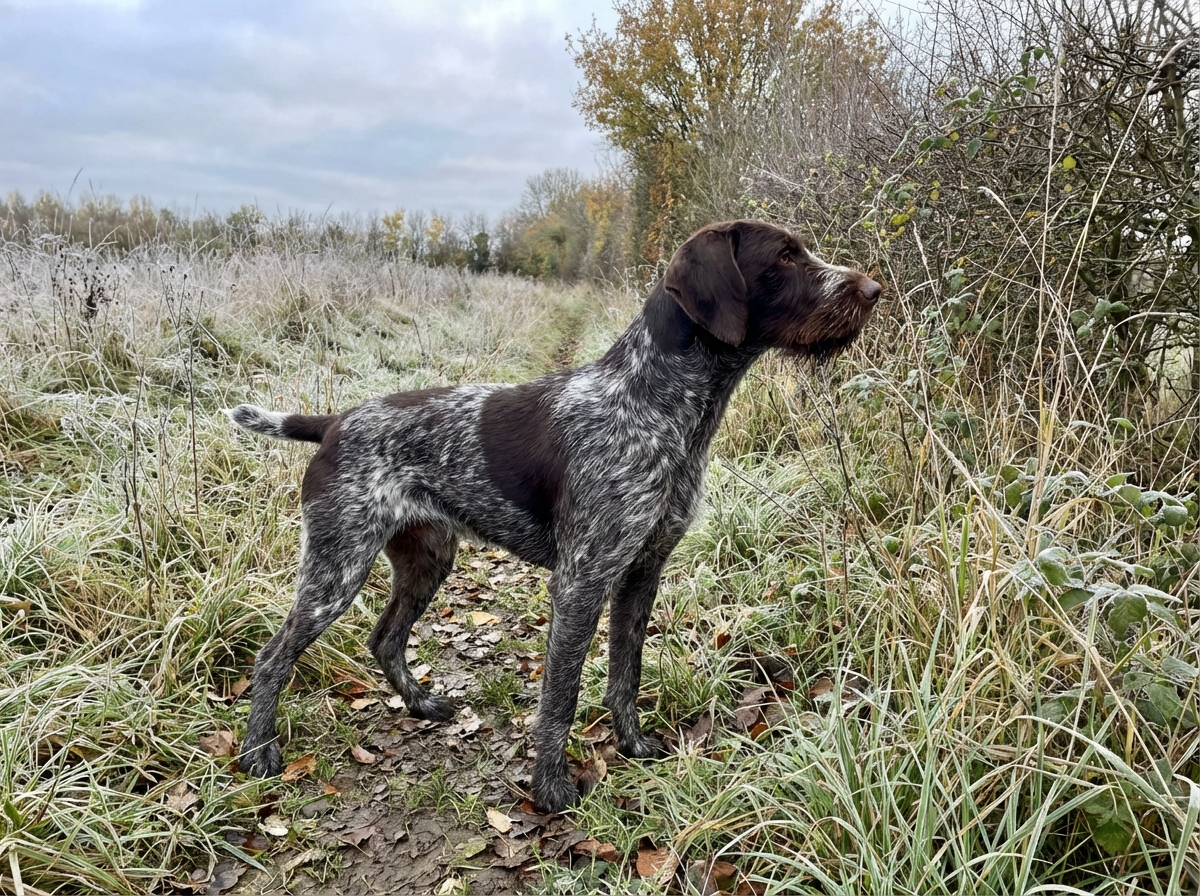
Jessica, a first-time owner of a German Wirehaired Pointer named Max, faced a scare when Max exhibited signs of GDV after a particularly energetic play session. After a late-night trip to the vet, Jessica learned the importance of feeding smaller meals throughout the day and avoiding exercise right after eating. With diligence, she adjusted Max's routine, and after several months, he remained healthy and happy, showing no further signs of bloat.
Key takeaway: Taking preventive steps and being alert to your dog's behavior can make all the difference in managing gastric dilatation-volvulus (GDV/bloat).
GDV, or bloat, occurs when the stomach fills with gas and twists, which can happen due to various factors. Large meals, rapid eating, or exercise after eating can contribute to this condition. It's essential to monitor your dog's eating habits and avoid strenuous activity right after meals. This answer relates to German Wirehaired Pointer gastric dilatation-volvulus (gdv/bloat).
To help prevent GDV, feed smaller, more frequent meals instead of one large meal. Additionally, consider using a slow feeder bowl to reduce the speed of eating. Avoid vigorous exercise right after meals and consult your vet for personalized advice.
Signs of GDV include a distended abdomen, restlessness, excessive drooling, and attempts to vomit without success. If you notice these symptoms, seek veterinary help immediately as this condition can be life-threatening.
If you suspect GDV, take your dog to the nearest veterinary clinic right away. This condition requires urgent treatment, and delays can lead to serious complications or death. Time is critical in these situations.
Yes, GDV can be treated, often requiring surgery to untwist the stomach and prevent future occurrences. The vet will also stabilize your dog with fluids and other supportive care. Early intervention is key to a successful recovery.
Early signs of GDV in your German Wirehaired Pointer include restlessness, a distended abdomen, and attempts to vomit without producing anything. If you notice these symptoms, it's crucial to seek veterinary help immediately, as GDV can escalate quickly.
Yes, diet can play a significant role in the risk of GDV. Feeding smaller, more frequent meals instead of one large meal and using elevated feeding dishes may help reduce the risk. However, always consult your vet for personalized dietary advice.
GDV can affect dogs of any age, but older German Wirehaired Pointers may be at a higher risk. As dogs age, their stomachs may be less elastic, leading to a greater chance of bloat. Regular check-ups with your vet can help monitor your dog's health.
If your German Wirehaired Pointer has experienced GDV, it's essential to work closely with your veterinarian on a prevention plan. This may include specific dietary modifications and monitoring for any signs of distress, as they may be at increased risk for future episodes.
Preventing GDV involves several strategies, including feeding smaller portions, avoiding vigorous exercise right after meals, and ensuring your dog remains calm during feeding times. Additionally, keeping an eye on their overall behavior can alert you to potential issues before they escalate.
Feed smaller meals more frequently and avoid exercise immediately after eating to help prevent GDV.
Look for a swollen abdomen, excessive drooling, and signs of distress like pacing or trying to vomit.
Yes, GDV is a life-threatening condition that requires immediate veterinary attention.
Use a slow feeder bowl or scatter food on a flat surface to slow down your German Wirehaired Pointer's eating pace.