Behavior
What are quick tips for managing French Bulldog brachycephalic obstructive airway syndrome (boas)?
Keep your French Bulldog cool, avoid stressful activities, and use a harness for walks. Regular vet visits are key to managing their health.
French Bulldog brachycephalic obstructive airway syndrome (BOAS) is a serious breathing issue affecting many Frenchies. This condition can lead to snoring, labored breathing, and heat sensitivity.
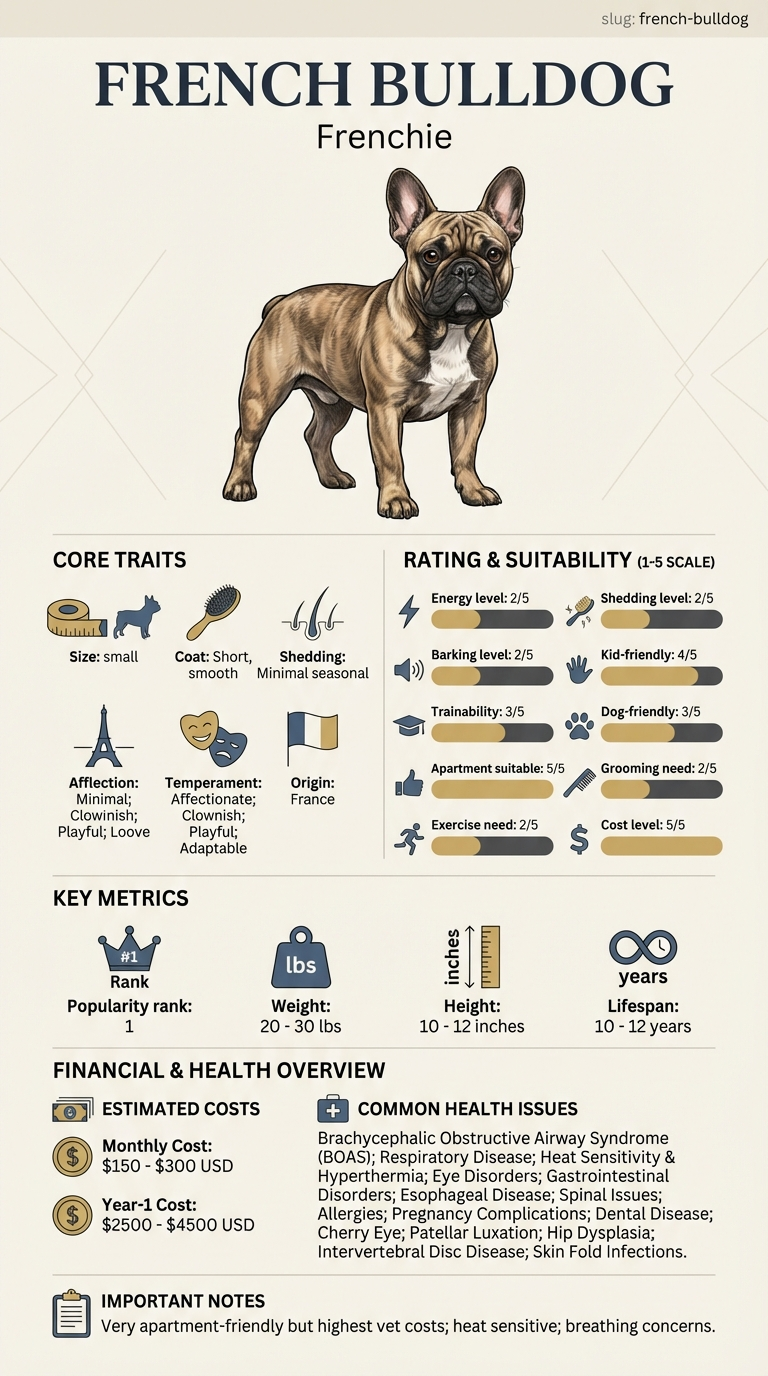
Owners of French Bulldogs, especially first-time dog parents, often struggle with BOAS. This condition can be alarming and stressful, leading to concerns about their dog's well-being, especially during hot weather or exercise.
This guide is not medical advice. If your dog shows pain, sudden behavior change, or worsening symptoms, consult a licensed veterinarian.
Some links may be affiliate links. We may earn a commission at no extra cost to you. We only suggest products we believe are helpful for dog owners.
French Bulldog brachycephalic obstructive airway syndrome (BOAS) is a serious condition affecting many Frenchies. This syndrome makes breathing difficult, leading to symptoms like loud snoring, labored breathing, and heat sensitivity. Owners often notice their French Bulldog struggling during playtime or when the weather is warm, which can be alarming.
Brachycephalic obstructive airway syndrome (BOAS) is very common in French Bulldogs, affecting a significant portion of the breed. Studies suggest that over 60% of Frenchies may exhibit some degree of this condition, making it crucial for owners to be aware and take preventive measures.
French Bulldogs are bred with short noses, which leads to their distinctive flat faces. This brachycephalic structure can cause breathing difficulties, as their airways are narrower than in other breeds. Their genetics make them more prone to obstructive airway issues, especially when they exert themselves or get overheated.
Environmental factors can exacerbate BOAS symptoms. For instance, hot weather can lead to excessive panting and breathing problems. Additionally, obesity can increase the strain on their airways, making it harder for them to breathe comfortably.
If your French Bulldog exhibits persistent breathing issues or if their behavior changes, consider consulting a professional dog trainer. They can help with training strategies to manage anxiety or overexcitement that might worsen breathing difficulties.
If your French Bulldog shows severe signs of distress, such as excessive panting, coughing, or lethargy, it's time to see a vet. Regular check-ups are also crucial to monitor their respiratory health and discuss any necessary interventions.
It may take several weeks to months to see improvements in your French Bulldog's breathing as you implement training and management strategies.
Success means your Frenchie breathes more comfortably, has reduced snoring, and can enjoy moderate exercise without distress.
Certain behaviors can unintentionally worsen your French Bulldog's brachycephalic obstructive airway syndrome (BOAS). Here are some common mistakes and safer alternatives to consider.
French Bulldog brachycephalic obstructive airway syndrome (BOAS) can be serious. Knowing when to act is crucial for your dog's health. Here are signs that indicate you should call your vet immediately versus when you can monitor the situation at home.
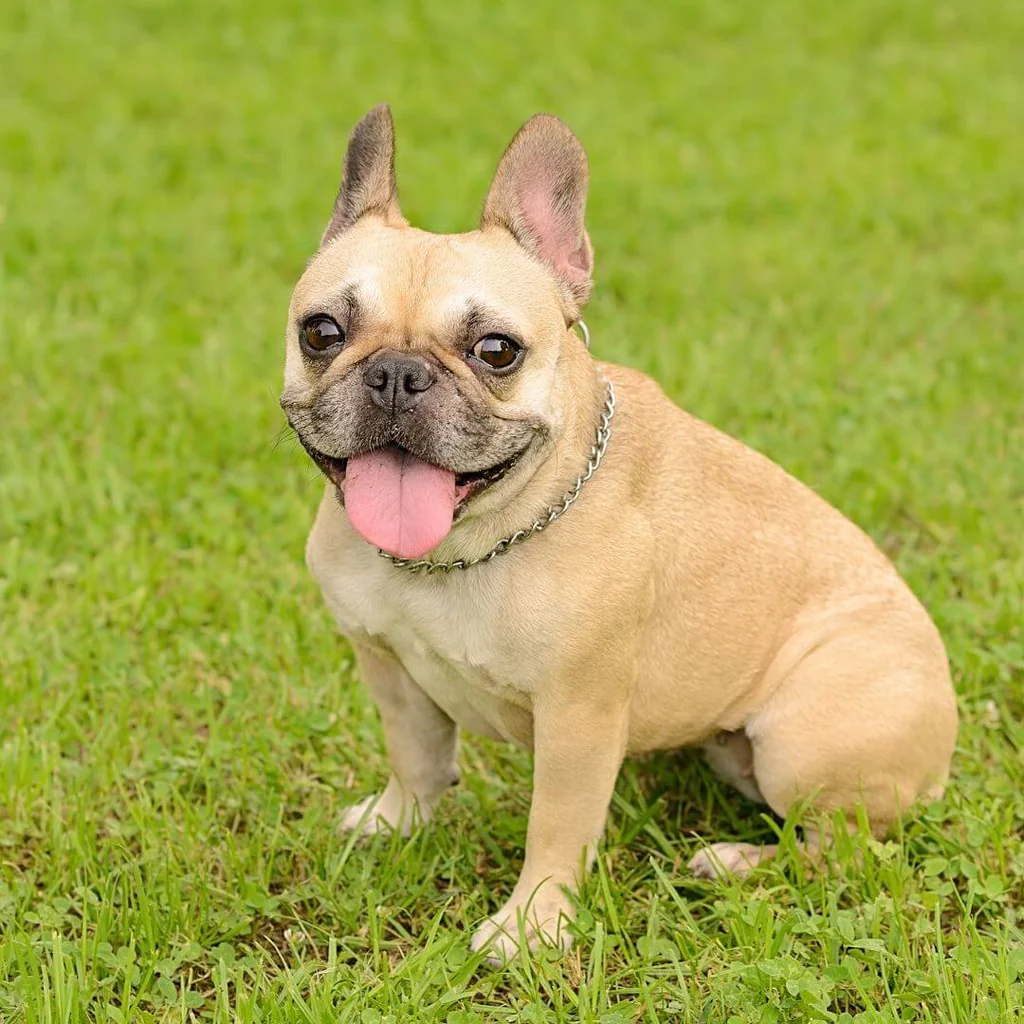
If you notice any of the following symptoms, it’s time to call your vet right away:
In less severe instances, you can take a more measured approach. Keep an eye out for these symptoms, but they might not require immediate vet attention:
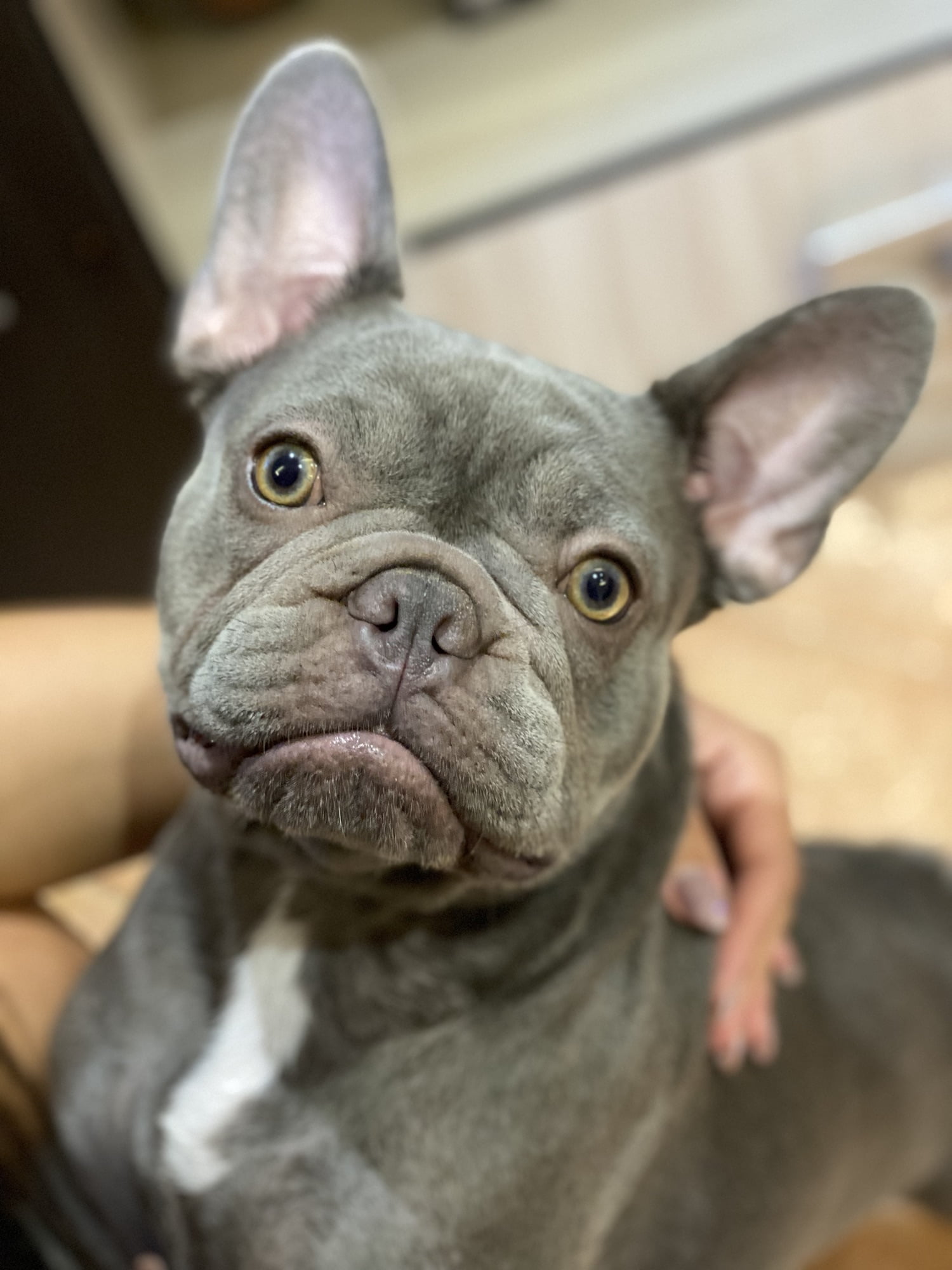
For mild symptoms, create a plan to monitor your Frenchie. Keep track of their behavior, and note any changes. If symptoms worsen, contact your vet promptly.
Emily, a young nurse living in a small apartment, noticed that her French Bulldog, Max, struggled to breathe, especially during hot days. Concerned about his brachycephalic obstructive airway syndrome (BOAS), she spoke with her vet about strategies to help him. Together, they developed a plan that included maintaining a cool environment, avoiding strenuous activities, and incorporating gentle training exercises to strengthen Max's lungs. Over a few months, she saw a significant improvement in his breathing, allowing him to enjoy daily walks without gasping for air.
Key takeaway: With proper care and management, you can greatly improve your French Bulldog's quality of life and breathing comfort.
French Bulldogs often have brachycephalic obstructive airway syndrome (boas) due to their unique facial structure. This condition causes their airways to be narrower, leading to breathing difficulties. It's essential to monitor their breathing and consult a vet for management options.
To help your French Bulldog with boas, keep them cool and avoid strenuous exercise, especially in hot weather. Consider using a harness instead of a collar to prevent airway pressure during walks. Regular vet check-ups are crucial for monitoring their condition.
Signs of boas include snoring, labored breathing, and excessive panting. You may also notice your Frenchie tiring easily during walks or having difficulty eating. If you observe these symptoms, consult your vet for an evaluation.
Yes, surgery can be an option for severe cases of boas. Procedures may involve widening the airways to improve breathing. Talk to your vet about whether surgery is suitable for your French Bulldog's specific situation.
While training won't directly fix the structural issues of boas, it can help your French Bulldog learn calm behaviors. Teaching relaxation techniques can reduce anxiety and improve their overall well-being. Always consult a trainer experienced with brachycephalic breeds.
Common symptoms of French Bulldog brachycephalic obstructive airway syndrome (BOAS) include noisy breathing, snoring, coughing, and difficulty exercising. You may also notice your Frenchie is more sensitive to heat and tends to tire easily during walks.
To help your French Bulldog with BOAS, ensure they have a cool, well-ventilated environment. Regular vet check-ups are crucial, and consider weight management and gentle exercise to avoid overexertion.
Yes, BOAS is common in other brachycephalic breeds such as Bulldogs, Pugs, and Shih Tzus. These breeds share similar anatomical features that contribute to breathing difficulties.
You should take your French Bulldog to the vet if you notice severe breathing difficulties, excessive panting, or if they collapse during exercise. Prompt veterinary care can help prevent serious complications.
Treatment options for French Bulldog brachycephalic obstructive airway syndrome (BOAS) may include lifestyle changes, medications, or surgery in severe cases. Consult your vet to determine the best approach for your dog's specific needs.
Keep your French Bulldog cool, avoid stressful activities, and use a harness for walks. Regular vet visits are key to managing their health.
If your Frenchie is panting heavily, take them to a cooler area and monitor their breathing. If it doesn't improve, contact your vet immediately.
Treatment costs for boas can vary widely, from regular vet visits to potential surgical procedures. Expect to spend anywhere from $150 to several thousand dollars depending on severity.


