Behavior
What are quick tips for managing English Cocker Spaniel luxating patellas?
Keep your dog at a healthy weight and provide regular vet check-ups. Gentle exercises can help strengthen muscles around the knee joint.
English Cocker Spaniel luxating patellas can cause discomfort and mobility issues for your dog.

Owners of English Cocker Spaniels often face this issue, especially those who may not be aware of the breed's predisposition to luxating patellas. Busy families and first-time dog owners might find it challenging to recognize the signs and manage the condition effectively.
This guide is not medical advice. If your dog shows pain, sudden behavior change, or worsening symptoms, consult a licensed veterinarian.
Some links may be affiliate links. We may earn a commission at no extra cost to you. We only suggest products we believe are helpful for dog owners.
English Cocker Spaniel luxating patellas can be a frustrating issue for owners. This condition involves the dislocation of the knee cap, which can cause pain and mobility problems. Daily life may include limping, reluctance to walk, or even difficulty climbing stairs, leaving both you and your dog feeling helpless.
Luxating patellas are relatively common in English Cocker Spaniels, affecting many dogs in the breed. While some may experience mild symptoms, others could face significant mobility challenges requiring veterinary intervention.
English Cocker Spaniels can be prone to luxating patellas due to their medium size and specific genetic predispositions. This condition often arises from the angle and depth of the knee joint, which can be affected by their overall conformation. The breed's playful and active nature may also put extra stress on their joints, increasing the risk of dislocation.
Environmental factors can contribute to luxating patellas as well. If your dog is overweight, this added weight can stress their joints, leading to dislocations. Additionally, a lack of proper exercise and physical conditioning can weaken the muscles around the knees, making luxating patellas more likely.
If your English Cocker Spaniel is showing signs of discomfort or limping, it might be helpful to consult a professional dog trainer. They can guide you in teaching your dog how to navigate their environment safely and avoid movements that may exacerbate their condition.
If your dog frequently experiences luxating patellas or shows significant pain, consult a veterinarian. They can provide a thorough examination and may recommend treatments like physical therapy or surgery if necessary.
With consistent training and care, you may see improvements in your English Cocker Spaniel's luxating patellas within 4 to 6 weeks. For some dogs, more time may be needed based on severity and response to treatment.
Success means your dog experiences less pain and discomfort, can engage in normal activities, and shows improved mobility. You should also notice a reduction in incidents of knee dislocation.
Avoiding common mistakes can help your English Cocker Spaniel with luxating patellas feel more comfortable and improve their condition. Here are some behaviors to watch out for.
Recognizing when luxating patellas is an emergency is crucial for your English Cocker Spaniel's health. If your dog suddenly becomes unable to bear weight on a leg, or shows signs of severe pain, these are red flags. Other warning signs include swelling around the knee, an audible pop during movement, or persistent limping that doesn't improve with rest.
If you notice any of these symptoms, it's time to call your vet right away.
On the other hand, if your English Cocker Spaniel occasionally shifts their weight or seems to favor a leg only sometimes, it may not be an immediate concern. Mild cases can often be monitored. Keep an eye on your dog's activity level and how they respond to gentle exercise.
If they seem comfortable and the symptoms are mild, you can watch and wait, but always have a plan in place for veterinary consultation if things don’t improve.
In summary, any sudden inability to use a leg or severe pain should prompt an immediate vet visit. If the symptoms are mild and your dog is still active and playful, you can monitor them closely. However, regular check-ins with your vet are wise to ensure their health remains a priority.
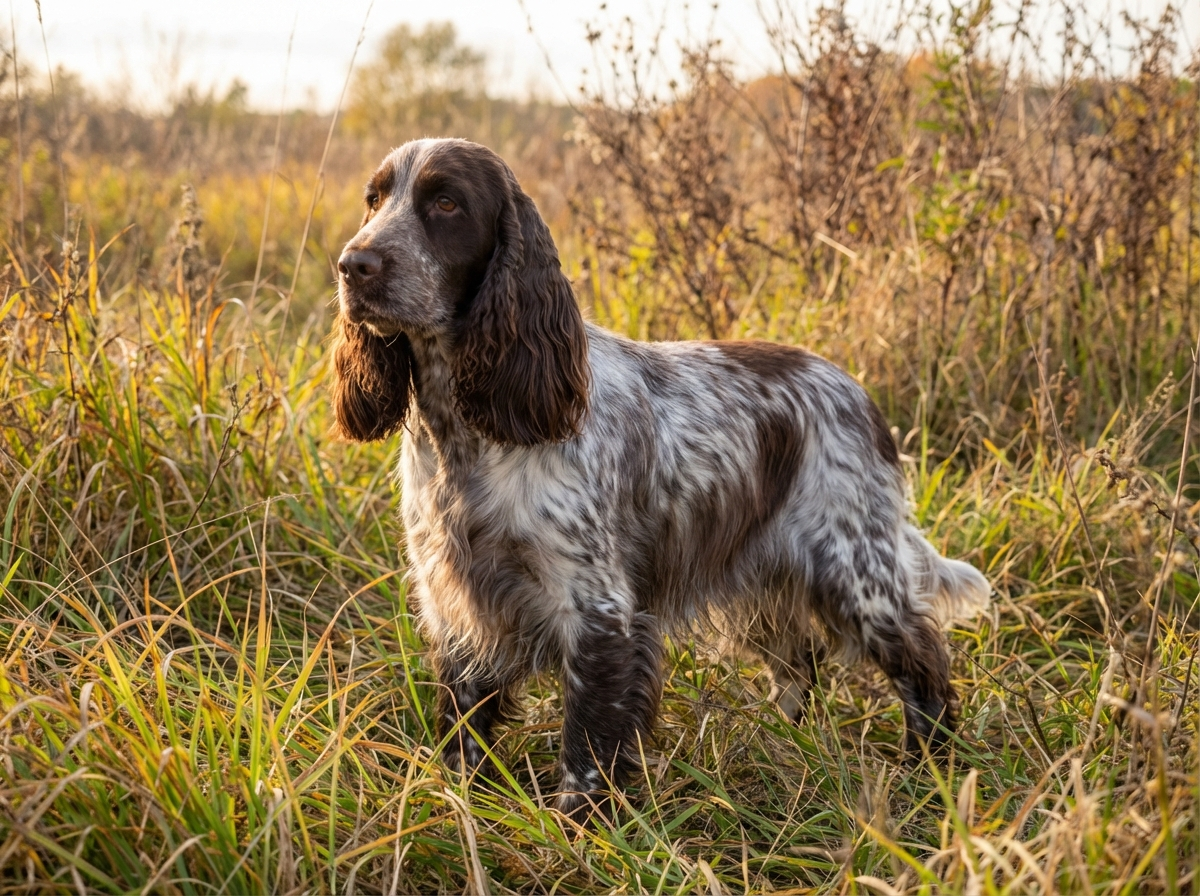
Jenna, a busy nurse in Seattle, noticed her English Cocker Spaniel, Max, limping after playtime. After a vet confirmed he had luxating patellas, she felt overwhelmed. She started a training program focused on strengthening his leg muscles and reducing his weight. Jenna committed to daily exercises and adjusted Max's diet. Within a few weeks, she saw him running around with more confidence and less hesitation. The vet recommended regular check-ups, which helped monitor Max's progress. Jenna learned the importance of consistency in treatment and training.
Key takeaway: With dedication and the right approach, you can significantly improve your English Cocker Spaniel's quality of life when dealing with luxating patellas.
Luxating patellas in English Cocker Spaniels can occur due to genetics, injury, or improper bone structure. This condition often leads to knee cap dislocation, causing pain and mobility issues. Regular vet check-ups can help identify this problem early. This answer relates to English Cocker Spaniel luxating patellas.
While you can't completely prevent luxating patellas, you can minimize symptoms by ensuring a healthy weight and providing low-impact exercises. Regular vet visits are crucial for monitoring and managing the condition effectively.
Common signs include limping, difficulty in walking, or sudden shifts in weight. You might also notice your dog frequently adjusting their leg or showing signs of discomfort. If you see these symptoms, consult your vet for further evaluation.
Surgery may be recommended in severe cases where the patella dislocates frequently and causes significant pain. Your vet can help determine if surgical intervention is the best option for your dog's specific situation.
Training can aid in managing luxating patellas by reinforcing gentle, controlled movements. Focus on obedience training and low-impact activities to strengthen the muscles around the knee, which can provide better support.
Luxating patellas in English Cocker Spaniels can be caused by genetic factors, improper bone structure, or injuries. Some dogs may be predisposed to this condition due to their breed's physical characteristics.
If your English Cocker Spaniel is limping, has difficulty walking, or seems to favor one leg, they may have luxating patellas. Observing unusual movements or signs of pain can help you identify this issue early.
Yes, older English Cocker Spaniels can be more prone to luxating patellas as wear and tear on their joints increases with age. Regular vet check-ups are important to monitor their joint health and catch any problems early.
Treatment options for luxating patellas can range from physical therapy and weight management to surgical intervention in severe cases. Consulting with your veterinarian will help determine the best approach for your dog.
You should consult a vet if your English Cocker Spaniel shows persistent limping, pain, or difficulty in mobility. Early intervention can help manage the condition and improve your dog's quality of life.
Keep your dog at a healthy weight and provide regular vet check-ups. Gentle exercises can help strengthen muscles around the knee joint.
Treatment costs can vary widely, ranging from $500 to $3,000 depending on severity and whether surgery is needed. Regular vet visits can help manage ongoing costs.
Aim for short, low-impact walks daily. This helps maintain their muscle tone without putting too much strain on their knees.