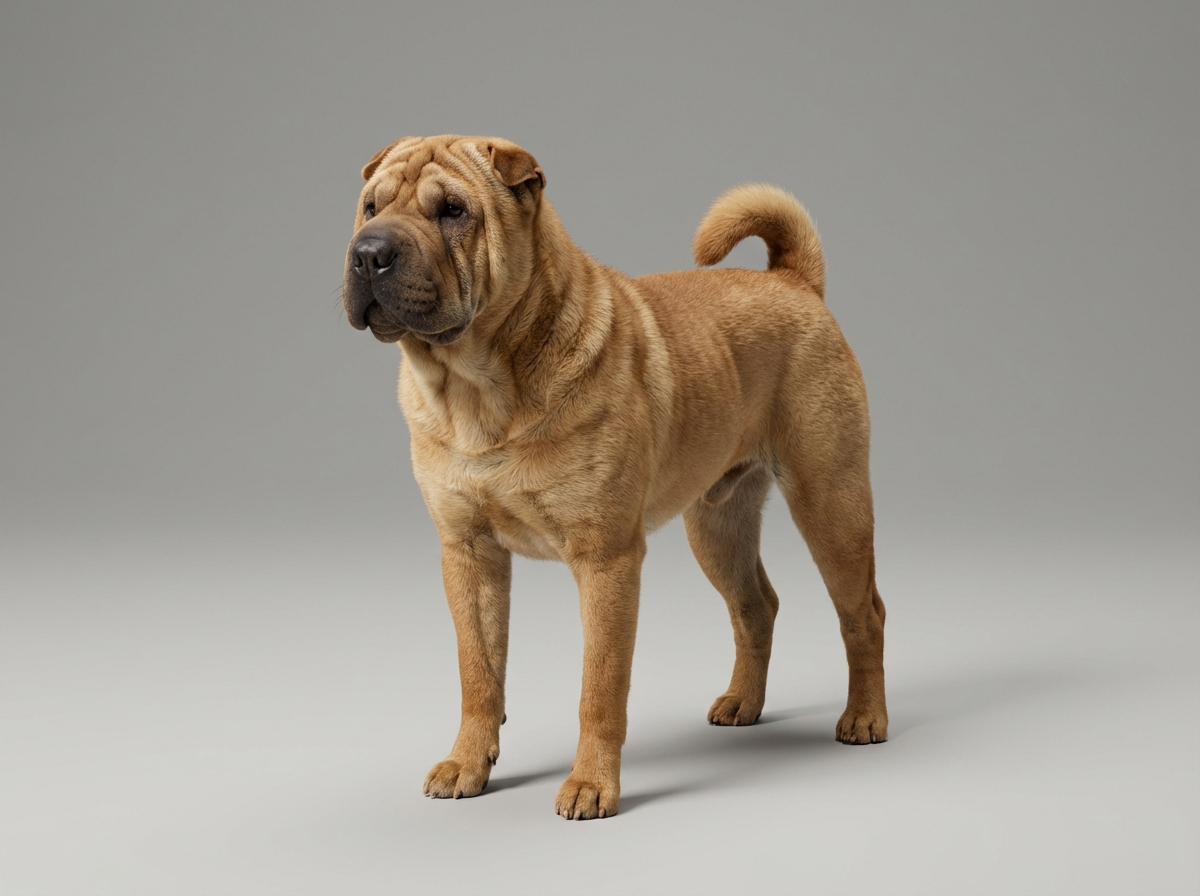
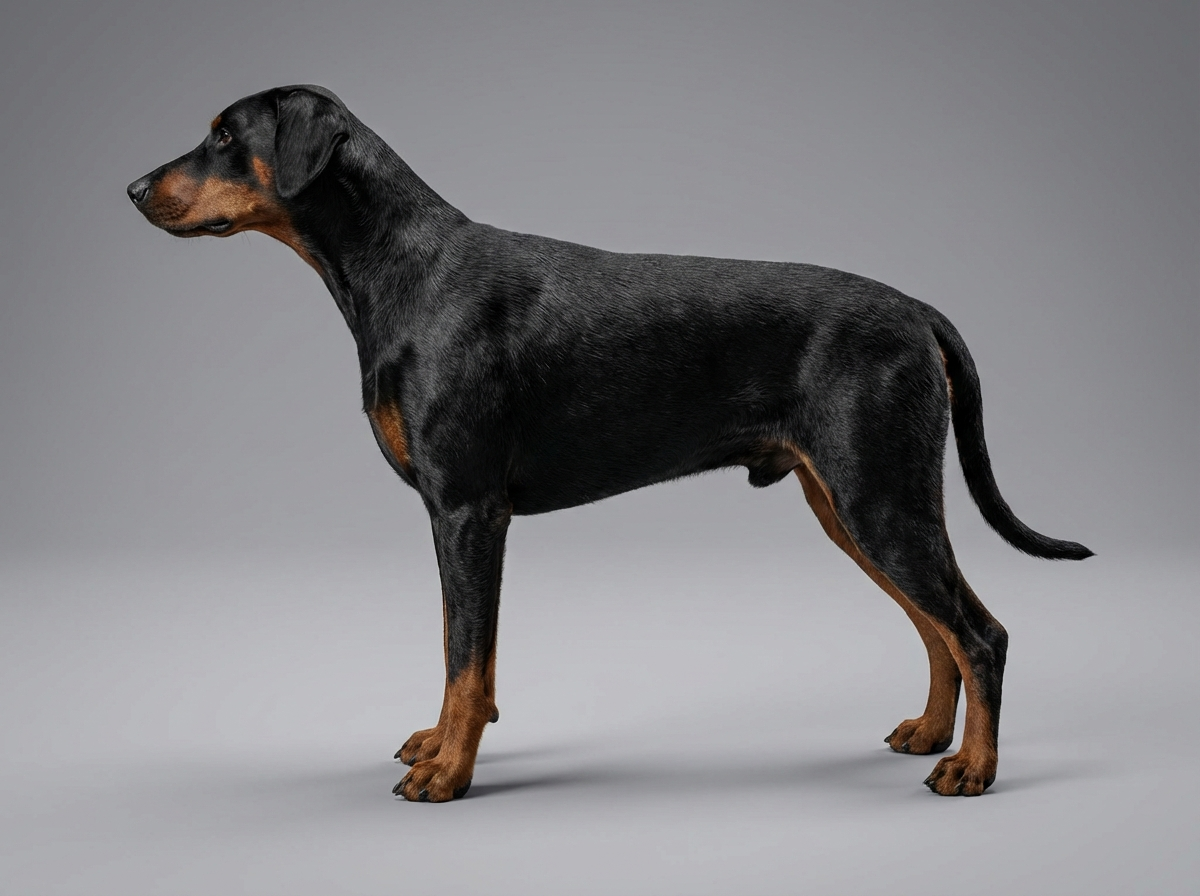
What are quick tips for managing Doberman Pinscher chondrodystrophy (cddy)?
Regular vet check-ups and maintaining a healthy weight are essential for managing cddy. Gentle exercise and a balanced diet will also help your dog stay comfortable.
Doberman Pinscher chondrodystrophy (cddy) is a developmental disorder that affects bone structure and growth in this breed. It can lead to physical challenges that may impact your dog's quality of life.

This problem often affects first-time Doberman owners or those unfamiliar with breed-specific health issues. Owners who notice their dogs having trouble with movement or unusual physical traits may feel overwhelmed and unsure of how to help.
This guide is not medical advice. If your dog shows pain, sudden behavior change, or worsening symptoms, consult a licensed veterinarian.
Some links may be affiliate links. We may earn a commission at no extra cost to you. We only suggest products we believe are helpful for dog owners.
Doberman Pinscher chondrodystrophy (cddy) is a developmental disorder affecting bone growth. This condition leads to abnormal skeletal development, which can cause pain and mobility issues. Owners may notice signs such as difficulty walking, limping, or unusual postures in their dog.
Chondrodystrophy in Doberman Pinschers is relatively rare compared to other breeds, but it can occur. It's crucial for potential owners to be aware of this issue, especially given the breed's unique health challenges.
Doberman Pinschers may inherit chondrodystrophy (CDDY) due to genetic factors. This condition is linked to abnormal growth in bone development, particularly affecting the spine and limbs. If your Doberman has a family history of this disorder, they may be more prone to it.
Environmental factors can also play a role in the development of CDDY. Inadequate nutrition during critical growth periods can contribute to bone issues. Additionally, over-exercising or stressing young Dobermans can exacerbate existing conditions.
If your Doberman shows persistent signs of anxiety or difficulty with training, it may be time to consult a professional trainer. They can offer tailored strategies to help manage your dog's behavior and boost their confidence.
If you notice any changes in your Doberman's mobility, such as limping or reluctance to exercise, it’s important to talk to your vet. They can perform necessary evaluations and recommend treatment options for chondrodystrophy.
Managing Doberman Pinscher chondrodystrophy (cddy) can take several months of consistent training and care. You might start to see improvements in your dog's mobility and comfort within 4 to 6 weeks, but ongoing adjustments will likely be necessary.
Success means your Doberman can move more freely, experiences less discomfort, and engages in daily activities without excessive strain. Positive behavioral changes and a better quality of life are key indicators.
Avoiding these common mistakes can help you manage Doberman Pinscher chondrodystrophy (cddy) more effectively.
Knowing when Doberman Pinscher chondrodystrophy (cddy) is an emergency can help you act quickly. Watch for red flags that indicate immediate veterinary attention is needed. These signs include severe pain, inability to walk, sudden swelling in the limbs, or a noticeable change in your dog’s behavior such as aggression or extreme lethargy.
If your Doberman shows any of these symptoms, don’t wait. Call your vet right away. Other signs that warrant a call include difficulty breathing, excessive drooling, or loss of appetite lasting more than a day. These symptoms could signal a serious issue related to cddy or other health concerns.
On the other hand, if your Doberman is showing mild symptoms, you can monitor the situation at home. Minor symptoms might include occasional limping, slight stiffness after resting, or mild discomfort when touched. In such cases, keep an eye on your dog and create a plan to manage their condition. Ensure they have a comfortable space to rest and consider adjusting their exercise routine to reduce strain on their joints.
Remember, if you're ever in doubt about your dog's health, it's always better to err on the side of caution and consult your veterinarian. They can provide tailored advice and treatment options suited to your Doberman’s specific needs.

When Sarah adopted Jake, her 2-year-old Doberman Pinscher, she quickly noticed he struggled with mobility. After consulting a vet, she learned Jake had chondrodystrophy (cddy). Determined to help him, Sarah implemented a structured exercise plan focused on low-impact activities, like swimming and walking. She also worked with a dog trainer to adjust his training techniques to accommodate his condition. Over time, Jake showed improvement and could enjoy longer walks without discomfort. Sarah's commitment transformed Jake's daily life, allowing him to play and explore more freely.
Key takeaway: With patience and the right approach, managing Doberman Pinscher chondrodystrophy (cddy) is possible. Tailoring exercise and training to your dog's needs can lead to significant improvements in their quality of life.
Doberman Pinscher chondrodystrophy (cddy) is a developmental disorder that affects bone growth, leading to skeletal deformities. It can cause pain and mobility issues, making it crucial for owners to recognize symptoms early.
Chondrodystrophy (cddy) is often hereditary, meaning it can be passed down from parent dogs. If your Doberman shows signs, consulting a vet for a possible genetic test may help understand the cause.
Managing Doberman Pinscher chondrodystrophy (cddy) involves regular vet check-ups, pain management, and possibly physical therapy. Keeping your dog at a healthy weight can also reduce stress on their joints.
Gentle, positive reinforcement training is best for dogs with cddy. Focus on low-impact exercises and consider engaging their mind with puzzle toys to avoid overexertion.
In some cases, surgery may be necessary to correct severe deformities caused by Doberman Pinscher chondrodystrophy (cddy). Always discuss potential surgical options and recovery plans with your vet.
Look for signs such as limping, reluctance to move, or difficulty jumping. If you notice any of these symptoms, consult your vet for a thorough evaluation.
To alleviate pain from Doberman Pinscher chondrodystrophy (cddy), ensure your dog has a comfortable resting space, provide joint supplements as recommended by your vet, and maintain a balanced diet.
Signs of Doberman Pinscher chondrodystrophy (cddy) can include difficulty walking, abnormal limb shapes, and pain in the joints. You might also notice a decrease in activity or reluctance to play. If you see these symptoms, consult your vet for a proper diagnosis.
While there is no cure for Doberman Pinscher chondrodystrophy (cddy), management options are available. These may include pain relief medications, physical therapy, and weight management to reduce strain on the bones. Work closely with your vet to tailor a treatment plan.
Yes, chondrodystrophy (cddy) can be hereditary in Doberman Pinschers. It is important to be aware of the dog's lineage when considering breeding. If you have concerns, consult a veterinarian or a genetic specialist for guidance on this issue.
Doberman Pinschers with chondrodystrophy (cddy) may face a shorter lifespan due to complications associated with the disorder. Regular vet check-ups and proactive management can help improve their quality of life. Being attentive to their health can make a significant difference.
Exercise is crucial for managing chondrodystrophy (cddy) in Doberman Pinschers but should be moderated. Low-impact activities like swimming or gentle walks can help maintain mobility without causing strain. Always consult your vet to create an appropriate exercise plan.
Regular vet check-ups and maintaining a healthy weight are essential for managing cddy. Gentle exercise and a balanced diet will also help your dog stay comfortable.
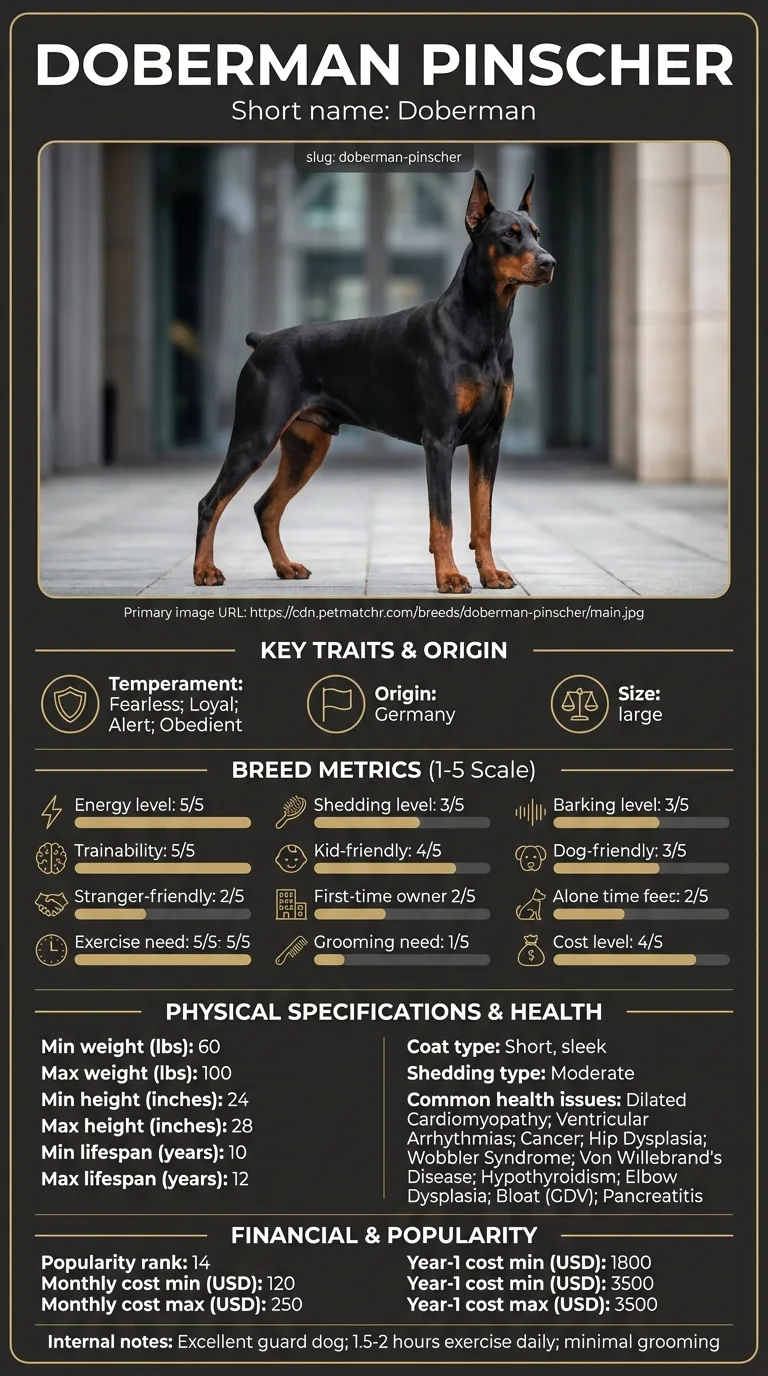
Caring for a Doberman with chondrodystrophy (cddy) can range from $120 to $250 monthly, depending on vet visits and medication needs. Plan for potential additional costs for surgeries or therapies.
Yes, you can train your Doberman, but focus on gentle, short sessions to avoid strain. Use positive reinforcement and low-impact activities to keep training enjoyable.
If your Doberman shows discomfort, consult your vet immediately. Early intervention can help manage pain and improve your dog’s quality of life.
Chondrodystrophy (cddy) is seen in some Doberman Pinschers, often due to genetic factors. Responsible breeding practices can help reduce its occurrence.