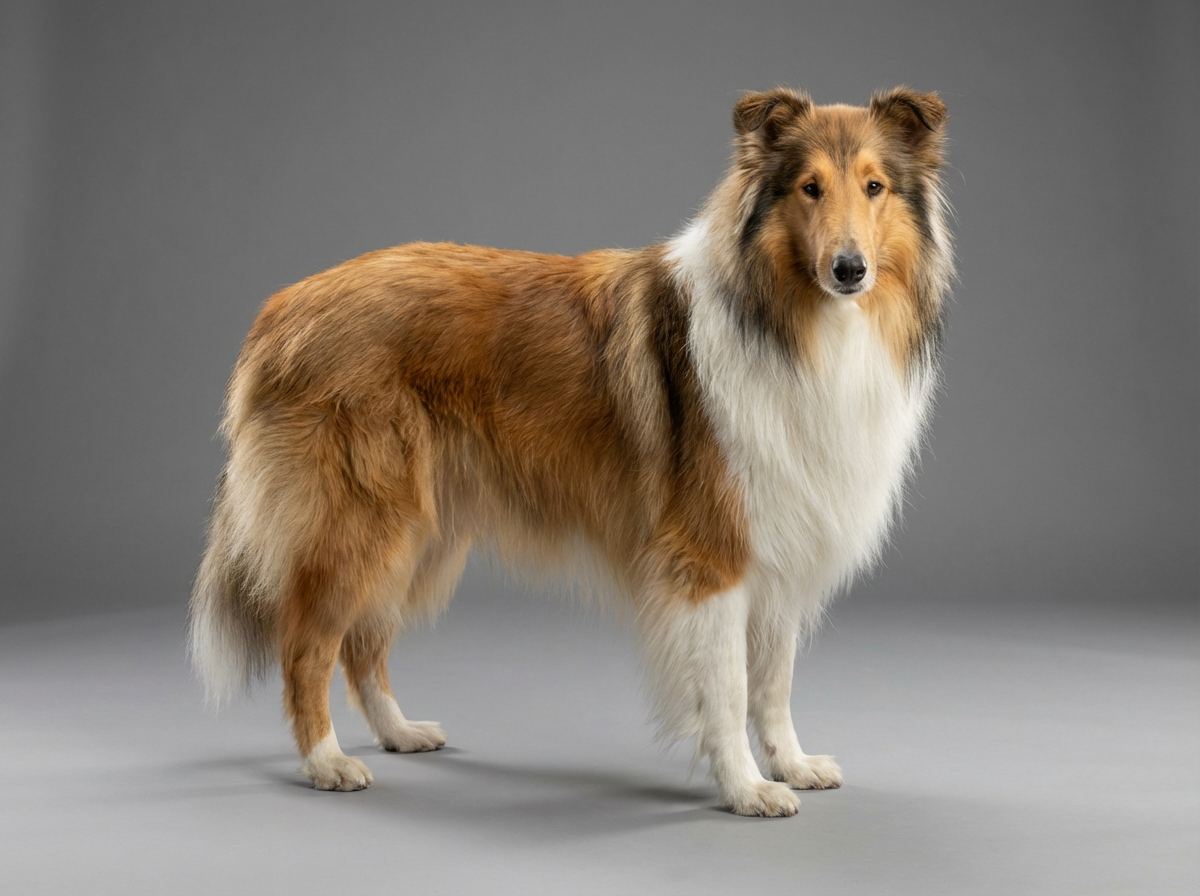
Behavior
What are quick tips for Collie (Rough Collie) respiratory disease?
Monitor your Collie's breathing, keep their environment clean, and ensure regular vet visits. Early intervention can prevent serious issues.

Quick answer
What are quick tips for Collie (Rough Collie) respiratory disease?
Monitor your Collie's breathing, keep their environment clean, and ensure regular vet visits. Early intervention can prevent serious issues.
Collie (Rough Collie) respiratory disease can be a serious issue for your beloved pet. This condition often leads to breathing difficulties that can affect their quality of life.
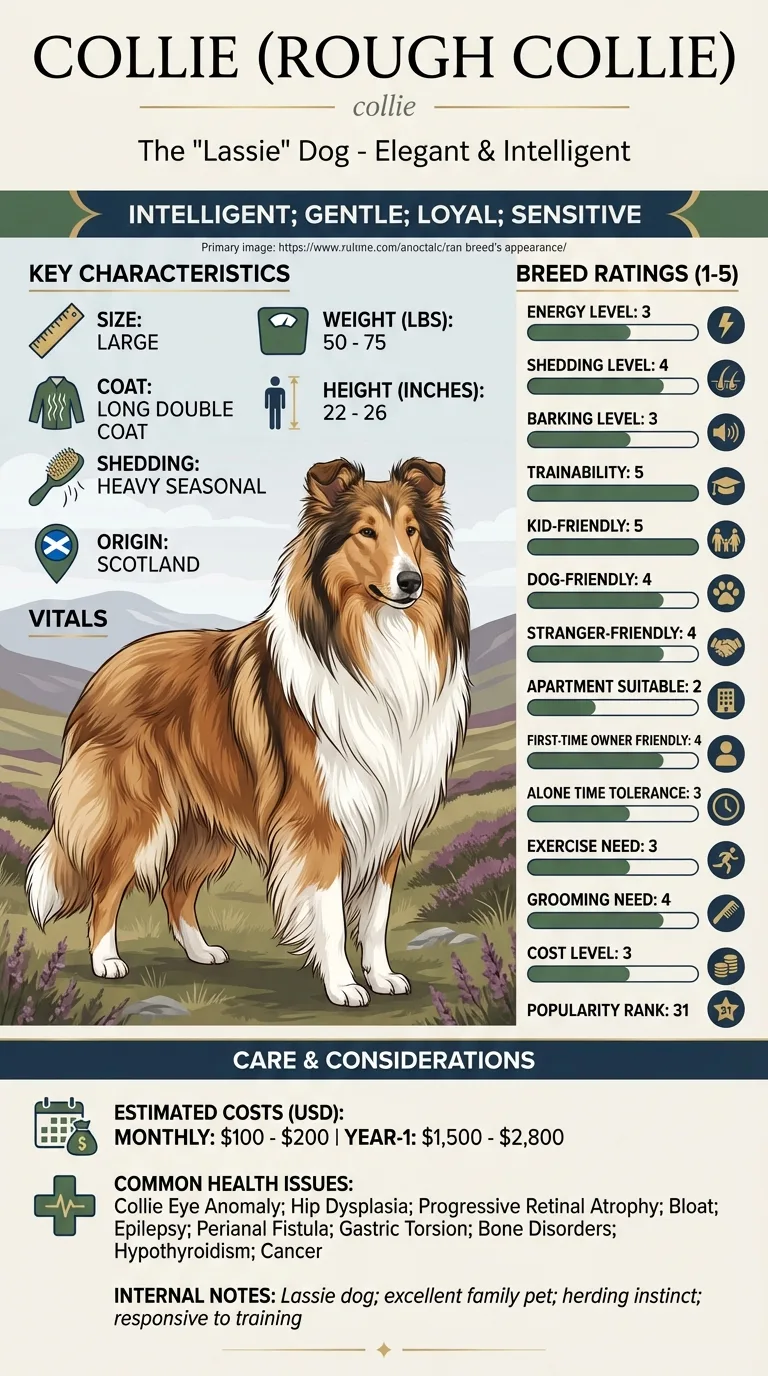
Typically, owners of Collies may struggle with this issue, especially those new to dog ownership or families with young children. If you notice your Collie showing signs of respiratory distress, it’s crucial to act quickly.
This guide is not medical advice. If your dog shows pain, sudden behavior change, or worsening symptoms, consult a licensed veterinarian.
Some links may be affiliate links. We may earn a commission at no extra cost to you. We only suggest products we believe are helpful for dog owners.
We research and check what we publish, but we do not warrant that any figure, date, price, or statement is accurate, complete, or current, and we accept no liability for any loss, cost, injury, or other harm arising from the use of this site. Use it as one reference among several. You remain responsible for your own decisions and for your dog's care - confirm anything that matters with a licensed veterinarian or another qualified professional before you act on it. Full disclaimer.
Check this first
Recognizing the signs of emergency in Collie (Rough Collie) respiratory disease is crucial. If your Collie shows severe symptoms, it's time to call your vet immediately. These red flags include labored breathing, persistent coughing, blue-tinged gums, or extreme lethargy. These signs indicate that your dog may be in distress and requires urgent medical attention.
On the other hand, there are mild cases that can be monitored at home. If your Collie has a mild cough, occasional sneezing, or slight wheezing but remains active and alert, you might not need to panic. Create a plan to observe your dog closely and note any changes in behavior or symptoms. Keeping a journal can help track progress and provide useful information for your vet.
Remember, when in doubt, it's better to err on the side of caution. If you're worried about your Collie's respiratory health, always consult your veterinarian. They can provide guidance tailored to your specific situation and help determine whether it's an emergency or a case that can wait for a check-up. Regular vet visits can also help catch any underlying issues early.
If any of these apply, call your vet or an emergency clinic now. The rest of this page is for the cases that are not an emergency.
Collie (Rough Collie) respiratory disease can significantly impact your dog's daily life. Symptoms may include coughing, wheezing, or difficulty breathing, often triggered by exercise, excitement, or environmental factors like smoke or allergens. This condition is particularly concerning as it poses a 479% higher risk for Collies compared to non-brachycephalic dogs, making awareness and management crucial for owners.
Respiratory issues are relatively common in Collies, especially as they age. Many owners report noticing these symptoms in their pets, particularly during warmer months or after vigorous play. Regular veterinary check-ups and monitoring can help catch and manage these issues early.
Collies, especially Rough Collies, can be prone to respiratory issues due to their long, double coats that can lead to overheating. Their large size and build also contribute to potential respiratory problems. Furthermore, their herding instincts may cause them to push themselves harder during play, leading to overexertion.
Environmental factors play a significant role in respiratory disease. Allergens, such as pollen or dust in the home, can trigger respiratory issues. Additionally, exposure to smoke, pollution, or extreme temperature changes can worsen their breathing problems, especially in urban settings.
If your Collie exhibits persistent coughing, wheezing, or difficulty breathing, contact your vet immediately. Early intervention can help manage respiratory disease effectively and improve your dog’s quality of life.
Avoiding certain common mistakes can help manage Collie (Rough Collie) respiratory disease more effectively. Here are some behaviors that may inadvertently worsen the situation.
Start here: Collie Most Common Genetic Disorders: What to Screen For
See all Collie health problems, which breeds are prone to respiratory disease, or the full Collie breed guide for temperament, exercise needs and ownership costs.
With consistent care and follow-up with your vet, you can see improvements in your Collie's respiratory health within 3 to 6 months.
Success means your Collie experiences fewer respiratory issues, can enjoy regular exercise, and shows signs of improved overall health and vitality.
Maggie, a busy nurse from Seattle, noticed her Rough Collie, Max, struggled to catch his breath during walks. Initially, she thought it was just a sign of being out of shape. After consulting her vet, Maggie learned that Max had respiratory disease, which is common in Collies. With a mix of training to improve his stamina and adjustments to his daily routine, including shorter walks and more rest, Maggie saw Max thrive. They even joined a local training class focused on respiratory health. After six months, Max was more energetic and could enjoy longer, more active outings without struggling for air.
Key takeaway: With the right care and training approach, you can significantly improve your Collie's respiratory health and enhance their quality of life.
Collie (Rough Collie) respiratory disease can occur due to various factors like genetics, allergies, or environmental irritants. It’s important to monitor your dog's symptoms and consult your vet for an accurate diagnosis.
Common signs include coughing, difficulty breathing, excessive panting, or unusual lethargy. If you notice these symptoms, it’s crucial to seek veterinary care promptly.
Treatment may involve medication to relieve symptoms, lifestyle changes, or in severe cases, surgery. Always follow your vet's advice for the best care plan tailored to your dog.
Preventive measures include regular vet check-ups, avoiding allergens, and maintaining a clean environment. Good grooming practices can also help reduce respiratory irritants like dust and pollen.
Yes, some respiratory diseases can be hereditary in Collies. Responsible breeding practices can help reduce the risk of passing on these genetic conditions.
Incorporate regular but moderate exercise, avoid smoking indoors, and ensure your home has good ventilation. These changes can significantly improve your dog's quality of life.
A balanced diet rich in Omega-3 fatty acids may support respiratory health. Consult your vet for recommendations tailored to your Collie's specific needs.
Early signs of respiratory disease in your Collie may include coughing, wheezing, or excessive panting. You might also notice labored breathing or a decrease in exercise tolerance. If you observe these symptoms, it's important to consult your veterinarian promptly.
Yes, environmental factors like smoke, allergens, and pollution can impact your Collie's respiratory health. Keeping your home clean and avoiding exposure to irritants can help reduce risks. Regular vet check-ups can also assist in monitoring any environmental impacts.
Older Collies may be more susceptible to respiratory diseases due to age-related changes in their health. Their immune systems may weaken, making them more vulnerable to infections. Keeping a close eye on their health and maintaining regular vet visits is crucial as they age.
Treatment for respiratory disease in Collies can vary based on severity and cause. Options may include medications, lifestyle changes, and in some cases, surgery. A veterinarian can provide a tailored plan based on your dog's specific condition and needs.
You can help your Collie manage respiratory disease by creating a clean, smoke-free environment and ensuring they have easy access to fresh air. Regular, gentle exercise and a balanced diet also play important roles in maintaining their overall health. Always follow your vet's advice for specific care instructions.
Monitor your Collie's breathing, keep their environment clean, and ensure regular vet visits. Early intervention can prevent serious issues.
Look for signs like labored breathing, wheezing, or prolonged panting. If you notice these, it's time to see your vet.
Common allergens include pollen, dust, and certain foods. Keeping your home clean and avoiding outdoor allergens can help.
Occasional coughing can be normal, but persistent coughing should be checked by a vet. It could indicate underlying health issues.
Treatment costs can range from $100 to $500 monthly, depending on severity and treatment plan. It's best to discuss costs with your vet.
A one-page prep sheet for this condition: the signs, the questions to ask, what to get priced. Unlocks here.
You get: Vet visit prep sheet
No spam. One-click unsubscribe. See our privacy policy.
Preview page 1 before you decide.