Behavior
What are quick tips for preventing GDV in Collies?
Feed smaller meals multiple times a day and avoid exercise immediately after meals. Using a slow feeder can also help reduce the risk.
Gastric dilatation-volvulus (GDV), commonly known as bloat, is a serious condition that affects Collies. It can be life-threatening and requires immediate attention. (Collie (Rough Collie) gastric dilatation-volvulus (gdv/bloat))
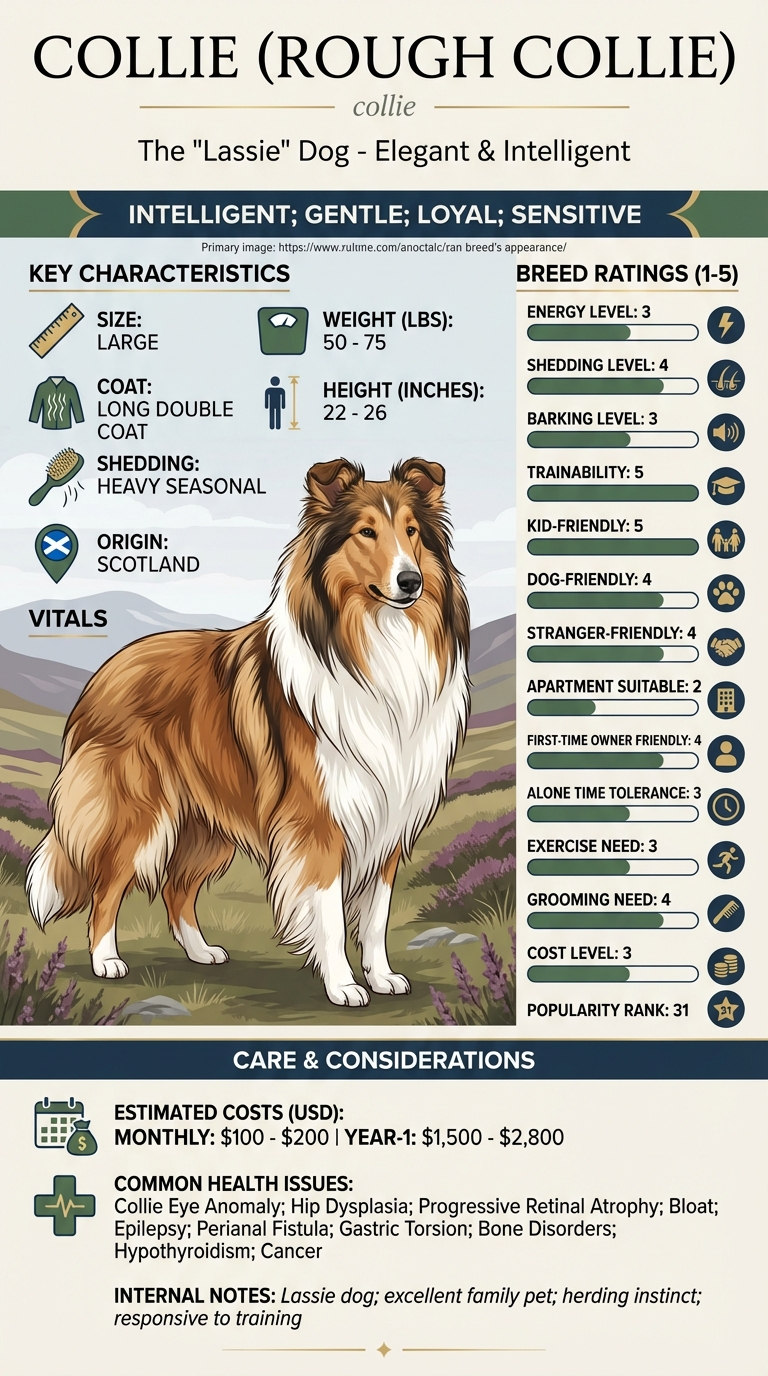
Owners of Collies often face this challenge, particularly those who may not be aware of the signs and risks associated with bloat. First-time dog parents and those new to the breed may find it especially difficult to recognize early symptoms.
This guide is not medical advice. If your dog shows pain, sudden behavior change, or worsening symptoms, consult a licensed veterinarian.
Some links may be affiliate links. We may earn a commission at no extra cost to you. We only suggest products we believe are helpful for dog owners.
Collie (Rough Collie) gastric dilatation-volvulus (GDV/bloat) is a serious condition that can be life-threatening. This problem often manifests as a distended abdomen, restlessness, excessive drooling, and signs of pain. Owners may notice their Collie struggling to find a comfortable position or trying to vomit without success.
GDV is relatively common in larger breeds like the Collie, with an estimated incidence of 1 in 30 Collies affected at some point in their lives. Understanding this risk is crucial for Collie owners.
Collies, particularly Rough Collies, can be predisposed to gastric dilatation-volvulus (GDV) due to their large size and deep chests. Their anatomy makes it easier for their stomachs to twist, especially after eating or drinking quickly. Additionally, their sensitive nature can lead to stress-related issues that may contribute to this condition.
The environment can also play a significant role in GDV. Factors such as eating large meals, consuming dry kibble, and drinking excessive water before or after meals can increase the risk. Stressful situations, like loud noises or changes in routine, can further exacerbate the problem for Collies.
If your Collie shows signs of anxiety around meal times or during stressful situations, consider consulting a professional trainer. They can provide techniques to help your dog feel more secure and relaxed, reducing the risk of stress-induced bloat.
If your Collie exhibits symptoms like swelling in the abdomen, excessive drooling, or attempts to vomit without success, contact your vet immediately. GDV is a medical emergency that requires prompt attention. Regular check-ups can also help monitor any breed-specific health issues.
Recovery from gastric dilatation-volvulus (GDV/bloat) can take several weeks. Immediate treatment is crucial, and ongoing management might be necessary to prevent recurrence.
Success means your Collie is eating and drinking normally, showing no signs of discomfort, and has a stable weight. Regular check-ups with your vet ensure that they remain healthy and active.
Avoiding certain behaviors can help manage Collie (Rough Collie) gastric dilatation-volvulus (GDV/bloat). Here are some common mistakes owners make that can worsen the situation.
Recognizing when your Collie (Rough Collie) is experiencing gastric dilatation-volvulus (GDV/bloat) can be life-saving. This condition is critical and can escalate quickly, so understanding the signs is essential. If you notice any of these red-flag symptoms, call your vet immediately:
- **Abdominal swelling**: A visibly distended belly is a significant warning sign. - **Retching without vomiting**: Trying to vomit but producing nothing is a clear indicator of distress. - **Rapid breathing or panting**: Difficulty breathing or excessive panting may signal that your dog is in pain. - **Weakness or lethargy**: If your dog seems unusually weak or unresponsive, this is serious.
On the other hand, some mild symptoms can be monitored at home. If your Collie is experiencing a slight stomach upset, look for these signs: - **Mild drooling** or lip-smacking: This could indicate nausea but isn't necessarily urgent. - **Intermittent pacing or restless behavior**: If your dog seems uncomfortable but is still active, keep an eye on them. - **Minor abdominal discomfort**: If your Collie seems a bit bloated but is still eating and drinking normally, this can often wait.
In these cases, you can monitor their behavior and provide comfort, but if any symptoms worsen, don't hesitate to seek veterinary care. Always trust your instincts; when in doubt, it's better to be safe than sorry.
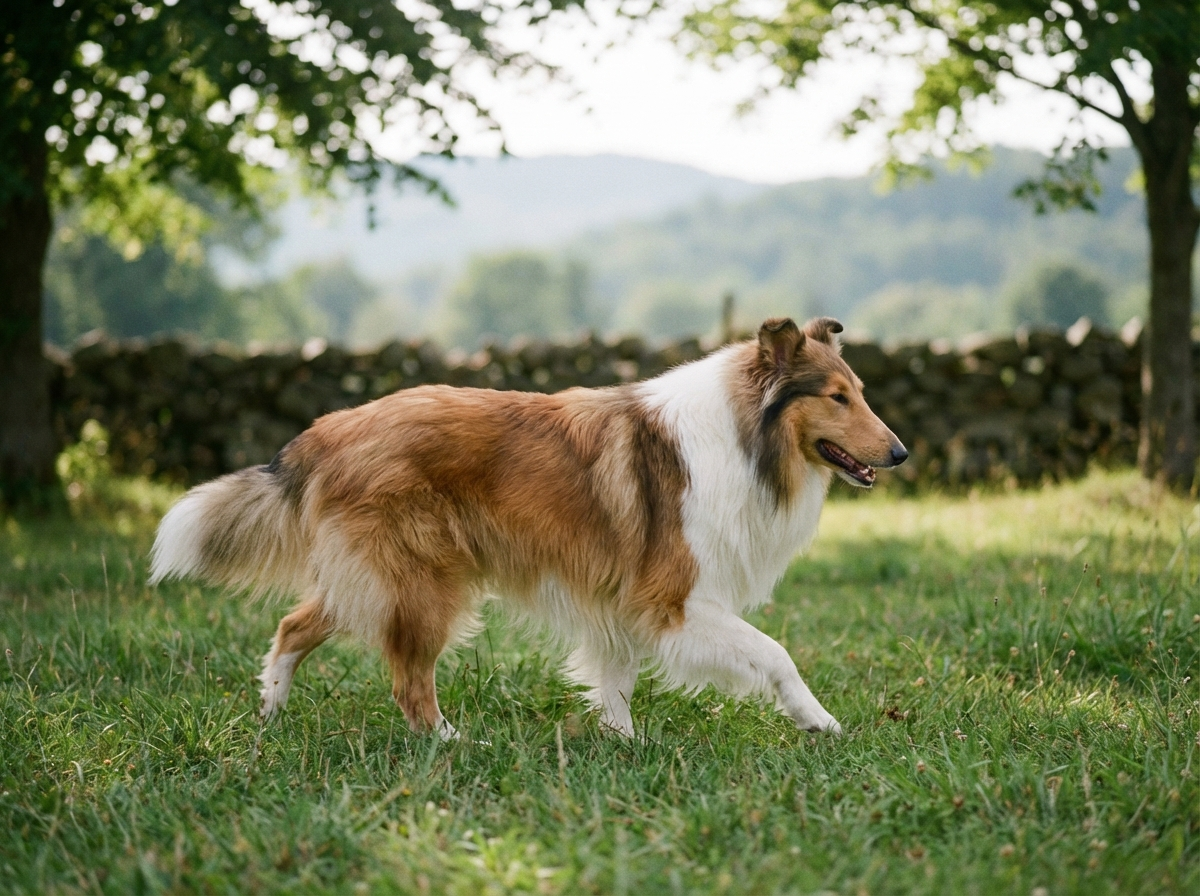
Aisha, a first-time dog owner in Atlanta, was devastated when her Rough Collie, Max, suffered from gastric dilatation-volvulus (GDV). After an emergency vet visit, she learned that prompt action was key to saving him. With her vet's guidance, Aisha adjusted Max's feeding routine, introduced smaller meals, and ensured he didn’t exercise immediately after eating. Over time, Max regained his playful spirit, and Aisha felt more confident managing his health.
Key takeaway: Act quickly when you suspect GDV, and work closely with your vet to create a feeding plan that reduces risk. Consistent care makes a big difference.
GDV, or bloat, in Collies can be caused by rapid eating, stress, or physical activity after meals. It's essential to monitor their eating habits and ensure they remain calm after feeding.
To prevent GDV, feed your Collie smaller, more frequent meals instead of one large meal. Avoid vigorous exercise right after eating, and consider using a slow feeder to reduce the speed at which they eat.
Common symptoms of GDV include a distended abdomen, excessive drooling, restlessness, and attempts to vomit without success. If you notice these signs, seek veterinary help immediately.
If you suspect your Collie has GDV, take them to a veterinarian immediately. This condition can progress quickly and is life-threatening, requiring urgent medical intervention.
Your Collie may develop GDV due to a combination of genetic factors, feeding practices, and lifestyle. It's essential to recognize the risk factors and take preventive measures to protect your dog.
Training can help manage your Collie's anxiety around feeding times, which may reduce the risk of GDV. Positive reinforcement can encourage calm behavior when eating.
Yes, larger breeds, including the Collie, are generally more prone to GDV. Regular veterinary check-ups can help monitor your dog's health and address any concerns early.
Early signs of gastric dilatation-volvulus (gdv/bloat) in your Collie may include restlessness, drooling, and an enlarged abdomen. If your Collie seems uncomfortable or is trying to vomit without success, it’s crucial to consult a vet quickly.
Yes, older Collies can develop gastric dilatation-volvulus (gdv/bloat) due to various factors like age, diet, and stress. It's important to monitor their eating habits and overall health closely as they age.
If you notice signs of gastric dilatation-volvulus (gdv/bloat), take your Collie to a vet immediately. This condition can worsen rapidly, and prompt treatment is essential to avoid serious complications.
Feeding smaller, more frequent meals and using slow feeders can help reduce the risk of gastric dilatation-volvulus (gdv/bloat) in Collies. Consulting a vet for a tailored diet plan is also a good idea.
If your Collie is exhibiting symptoms like a swollen abdomen, rapid breathing, or excessive pacing, it may indicate a serious case of bloat. Seek immediate veterinary care to address the situation.
Feed smaller meals multiple times a day and avoid exercise immediately after meals. Using a slow feeder can also help reduce the risk.
Take your Collie to the vet immediately if you notice a swollen belly, excessive drooling, or signs of distress after eating.
Yes, genetics can play a role, especially in larger breeds like Collies. Being aware of your dog's family history can help manage risks.
Treatment for GDV can range from $1,500 to $3,000 depending on the severity and required procedures. It's crucial to have pet insurance to help cover these costs.
Yes, using slow feeders or engaging them in training before meals can encourage a calmer eating pace, reducing the risk of GDV.