DogBreedCompass
← Back to breed profile

Collie (Rough Collie) Back/Spine Issues: What You Need to Know

Collie (Rough Collie) back/spine issues can be a serious concern for dog owners. These problems often lead to discomfort and mobility challenges.

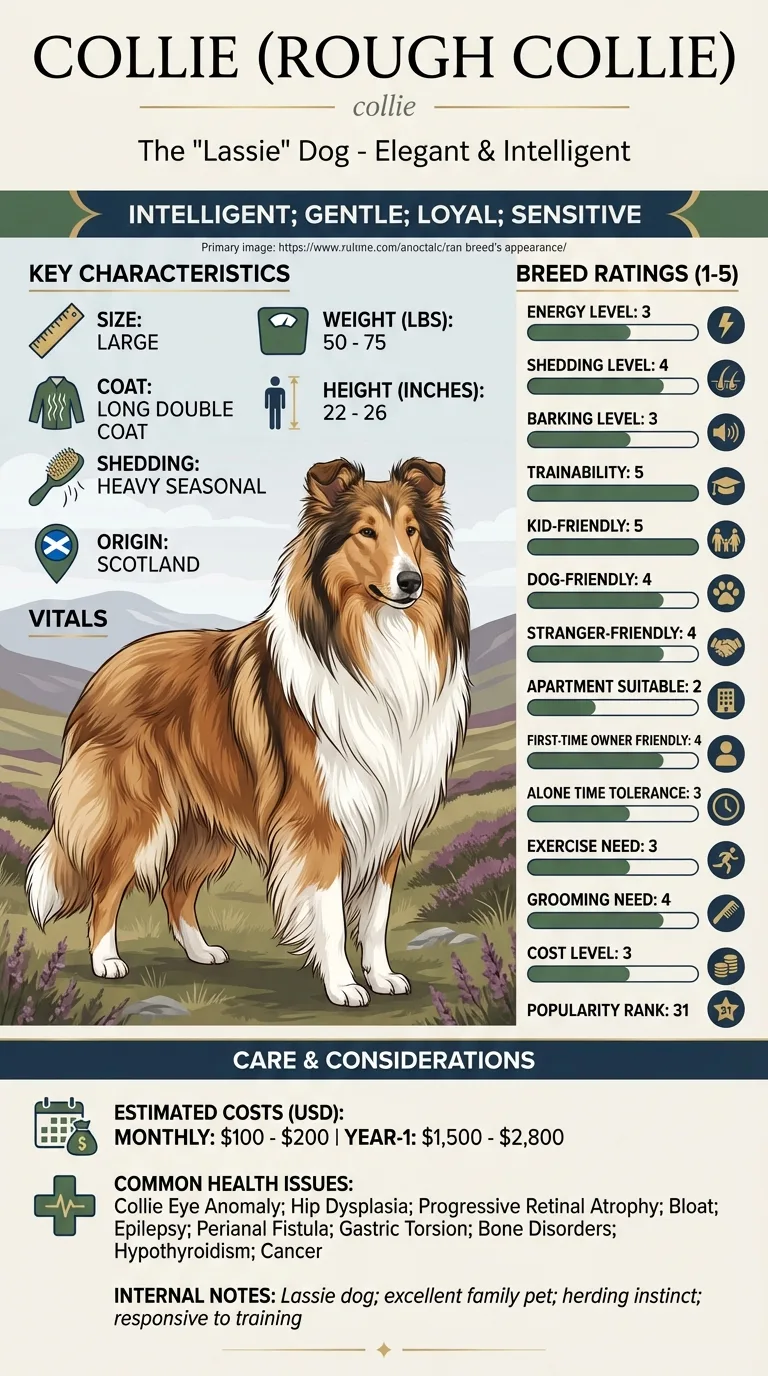
Collie (Rough Collie) Back/Spine Issues: What You Need to Know infographic

Many Collie owners, particularly those with active dogs, struggle with back issues. Owners who are not prepared for the physical demands of a Collie may find themselves facing unexpected health problems. This is especially true for first-time dog owners who may not know the signs to look for.

Important reminder

This guide is not medical advice. If your dog shows pain, sudden behavior change, or worsening symptoms, consult a licensed veterinarian.

Some links may be affiliate links. We may earn a commission at no extra cost to you. We only suggest products we believe are helpful for dog owners.

What this problem looks like

Collie (Rough Collie) back/spine issues can significantly affect your dog's daily life. These problems often manifest as difficulty moving, reluctance to jump, or signs of pain when being touched along the spine. This breed is prone to conditions like intervertebral disc disease, which can lead to serious mobility issues if not addressed promptly.

Common triggers

  • Age-related wear and tear on the spine
  • Excessive jumping or rough play
  • Obesity, which puts extra strain on the back
  • Genetic predisposition to spinal disorders

Back and spine issues are relatively common in Collies, especially as they age. Many owners report noticing signs of discomfort or reduced mobility in their dogs by the time they reach middle age. Early detection and intervention can help manage these issues effectively.

Why this happens

Breed factors

Collies, particularly Rough Collies, can be prone to back and spine issues due to their genetic predisposition. Their long, elegant bodies and weight can put extra strain on their spines, making them more susceptible to conditions like intervertebral disc disease. Additionally, their herding instincts often lead them to engage in high-energy activities that can exacerbate these issues.

Environment factors

Environmental factors also play a significant role in back and spine health. For instance, if your Collie frequently jumps from high places or engages in rough play without proper supervision, it can lead to injuries. Moreover, an unbalanced diet or lack of exercise can contribute to weight gain, which further stresses their spine.

What you can try

At-home strategies

  • Limit high-impact activities, such as jumping and rough play, to reduce the risk of injury.
  • Provide a balanced diet that maintains a healthy weight, focusing on quality dog food rich in nutrients.
  • Incorporate gentle, low-impact exercises like walking or swimming to keep your Collie active without straining their back.

When to consider a trainer

If your Collie displays signs of anxiety or inability to follow commands, a professional trainer can help with behavior modification techniques. Proper training can also teach your Collie safe play behaviors to minimize risk of injury.

When to talk to your vet

Consult your vet if you notice any signs of discomfort, such as reluctance to jump, stiffness, or changes in mobility. If back or spine issues are suspected, a vet can recommend diagnostic tests and appropriate treatments.

Realistic expectations

Addressing back/spine issues in your Collie may take a few weeks to months, depending on the severity of the problem and the chosen treatment plan.

Success means your Collie experiences less pain, improved mobility, and a better quality of life. Regular check-ups with your vet will help monitor their progress.

Mistakes that make this worse

Many owners unknowingly do things that can worsen back or spine issues in their Collies. Here are some common mistakes and safer alternatives.

  • Allowing excessive jumping: Letting your Collie jump on and off furniture can strain their back. Instead, provide ramps or steps to help them get up safely.
  • Ignoring weight management: Overweight Collies put extra pressure on their spines. Monitor their diet and ensure they get enough exercise to maintain a healthy weight.
  • Skipping regular vet check-ups: Neglecting routine vet visits can delay the diagnosis of back problems. Schedule regular exams to catch issues early.
  • Using harsh training methods: Punitive training can increase stress and anxiety, leading to physical tension. Opt for positive reinforcement techniques instead.
  • Not providing proper support: Failing to use supportive bedding can worsen discomfort. Invest in orthopedic beds designed to relieve pressure on their joints and spine.
  • Lack of controlled exercise: Allowing your Collie to run freely without supervision can lead to injuries. Engage in controlled, low-impact activities instead.

When Collie (Rough Collie) Back/Spine Issues Are an Emergency

It's crucial to know when Collie (Rough Collie) back/spine issues require immediate veterinary attention. If your dog shows signs of severe pain, such as yelping when touched or difficulty standing, you should call your vet right away. Other red flags include inability to walk, loss of bladder control, or sudden weakness in the hind legs. These could indicate serious conditions like intervertebral disc disease that need urgent care.

On the other hand, mild cases can often be monitored. If your Collie is occasionally hesitant to jump or shows slight stiffness after play, it may be manageable at home. You can keep an eye on their behavior and adjust their activity level. Regular gentle exercise and stretches can help strengthen their back, but a vet visit is still a good idea for persistent issues. Keep a log of any changes in their mobility or comfort levels.

In summary, act quickly if you notice severe symptoms. For minor problems, a wait-and-see approach can be fine, but don't hesitate to seek professional advice if you're concerned about your dog's health.

Collie (Rough Collie) Back/Spine Issues: What You Need to Know - When Collie (Rough Collie) Back/Spine Issues Are an Emergency

Maggie's Journey with Back Pain

Maggie, a dedicated dog mom from Denver, noticed her Rough Collie, Max, struggling to jump onto the couch. After a vet visit, she learned that Max had early signs of intervertebral disc disease. Following a tailored treatment plan that included physical therapy and weight management, Maggie saw Max gradually regain his strength. With consistent care, Max is now back to his playful self, enjoying daily walks and chasing squirrels in the park.

Key takeaway: Early intervention and a structured plan can significantly improve your Collie's back/spine issues, enhancing their overall well-being.

Frequently asked questions

Why does my Collie (Rough Collie) have back/spine issues?

Collies are prone to back and spine issues due to their long bodies and specific genetic predispositions. Intervertebral disc disease is common in this breed and can be exacerbated by obesity or lack of exercise. Regular check-ups with a vet can help identify problems early.

How can I stop Collie (Rough Collie) back/spine issues?

To prevent back/spine issues in your Collie, maintain a healthy weight and provide regular, low-impact exercise. Implementing a balanced diet rich in nutrients can also support their overall spinal health. If you notice any signs of pain or discomfort, consult your vet immediately.

What are the signs of back/spine issues in Collies?

Common signs include difficulty jumping, reluctance to move, or changes in posture. You may also notice your Collie being more sensitive to touch around their back. If these symptoms appear, it's crucial to see a vet for a proper diagnosis.

Are there specific exercises that can help my Collie (Rough Collie) with back/spine issues?

Gentle exercises like swimming can be beneficial for your Collie without putting too much strain on their back. Avoid high-impact activities like jumping or running on hard surfaces. Always consult your vet for a tailored exercise plan.

Can training help with Collie (Rough Collie) back/spine issues?

Yes, training can help by focusing on controlled movements and avoiding high-impact activities. Using positive reinforcement for gentle behavior can also reduce the risk of injury. Consider working with a professional trainer who understands the needs of your breed.

What are the early signs of back/spine issues in my Collie?

Early signs of back or spine issues in your Collie (Rough Collie) may include reluctance to jump, difficulty getting up, or changes in walking patterns. You might also notice them being more sensitive to touch around their back area. If you see these signs, it's best to consult your vet.

Can older Collies develop back/spine issues?

Yes, older Collies can develop back or spine issues due to age-related degeneration. As they age, their discs may wear down, leading to pain and mobility problems. Regular vet check-ups can help catch these issues early.

How can I manage my Collie's back/spine issues at home?

To manage back or spine issues at home, ensure your Collie has a comfortable resting area and avoid strenuous activities. Gentle exercises like short walks can help maintain their mobility, but always follow your vet's recommendations. Consider using supportive harnesses or orthopedic beds.

Is surgery always necessary for Collie back/spine issues?

Not always. Many Collie (Rough Collie) back or spine issues can be managed with medication, physical therapy, or lifestyle changes. Surgery may be recommended in severe cases or if conservative treatments fail. Always discuss options with your vet.

What should I look for in training to help my Collie's back/spine issues?

Training for a Collie with back or spine issues should focus on low-impact activities and gentle commands. Avoid high jumps or rough play. Incorporating positive reinforcement techniques can help make training enjoyable without straining their back.

Quick answers

View more answers
Behavior

What are quick tips for Collie (Rough Collie) back/spine issues?

Ensure your Collie maintains a healthy weight to reduce strain on their spine. Regular, low-impact exercise like walking or swimming is beneficial. Lastly, keep their living area free from hazards to prevent falls.

Health

How often should I take my Collie (Rough Collie) to the vet for spine issues?

It's best to have your Collie checked by a vet at least once a year. If they're older or show signs of discomfort, more frequent visits may be necessary.

Costs

Are Collie (Rough Collie) back/spine issues expensive to treat?

Treatment can vary widely, but costs can range from a few hundred to several thousand dollars, depending on the severity of the issue. Preventative care is often less costly than treatment.

Living

Does my Collie (Rough Collie) need special bedding for back/spine issues?

Yes, providing orthopedic bedding can support your Collie's back and help alleviate discomfort. Look for beds that offer good support and cushioning.

Behavior

What should I avoid if my Collie (Rough Collie) has back/spine issues?

Avoid high-impact activities, such as jumping or rough play, which can worsen spine issues. Additionally, be mindful of their weight to prevent added strain.

Related DogBreedCompass guides

  • Collie (Rough Collie) behavior problemsLearn about common behavior problems in Collies to better understand their needs.
  • Collie (Rough Collie) back/spine issues trainingExplore effective training methods for addressing back/spine issues in Collies.
  • Collie (Rough Collie) separation anxiety guideGet tips on managing separation anxiety, a common issue for Collies.
  • Collie (Rough Collie) cost breakdownUnderstand the cost of owning a Collie, including potential medical expenses.
  • Collie (Rough Collie) health concernsRead about the common health issues that may affect your Collie and how to mitigate them.

Related guides