Behavior
What are quick tips for Cocker Spaniel dental issues?
Brush your Cocker Spaniel's teeth regularly, provide dental chews, and schedule annual vet check-ups. This will help maintain their dental health.

Quick answer
What are quick tips for Cocker Spaniel dental issues?
Brush your Cocker Spaniel's teeth regularly, provide dental chews, and schedule annual vet check-ups. This will help maintain their dental health.
Cocker Spaniel dental issues are a common concern for many owners. These problems can lead to serious health issues if not addressed promptly.
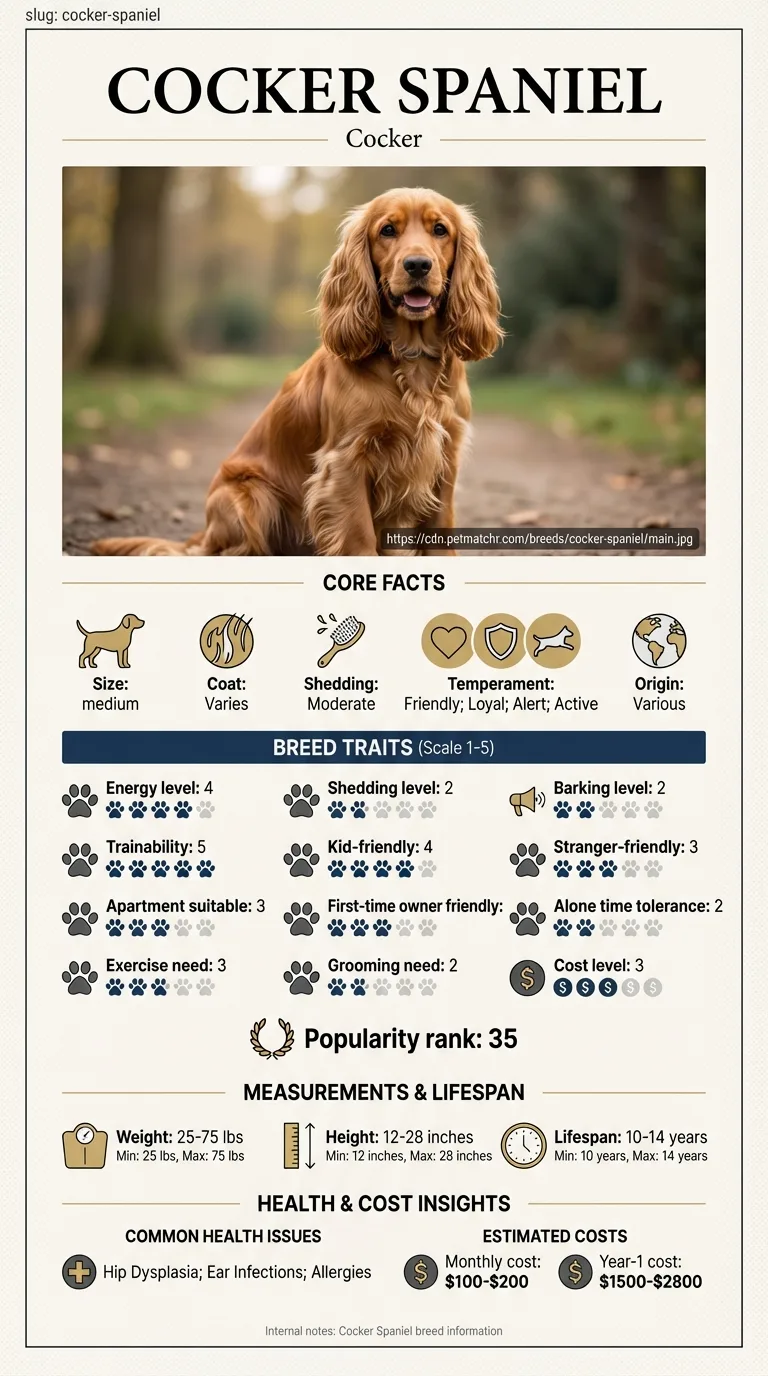
Many Cocker Spaniel owners, especially first-timers, find themselves dealing with dental issues. Busy families or individuals may struggle to prioritize dental care amid their daily routines.
This guide is not medical advice. If your dog shows pain, sudden behavior change, or worsening symptoms, consult a licensed veterinarian.
Some links may be affiliate links. We may earn a commission at no extra cost to you. We only suggest products we believe are helpful for dog owners.
We research and check what we publish, but we do not warrant that any figure, date, price, or statement is accurate, complete, or current, and we accept no liability for any loss, cost, injury, or other harm arising from the use of this site. Use it as one reference among several. You remain responsible for your own decisions and for your dog's care - confirm anything that matters with a licensed veterinarian or another qualified professional before you act on it. Full disclaimer.
Check this first
Cocker Spaniel dental issues can range from mild to severe. It's essential to know when to call your vet immediately versus when you can monitor the situation. Red-flag signs that indicate you should seek veterinary care right away include severe bad breath, swollen gums, and visible teeth damage. If your Cocker is in pain or refuses to eat, those are also serious signs that warrant a vet visit.
On the other hand, if your Cocker has mild bad breath or slight tartar buildup, you can often manage these issues at home. Regular dental cleanings, appropriate chew toys, and dental treats can help. Keeping an eye on your dog's oral health and scheduling routine vet check-ups will also ensure any developing problems are caught early. Always remember that prevention is easier than treatment, and a proactive approach can save you and your dog from more significant issues down the line.
If any of these apply, call your vet or an emergency clinic now. The rest of this page is for the cases that are not an emergency.
Cocker Spaniel dental issues can be a common concern for owners. These problems may manifest as bad breath, gum disease, or tooth decay. Daily, your Cocker might struggle with chewing or show discomfort while eating due to dental pain.
Dental issues are relatively common in Cocker Spaniels, with many experiencing some level of dental disease by the age of three. Regular dental care can help mitigate these problems.
Cocker Spaniels are prone to dental issues due to their unique jaw structure and tendency to have crowded teeth. Their small mouths can lead to misalignment, making it easier for plaque and tartar to build up. Additionally, some genetic factors may predispose them to gum disease and other dental problems.
Environmental factors also play a significant role in dental health. If your Cocker Spaniel doesn't have regular access to dental care or chew toys, plaque can accumulate. A diet lacking in dental-friendly nutrients can exacerbate these issues, leading to more serious problems over time.
If you notice persistent bad breath, bleeding gums, or difficulty eating, it's time to consult your vet. These could be signs of serious dental issues that may require professional treatment or cleaning.
Avoiding common mistakes can significantly improve your Cocker Spaniel's dental health. Here are some behaviors that might make dental issues worse, along with better alternatives.
Start here: Cocker Spaniel Most Common Genetic Disorders: Screening
See all Cocker Spaniel health problems, which breeds are prone to dental issues, or the full Cocker Spaniel breed guide for temperament, exercise needs and ownership costs.
You can expect noticeable improvements in your Cocker Spaniel's dental health within 3 to 6 months of consistent care.
Success means your dog has fresher breath, healthier gums, and fewer signs of dental disease. Regular vet check-ups will confirm these improvements.
Sarah, a busy nurse in Chicago, noticed her Cocker Spaniel, Max, had bad breath and seemed to be uncomfortable when chewing. After learning about Cocker Spaniel dental issues, she took action. Sarah began brushing Max's teeth daily and provided dental chews to help clean his teeth naturally. She also scheduled regular vet visits to monitor his progress. Within six months, not only did Max's breath improve, but he also became more playful and energetic during mealtime.
Key takeaway: With consistent care and attention, you can significantly improve your Cocker Spaniel's dental health, leading to a happier and healthier dog.
Cocker Spaniels can have dental issues due to a lack of proper dental care, genetics, or diet. Regular brushing and dental cleanings are essential to prevent plaque buildup and gum disease. If dental issues arise, it’s crucial to consult your vet for a tailored care plan.
To stop Cocker Spaniel dental issues, establish a consistent dental care routine. Brush their teeth at least a few times a week and provide dental chews that promote oral health. Regular vet check-ups will also help catch any problems early.
Signs of dental issues in Cocker Spaniels include bad breath, difficulty eating, and swollen or bleeding gums. You may also notice excessive drooling or pawing at their mouth. Regular dental check-ups can help catch these problems early.
No, you should never use human toothpaste for your Cocker Spaniel. Instead, opt for toothpaste specifically designed for dogs, as it is safe and often comes in flavors they enjoy. This will help make dental care a positive experience.
It’s recommended to have your Cocker Spaniel's teeth professionally cleaned at least once a year. However, this can vary based on their dental health. Your vet can provide guidance on the right schedule for your dog.
Yes, Cocker Spaniel dental issues can lead to more serious health problems, including heart disease and infections. Bacteria from gum disease can enter the bloodstream, affecting vital organs. It's essential to maintain good dental hygiene to prevent these complications.
It's best to brush your Cocker Spaniel's teeth at least two to three times a week. Daily brushing is ideal for preventing dental issues and ensuring fresh breath. Use toothpaste specifically designed for dogs, as human toothpaste can be harmful to them.
If your Cocker Spaniel has severe dental issues, such as loose teeth or persistent pain, consult your veterinarian immediately. They may recommend a dental cleaning or other treatments to address the problem. Early intervention can save your dog from more serious health issues.
Yes, certain dog foods are formulated to promote dental health and reduce plaque buildup. Look for kibble designed to scrub teeth as your dog chews. Additionally, dental treats can also help maintain your Cocker Spaniel's oral health.
Brush your Cocker Spaniel's teeth regularly, provide dental chews, and schedule annual vet check-ups. This will help maintain their dental health.
A high-quality diet that includes crunchy kibble can help reduce plaque buildup. Look for dog foods that promote dental health.
Start dental care early and make it a positive experience with treats and praise. Gradually introduce brushing to help them adjust.
Yes, look for dog-specific toothpaste and dental chews. These products can effectively help maintain your Cocker Spaniel's dental hygiene.
Bad breath can indicate dental issues. Increase dental care efforts and consult your vet if the problem persists.
A one-page prep sheet for this condition: the signs, the questions to ask, what to get priced. Unlocks here.
You get: Vet visit prep sheet
No spam. One-click unsubscribe. See our privacy policy.
Preview page 1 before you decide.
Early access list
The free prep sheet covers the same-day warning signs, a symptom log and the questions to ask. We are considering a fuller kit that adds a cost worksheet for the usual tests and treatments (US price ranges with their sources) and a plain-English guide to ways of covering the bill. It is not built yet; this list tells us whether it is worth building.
One email, no spam, unsubscribe anytime. Information only, not veterinary advice.