DogBreedCompass
← Back to breed profile

Understanding Cocker Spaniel Bloat (Gastric Dilatation-Volvulus/GDV)

Cocker Spaniel bloat (gastric dilatation-volvulus/GDV) is a serious condition that can be life-threatening. Recognizing the signs early is crucial for your dog's health.

Understanding Cocker Spaniel Bloat (Gastric Dilatation-Volvulus/GDV) infographic

Owners of Cocker Spaniels, particularly those who are first-time pet parents, may find themselves worried about this issue. Busy families or individuals who can’t dedicate constant attention to their dogs might miss early signs of distress.

Important reminder

This guide is not medical advice. If your dog shows pain, sudden behavior change, or worsening symptoms, consult a licensed veterinarian.

Some links may be affiliate links. We may earn a commission at no extra cost to you. We only suggest products we believe are helpful for dog owners.

What this problem looks like

Cocker Spaniel bloat, also known as gastric dilatation-volvulus (GDV), is a serious condition that can affect your dog unexpectedly. It typically presents with symptoms like a swollen abdomen, restlessness, and signs of pain. If your Cocker Spaniel is pacing, trying to vomit without success, or showing distress, it could be a sign of bloat. This condition is particularly dangerous and requires immediate veterinary attention.

Common triggers

  • Rapid eating or drinking
  • High-stress situations
  • Excessive exercise immediately after meals

Bloat is a relatively common issue in Cocker Spaniels, especially in middle-aged to older dogs. While it can happen to any breed, Cocker Spaniels are among those at higher risk due to their physical structure and eating habits.

Why this happens

Breed factors

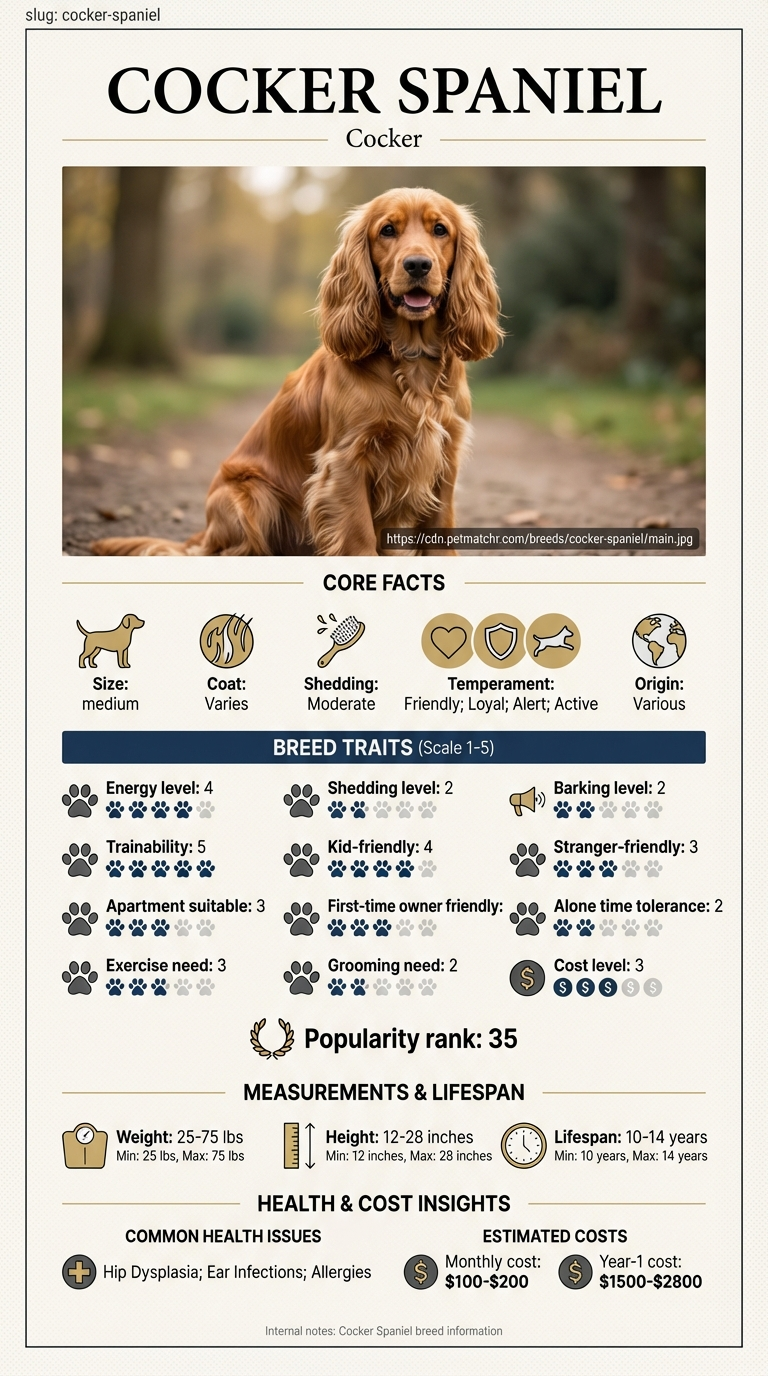
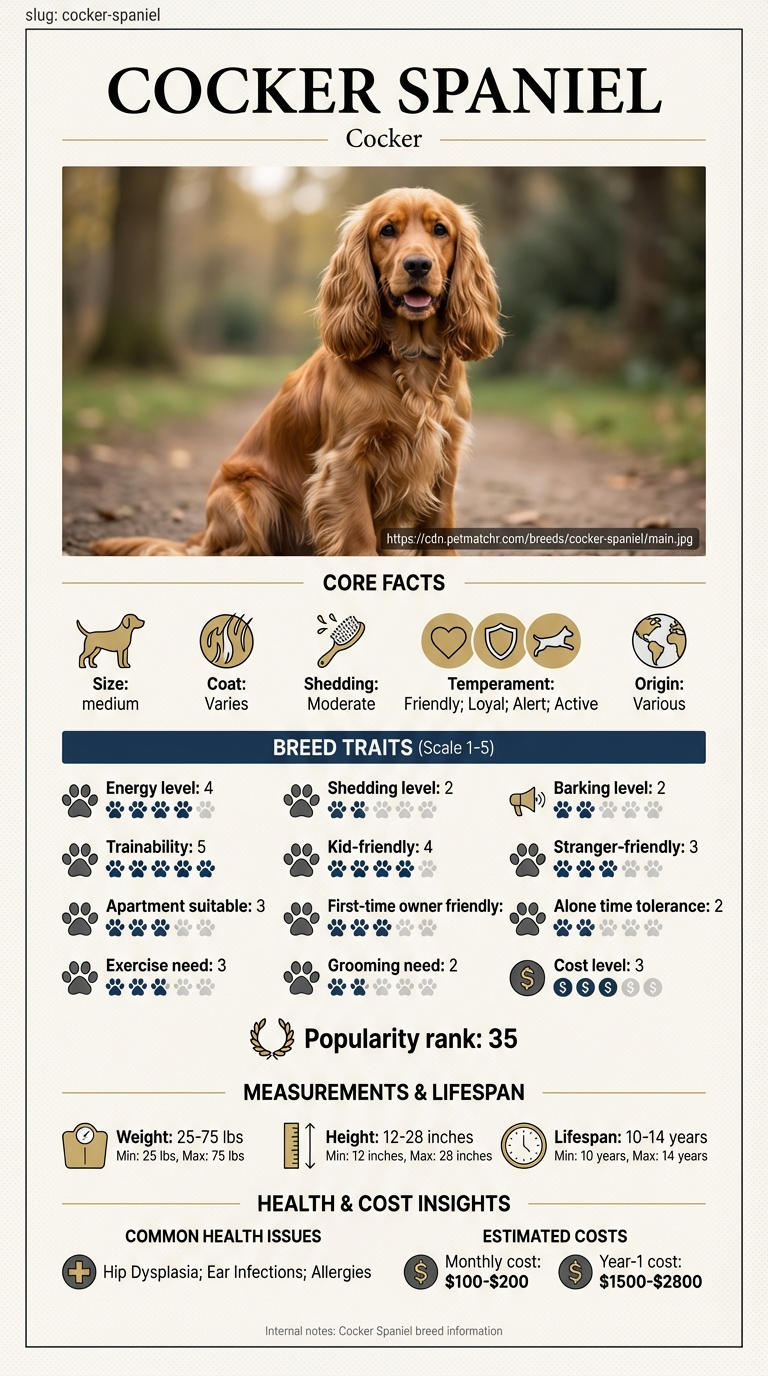
Cocker Spaniels are medium-sized dogs with a deep chest, which can predispose them to bloat or gastric dilatation-volvulus (GDV). Their friendly nature may lead them to eat quickly, increasing the risk of bloat. Genetic factors also play a role, as some Cocker Spaniels may inherit a tendency toward this condition.

Environment factors

Environmental factors like feeding habits and stress levels can contribute to the risk of bloat. For instance, feeding your Cocker Spaniel large meals or letting them exercise immediately after eating can trigger GDV. Additionally, high-stress situations, such as travel or loud noises, may also heighten the risk.

What you can try

At-home strategies

  • Feed smaller, more frequent meals instead of one large meal to reduce stomach pressure.
  • Use a slow feeder bowl to encourage your Cocker Spaniel to eat more slowly.
  • Avoid vigorous exercise right before and after feeding times to minimize bloat risks.
  • Keep your dog calm during and after meals to reduce stress levels.

When to consider a trainer

If your Cocker Spaniel continues to exhibit anxious behavior around mealtime or shows signs of overeating, it may be a good idea to consult a trainer for help. A trainer can provide strategies for managing feeding behaviors and anxiety.

When to talk to your vet

If you notice symptoms of bloat, such as a distended abdomen, excessive drooling, or signs of distress, contact your vet immediately. GDV is a medical emergency that requires prompt attention.

Realistic expectations

When addressing Cocker Spaniel bloat (gastric dilatation-volvulus/GDV), the timeline can vary. Initial changes in feeding and exercise can show results within a few weeks, but full management may take several months.

Success means your Cocker Spaniel has fewer or no episodes of bloat, maintains a healthy weight, and shows regular energy levels. You'll feel more confident in managing their diet and exercise.

Mistakes that make this worse – Cocker Spaniel bloat (gastric dilatation-volvulus/gdv)

When dealing with Cocker Spaniel bloat (gastric dilatation-volvulus/GDV), certain behaviors can unintentionally worsen the situation. Here are some common mistakes to avoid.

  • Feeding large meals at once: Giving your Cocker Spaniel one big meal can increase the risk of bloat. Instead, break their food into smaller, more frequent meals throughout the day.
  • Allowing vigorous exercise after eating: Taking your dog for a run right after meals can trigger bloat. Wait at least an hour after feeding before engaging in any intense activity.
  • Ignoring signs of distress: If your Cocker Spaniel shows signs of discomfort, such as pacing or drooling, don't brush it off. Contact your vet immediately instead of waiting.
  • Using elevated food bowls: Some owners think elevated bowls help digestion, but they can actually increase bloat risk. Stick with ground-level feeding to reduce the chances.
  • Not monitoring water intake: Allowing your dog to gulp down water right after eating can lead to bloat. Instead, provide small amounts of water frequently instead of one large bowl.
  • Overlooking breed susceptibility: Cocker Spaniels can be prone to bloat, so it's essential to stay informed about their health. Regular check-ups with your vet can help catch any issues early.

When Cocker Spaniel Bloat is an Emergency

Cocker Spaniel bloat, also known as gastric dilatation-volvulus (GDV), can be life-threatening. It's crucial to know when to act quickly and when to monitor your dog at home. If you notice severe symptoms, it’s time to call your vet immediately.

Understanding Cocker Spaniel Bloat (Gastric Dilatation-Volvulus/GDV) - When Cocker Spaniel Bloat is an Emergency

Red-Flag Signs: Call Your Vet Now

Watch for these critical symptoms that indicate an emergency: 1. Swollen abdomen that feels hard or tight. 2. Unproductive attempts to vomit. 3. Rapid breathing or excessive drooling. 4. Signs of distress, such as pacing or whining. 5. Weakness or lethargy. If you notice any of these, don’t wait. Get your Cocker Spaniel to the vet right away.

Understanding Cocker Spaniel Bloat (Gastric Dilatation-Volvulus/GDV) - Red-Flag Signs: Call Your Vet Now
  • Swollen abdomen
  • Unproductive vomiting
  • Rapid breathing
  • Excessive drooling
  • Signs of distress

Mild Cases: Monitor and Wait

In less severe cases, keep an eye on your Cocker Spaniel for more subtle signs of discomfort. If your dog seems to have mild bloating but is still eating, drinking, and playing, you can monitor them closely for a few hours. However, if symptoms worsen, seek veterinary advice.

Understanding Cocker Spaniel Bloat (Gastric Dilatation-Volvulus/GDV) - Mild Cases: Monitor and Wait

Managing Bloat in Bella the Cocker Spaniel

Jessica, a busy nurse in Chicago, noticed her Cocker Spaniel, Bella, seemed uncomfortable after meals. After a vet visit, she learned about the risks of bloat (gastric dilatation-volvulus/GDV). Determined to help Bella, Jessica adjusted her feeding routine to smaller, more frequent meals and incorporated slower feeding bowls. Over the next few months, Bella became more energetic and experienced fewer issues. Jessica felt relieved and empowered by her ability to manage Bella's health.

Key takeaway: With careful management of diet and feeding habits, owners can significantly reduce the risk of bloat in Cocker Spaniels.
Frequently asked questions

Why does my Cocker Spaniel have bloat (gastric dilatation-volvulus/GDV)?

Cocker Spaniels can develop bloat due to various factors, including fast eating, overeating, or stress. Genetics can also play a role, as some dogs are more predisposed to this condition. It's important to monitor your dog’s eating habits and consult with a vet if you notice any signs of discomfort.

What are the signs of Cocker Spaniel bloat (gastric dilatation-volvulus/GDV)?

Signs of bloat in Cocker Spaniels include a swollen abdomen, restlessness, excessive drooling, and attempts to vomit without success. If you notice these symptoms, seek veterinary care immediately, as bloat can be life-threatening.

How can I prevent Cocker Spaniel bloat (gastric dilatation-volvulus/GDV)?

To help prevent bloat, feed your Cocker Spaniel smaller meals more frequently instead of one large meal. Avoid vigorous exercise right after meals and use slow-feed bowls to discourage rapid eating. Additionally, consider reducing stress during mealtime.

What should I do if I suspect my Cocker Spaniel has bloat (gastric dilatation-volvulus/GDV)?

If you suspect bloat, take your Cocker Spaniel to the vet immediately. Time is critical, as this condition can quickly become fatal. Do not wait for symptoms to worsen.

What is the treatment cost for Cocker Spaniel bloat (gastric dilatation-volvulus/GDV)?

Treatment costs for bloat can range from $1,500 to $7,500, depending on the severity and required procedures. It's crucial to have a financial plan in place for emergencies like this.

What are the early signs of Cocker Spaniel bloat (gastric dilatation-volvulus/gdv)?

Early signs of Cocker Spaniel bloat can include restlessness, a distended abdomen, and attempts to vomit without success. If you notice these symptoms, it's crucial to contact your veterinarian immediately.

Is bloat (gastric dilatation-volvulus/gdv) hereditary in Cocker Spaniels?

While there is no definitive evidence linking bloat directly to genetics, certain factors like a family history of bloat can increase risks. It's important to be aware of your Cocker's family health background when considering preventive measures.

Can older Cocker Spaniels develop bloat (gastric dilatation-volvulus/gdv) more easily?

Yes, older Cocker Spaniels are generally at a higher risk for developing bloat (gastric dilatation-volvulus/gdv). Their digestive systems can be less resilient, making it crucial to monitor their eating habits and overall health closely.

How can I help prevent bloat (gastric dilatation-volvulus/gdv) in my Cocker Spaniel?

To help prevent bloat, feed your Cocker Spaniel smaller, more frequent meals and avoid vigorous exercise immediately after eating. Staying aware of their eating patterns and stress levels can also play a role in prevention.

What should I do if my Cocker Spaniel has bloat (gastric dilatation-volvulus/gdv)?

If you suspect your Cocker Spaniel has bloat, seek emergency veterinary care right away. This condition can escalate quickly and requires prompt treatment to avoid serious complications.

Quick answers

View more answers
Behavior

What are quick tips for Cocker Spaniel bloat (gastric dilatation-volvulus/GDV)?

Feed your Cocker Spaniel smaller, more frequent meals and avoid exercise after eating. Monitor for signs of discomfort and consult your vet if you have concerns.

Training

How can I help my Cocker Spaniel eat slower?

Use slow-feed bowls or puzzle feeders to encourage slower eating. This can reduce the risk of bloat and promote healthier digestion.

Living

Are certain dog breeds more prone to bloat?

Yes, some breeds, including Cocker Spaniels, are more prone to bloat due to their body structure. Awareness and preventive measures are essential for these breeds.

Related DogBreedCompass guides

  • Cocker Spaniel common health issuesLearn more about the common health issues that can affect Cocker Spaniels, including bloat.
  • Cocker Spaniel separation anxiety guideUnderstand how to manage separation anxiety in your Cocker Spaniel, which can contribute to stress-related issues.
  • Cocker Spaniel bloat (gastric dilatation-volvulus/gdv) trainingExplore effective training techniques to help reduce the risk of bloat in your Cocker Spaniel.
  • Cocker Spaniel cost breakdownGet a comprehensive overview of what it costs to care for a Cocker Spaniel, including health issues like bloat.
  • Cocker Spaniel behavior problemsFind solutions for other behavior problems that could affect your Cocker Spaniel's health and happiness.

Related guides