Behavior
How can I tell if my Cavalier is losing their vision?
Look for signs like hesitating in new environments or difficulty locating toys. If you notice these behaviors, consult your vet for an eye exam.
Cavalier King Charles Spaniel progressive retinal atrophy (PRA-RCD3) is a serious eye condition that leads to vision loss.
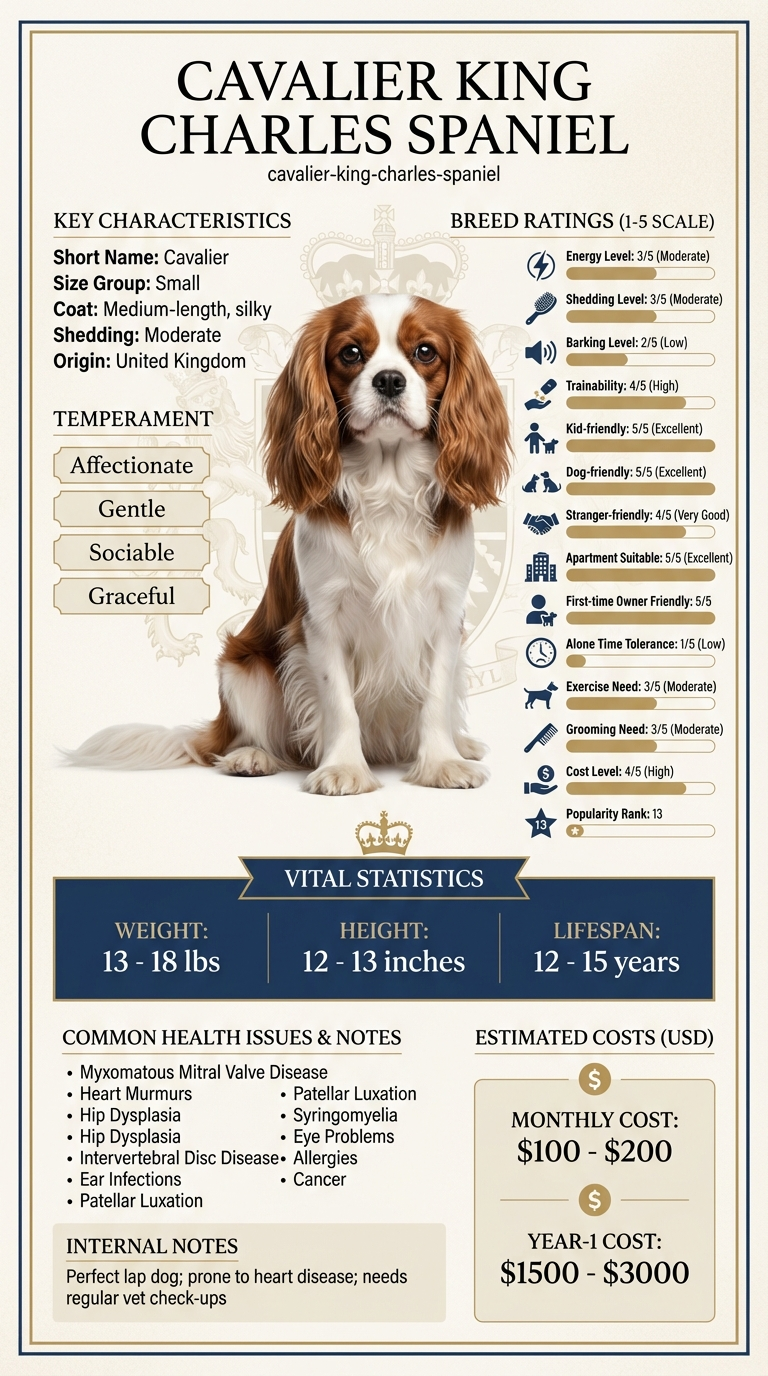
Typically, owners of Cavalier King Charles Spaniels, especially those who are first-time dog parents, may struggle with recognizing and managing this condition. They often feel overwhelmed and unsure about how to support their dog as they face gradual vision loss.
This guide is not medical advice. If your dog shows pain, sudden behavior change, or worsening symptoms, consult a licensed veterinarian.
Some links may be affiliate links. We may earn a commission at no extra cost to you. We only suggest products we believe are helpful for dog owners.
Cavalier King Charles Spaniel progressive retinal atrophy (pra-rcd3) is a genetic condition that leads to gradual vision loss. This can manifest as difficulty navigating familiar environments, bumping into objects, or showing hesitation in new places. Owners may notice their Cavalier becoming less active or more anxious as their sight deteriorates.
This condition is relatively common among Cavalier King Charles Spaniels due to their genetic background. Many Cavaliers may show signs of pra-rcd3 as they age, making it important for owners to monitor their dog's vision and seek veterinary advice.
Cavalier King Charles Spaniels are genetically predisposed to Progressive Retinal Atrophy (PRA-rcd3). This inherited condition leads to gradual vision loss due to the degeneration of the retina. If your Cavalier has a family history of eye issues, they may be more likely to develop this condition.
Environmental factors can also influence the onset of PRA-rcd3. Poor nutrition, lack of regular vet check-ups, and exposure to toxins can worsen your dog's overall eye health. Keeping your Cavalier in a low-stress environment may help manage their condition.
If your Cavalier is struggling to adapt to vision loss, a professional trainer can help with specialized techniques to aid their mobility and confidence. Look for trainers experienced in working with dogs with disabilities.
Consult your vet if you notice significant changes in your Cavalier's behavior or if they are having trouble navigating familiar spaces. Regular check-ups are crucial to monitor the progression of PRA-rcd3 and to discuss any potential treatments.
Managing Cavalier King Charles Spaniel progressive retinal atrophy (pra-rcd3) is an ongoing process. Expect to see gradual changes over several months to years, depending on the severity of the condition.
Success means adapting your home and routine for your dog's comfort. This includes learning to recognize their cues and providing support that helps them navigate their environment safely.
Here are common mistakes that can worsen Cavalier King Charles Spaniel progressive retinal atrophy (PRA-rcd3) and some safer alternatives.
Understanding when Cavalier King Charles Spaniel progressive retinal atrophy (PRA-RCD3) requires immediate attention can be critical for your dog's well-being. Some signs indicate you should call your vet right away, while others can be monitored at home. Knowing the difference can help you act swiftly and appropriately.

If you notice any of the following signs, contact your veterinarian immediately:

If your Cavalier shows these symptoms, you can monitor them at home but should still plan a vet visit:
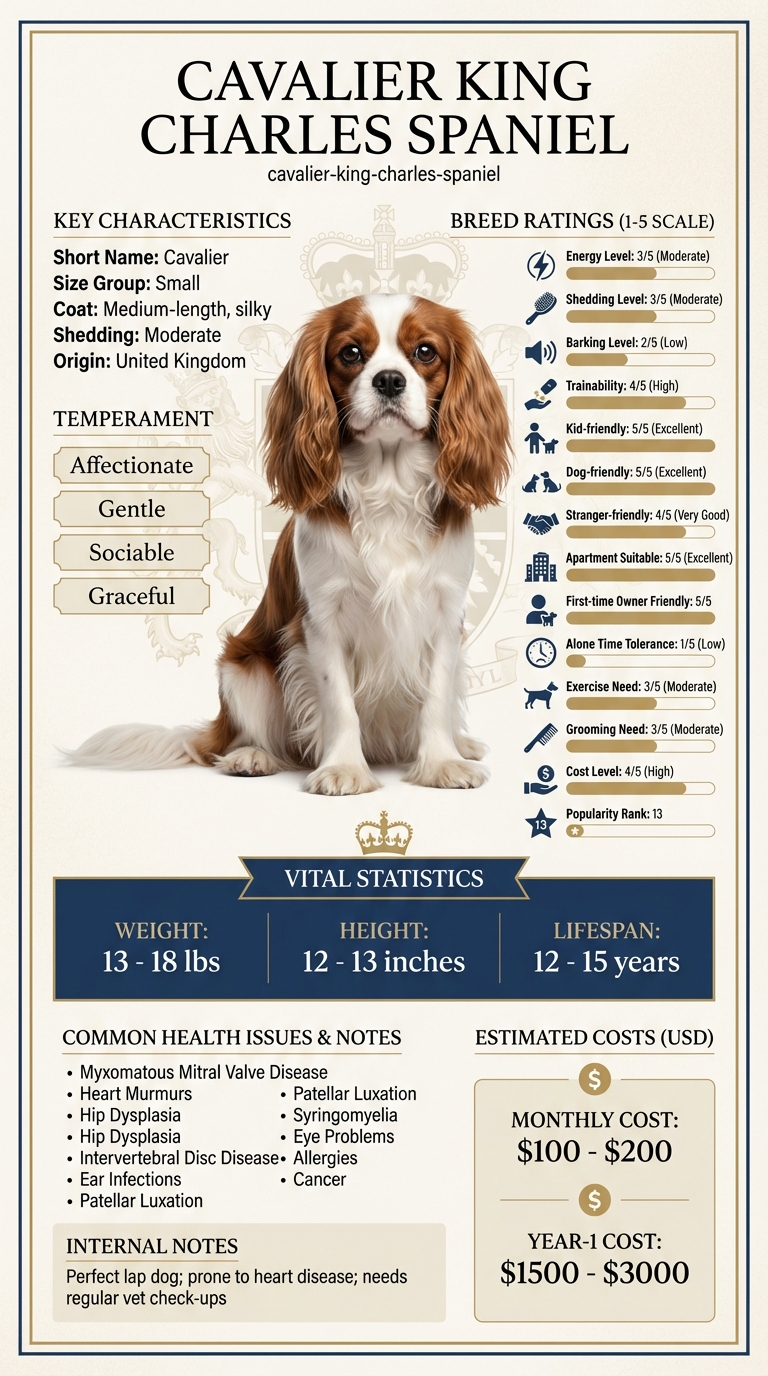
Emily, a first-time dog owner, noticed her Cavalier, Bella, bumping into furniture and struggling to find her toys. After a vet visit, she learned Bella had progressive retinal atrophy (pra-rcd3). Emily felt overwhelmed but committed to helping Bella adapt. She installed night lights and created a clear path through the house. Over time, Bella learned to navigate confidently, and their bond grew stronger as they developed new routines together.
Key takeaway: With patience and practical adjustments, you can help your Cavalier thrive despite vision loss. Focus on creating a safe space and building a supportive routine.
Cavalier King Charles Spaniel progressive retinal atrophy (pra-rcd3) is a genetic condition that leads to gradual vision loss. It affects the retina, causing cells to deteriorate over time. This condition is common in this breed, and early symptoms may include night blindness.
This condition is primarily inherited and affects the Cavalier breed due to specific genetic mutations. If your dog has been diagnosed, it's likely because they inherited this trait from their parents. Regular veterinary check-ups can help monitor eye health.
While there is no cure for pra-rcd3, you can help your dog adjust to vision loss. Ensure their environment is safe and familiar, avoiding obstacles. Training them to navigate using sound and scent can also be beneficial.
Signs may include difficulty seeing in low light, bumping into objects, or hesitating to navigate familiar spaces. If you notice your dog showing these behaviors, consult your veterinarian for an eye exam. Early detection can help manage their care.
No, progressive retinal atrophy (pra-rcd3) is not painful. The condition leads to vision loss, but it doesn't cause physical discomfort. Your dog may adapt to their changing vision with some support and adjustments in their environment.
Yes! Many Cavaliers with pra-rcd3 can lead fulfilling lives. With proper training, support, and a safe environment, they can adapt well to their vision changes while enjoying their time with you.
Early signs of progressive retinal atrophy (pra-rcd3) may include difficulty seeing in low light or bumping into objects. You might also notice your Cavalier hesitating before jumping or becoming less interested in chasing toys. If you observe these behaviors, it’s essential to consult your vet.
Currently, there is no cure for progressive retinal atrophy (pra-rcd3), but management options are available. Regular veterinary check-ups can help monitor the condition. In some cases, dogs may benefit from adaptations at home to improve their quality of life.
As vision loss progresses, a Cavalier King Charles Spaniel may become more cautious or anxious, particularly in new environments. They might also rely more on their other senses and may need support when navigating their space to feel secure. Providing consistent routines can help ease their anxiety.
Yes, progressive retinal atrophy (pra-rcd3) is a genetic condition that can be passed down from parent to offspring. Responsible breeders conduct health screenings to reduce the risk of this disease in their puppies. If you're considering a Cavalier, it's important to ask about the health history of the parents.
If you notice signs of vision loss, such as reluctance to move around or difficulty navigating familiar spaces, it's time to see the vet. Early detection can help manage the condition better and ensure your Cavalier receives the care they need for a good quality of life.
Look for signs like hesitating in new environments or difficulty locating toys. If you notice these behaviors, consult your vet for an eye exam.
Focus on creating a safe home environment and consider training methods that enhance their use of sound and scent. Regular vet visits are essential for monitoring their condition.
Currently, there are no treatments that can reverse the effects of pra-rcd3. However, supportive care can help manage your dog's quality of life.
Cavaliers typically live between 12 to 15 years, and having pra-rcd3 doesn't significantly affect their lifespan. Proper care is crucial for maintaining their health.